Coding Bootcamps vs. Self-Study: Matching the Right Path to Your Goals
By Mag-Info Tech editorial · 2026-06-10
Why the “bootcamp vs self-study” choice matters
Choosing between a coding bootcamp and self-study is one of the first big decisions you make on your path to shipping software. Bootcamps offer structure, deadlines, and direct feedback from instructors, while self-study gives you flexibility, lower cost, and control over pace and focus. The right path depends on your current skills, budget, schedule, and career goals. If you thrive under pressure and want a fast route into a tech role, a bootcamp can accelerate your transition. If you prefer learning on your own terms and building projects at your own speed, self-study may be the better fit. Either way, the goal is to build real software and prove you can deliver.
How coding bootcamps work and who they’re built for
Coding bootcamps are intensive, short-form programs—typically 8 to 24 weeks—that teach full-stack development, data science, or cybersecurity through project-based learning. Most are run by private companies or universities and focus on outcomes like job placement, portfolio quality, and interview readiness. They work best for people who can dedicate full-time hours, need external accountability, and want a clear path into a tech career. Bootcamps are popular with career changers who already have some exposure to coding but need structure and mentorship to reach a professional level. They’re also useful for professionals in adjacent fields who want to pivot without going back to school for years.
Bootcamps usually include live instruction, daily stand-ups, pair programming, and regular code reviews. They often partner with employers to offer hiring fairs or apprenticeships, which can shorten the job search. The trade-off is cost—tuition can be substantial—and the need to relocate or attend full-time, depending on the format. If you’re balancing work or family, part-time or online bootcamps exist, but they still demand consistent weekly hours. Bootcamps are ideal for learners who benefit from external deadlines and structured feedback loops.
Top coding bootcamps and what each offers
Several well-known bootcamps dominate the market, each with a distinct focus and style. Flatiron School emphasizes full-stack web development with a strong career services team and outcomes reporting. General Assembly offers tracks in software engineering, data science, and UX design, with both full-time immersive and part-time formats. App Academy focuses on full-stack Ruby on Rails and Python, with an income share agreement option that defers tuition until you’re hired. Hack Reactor specializes in JavaScript and advanced algorithms, appealing to learners aiming for top-tier tech roles. Codesmith targets engineers who want to level up with senior-level JavaScript and system design.
Each bootcamp has a different teaching approach. Some use live lectures and daily coding challenges, while others rely on project-based modules and mentor feedback. Career support varies too—some offer resume workshops and interview prep, others provide direct employer connections. When choosing, look at the curriculum’s depth in modern frameworks, the quality of the alumni network, and the transparency of job placement data. Also consider location and format: immersive programs are intense but fast, while part-time programs fit around other commitments.
Self-study: who it suits and how to succeed
Self-study is the most flexible way to learn to code, especially if you’re already working or managing other responsibilities. It’s ideal for autodidacts who enjoy problem-solving, can set their own deadlines, and don’t need immediate job placement support. Self-learners often build portfolios by contributing to open-source projects, building full applications, or publishing tutorials. Success depends on discipline, access to good learning resources, and a willingness to seek help when stuck.
Popular self-study paths include freeCodeCamp for web development, The Odin Project for full-stack JavaScript, freeCodeCamp’s data science curriculum, and Scrimba’s interactive coding platform. For deeper theory, books like “Eloquent JavaScript” or “You Don’t Know JS” remain useful. Self-study learners should pair theory with real projects—like a personal website, a REST API, or a small game—to prove their skills. Community support is critical: forums like Stack Overflow, Discord study groups, and local meetups can fill the gap left by missing instructors.
Comparing cost, time, and outcomes across paths
Cost and time are the most visible differences between bootcamps and self-study. Bootcamps typically charge tuition ranging from several thousand to over ten thousand dollars, with some offering deferred tuition or income share agreements. Self-study can cost almost nothing beyond internet access and a few books or platforms, but it requires more time to reach the same level of readiness. Time commitment also varies: bootcamps compress learning into months, while self-study can stretch over years if not managed well.
Outcomes differ too. Bootcamps often report high job placement rates within months of graduation, especially for immersive programs with strong employer ties. Self-study learners may face longer job searches because they lack the built-in credibility of a bootcamp credential, though a strong portfolio and GitHub profile can compensate. Both paths can lead to tech roles, but bootcamps are generally faster for career changers, while self-study suits those who want to integrate learning into their existing life without a fixed schedule.
Matching your profile to the right path
Your background, goals, and constraints should guide your choice. If you’re early in your career and want to switch into tech quickly, a full-time immersive bootcamp may be worth the investment. If you’re already in a technical role and want to level up your backend or DevOps skills, a part-time bootcamp or targeted self-study could work. If you’re a student or recent graduate with time and curiosity, self-study can build a strong foundation before applying to bootcamps or jobs.
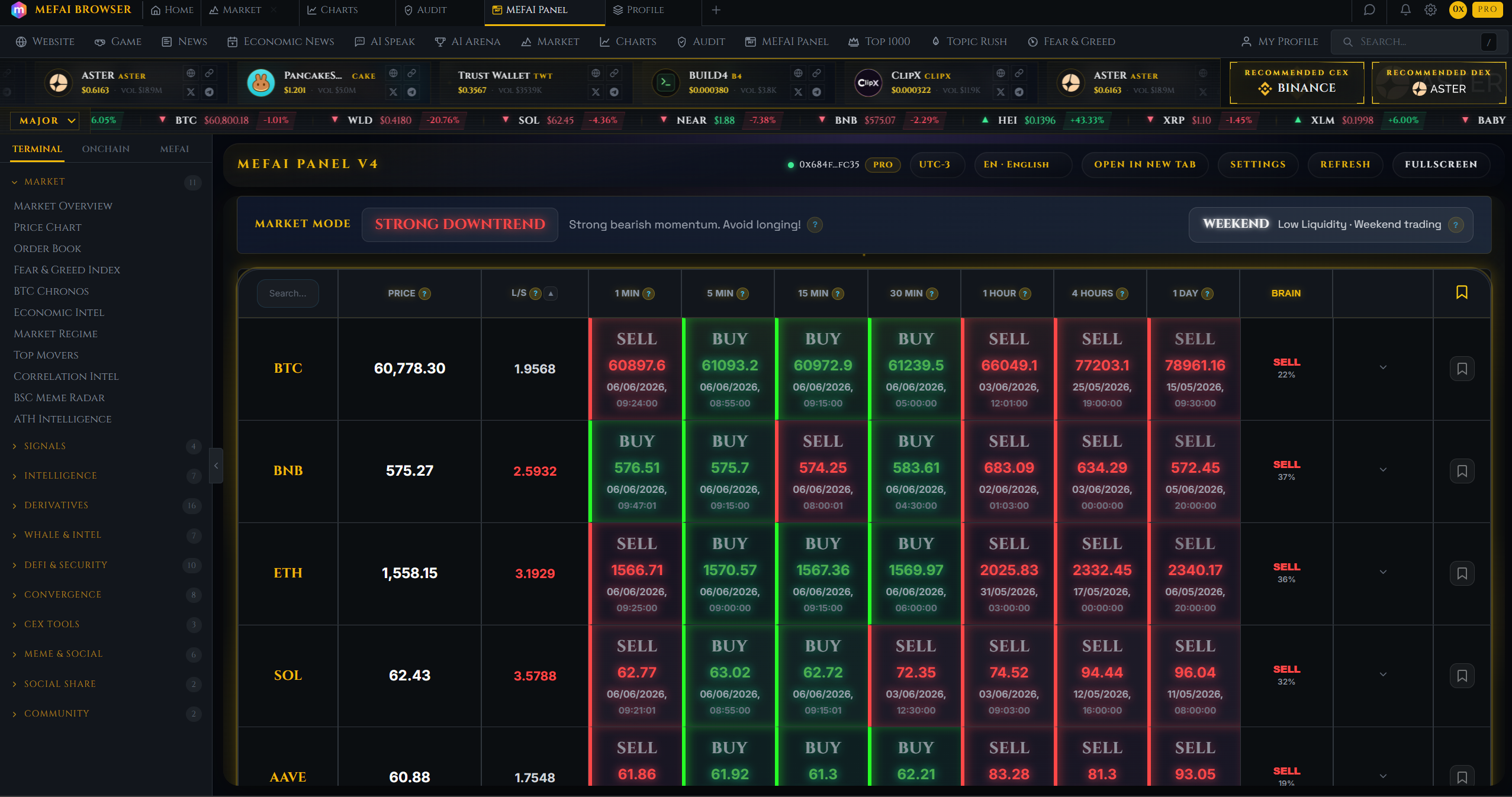
Real results from MEFAI's AI. Get $50 off the Pro plan.
Sponsored · Past performance is not indicative of future results. Not financial advice.
Consider your learning style too. If you need structure, deadlines, and feedback, a bootcamp will help you stay on track. If you prefer autonomy and enjoy deep dives into topics at your own pace, self-study is more suitable. Also factor in your financial situation: bootcamps can be expensive, while self-study is low-cost but may require more time to see returns. For parents, full-time workers, or people with caregiving responsibilities, part-time or asynchronous options are essential.
Practical tips for bootcamp applicants
Before applying to a bootcamp, audit your readiness by completing a free introductory course in the stack you’re targeting. This helps you confirm your interest and aptitude before committing. Research outcomes data—look for job placement rates, average salaries, and employer partnerships. Ask about financing options, including scholarships, loans, or income share agreements. Visit a class or attend a demo day if possible to get a feel for the teaching style and culture.
Prepare for the admissions process, which often includes a technical assessment and behavioral interview. Practice coding challenges on platforms like LeetCode or CodeSignal, and review system design basics if you’re aiming for senior roles. Bootcamps value problem-solving skills as much as syntax knowledge, so focus on understanding core concepts rather than memorizing frameworks. Finally, plan your post-bootcamp job search early—networking, portfolio polishing, and interview prep should start during the program.
Self-study strategies that lead to real projects
To make self-study effective, treat it like a part-time job. Set weekly goals, track progress, and review your code regularly. Start with a structured curriculum to avoid gaps, then branch into personal projects that solve real problems. Build a portfolio with 3–5 substantial projects, each with clear documentation and live demos. Contribute to open-source projects or write technical blog posts to demonstrate your communication skills.
Use version control from day one—GitHub is essential for showcasing your work. Join coding communities like freeCodeCamp’s forums, r/learnprogramming on Reddit, or Discord groups for your tech stack. Attend local meetups or virtual conferences to meet other developers. If you’re aiming for a job, tailor your projects to the roles you want—frontend roles benefit from polished UI projects, while backend roles value APIs, databases, and scalability considerations.

What to watch next: emerging trends and tools
The bootcamp and self-study landscape is evolving with new formats and technologies. Online bootcamps with live instruction and interactive platforms are becoming more common, offering flexibility without sacrificing structure. AI-powered learning tools, like code assistants and automated feedback systems, are entering the market, potentially lowering costs and improving outcomes. Micro-credentials and nano-degrees from universities and platforms are blurring the lines between bootcamps and traditional education.
For self-learners, AI coding tools can accelerate prototyping and debugging, but they shouldn’t replace foundational understanding. Watch for trends like low-code platforms, cloud certifications, and project-based badges that can complement your learning path. Also keep an eye on employer preferences—some companies now value demonstrated skills over degrees or bootcamp certificates, making self-study a viable route if you build the right evidence of competence.
Final verdict: which path fits you best
If you need a fast, structured route into a tech career and can invest time and money, a coding bootcamp is likely the best choice. It provides accountability, mentorship, and direct pathways to employers, especially for career changers. If you prefer flexibility, lower cost, and the ability to learn at your own pace, self-study is the better option—provided you stay disciplined and build a strong portfolio.
Many learners combine both: start with self-study to build foundational skills, then enroll in a bootcamp to polish advanced concepts and accelerate job placement. Others use bootcamps as a finishing school after years of self-directed learning. Ultimately, the best path is the one that keeps you coding, shipping, and improving—because at the end of the day, what matters most is what you can build.
More in Learning & Courses

What the FISA Section 702 Expiration Really Means for Surveillance and Your Data
Section 702 of FISA expires tonight, but ongoing certifications mean surveillance continues until March 2027—here’s what actually changes and why privacy advocates warn against rushing reauthorization

Free vs Paid Crypto Courses: What’s Actually Worth Paying For
Compare top free and paid crypto courses to decide when to pay for structured learning, hands-on practice, and certification versus relying on free resources.

Best Crypto Courses for Beginners: Where to Start in 2024
Learn what to look for in a crypto course and compare beginner-friendly options from Coinbase, Binance, Udemy, Coursera and more.