How AI Courses Are Evolving in 2026: What to Learn and Which Tools Fit Your Goals
By Mag-Info Tech editorial · 2026-06-10

Why AI Courses Look Different in 2026
AI education has shifted from theory-heavy lectures to skill-first training that mirrors real workflows. In 2026, the most effective courses don’t just explain neural networks—they immerse learners in interactive labs, sandboxed environments, and live project feedback. This reflects how AI tools are used in practice: not as abstract concepts, but as part of software, data, and automation pipelines. The result is a clearer path from learning to earning, especially for professionals who need to apply AI immediately in their roles.
Another major change is the integration of prompt engineering into foundational AI literacy. While once a niche skill, prompting is now treated as a core competency across beginner and advanced tracks. Courses embed prompting exercises into every module—not as a standalone lesson, but woven into data analysis, code generation, and system design. This reflects the reality that even non-engineers must shape AI outputs effectively to get useful results.
Finally, accessibility has improved through modular micro-courses and just-in-time learning. Instead of committing to a multi-month program, learners can take short, focused units aligned to specific tools or job tasks. Platforms now offer role-based pathways (e.g., marketer, analyst, developer) with curated stacks of mini-courses, certifications, and community support. This makes AI education more inclusive and practical for working adults.
Core Skills to Prioritize in 2026
In 2026, the AI skill set has three pillars: prompt mastery, workflow integration, and responsible use. Prompt mastery goes beyond writing clear instructions—it includes debugging AI responses, refining queries with context, and using structured formats like JSON or YAML to guide outputs. Workflow integration means knowing how to connect AI models to APIs, databases, and automation tools, turning raw outputs into actionable insights or products. Responsible use covers bias awareness, data privacy, and compliance—skills now required even in entry-level roles.
For developers, the focus is on building with AI APIs and frameworks like LangChain or LlamaIndex. Courses now include labs where learners build agents, retrieval systems, or multi-step pipelines using real APIs and sandboxed environments. Non-developers benefit from courses that teach how to evaluate AI outputs, document prompts, and integrate AI into existing tools like spreadsheets or dashboards. Across roles, the emphasis is on reproducibility: learners are taught to save prompts, datasets, and model versions to ensure consistent results over time.
Security and governance have also moved from optional to essential. Courses now include modules on prompt injection, data leakage risks, and model hardening, reflecting the rise of adversarial attacks on AI systems. Learners are evaluated not just on technical output, but on how they mitigate risks in production-like scenarios. This shift aligns with the growing demand for AI professionals who understand both the power and the pitfalls of the technology.
Best Platforms for Beginners: Hands-On, Project-Based Learning
For newcomers, platforms like Coursera and edX remain strong choices due to their structured beginner tracks and university partnerships. Their AI courses now emphasize project-based assessments where learners build small AI-powered tools—such as chatbots, classifiers, or data summarizers—using guided notebooks and sandboxed environments. These platforms also offer role-based “skill sets” that bundle foundational AI with domain skills (e.g., AI for business or healthcare), making it easier to see direct career relevance.
Udacity’s Nanodegree programs have evolved to include AI workflows like prompt optimization and API integration, with mentorship and peer reviews baked in. The labs are designed to simulate real developer environments, using containers and cloud-based IDEs so learners gain experience with tools they’ll encounter on the job. The mentorship model helps beginners avoid common pitfalls and stay motivated through complex topics like fine-tuning or vector databases.

For learners who prefer self-paced, bite-sized content, Khan Academy’s AI modules and Codecademy’s AI skill paths now include interactive coding exercises with instant feedback. These platforms are ideal for professionals who need to upskill quickly without committing to long programs. Their strength lies in accessibility and clarity, making abstract concepts tangible through visualizations and guided exercises.
Best Platforms for Developers: Building with AI APIs and Frameworks
Developers should look at platforms like DeepLearning.AI and fast.ai, which now focus on building AI-powered applications using real APIs and open-source tools. Courses like “LangChain for Developers” and “Building AI Applications” teach learners to construct agents, retrieval systems, and multi-step pipelines using sandboxed environments and real API integrations. The labs are designed to mirror production workflows, with version control, logging, and testing built in.
Microsoft Learn and Google Cloud Skills Boost offer AI training tied directly to their cloud ecosystems. These platforms provide hands-on labs using Azure AI or Vertex AI, with step-by-step guidance on deploying models, managing endpoints, and monitoring performance. The labs are practical and up-to-date, reflecting the latest features in each platform. For developers already using these clouds, the learning path is seamless and directly applicable to their work.
For those who prefer open-source ecosystems, platforms like Brilliant and Le Wagon now include AI modules that integrate with Python, Git, and containerization tools. These courses emphasize reproducibility and collaboration, teaching learners to package AI models into containers and deploy them using tools like Docker and Kubernetes. The focus is on building end-to-end systems rather than isolated scripts, preparing developers for real-world deployment challenges.
Best Platforms for Non-Technical Professionals: Prompting and Workflow Integration
Non-technical professionals benefit most from platforms that focus on prompting, evaluation, and integration into existing tools. PromptBase and LearnPrompting.org offer concise, role-specific prompt libraries and exercises, helping users refine their instructions for tasks like data analysis, report generation, or customer communication. These platforms are ideal for professionals who need to shape AI outputs without writing code.
AI-powered productivity tools like Notion AI and Microsoft Copilot now include built-in learning paths and templates tailored to business roles. Notion’s AI Academy, for example, teaches users how to structure prompts for meeting notes, project plans, and data summaries directly within their workflow. These platforms blend learning with daily use, making AI skills immediately practical and reinforcing retention through repetition.
For teams, platforms like Guru and Tettra now offer AI training modules focused on knowledge management and content creation. These tools teach users how to use AI to generate, refine, and organize internal documentation, reducing the cognitive load of manual writing. The training is embedded in the product, so learning happens in the context of real work—boosting adoption and effectiveness.
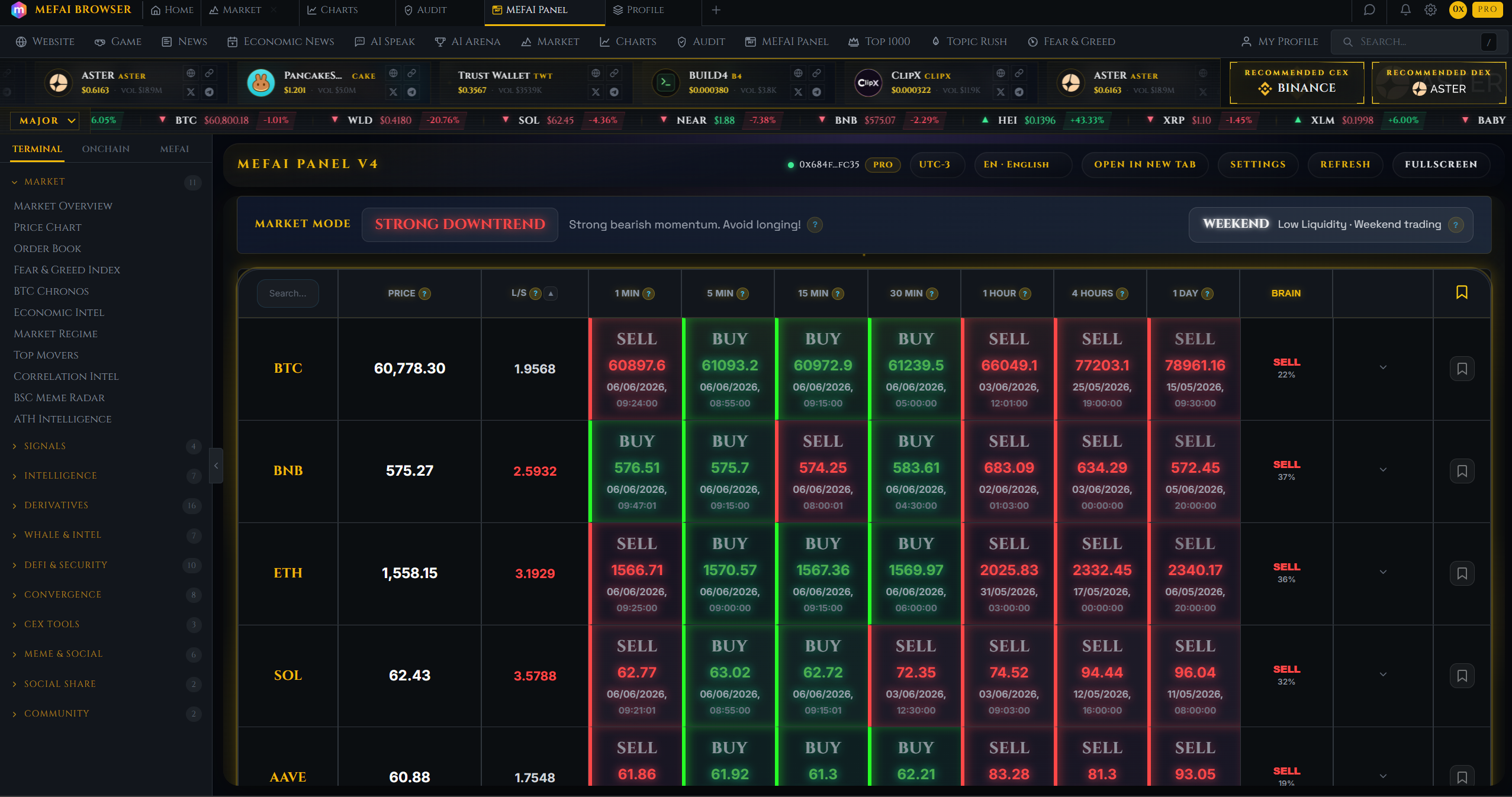
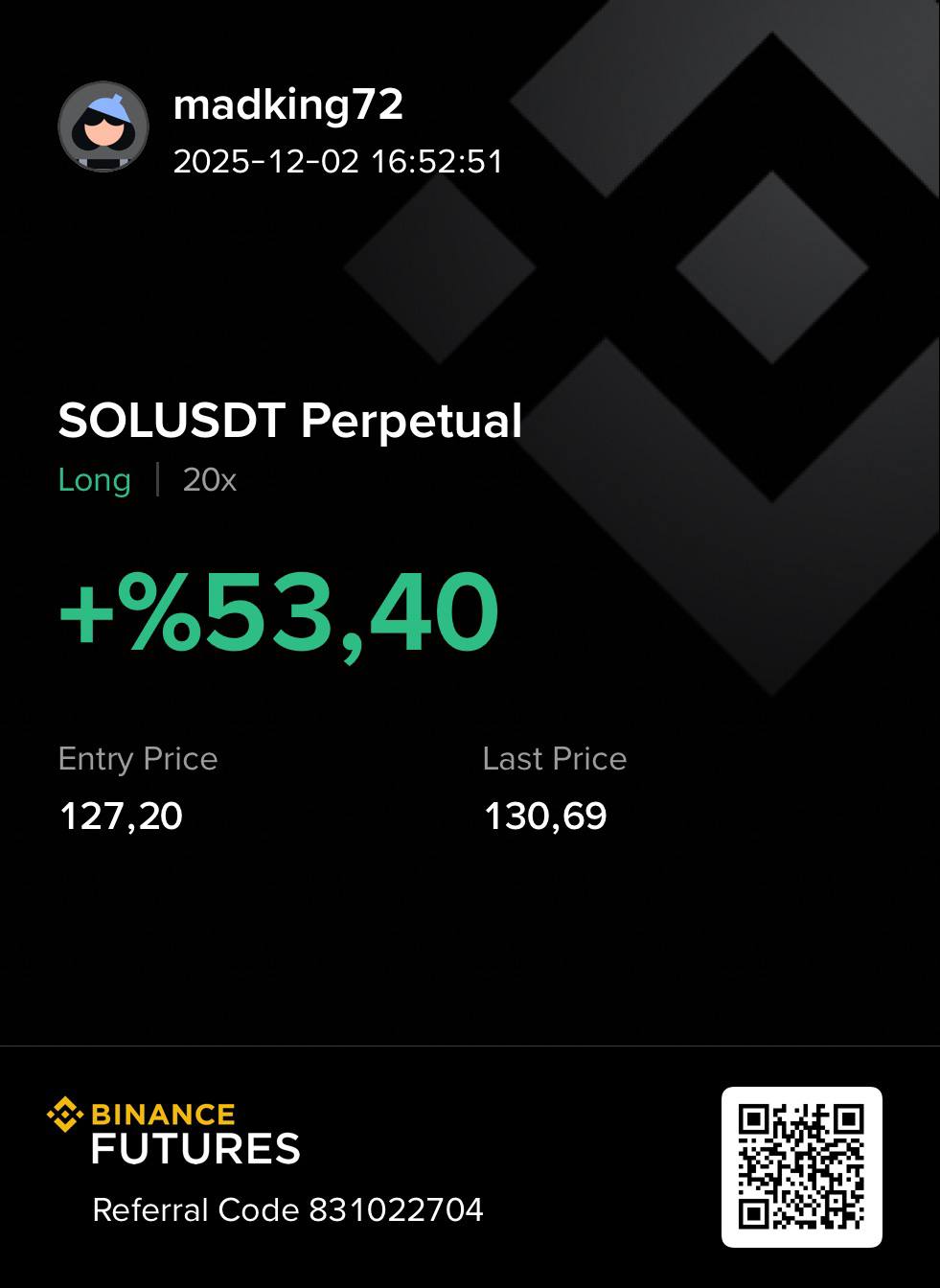
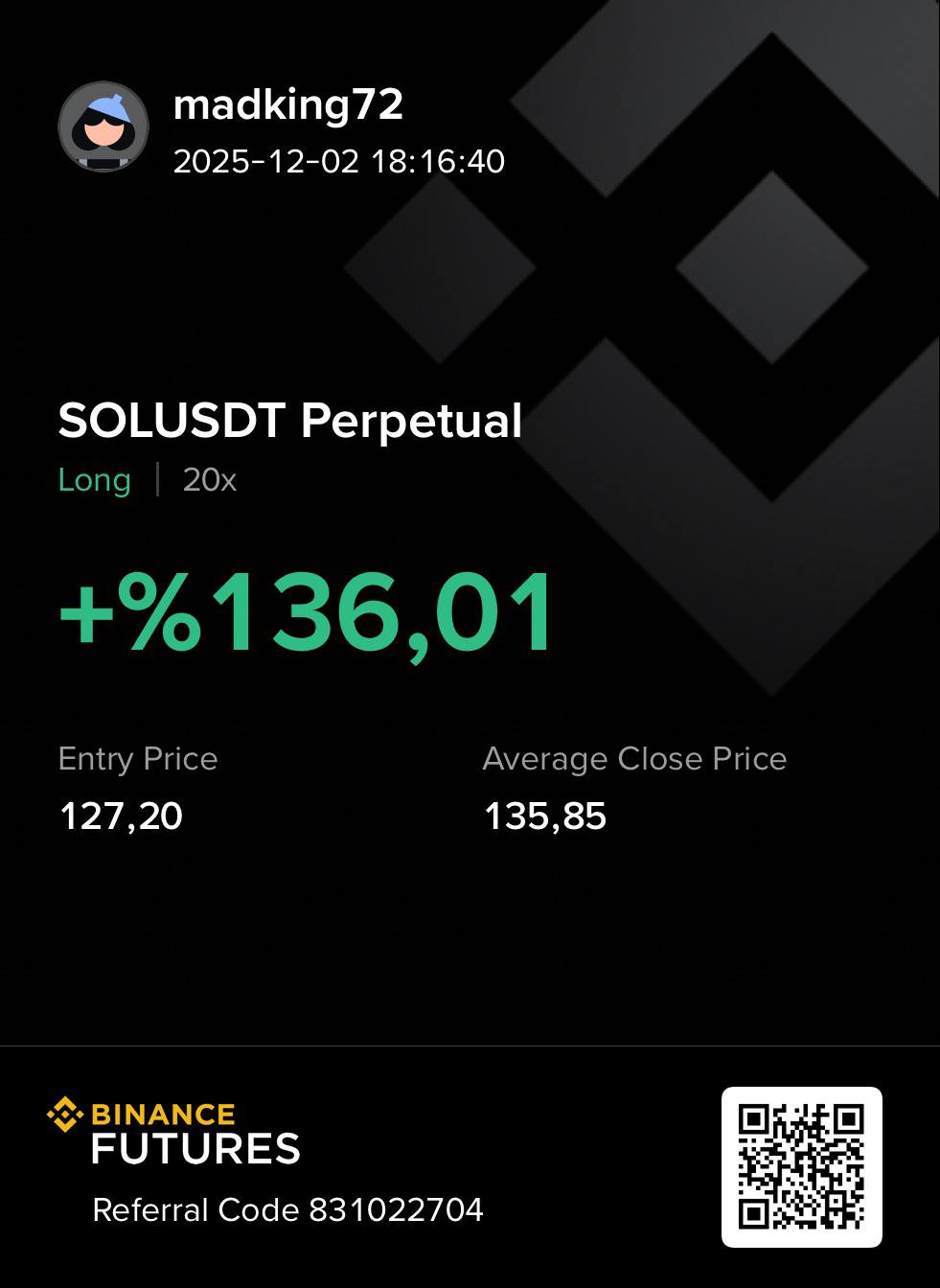

Real results from MEFAI's AI. Get $50 off the Pro plan.
Sponsored · Past performance is not indicative of future results. Not financial advice.

Specialized AI Tracks: From Prompting to Agent Design
For learners aiming to specialize, several focused tracks have emerged. Prompt engineering courses from companies like Promptfoo and PromptLayer now include advanced techniques like multi-turn conversation design, persona tuning, and evaluation frameworks. These courses are ideal for roles like conversation designers, AI trainers, or UX writers who shape how AI interacts with users.
For those interested in building autonomous agents, courses from LangChain and LlamaIndex now include labs where learners design multi-agent systems, retrieval pipelines, and tool-use workflows. The focus is on orchestration, state management, and error handling—skills essential for building reliable AI agents in production. These tracks are best suited for developers or technical product managers.
Data-focused professionals should explore courses on AI-powered analytics from platforms like DataCamp and Mode. These courses teach learners to use AI for exploratory data analysis, automated reporting, and insight generation, often integrating with tools like SQL, Python, and BI dashboards. The emphasis is on using AI to accelerate analysis without sacrificing rigor or interpretability.
Choosing the Right Course: Practical Selection Criteria
When selecting an AI course in 2026, start by mapping the content to your goals. If you’re a beginner, prioritize platforms with project-based assessments and mentorship to keep you accountable. If you’re a developer, look for courses that use real APIs and sandboxed environments to mirror production workflows. For non-technical professionals, choose platforms that integrate learning into daily tools like spreadsheets, documents, or dashboards.
Next, evaluate the learning format. Micro-courses and role-based paths work well for busy professionals, while immersive programs suit those seeking deep dives. Look for platforms that offer versioned content and community support, so your skills stay current even as tools evolve. Also, check for assessments that evaluate not just knowledge, but real-world application—such as building a small project or debugging a prompt chain.
Finally, consider the platform’s ecosystem. Courses tied to specific tools (e.g., Azure AI, Vertex AI) are valuable if you already use those platforms, but open ecosystems offer more flexibility. For teams, choose platforms that support collaboration, version control, and shared knowledge bases to scale learning across the organization. And always verify that the course includes modules on responsible AI, security, and governance—skills now expected in most professional settings.
What to Watch Next: Emerging Trends in AI Education
Two trends are worth watching in the coming year. First, the rise of AI-powered tutors and mentors that adapt to individual learning styles and pace. These systems use learner data to personalize exercises, suggest next steps, and even simulate real-world scenarios for practice. Platforms are beginning to integrate these tutors into their courses, making education more responsive and effective.
Second, the convergence of AI education with real-time collaboration tools. Platforms now offer shared coding environments, live prompt sandboxes, and team-based projects where learners can co-create and review each other’s work. This reflects how AI development happens in practice—through iteration, feedback, and collaboration. As these tools mature, they will blur the line between learning and doing, making education more immersive and practical.

Another area to monitor is the integration of AI ethics and governance into core curricula. Courses are increasingly embedding modules on bias mitigation, data privacy, and regulatory compliance, often through case studies and hands-on exercises. This reflects the growing demand for professionals who can deploy AI responsibly in regulated industries. Platforms that prioritize these topics will better prepare learners for real-world challenges.
Quick Start Guide: Recommended Learning Paths by Role
Beginners should start with a structured platform like Coursera’s “AI For Everyone” or Khan Academy’s AI modules, supplemented by hands-on prompt exercises from LearnPrompting.org. Pair this with a small project, such as building a chatbot or summarizer using a no-code tool like Zapier or Make, to apply skills immediately.
Developers should dive into LangChain or LlamaIndex courses on building AI agents, using sandboxed environments to practice API integrations, retrieval pipelines, and deployment. Pair this with cloud-based labs from Microsoft Learn or Google Cloud Skills Boost to gain platform-specific experience and credentials.
Non-technical professionals should focus on prompt mastery and tool integration. Use Notion AI or Microsoft Copilot’s built-in learning paths to refine prompts for daily tasks, and explore platforms like PromptBase for role-specific prompt libraries. Document your prompts and outcomes to build a reusable knowledge base.
For teams, choose a platform that supports collaboration and shared learning, such as Udacity’s Nanodegree with mentorship or a platform like DataCamp for Business. Implement a cadence of short, focused sessions followed by practical application in real workflows to reinforce learning and adoption.
Final Verdict: The Best AI Courses Fit Your Goals, Not Just the Hype
In 2026, the most effective AI courses are those that treat learning as part of the workflow—not a separate activity. Whether you’re a beginner, developer, or professional, the best path is one that balances theory with practice, integrates prompting and workflow skills, and includes modules on responsibility and security. Avoid courses that focus only on concepts or promise unrealistic outcomes without hands-on application.
Choose platforms that align with your goals, tools, and schedule. Look for project-based assessments, real-world labs, and community support. And prioritize courses that evolve with the field, embedding new tools and practices as they emerge. The AI education landscape has matured—now it’s about finding the right fit for you.
More in Learning & Courses

What the FISA Section 702 Expiration Really Means for Surveillance and Your Data
Section 702 of FISA expires tonight, but ongoing certifications mean surveillance continues until March 2027—here’s what actually changes and why privacy advocates warn against rushing reauthorization

Free vs Paid Crypto Courses: What’s Actually Worth Paying For
Compare top free and paid crypto courses to decide when to pay for structured learning, hands-on practice, and certification versus relying on free resources.

Best Crypto Courses for Beginners: Where to Start in 2024
Learn what to look for in a crypto course and compare beginner-friendly options from Coinbase, Binance, Udemy, Coursera and more.