
Steam Machine Pre-Order Scalping Hits $3,000 as Resellers Flip Access for Double MSRP
By Mag-Info Tech editorial · 2026-06-28
Valve’s upcoming Steam Machine has become an immediate target for pre-order scalpers, with listings on secondary platforms already showing markups exceeding 160% above the announced retail price. Early pre-order reservations that cost $1,829 for the 2TB model are being resold for over $3,000, while 64GB units listed at $349 are appearing at $950 or more. This rapid inflation reflects the same dynamics that have plagued graphics cards, game consoles, and limited-edition GPUs, where constrained supply meets concentrated demand and reseller automation.
The surge in secondary pricing underscores how pre-order systems can be gamed when demand outstrips supply, even before the first unit ships. It also raises questions about allocation fairness, platform transparency, and whether resellers are exploiting reservation systems to lock in units at retail prices before immediately flipping them for profit. For consumers, the immediate takeaway is that securing a Steam Machine at launch will likely require either extreme speed, insider access, or acceptance of steep markups.
Why Pre-Orders Are a Scalper’s Fast Lane
Pre-order systems are designed to give customers early access to high-demand products, but they also create a time window where scalpers can reserve multiple units under real identities or automated scripts. Unlike traditional purchase queues, pre-orders often don’t require immediate payment or identity verification tied to shipping addresses, making it easier for resellers to place large blocks of reservations before genuine buyers can react. In the case of the Steam Machine, early adopters and collectors are placing reservations at announced prices, only to list their spot in line for immediate sale on secondary markets.
The markup pattern is consistent with other hardware launches where supply is limited by component availability or production capacity. For example, when a major GPU vendor releases a new card with constrained stock, pre-order bots and manual scalpers often reserve every available unit, then resell them within minutes of confirmation. The Steam Machine appears to be following the same trajectory, with listings appearing within hours of pre-order openings. This behavior not only inflates the effective price for end users but also risks alienating the core audience Valve aims to serve—players and developers who want fair access to the platform.
The True Cost of a Steam Machine at Launch
At announced prices, the 2TB Steam Machine is positioned as a premium living-room PC, competing with boutique gaming desktops and high-end consoles. But when scalpers list pre-order reservations at $3,000 or more, the effective entry price rises dramatically. This creates a two-tier market: one for enthusiasts willing to pay a premium for early access, and another for budget-conscious buyers who may wait months for prices to stabilize or for restocks to reach retail channels.
For the 64GB model, the jump from $349 to over $950 represents a markup of nearly 175%, which is unsustainable for most gamers. Such pricing could suppress genuine demand, especially if the hardware doesn’t deliver a noticeable leap in performance or features compared to existing options. Valve has not disclosed detailed specifications beyond storage tiers, but if the device relies on mid-range components to hit its price point, the value proposition at inflated prices becomes questionable. Buyers considering secondary purchases should weigh the risk of overpaying against the likelihood of a price correction after launch.
How Reservation Systems Enable Bulk Pre-Orders
Many pre-order systems allow customers to reserve a product without completing payment, generating a confirmation number that can be listed for sale. This creates a loophole: scalpers can place dozens of reservations under different accounts or automated scripts, secure a position in line, then immediately list those reservations on secondary platforms. Since reservations are often transferable or salable, they become a form of digital ticket that can be flipped before the original buyer even receives the device.
This practice is not unique to Valve. Similar issues have occurred with concert tickets, limited-edition sneakers, and even restaurant reservations during peak demand. The difference here is that hardware reservations involve real products with production timelines, so flipping a reservation is effectively selling access to a future device. Platforms hosting these listings may argue they are not responsible for the content, but the presence of such markups suggests a systemic vulnerability in how pre-orders are managed. Valve may need to implement stricter reservation limits, identity verification, or non-transferability clauses to curb abuse.
What This Means for Genuine Buyers and Valve’s Strategy
For players and developers planning to use the Steam Machine as a living-room gaming PC, the scalping surge is a red flag. It suggests that even at launch, access may be gated by wealth rather than need or merit. This could undermine Valve’s goal of democratizing PC gaming in the living room, especially if the device is priced out of reach for its intended audience. Valve has historically prioritized accessibility in its platforms, from Steam’s low-cost games to its affordable hardware, so a heavy scalper presence could force a strategic pivot.
Real results from MEFAI's AI. Get $50 off the Pro plan.
Sponsored · Past performance is not indicative of future results. Not financial advice.

Valve’s options include tightening reservation policies, delaying shipments for flagged accounts, or increasing supply in response to pre-order demand. However, supply increases take time, and tightening policies risks alienating early supporters. Another approach is to offer pre-orders only to verified Steam accounts with purchase history, reducing the ability of scalpers to create multiple fake identities. Alternatively, Valve could partner with retailers to enforce purchase limits or require immediate payment at reservation, making it harder to flip spots without financial commitment.
The Broader Trend: Hardware Scalping as a Secondary Market Norm
The Steam Machine scalping issue is part of a larger pattern in tech hardware, where limited supply and high demand create fertile ground for resellers. Graphics cards, gaming consoles, and even AI accelerators have all faced similar challenges. Scalpers use bots to buy inventory the moment it becomes available, then resell at multiples of the MSRP. The difference with pre-orders is that the scalping happens before the product even exists, turning a reservation into a speculative asset.
This trend has led to calls for stronger regulations or platform-level protections. Some jurisdictions have considered laws against scalping for essential goods, though hardware often falls into a gray area. For consumers, the practical response is to avoid pre-ordering unless absolutely necessary, and to monitor secondary markets closely if they must buy early. Over time, as supply stabilizes and more units reach retail, prices typically normalize—but the launch phase is often the most volatile.
Practical Advice for Buyers Facing Scalped Prices
If you’re determined to get a Steam Machine at or near MSRP, the best strategy is to act the moment pre-orders open and be prepared to complete payment immediately. Use a stable internet connection, avoid peak traffic times, and consider using a payment method with low latency. Avoid third-party reservation services or unofficial “queue spot” brokers, as these often add layers of markup and risk.

For those open to alternatives, waiting for restocks or exploring similar hardware from other vendors may be more cost-effective. If the Steam Machine delivers on its promise of seamless Steam integration and living-room performance, prices may settle within a few months. But if the device underperforms or supply remains tight, secondary market prices could stay elevated longer. Always check return policies and warranty terms before buying from a reseller, as gray-market devices may not be eligible for manufacturer support.
What Valve Should Watch Next
Valve needs to monitor secondary market activity closely and be ready to adjust its launch strategy. If pre-order reservations continue to be flipped at high markups, Valve may need to implement stricter controls, such as requiring full payment at reservation or limiting one reservation per verified account. It could also consider staggered pre-orders based on account history or loyalty tiers to prioritize genuine users.
Another option is to increase supply proactively if component availability allows. Even a modest boost in initial units could reduce the incentive for scalpers to hoard reservations. Valve should also communicate clearly about anti-scalping measures and expected ship dates to set realistic expectations. Transparency about allocation and restock timelines can help genuine buyers plan their purchases without falling for inflated listings.
Conclusion
The Steam Machine’s pre-order scalping surge shows how quickly secondary markets can distort hardware launches, turning reservations into speculative assets and pushing real buyers to the sidelines. While Valve’s device may offer compelling features for living-room gaming, the current pricing dynamics risk pricing out its core audience before the first unit ships. Buyers should approach pre-orders with caution, and Valve must act decisively to protect both its launch integrity and its reputation for accessibility. The coming weeks will reveal whether this becomes a short-lived spike or the start of a longer-term scalping cycle—one that could reshape how hardware launches are managed in the future.
More in Hardware & Gadgets

Mid-Range Gaming Laptop Breakthrough: RTX 5060 Meets Ryzen 7 Under $1,100
A new $1,099 laptop combines NVIDIA's RTX 5060 GPU with AMD's Ryzen 7 CPU and 32GB RAM, offering mid-range gaming performance with high-refresh displays and upgrade headroom.
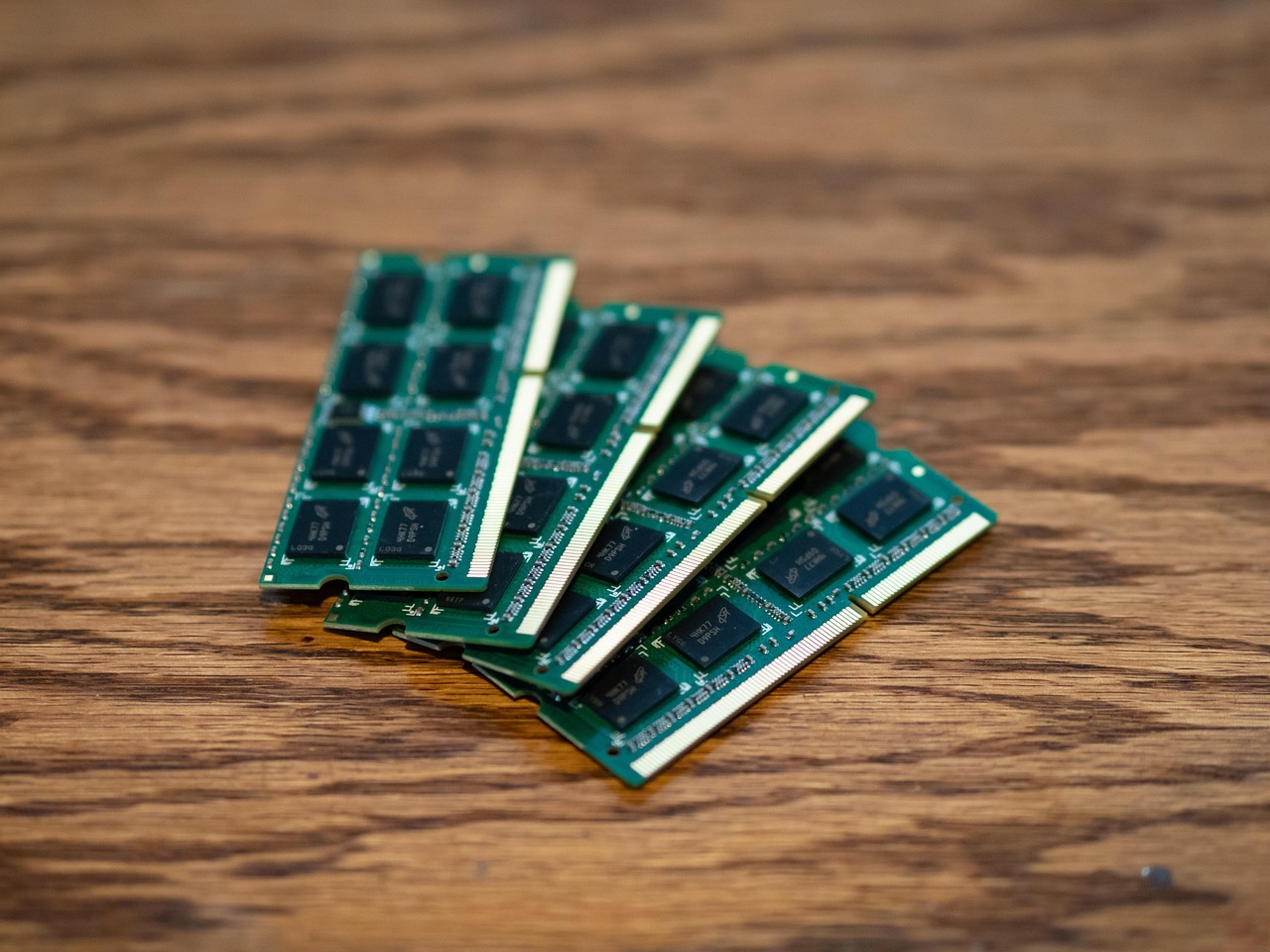
Apple Pushes for Access to Chinese-Made RAM as Global Memory Prices Surge
Apple is lobbying Washington to allow purchases of cheaper DRAM from China’s CXMT, which is on a US military-related entity list but not fully banned, as memory prices hit multi-year highs and supply
Intel’s Nova Lake 52-core chip pushes power limits — what the 474 W PL2 means for builders
Intel’s next-generation 52-core Nova Lake CPU can hit a 474 W PL2 power state, while the new LGA1954 platform introduces motherboard tiers and optional triple EPS connectors. Here’s what that means fo