
Apple Pushes for Access to Chinese-Made RAM as Global Memory Prices Surge
By Mag-Info Tech editorial · 2026-06-28
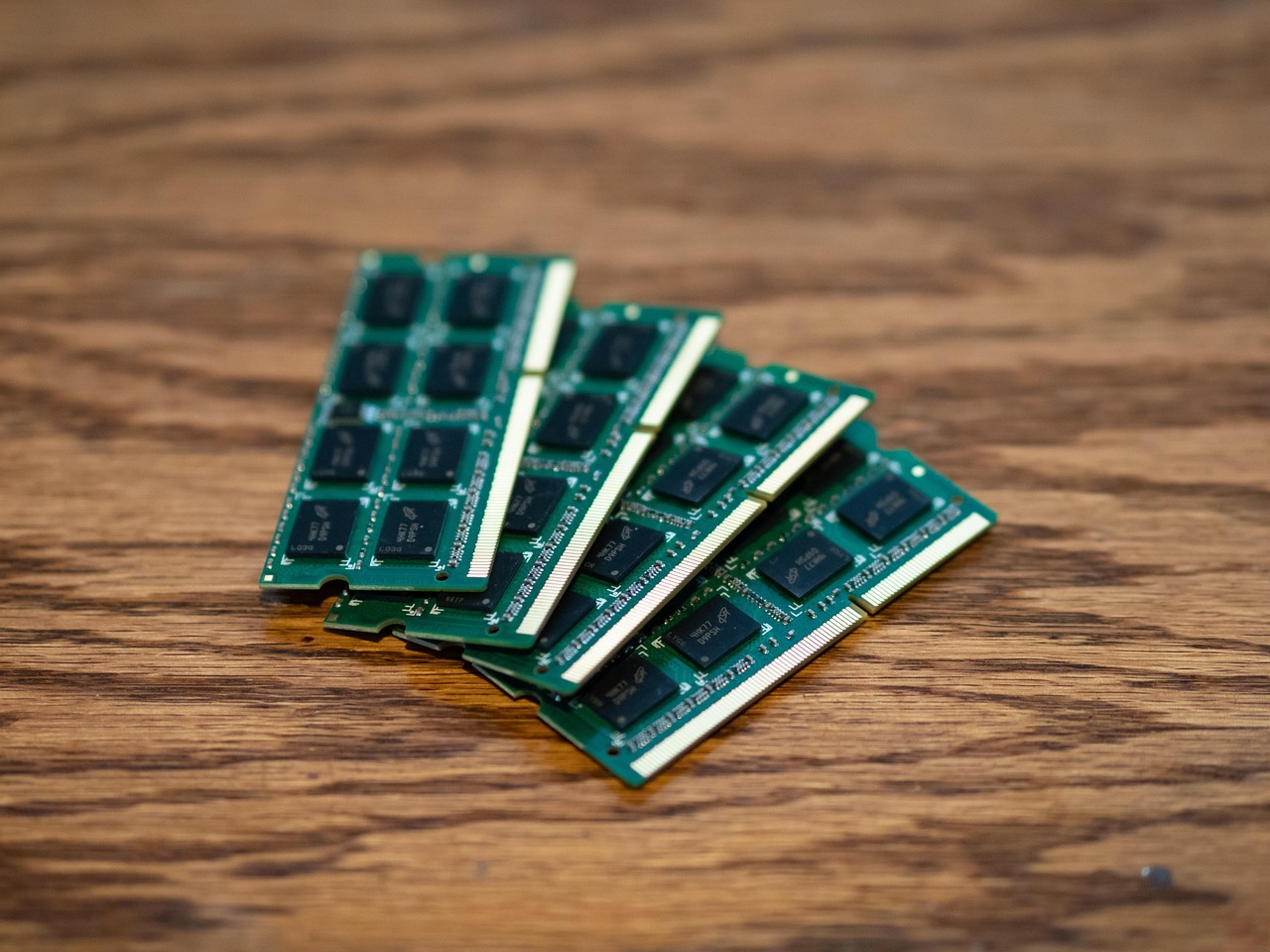
Apple is pressing the US government to grant permission for its suppliers to buy dynamic random-access memory (DRAM) from China’s ChangXin Memory Technologies (CXMT), according to reports. The move comes as global memory prices climb to multi-year peaks, raising costs for smartphones, PCs and servers. While CXMT is listed by Washington as a Chinese military company, it is not subject to a full ban, creating a narrow window for Apple to explore alternative supply sources. The request highlights the tension between cost pressures in the tech industry and US national security policies that restrict access to certain Chinese suppliers.
The request also underscores the growing difficulty Apple and other large tech buyers face in sourcing affordable memory components as the DRAM market tightens. In recent months, prices for DDR4 and DDR5 modules have risen sharply due to supply constraints, factory upgrades and increased demand from AI data centers and consumer devices. For a company like Apple, which sources components for hundreds of millions of devices annually, even small price increases can translate into hundreds of millions of dollars in additional costs. By seeking access to CXMT, Apple is signaling that it may be willing to navigate regulatory gray areas to maintain its cost structure and product pricing.
Why Memory Prices Are Rising and Why Apple Cares
Global DRAM prices have climbed steadily since late 2023, with contract prices for DDR4 and DDR5 increasing by double-digit percentages in the first half of 2024. Industry analysts attribute the rise to a combination of factors: reduced capital expenditure by major memory manufacturers in previous years, leading to tighter supply; increased demand from AI server deployments that require high-capacity memory; and seasonal stockpiling by device makers preparing for holiday sales. These price hikes are now rippling across the tech supply chain, affecting everything from flagship smartphones to enterprise servers.
For Apple, which ships hundreds of millions of devices each year, higher memory costs directly impact product margins and retail pricing. The company typically negotiates long-term supply agreements with memory producers such as Samsung, SK hynix and Micron, but these contracts are now being renegotiated at higher price levels. In this environment, even small cost reductions can be meaningful. Apple’s interest in CXMT suggests it may be exploring alternative suppliers to diversify its sourcing and reduce dependence on the three dominant DRAM vendors, particularly as US-China trade tensions persist and geopolitical risks grow.
CXMT’s Position: Listed but Not Fully Blocked
CXMT, headquartered in Hefei, China, is one of the few DRAM manufacturers outside of South Korea, the US and Japan with commercial production capacity. The company has been expanding its output of DDR4 and is ramping up DDR5 production, targeting data center and consumer markets. However, CXMT was added to the US Department of Defense’s list of “Chinese military companies” in 2020, a designation tied to concerns over technology transfer and national security risks. This listing restricts US entities from engaging in transactions with the company without government approval.
Despite the designation, CXMT is not on the US Entity List, which would impose a blanket ban on US companies from doing business with it. That leaves room for Apple—through its suppliers—to apply for licenses to purchase CXMT memory, provided it can demonstrate that the transaction does not pose a national security threat. The lobbying effort suggests Apple believes it can make a case for such approval, likely by emphasizing the commercial nature of the chips, their use in consumer devices, and the lack of sensitive US technology in the supply chain.
The Regulatory Tightrope: National Security vs. Supply Chain Resilience
The request puts the Biden administration in a difficult position. On one side, US policymakers are under pressure to reduce reliance on Chinese semiconductor suppliers and protect sensitive technologies. On the other, they are aware that global semiconductor supply chains remain fragile, and that excluding a major DRAM producer like CXMT could further destabilize prices and availability. The administration has previously granted limited exceptions in other sectors, such as medical devices and certain consumer electronics, when no viable alternatives exist.
The outcome of Apple’s lobbying effort could set a precedent for how the US handles requests involving listed but not fully banned Chinese suppliers. If approved, it may encourage other tech giants to seek similar dispensations, particularly in memory and display components where Chinese manufacturing plays a significant role. Conversely, a rejection could signal a hardening stance, pushing companies to accelerate diversification efforts—potentially toward suppliers in South Korea, Japan or the US.
What This Means for Apple’s Supply Chain Strategy
Real results from MEFAI's AI. Get $50 off the Pro plan.
Sponsored · Past performance is not indicative of future results. Not financial advice.

Apple has long prioritized supply chain resilience, often maintaining multiple sources for critical components. While it has reduced exposure to Huawei and other Chinese suppliers in recent years, it has not completely exited the Chinese market. Memory chips are a particularly strategic area: unlike processors or modems, DRAM is largely commoditized, making it easier to substitute across vendors. Still, switching suppliers is not trivial. Designs, testing, qualification and long-term contracts all require time and investment.
If Apple secures approval to use CXMT memory, it would likely do so cautiously—initially in lower-tier products or specific regions to manage risk. Over time, the company could increase usage if the chips meet performance and reliability standards. However, the move would come with reputational and operational risks. Critics in Washington may view any engagement with a listed Chinese military company as a circumvention of national security controls. Meanwhile, customers and investors might question whether Apple is compromising its ethical sourcing commitments.
Broader Implications for the Global Memory Market
The potential entry of CXMT into Apple’s supply chain could have ripple effects across the global DRAM market. With Samsung, SK hynix and Micron controlling over 90% of the market, increased competition from a fourth major player could help stabilize prices in the long term. However, it could also trigger a price war or force incumbents to adjust their strategies, potentially accelerating consolidation or investment in new fabrication capacity.
For smaller device makers, CXMT’s involvement could offer more affordable memory options, helping them manage rising component costs. But it may also complicate procurement decisions, as buyers weigh the benefits of lower prices against geopolitical and regulatory risks. In the data center segment, where memory density and power efficiency are critical, the availability of alternative suppliers could influence server design and deployment decisions.
What to Watch Next: Licensing, Production and Policy Signals
The next few months will be critical. Apple’s suppliers are expected to file license applications with the US government, outlining the scope and purpose of the proposed purchases. The Commerce Department’s Bureau of Industry and Security (BIS) will review these applications under the framework of the Export Administration Regulations (EAR), focusing on national security risks, end-use verification and potential diversion to military applications.
Industry observers will also be watching CXMT’s production ramp. If the company can demonstrate stable yields, consistent quality and compliance with international standards, it may strengthen its case for broader market acceptance. Meanwhile, US policymakers may use Apple’s request as an opportunity to clarify or adjust their stance on Chinese memory suppliers, potentially issuing new guidance or tightening existing rules.
For tech buyers and suppliers, the situation highlights the need for proactive supply chain diversification. Companies should assess their exposure to single-source risks, evaluate alternative suppliers—even in politically sensitive regions—and prepare contingency plans. This includes building relationships with second-tier manufacturers, investing in inventory buffers and engaging early with regulators to navigate approval processes.
Practical Takeaways for Tech Buyers and Investors
- Diversify your supplier base now: Even if you’re not directly affected today, building relationships with alternative memory suppliers can reduce future exposure to price shocks or geopolitical disruptions.
- Monitor licensing trends: If Apple’s request is approved, expect other companies to follow suit, potentially opening new sourcing channels—but with regulatory conditions attached.
- Assess risk tolerance carefully: Using components from listed suppliers involves legal and reputational risks. Conduct thorough due diligence and consider third-party risk assessments before proceeding.
- Plan for longer lead times: Qualifying new memory suppliers can take 6–12 months. Start the process early, especially for high-volume products.
- Watch CXMT’s progress closely: If the company achieves stable production at scale, it could become a more viable option for global buyers, reshaping the DRAM landscape.
In the coming year, the tech industry will likely face continued volatility in memory markets, driven by geopolitics, demand shifts and supply constraints. Apple’s lobbying effort reflects a broader industry struggle to balance cost, innovation and compliance. Whether the request is granted or denied, the outcome will serve as a bellwether for how far companies can go in seeking alternative sources—and how much flexibility regulators are willing to allow in the name of economic and supply chain resilience.
More in Hardware & Gadgets

Mid-Range Gaming Laptop Breakthrough: RTX 5060 Meets Ryzen 7 Under $1,100
A new $1,099 laptop combines NVIDIA's RTX 5060 GPU with AMD's Ryzen 7 CPU and 32GB RAM, offering mid-range gaming performance with high-refresh displays and upgrade headroom.
Steam Machine Pre-Order Scalping Hits $3,000 as Resellers Flip Access for Double MSRP
Steam Machine pre-order reservations are being resold for up to 167% above Valve’s price, with 2TB models listed above $3,000 as scalpers target limited supply and high demand.
Intel’s Nova Lake 52-core chip pushes power limits — what the 474 W PL2 means for builders
Intel’s next-generation 52-core Nova Lake CPU can hit a 474 W PL2 power state, while the new LGA1954 platform introduces motherboard tiers and optional triple EPS connectors. Here’s what that means fo