
Intel’s Next-Gen Z970/Z990 Chipsets: Smaller Die, Higher Power, and What It Means for Builders
By Mag-Info Tech editorial · 2026-06-11
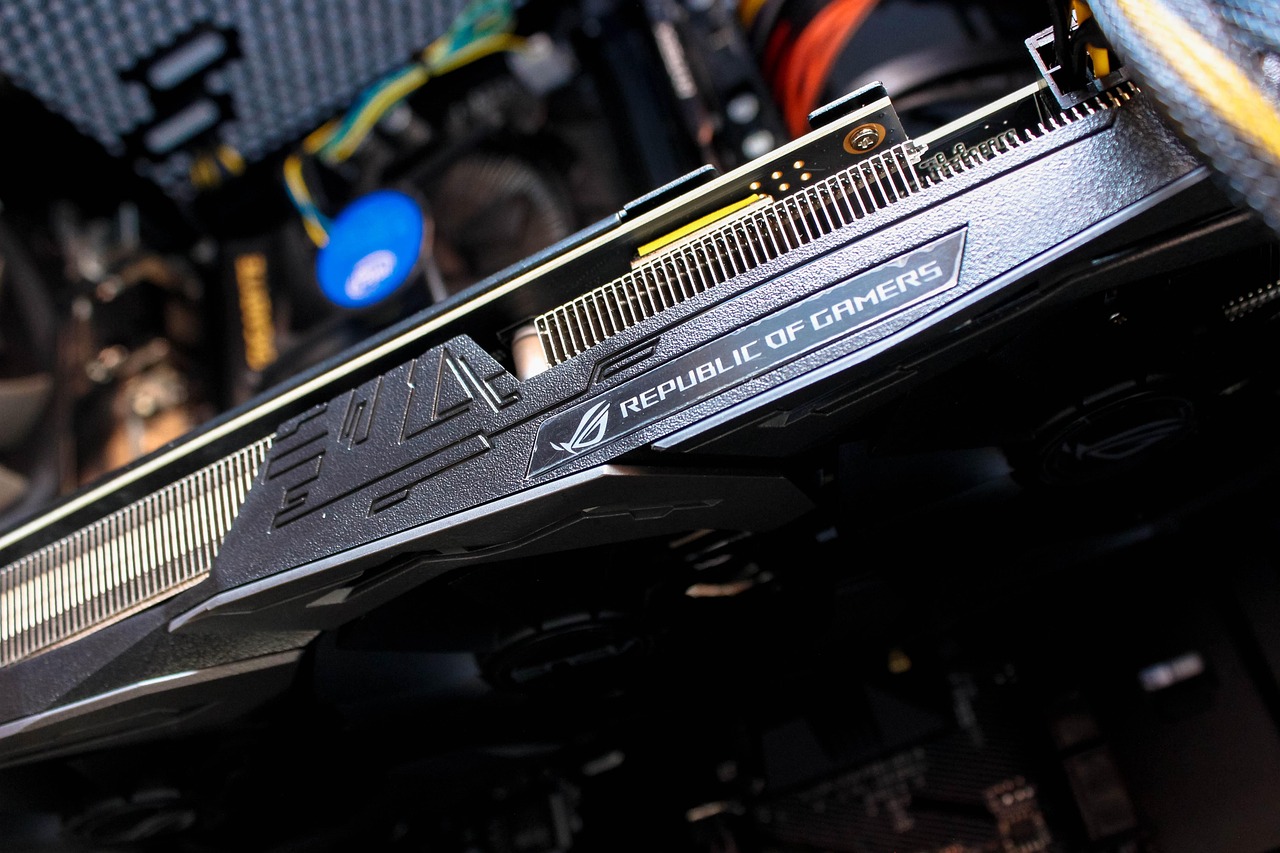
Intel’s next flagship desktop chipsets, the Z970 and Z990, are poised to introduce a counterintuitive change: despite a 22% reduction in Platform Controller Hub (PCH) size, their maximum power draw at peak load is expected to rise to 14 watts. This combination of compact packaging and higher power suggests that Intel is optimizing the PCH for Nova Lake CPUs while also preparing motherboards for greater I/O throughput—particularly through expanded PCIe 5.0 support. For PC builders and enthusiasts, these changes signal both opportunities and trade-offs in thermals, board design, and future upgrade paths.
Inside the Z990 PCH: A Smaller Footprint, More Bandwidth
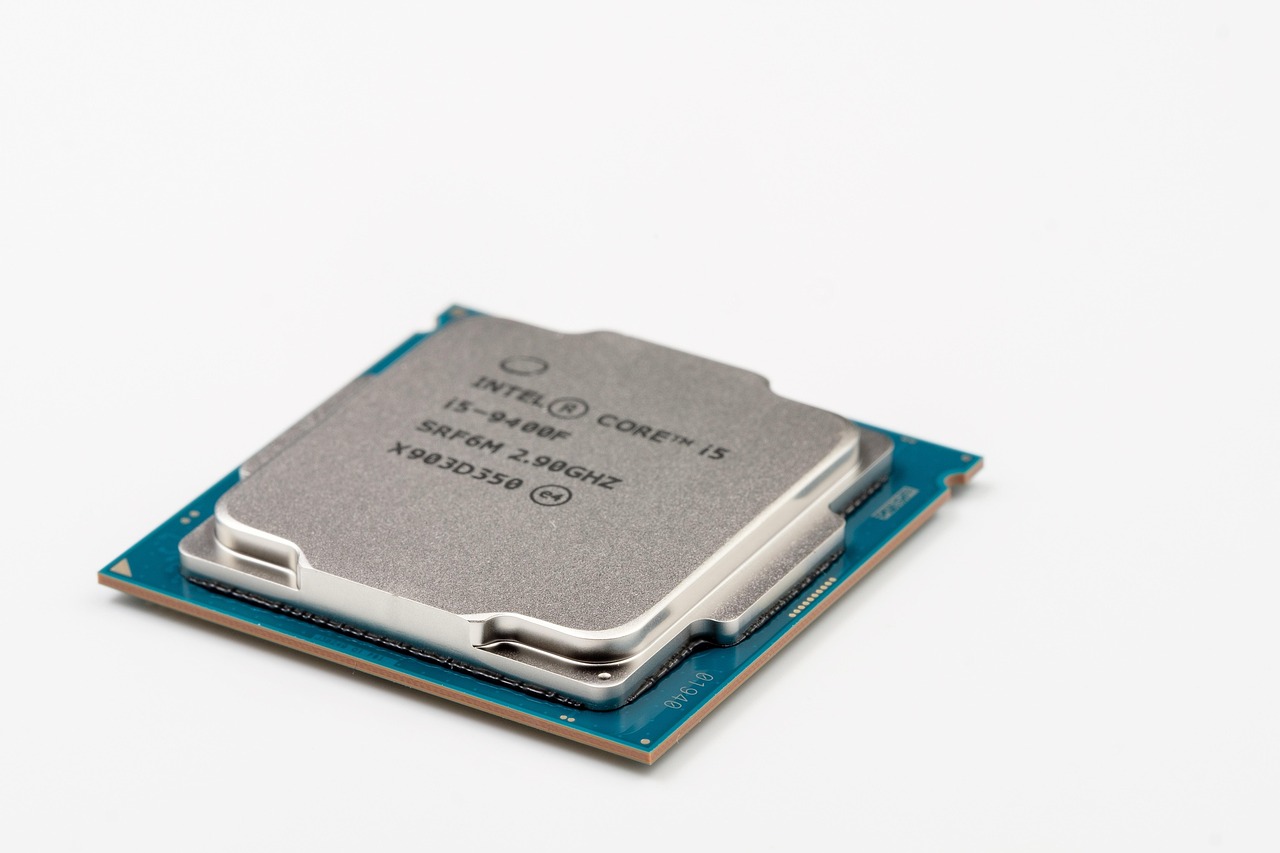
The Z990 chipset, which will power high-end Nova Lake motherboards, features a PCH die measuring 11.15 x 6.5 millimeters and a total package size of 25 x 24 millimeters. This represents a significant die shrink compared to its predecessor, the Z890, despite the increase in power draw. While the exact cause of the higher power consumption isn’t specified, industry observers point to expanded PCIe 5.0 lane allocation and additional connectivity features as likely contributors. These enhancements are designed to support faster storage, graphics cards, and potentially multiple high-speed NVMe drives—key requirements for next-generation desktop platforms.
The smaller die size is not merely a cosmetic change. In semiconductor design, reducing the physical footprint while maintaining or increasing functionality often reflects advances in process technology or architectural efficiency. However, in this case, the higher power ceiling complicates the narrative. A smaller chip typically generates less heat, but a 14W peak load—up from the Z890’s lower levels—indicates that Intel is prioritizing I/O bandwidth and future-proofing over pure power efficiency. This could mean that the Z990 PCH is handling more active circuitry or running at higher internal voltages to support its expanded role in managing PCIe 5.0 lanes and integrated controllers.
PCIe 5.0 Expansion: The Bandwidth Driver Behind the Power Spike
One of the most significant shifts in the Z970/Z990 generation is the increased support for PCIe 5.0 lanes. While the exact number of additional lanes has not been confirmed, the PCH’s higher power draw strongly suggests a substantial increase in PCIe 5.0 connectivity compared to previous generations. This expansion is critical for supporting next-generation GPUs, high-speed NVMe SSDs, and potentially Thunderbolt or USB4 controllers that rely on PCIe lanes for bandwidth.
For users, this means improved performance in data-intensive workloads such as video editing, 3D rendering, and large-scale file transfers. However, it also introduces new considerations for motherboard design. More PCIe 5.0 lanes require robust power delivery and thermal management, especially in compact or densely populated boards. The 14W peak power draw of the PCH suggests that Intel has designed the Z990 to handle sustained high-bandwidth operations without throttling, but this also means that motherboard vendors will need to allocate more PCB space for power delivery components and heat sinks around the chipset area.
Thermal and Board-Level Implications: What Builders Should Expect
The combination of a smaller PCH die and higher power draw presents a unique thermal challenge for motherboard manufacturers. A smaller chip can dissipate heat more efficiently due to its reduced surface area, but a 14W peak load means that the PCH could still run noticeably warm under heavy I/O loads. This is particularly relevant for small-form-factor (SFF) builds or systems with limited airflow, where chipset temperatures can rise quickly.
Motherboard vendors may respond by integrating larger or more efficient chipset heatsinks, or by redesigning the PCH power delivery to better manage transient loads. Some boards might also include active cooling solutions, such as small fans or heat pipes, to maintain stable operation during prolonged PCIe 5.0 transfers. For builders, this means paying closer attention to the thermal design of the motherboard, especially if they plan to use high-end GPUs or multiple NVMe drives that place additional load on the PCH.
Compatibility and Future-Proofing: Nova Lake and Beyond
The Z970 and Z990 chipsets are designed to support Intel’s Nova Lake desktop CPUs, which are expected to bring architectural improvements in performance and efficiency. The expanded PCIe 5.0 support in the PCH ensures that these motherboards can accommodate future GPUs and storage devices that require higher bandwidth. This forward-looking design is a strategic move by Intel to extend the usable lifespan of its platforms, allowing users to upgrade components without immediately needing a new motherboard.
However, the higher power draw of the Z990 PCH could limit compatibility with older power supplies or systems with marginal cooling. Builders should verify that their PSU can deliver stable 3.3V and 5V standby power, as the PCH’s increased load may draw more current from these rails during peak operation. Additionally, users upgrading from older chipsets like the Z790 or Z890 should check for BIOS updates and thermal clearance in their cases to ensure smooth operation with the new platform.





Real results from MEFAI's AI. Get $50 off the Pro plan.
Sponsored · Past performance is not indicative of future results. Not financial advice.

Real-World Performance: How the Z990 PCH Compares in Practice
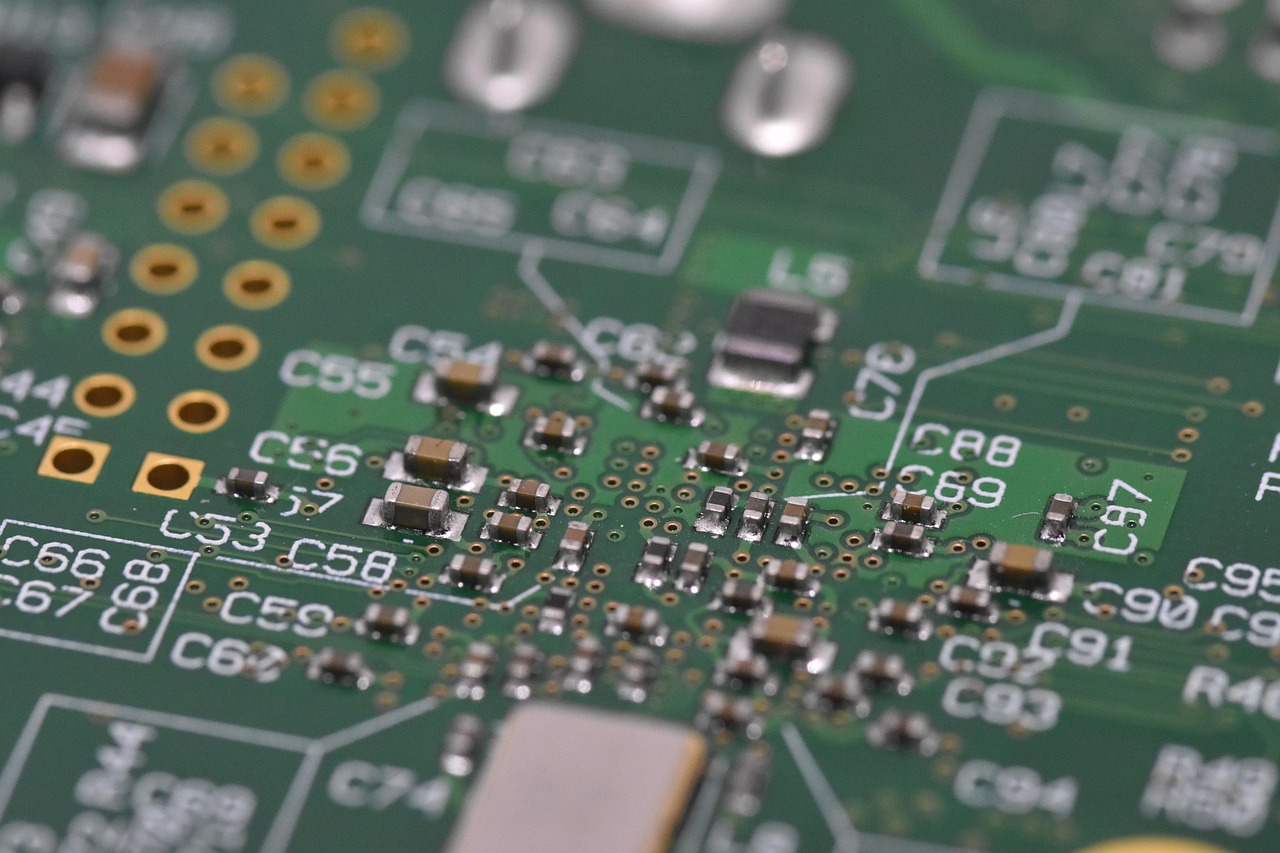
While the Z990’s power and size numbers are noteworthy, the real-world impact will depend on how motherboard vendors implement the chipset. A well-designed board with a robust VRM, adequate chipset cooling, and optimized PCB layout can mitigate many of the potential drawbacks of the higher power draw. Conversely, a poorly engineered board might struggle with thermals or power delivery, leading to throttling or instability during heavy workloads.
Early benchmarks and user reports, where available, will be critical in assessing the Z990’s performance in real-world scenarios. Enthusiasts should look for reviews that test sustained PCIe 5.0 transfers, NVMe RAID configurations, and multi-GPU setups to gauge how the chipset handles high-bandwidth workloads. Additionally, comparisons with AMD’s competing chipsets—such as the X670 or X870—will help users evaluate which platform offers the best balance of power efficiency, performance, and future-proofing.
What to Watch Next: BIOS, Drivers, and Market Rollout
As the Z970 and Z990 chipsets approach market release, several key developments will shape their adoption. First, motherboard manufacturers will need to finalize BIOS implementations that fully unlock the PCH’s capabilities, including PCIe 5.0 support and power management features. Early BIOS versions may have limitations or bugs, so users should check for updates shortly after purchase.
Second, the broader hardware ecosystem—including GPU, SSD, and peripheral manufacturers—will need to align with the new chipset’s capabilities. PCIe 5.0 SSDs and GPUs are still relatively niche, but their availability will grow as the Nova Lake platform matures. Builders planning to take full advantage of the Z990’s bandwidth should monitor the release of compatible components to avoid bottlenecks.
Finally, pricing and availability will play a crucial role in adoption. If the Z990 motherboards carry a significant premium over previous generations, users may opt to stick with older platforms unless the performance gains justify the cost. Conversely, competitive pricing could accelerate the transition to Nova Lake and the new chipsets, particularly among enthusiasts and content creators who prioritize cutting-edge I/O.
Practical Takeaways for Builders and Upgraders
For those considering a new build or upgrade, the Z970/Z990 chipsets offer compelling features but also require careful planning. If you’re targeting high-end performance with multiple NVMe drives, a next-gen GPU, or PCIe 5.0 SSDs, the Z990’s expanded bandwidth is a strong selling point. However, ensure your case has adequate airflow and your power supply can handle the chipset’s peak load.
If you’re building in a compact form factor or rely on a lower-wattage PSU, the higher power draw of the Z990 PCH may be a concern. In such cases, consider waiting for reviews that assess real-world thermals and stability under load. Alternatively, if you don’t need PCIe 5.0 today, a mid-range chipset with lower power consumption might offer better long-term value.
Lastly, keep an eye on BIOS updates and driver support. The Nova Lake platform is still new, and early adopters may encounter teething issues. A stable, well-supported motherboard will make the difference between a smooth upgrade and a frustrating experience.
In summary, Intel’s Z970 and Z990 chipsets represent a bold step forward in desktop platform design, balancing compactness with increased power and bandwidth. While the 22% die shrink and 14W peak load might seem contradictory, they reflect a deliberate strategy to support faster I/O and future-proof the platform. For builders, the key will be balancing these advancements with practical considerations like cooling, power delivery, and compatibility. As the Nova Lake ecosystem matures, the true impact of these chipsets will become clearer—but for now, they signal an exciting evolution in desktop motherboard technology.
More in Hardware & Gadgets
Framework Laptop 13 Pro Delay: What Early Buyers Need to Know
Framework postponed first Laptop 13 Pro shipments from June to July, with some units possibly shipping in early August, extending wait times for early buyers.
Iranian Shahed Drone Strikes US Army Apache Helicopter: Accidental Hit or Calculated Attack?
A US Army AH-64 Apache helicopter went down near the Strait of Hormuz after reportedly being struck by an Iranian Shahed drone, raising questions about intent, capability, and the vulnerability of rot
Apple Expands App Store Subscription Bundles to Include Multiple Apps and Services
Apple will let iPhone users buy single-bill bundles of subscriptions from different apps and services later this year, simplifying spending and potentially boosting app discovery.