Framework Laptop 13 Pro Delay: What Early Buyers Need to Know
By Mag-Info Tech editorial · 2026-06-11
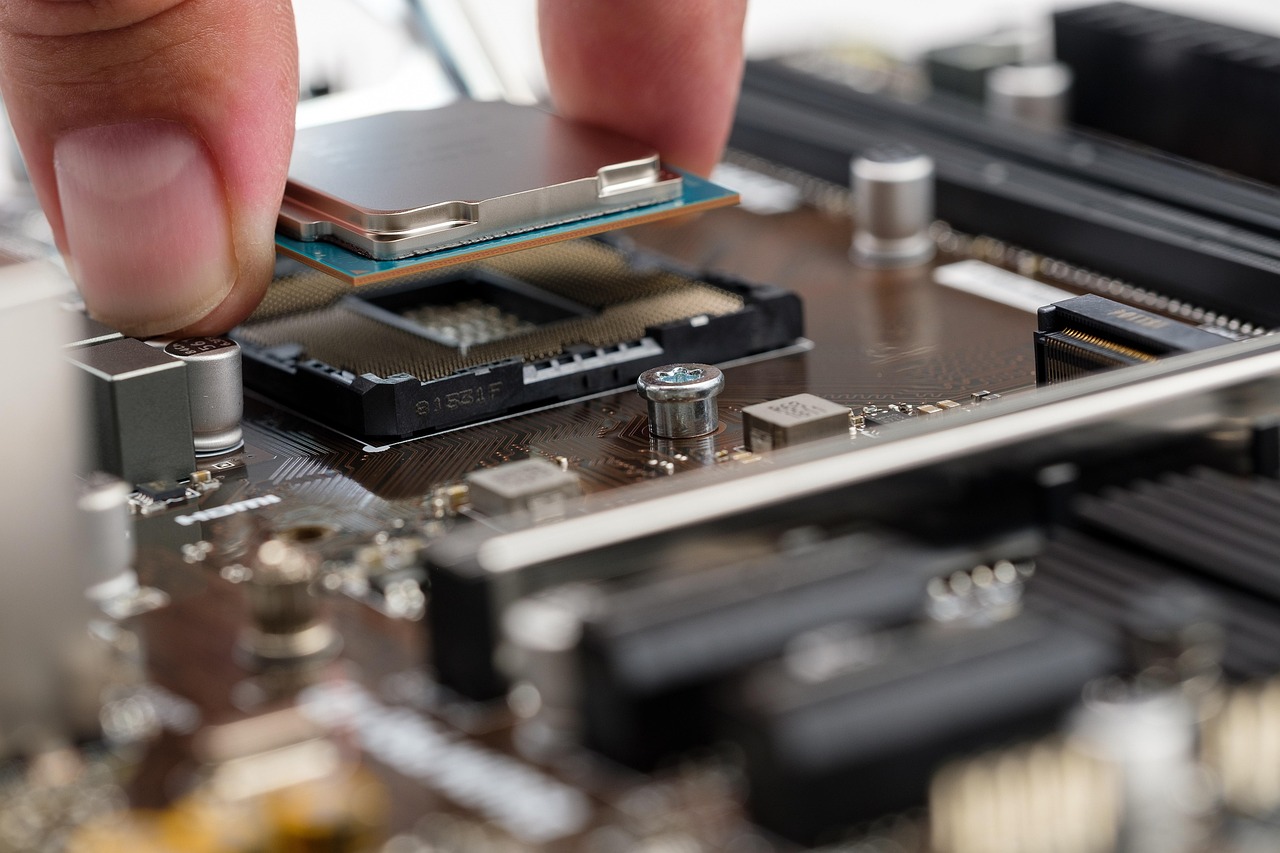
Framework’s decision to push back the first shipments of the Laptop 13 Pro from June to July — and possibly into early August — is a notable setback for a company that has built its reputation on modular design and transparent customer communication. The delay affects pre-order customers who expected devices in the first wave, forcing them to adjust plans and expectations. While delays in consumer electronics are not uncommon, especially for new product lines, Framework’s modular approach adds complexity to production and inventory management. The company’s modular philosophy, which allows users to swap components like RAM, storage, and even the mainboard, requires precise coordination between component suppliers and assembly partners. Any hiccup in the supply chain for custom parts can ripple through the entire production schedule, pushing back final assembly and testing phases.
The Laptop 13 Pro was positioned as a high-end, repairable alternative to mainstream ultrabooks, targeting developers, Linux users, and professionals who value customization and longevity. Its modular chassis enables users to upgrade core components over time, a feature that sets it apart in a market dominated by sealed, unibody designs. However, the modular architecture also introduces additional testing requirements. Each configuration — whether it includes an Intel Core Ultra processor, AMD Ryzen 7040-series CPU, or different memory and storage options — must undergo validation to ensure compatibility, thermal performance, and electrical stability. These tests are time-consuming and cannot be rushed without risking quality or reliability. The delay suggests that either component availability or the validation process took longer than anticipated, or both.
For early adopters, the shift from June to July is a disappointment, but not a deal-breaker. Framework has a history of keeping customers informed through detailed updates on its community forums and email newsletters. The company’s transparent communication style has been a key differentiator in the tech industry, where delays are often shrouded in vague statements. By acknowledging the delay early and providing a revised timeline, Framework is attempting to manage expectations and maintain trust. However, the possibility that some units may not ship until early August introduces uncertainty, especially for professionals who planned to use the device for summer projects or travel. Buyers should prepare for potential further delays and consider their immediate needs before making purchase decisions.
Why Did the Laptop 13 Pro Shipments Get Delayed?
The most likely cause of the delay is a combination of supply chain and validation bottlenecks. Framework’s modular design relies on custom-made sockets and hinges that connect the mainboard to swappable modules. These components are not standard off-the-shelf parts, which means they are produced in smaller batches and subject to tighter quality controls. If even one module type — such as the AMD Ryzen 7840U mainboard or the Intel Core Ultra 7 155H variant — experienced a production issue or failed certification, it could stall the entire first batch. Additionally, the company’s emphasis on repairability means that every unit must be tested not only for performance but also for ease of disassembly and reassembly. This adds several hours of manual labor per unit compared to traditional laptops, further extending the production timeline.
Another factor could be the availability of key components like memory modules and solid-state drives. While these are more standardized, Framework sources them in specific capacities and speeds to ensure compatibility with its modular system. A shortage of a particular RAM module or NVMe SSD could force the company to reallocate inventory or wait for replenishment, delaying fulfillment. The ongoing volatility in the memory market, driven by fluctuating demand from data centers and consumer devices, may have played a role. Framework’s reliance on multiple suppliers to avoid single points of failure increases operational complexity, but also means that any disruption at one supplier can have cascading effects.
Finally, the company may have intentionally slowed production to prioritize quality over speed. Framework has emphasized long-term reliability and sustainability, and rushing the first batch could lead to early failures or warranty claims that damage its reputation. By taking extra time to validate each configuration and refine assembly processes, the company may be laying the groundwork for smoother, higher-quality future shipments. This approach aligns with its mission to reduce electronic waste by enabling users to upgrade devices instead of replacing them entirely. However, for customers waiting for their orders, the delay is a tangible inconvenience that tests the company’s commitment to transparency and customer service.
What This Means for Early Buyers and Pre-Order Customers
Early buyers who placed orders during the initial launch window are now facing a longer wait than expected. Framework’s staggered shipping model — where customers are grouped into batches based on order date — means that those who ordered first will be among the first to receive devices, but not necessarily in June as originally promised. The shift to July means that some customers may receive their laptops just in time for summer conferences, academic semesters, or project deadlines, while others could be left waiting until the end of July or early August. This uneven distribution of delays can create frustration, especially if users have already made plans around the original delivery date.
For professionals who rely on their laptops for work, the delay could disrupt workflows, particularly for developers using Linux, designers running CAD software, or researchers processing large datasets. Many users chose the Laptop 13 Pro specifically for its modularity and compatibility with open-source operating systems, making it a critical tool for their daily tasks. A delayed delivery forces these users to either extend leases on current devices, borrow equipment, or use less powerful alternatives during the interim. While Framework offers refunds for customers who no longer wish to wait, the modular advantage of the device may not be easily replicated elsewhere, making cancellation a difficult decision.
Framework’s community forums and customer support channels are likely to see increased activity as users seek updates on their orders. The company has historically been responsive on these platforms, providing order status, troubleshooting advice, and replacement policies. However, the extended delay may test the patience of even the most loyal customers. Those who pre-ordered should monitor their email for official updates and consider reaching out to support if their expected shipping window passes without communication. It’s also wise to review the company’s refund and cancellation policy, which may allow buyers to opt out if the delay significantly impacts their plans.
How the Delay Affects Framework’s Business Strategy
The Laptop 13 Pro represents Framework’s most ambitious product to date, blending high-end performance with a strong sustainability message. The delay, while disappointing, does not fundamentally undermine the company’s long-term vision. In fact, it may serve as a stress test for its supply chain and operational model. Framework’s go-to-market strategy relies on pre-orders to gauge demand and fund production, which reduces the risk of overstocking. However, it also places financial and reputational pressure on the company to deliver on time. A prolonged delay could erode confidence among potential buyers, especially those considering the device for professional use.
From a competitive standpoint, the delay puts Framework in a challenging position relative to established brands like Apple, Dell, and Lenovo, which have more mature supply chains and established retail channels. These companies can often absorb production hiccups without major public impact due to their scale and brand recognition. Framework, by contrast, depends heavily on word-of-mouth and community-driven marketing. A delay could slow momentum in a market where timing and first impressions matter. However, Framework’s niche appeal — targeting developers, privacy advocates, and sustainability-minded consumers — may insulate it from broader market losses. These users are often more forgiving of delays if they believe in the product’s long-term value.


Real results from MEFAI's AI. Get $50 off the Pro plan.
Sponsored · Past performance is not indicative of future results. Not financial advice.

The delay also highlights the risks of a modular design in a market that prioritizes thin, lightweight, and sealed devices. While modularity offers clear benefits in terms of repairability and upgradeability, it complicates manufacturing, increases costs, and extends time-to-market. Framework must balance these trade-offs carefully. If the Laptop 13 Pro ultimately delivers on its promises — offering a powerful, repairable laptop with strong performance and long-term usability — the delay may be seen as a temporary setback rather than a fundamental flaw. However, if quality issues arise in the first batch, the company could face reputational damage that outweighs the benefits of modularity.
What to Watch Next: Supply Chain and Customer Support
The next few weeks will be critical for Framework as it navigates the first wave of Laptop 13 Pro shipments. Observers should watch for several key indicators: the percentage of orders that ship in July versus August, any official statements about component shortages, and customer feedback from early recipients. If a significant portion of the first batch ships in the first two weeks of July, it suggests the delay was primarily due to a bottleneck that has now been resolved. If shipments trickle in throughout the month or into August, it may indicate deeper supply chain or quality control issues.
Customer support responsiveness will also be a telling factor. Framework’s reputation for transparency will be tested as users seek clarity on order status, configuration options, and troubleshooting. The company’s ability to provide real-time updates and proactive communication will determine whether the delay becomes a minor hiccup or a lasting concern. Buyers should look for consistent messaging across email, forums, and support tickets, as well as clear policies on replacements or refunds for severely delayed orders.
Another area to monitor is the performance and reliability of the first units. Framework has emphasized durability and repairability, but the Laptop 13 Pro introduces new thermal designs, hinge mechanisms, and component configurations. Early users should report any issues with overheating, battery life, or module compatibility, as these could signal design flaws that need addressing. Framework’s modular ecosystem only works if every component — from the mainboard to the display module — functions reliably together. Any incompatibility or failure could undermine the product’s core value proposition.
Practical Advice for Potential Buyers
For those considering purchasing the Laptop 13 Pro, the delay is a reminder to weigh the benefits of modularity against the risks of early adoption. If you are a developer, Linux user, or IT professional who values repairability and long-term upgradeability, the Laptop 13 Pro may still be worth the wait. However, if you need a reliable device for daily work or travel in the near term, you may want to explore alternative options, such as refurbished business laptops or other modular systems that are already shipping. Keep in mind that Framework’s modular ecosystem is still evolving, and third-party modules are not yet widely available, which limits some of the device’s flexibility in the short term.
If you have already pre-ordered the Laptop 13 Pro, prepare for a longer wait and stay vigilant about updates from Framework. Sign up for order notifications, join the company’s community forums, and follow its official social media channels for the latest information. If the delay extends beyond early August, consider reaching out to customer support to discuss your options. Framework has historically honored refund requests for significantly delayed orders, but policies may vary based on region and order type. Document your communication and keep records of any promises made regarding delivery timelines.
Finally, if you are waiting for the Laptop 13 Pro to become available, monitor third-party resale platforms and refurbished markets. Early adopters who receive their units sooner may choose to sell or trade them, offering a way to obtain the device without waiting for Framework’s official shipments. However, be cautious of counterfeit units or inflated prices, especially for a product that is still gaining traction. Framework’s official store remains the safest place to purchase, with warranty and support guarantees that are difficult to replicate through unofficial channels.
The Bigger Picture: Modular Computing in a Sealed Market
The Laptop 13 Pro delay underscores a broader tension in the laptop industry: the push for sustainability and repairability versus the convenience of sealed, mass-produced devices. While companies like Apple and Microsoft prioritize thinness, battery life, and design uniformity, Framework is betting on a different model — one where users can repair, upgrade, and customize their devices over time. This approach aligns with growing regulatory and consumer pressure to reduce electronic waste and extend product lifespans. However, it also requires a fundamental rethinking of how laptops are designed, manufactured, and supported.
The success or failure of the Laptop 13 Pro will have implications beyond Framework’s immediate business. If the device proves popular and reliable, it could inspire other manufacturers to adopt modular designs, accelerating a shift toward more sustainable computing. If it stumbles — due to delays, quality issues, or high costs — it may reinforce the perception that modularity is a niche solution for enthusiasts rather than a mainstream alternative. Either way, the Laptop 13 Pro represents an important experiment in how technology can be made more durable, transparent, and user-centric.
For now, Framework’s customers and the broader tech community will be watching closely. The company’s ability to deliver on its promises, communicate openly, and address early issues will determine whether the Laptop 13 Pro becomes a landmark product or a cautionary tale. Regardless of the outcome, the delay serves as a reminder that innovation often comes with challenges — and that the most meaningful advancements are rarely delivered on schedule.
More in Hardware & Gadgets
Iranian Shahed Drone Strikes US Army Apache Helicopter: Accidental Hit or Calculated Attack?
A US Army AH-64 Apache helicopter went down near the Strait of Hormuz after reportedly being struck by an Iranian Shahed drone, raising questions about intent, capability, and the vulnerability of rot
Intel’s Next-Gen Z970/Z990 Chipsets: Smaller Die, Higher Power, and What It Means for Builders
Intel’s upcoming Z970 and Z990 chipsets reportedly shrink the Platform Controller Hub by 22% yet raise peak power to 14W, signaling a shift in motherboard design and power management for Nova Lake CPU

Apple Expands App Store Subscription Bundles to Include Multiple Apps and Services
Apple will let iPhone users buy single-bill bundles of subscriptions from different apps and services later this year, simplifying spending and potentially boosting app discovery.