
Intel’s Raptor Lake Next Arrives: What the 20-Core Refresh Means for Buyers and Builders
By Mag-Info Tech editorial · 2026-06-15

Intel’s desktop CPU roadmap is getting a mid-cycle refresh. Codenamed Raptor Lake Next, the upcoming lineup is expected to push the core count ceiling to 20 cores while retaining the Core 200-series branding familiar to budget-conscious builders. Early reports also point to a specialized 10-core part with 24 MB of L3 cache, suggesting Intel is fine-tuning its value stack rather than launching a generational leap. For consumers and system integrators, this means more performance headroom in the mainstream channel without the cost and complexity of a brand-new architecture.
The move also raises practical questions: will Raptor Lake Next sit on existing 600- or 700-series motherboards, and how will it compare with Nova Lake when that family finally arrives? These details will shape upgrade decisions and DIY build plans over the next 12–18 months. Below is a breakdown of what we know, what to expect, and how the refresh could affect pricing, compatibility, and real-world performance.
A 20-Core Flagship Extends the Raptor Lake Family
Rumors indicate that the top-end Raptor Lake Next model will feature 20 cores—8 more than the current flagship Core i9-14900K—while still using the Core 200-series naming convention. This suggests Intel is not introducing a new architecture tier but rather a performance binning exercise within the existing Raptor Lake silicon. Keeping the same branding simplifies retail positioning but may confuse buyers expecting a generational upgrade. For Intel, the strategy minimizes marketing spend and leverages existing supply chains, which can help stabilize margins during a period of slower PC demand.
The 20-core configuration likely pairs 8 performance cores with 12 efficiency cores, a ratio already established in Raptor Lake Refresh. This asymmetrical design allows the chip to balance heavy workloads with background tasks, a key selling point for content creators and multitaskers. However, the extra cores will only deliver tangible benefits if software can utilize them effectively. Legacy applications and older games may not scale beyond 8–12 threads, limiting the real-world impact of the 20-core SKU for many users. Buyers should weigh this against specific workloads—video editing, 3D rendering, or heavy virtualization—where thread density truly matters.
A 10-Core SKU with 24 MB L3 Cache Targets Value Buyers
In addition to the flagship, a 10-core Raptor Lake Next part is rumored to include 24 MB of L3 cache, a notable increase over standard configurations. This suggests Intel is carving out a niche SKU aimed at budget-conscious builders and prebuilt system vendors who prioritize cache-sensitive tasks such as gaming or light content creation. A larger L3 cache can reduce latency and improve frame rates in some titles, particularly those that rely heavily on texture streaming or asset loading.
For system integrators, a 10-core, 24 MB L3 part offers a cost-effective upgrade path for entry-level and mid-range systems. It could also serve as a replacement for aging Core i5-12400 or i5-13400 chips in OEM desktops, where power efficiency and thermal design are critical. However, the value proposition depends on pricing. If the 10-core SKU launches at a significant premium over existing i5 parts, it may struggle to gain traction in price-sensitive markets. Buyers should compare its performance-per-dollar against AMD’s Ryzen 7 7700 and Ryzen 5 7600 options, which already offer competitive cache sizes and efficiency.
Platform Compatibility: Will It Work on Existing Motherboards?
One of the most pressing questions is whether Raptor Lake Next will require new motherboards or remain compatible with existing 600- and 700-series chipsets. Given that Raptor Lake Refresh (14th Gen) used the same LGA1700 socket and 700-series chipsets, it is plausible that Raptor Lake Next will follow suit. This would allow users to upgrade from 12th, 13th, or 14th Gen Intel CPUs without replacing their motherboard or memory, a major convenience for DIY enthusiasts.
However, BIOS support will be critical. Motherboard vendors will need to release updated microcode and AGESA-compatible firmware to recognize the new SKUs. Users on older 600-series boards may face limitations, such as reduced memory speeds or disabled features like PCIe 5.0. Those on 700-series boards are more likely to receive full support, especially if the refresh uses the same Raptor Cove cores with minor optimizations. Prospective buyers should check their motherboard manufacturer’s update schedule before committing to an upgrade.
Performance Expectations: Incremental Gains Over Raptor Lake Refresh
Based on the core count bump and rumored cache increases, Raptor Lake Next is expected to deliver modest single-thread and multi-thread performance gains over the 14th Gen lineup. The additional cores will help in heavily threaded workloads, but clock speeds may remain similar to avoid thermal throttling. This means gains in gaming and lightly threaded applications could be minimal, while productivity and content creation workloads may see more noticeable improvements.
Early benchmarks—if they surface—will likely show single-digit percentage uplifts in Cinebench R23 and Geekbench 6 compared to the Core i9-14900K. In real-world scenarios like video editing or 3D rendering, the extra cores may translate to faster export times, but only if the software is optimized for high thread counts. Gamers, on the other hand, may not see meaningful FPS increases unless they are CPU-bound in titles like Microsoft Flight Simulator or Star Citizen. For most users, the refresh may not justify an immediate upgrade unless paired with a compelling price cut.







Real results from MEFAI's AI. Get $50 off the Pro plan.
Sponsored · Past performance is not indicative of future results. Not financial advice.

Positioning Against Nova Lake: A Budget-Conscious Strategy
Raptor Lake Next appears designed to bridge the gap between Raptor Lake Refresh and Nova Lake, Intel’s next major architecture. By extending the Raptor Lake family, Intel can maintain shelf presence and revenue without waiting for Nova Lake’s launch, which is widely expected in late 2024 or early 2025. This strategy allows Intel to target budget-conscious buyers and OEMs who need reliable, cost-effective CPUs without the risk of early-adopter teething issues.
Nova Lake, when it arrives, is rumored to bring architectural improvements such as a new process node and potentially a shift to a tile-based design. If Nova Lake delivers significant efficiency and performance gains, Raptor Lake Next may serve as a placeholder for users who cannot wait or who prioritize affordability over cutting-edge features. For now, Intel’s focus seems to be on incremental refinement rather than revolution, a pragmatic approach in a market where PC sales growth has slowed.
Pricing and Availability: What Buyers Should Plan For
No official pricing has been confirmed, but industry analysts expect Raptor Lake Next to launch at price points similar to or slightly below the current 14th Gen lineup. The flagship 20-core model may retail around $550–$650, while the 10-core, 24 MB L3 SKU could fall in the $200–$250 range. These estimates are based on Intel’s historical pricing strategies and the need to compete with AMD’s Ryzen 7000-series offerings.
Availability is likely to begin in the second half of 2024, with staggered releases targeting OEM systems first and retail channels following later. Buyers should monitor motherboard manufacturer announcements and retailer pre-order pages for exact launch dates. Those considering a new build or upgrade should also factor in the cost of memory and storage, as DDR5 and PCIe 5.0 SSDs remain premium components. Waiting a few months for price stabilization or bundle deals could yield better overall value.
What This Means for Different User Groups
For DIY enthusiasts, Raptor Lake Next offers a low-risk upgrade path if it supports existing motherboards. The extra cores and cache could breathe new life into older systems, particularly for content creators. However, gamers should temper expectations, as the performance uplift may not justify the cost unless paired with a high-end GPU. Enthusiasts who already own a 13th or 14th Gen Intel CPU may find little reason to upgrade unless they need the additional threads for professional workloads.
For OEMs and system integrators, the 10-core SKU with 24 MB L3 cache presents an opportunity to refresh entry-level and mid-range desktops without overhauling the platform. This is particularly relevant for business and education markets, where cost and reliability are paramount. Integrators should evaluate thermal solutions and power delivery on existing designs to ensure compatibility with the new SKUs.
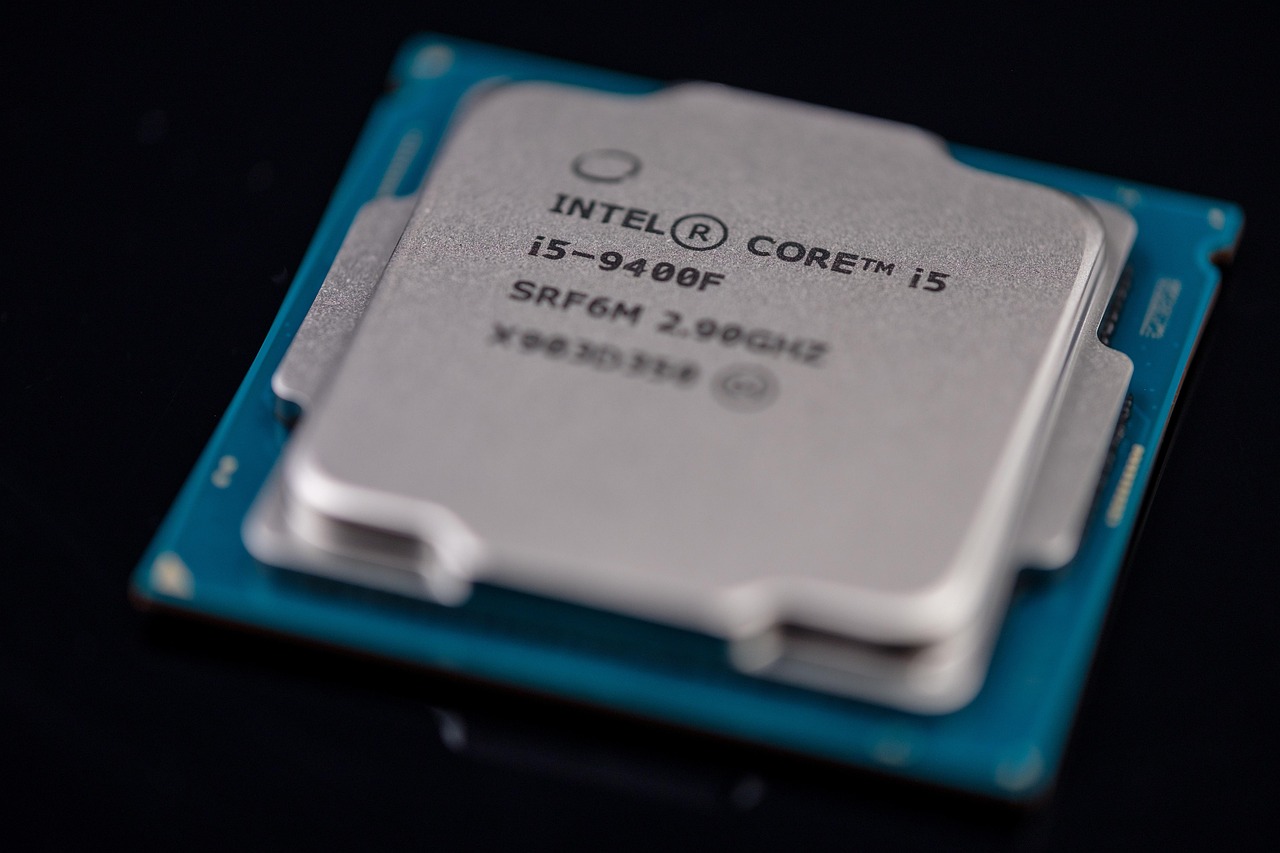
For budget-conscious buyers, Raptor Lake Next could offer the best value if priced competitively against AMD’s Ryzen 5 7600 and Ryzen 7 7700. A well-priced 10-core part with ample cache could outperform older Ryzen 5000-series chips while remaining within reach for cost-sensitive markets. Buyers should compare benchmarks and power consumption before making a decision, as efficiency can vary significantly between architectures.
What to Watch Next: Nova Lake and Beyond
The most critical development to monitor is the launch of Nova Lake. If Nova Lake delivers on its promises of architectural improvements and efficiency gains, it could redefine Intel’s desktop CPU lineup. Until then, Raptor Lake Next serves as a placeholder, offering incremental gains and platform stability. Users planning long-term builds should consider whether waiting for Nova Lake is worth the potential risk of early-adopter issues.
Another area to watch is motherboard support. If Raptor Lake Next requires new chipsets or BIOS updates that limit older boards, it could disrupt upgrade plans for some users. Motherboard vendors will play a key role in ensuring broad compatibility, so their update schedules should be closely followed. Finally, pricing will be a decisive factor—if Intel sets prices too high, AMD’s Ryzen 7000-series could continue dominating the mid-range and budget segments.
In summary, Raptor Lake Next is a pragmatic refresh rather than a revolutionary leap. It extends the life of the LGA1700 platform, offers more core options for different budgets, and keeps Intel competitive in the mainstream desktop market. Whether it delivers enough value to justify an upgrade depends on individual use cases, pricing, and the patience of buyers waiting for Nova Lake. For now, the focus remains on stability, compatibility, and incremental improvement—hallmarks of Intel’s mid-cycle refresh strategy.
More in Hardware & Gadgets
Intel’s 18A-P Process Enters Risk Production: What the Upgrade Means for Chips, Phones, and Data Centers
Intel’s enhanced 18A-P process has entered risk production, promising a 9 % performance gain at the same power and 40 % lower thermal resistance. This positions Intel to compete with advanced rivals a

Explosive-Drone Plot Against White House UFC Event Shows Drone Threats Are Escalating
The FBI says it stopped an alleged plot to use armed drones and snipers at a high-profile UFC event on the White House lawn, revealing how drones can turn into precision strike weapons and what that m
Snap’s AR Glasses Arrive: A $2,195 Gamble on Everyday Augmented Reality
Snap’s first consumer AR glasses, Specs, ship this fall for $2,195 with a $200 refundable preorder deposit and limited availability in the US and UK.