
How Crypto Mining Hardware Is Evolving in 2026: What Buyers Need to Know
By Mag-Info Tech editorial · 2026-06-10
What’s actually changing in mining hardware right now
The machines that power proof-of-work blockchains are no longer just faster iterations of the same design. In 2026, the most meaningful shifts are in power delivery, thermal design, and firmware-level efficiency rather than raw hashrate alone. Older air-cooled GPU rigs still exist, but they are increasingly niche because electricity costs now dominate total cost of ownership. Meanwhile, application-specific integrated circuit (ASIC) miners have moved beyond single-coin dominance, with multi-algorithm support baked into firmware so operators can chase the most profitable chain at any moment. For buyers, the key question is no longer “which unit is fastest?” but “which unit wastes the least energy per terahash while remaining flexible enough to adapt to network changes?” That framing separates the machines that will still be earning in 2027 from those that will be obsolete.
Regional energy policies and carbon-pricing rules are also reshaping hardware choices. Machines that can throttle or relocate compute load without losing efficiency now carry a premium, while units locked to a single power profile risk sudden shutdowns when grid operators curtail load. Vendors have responded by shipping firmware that exposes power-capping knobs and real-time telemetry, letting owners fine-tune runtime versus revenue. In practice, this means the best 2026-era rigs are not just hardware; they are hardware-plus-software packages that can be managed from a phone app or a cloud dashboard.
Air-cooled GPU rigs: when they still make sense
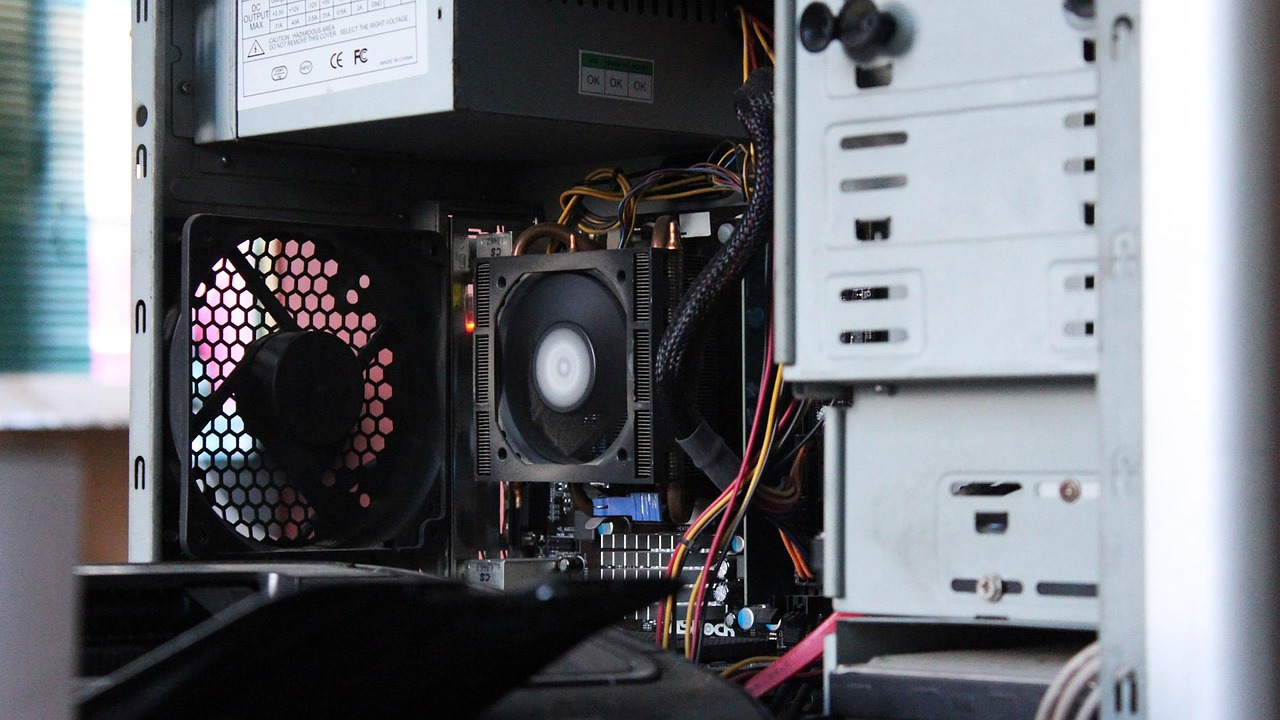
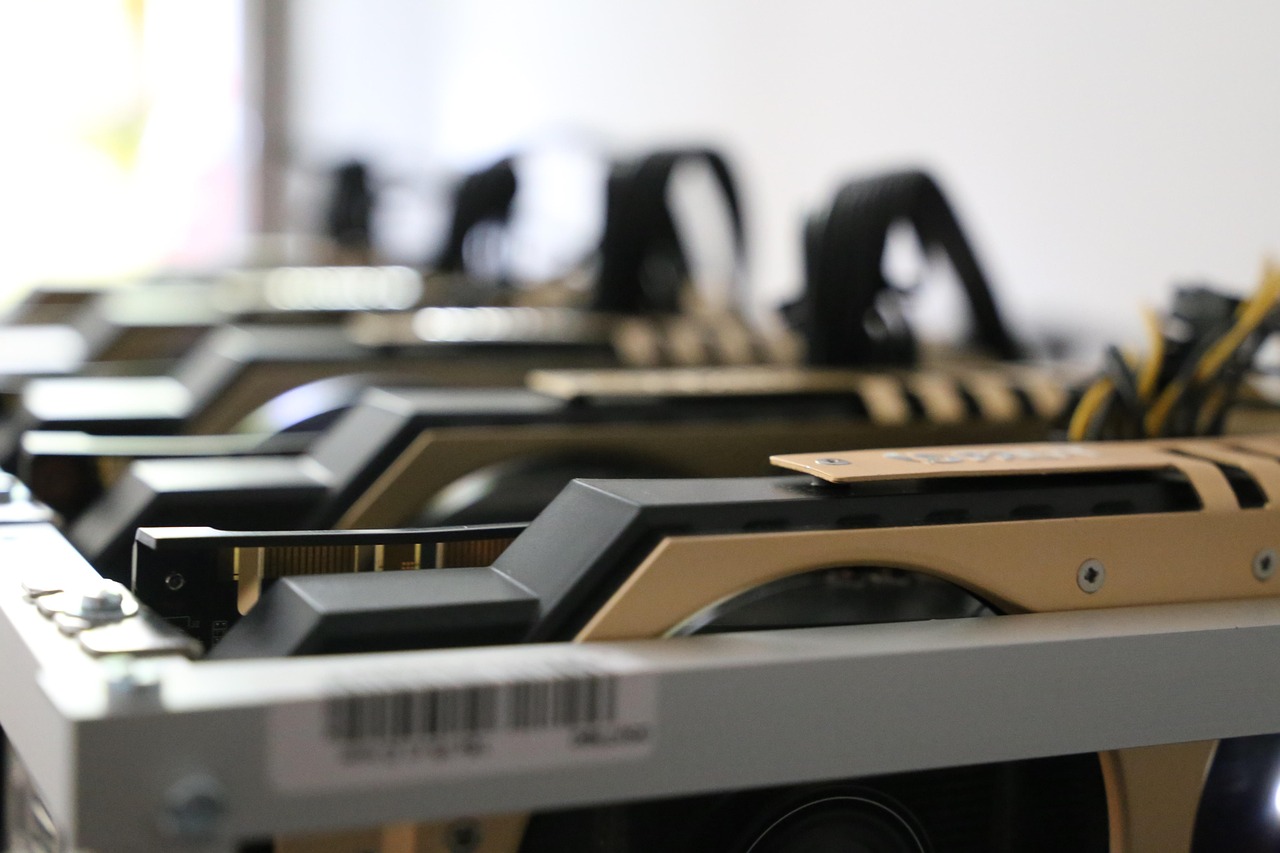
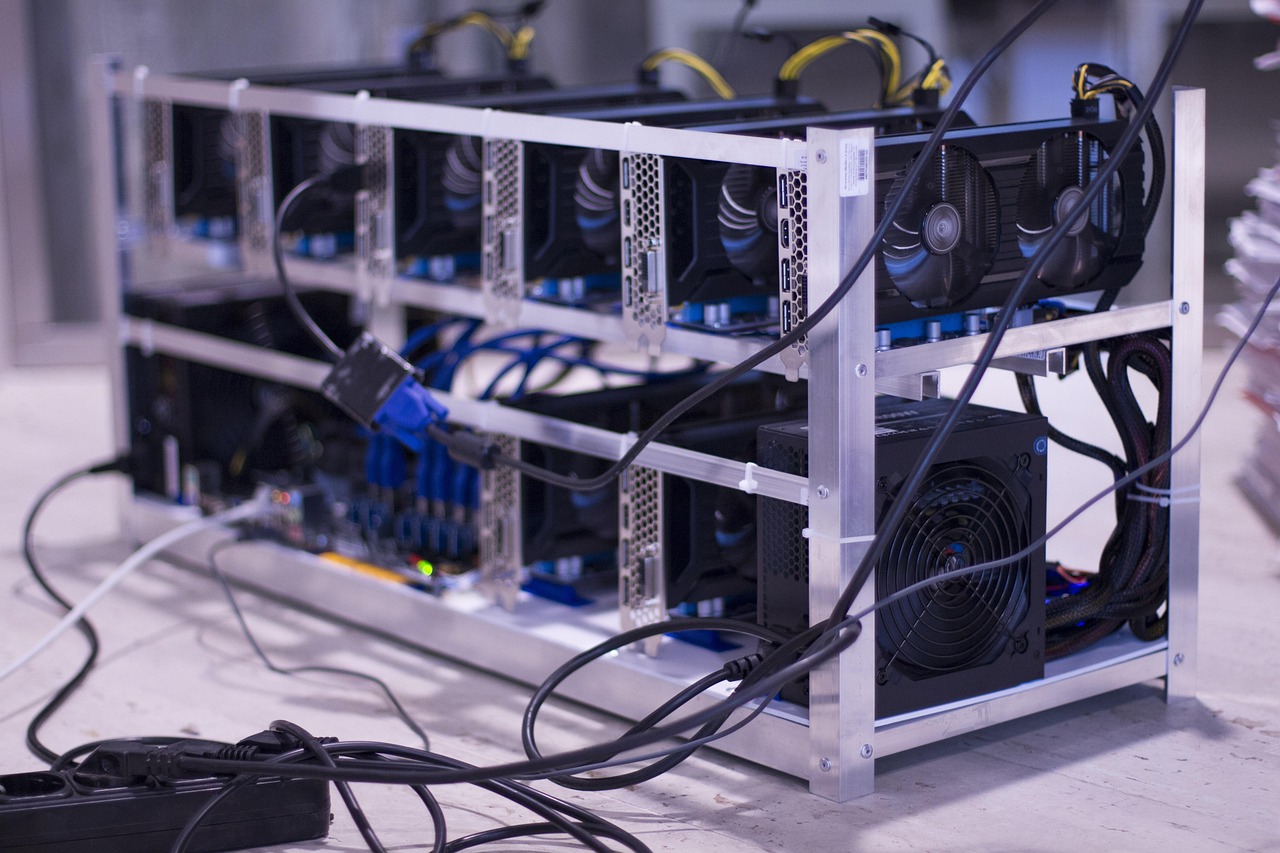
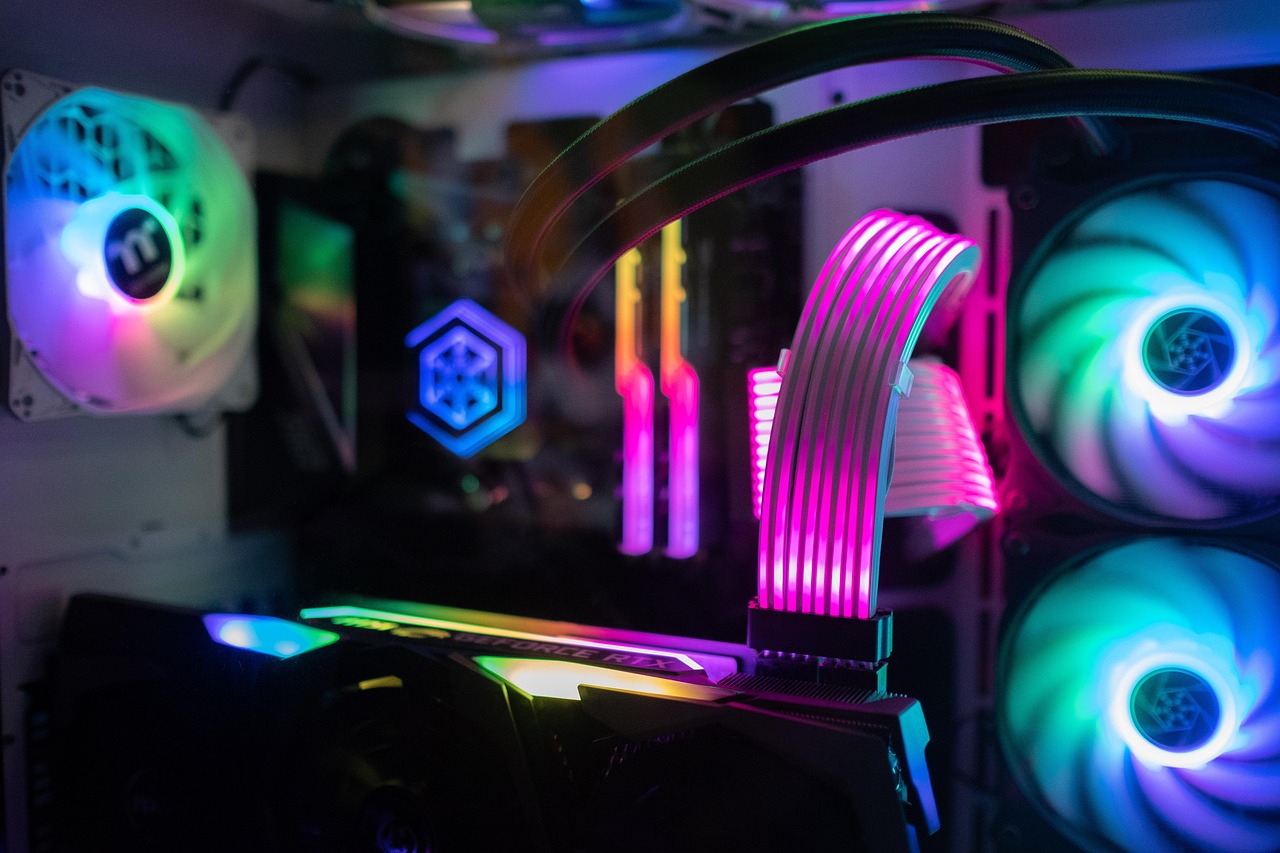
Air-cooled GPU mining is still alive, but it now serves a narrower set of use cases. The most common scenario is a small, quiet farm running in a residential garage or basement where noise and heat are deal-breakers. For these buyers, the practical choice is a stack of mid-range consumer GPUs paired with high-airflow cases and off-the-shelf power supplies rated for continuous operation. Brands like NVIDIA and AMD still sell cards marketed to miners, but the real differentiator is the aftermarket ecosystem: third-party risers, 12VHPWR breakout boards, and thermal pads that extend card life under sustained load.
Cost sensitivity is high in this segment, so buyers should prioritize cards with proven reliability and widely available warranty service. Overclocking headroom matters less than stable power draw and low failure rates, because a single dead GPU can idle an entire rig while its replacement ships. For anyone considering an air-cooled build today, the first step is calculating the local electricity rate and subtracting any local incentives for small-scale computing. If the net profit per GPU is below the cost of a dedicated ASIC lease, the project is unlikely to justify itself long term.
Immersion tanks and direct-to-chip liquid cooling: the new efficiency frontier
Liquid cooling has moved from exotic proof-of-concept to practical mainstream in 2026. The clearest sign is the rise of single-phase dielectric baths that can submerge entire GPU or ASIC boards without custom enclosures. These systems use off-the-shelf mineral oil or engineered fluids and eliminate the need for leak-proof custom tanks, cutting both capex and maintenance time. Vendors like GRC and Bitmain now ship “tank-ready” ASIC models with conformal-coated PCBs and sealed power connectors, reducing the risk of shorts in a mineral bath.
Direct-to-chip cold plates are also gaining traction for high-end ASIC farms. Here, each hash board mounts to a custom aluminum cold plate fed by a closed-loop chiller, allowing watts-per-hash to drop below 25 W/TH in favorable climates. The trade-off is higher upfront cost—chillers, manifolds, and leak sensors add thousands to a deployment—but the payback comes from higher uptime and lower power draw during peak pricing periods. Buyers should insist on systems with redundant pumps, remote monitoring, and fail-safe shutdowns, because a chiller failure in a 500 kW immersion hall can wipe out an entire shift’s revenue in hours.
ASIC miners: the multi-chain, firmware-driven generation
Modern ASIC miners no longer target a single algorithm; they ship with firmware that can switch among SHA-256, Scrypt, EtHash, and newer proof-of-work schemes with a few clicks. Bitmain’s 2026 S19 series and MicroBT’s Whatsminer M50 family both expose this capability through companion apps that pull live pool profitability data and auto-switch chains every few hours. The practical effect is that owners can chase the most profitable coin on a given day without physically touching the hardware. For buyers, the key spec is now “algorithm coverage” rather than raw TH/s, because a miner that supports twice as many algorithms can stay profitable across more market cycles.
Thermal design remains the biggest differentiator. Newer ASICs use vapor chambers and graphene heat spreaders to keep junction temperatures lower, which translates to higher sustained clock speeds and longer component life. Noise levels have also dropped, with some models now marketed as “office quiet,” though buyers should still plan for dedicated, sound-dampened rooms. Warranty terms have tightened—most vendors now offer 15-month pro-rata coverage instead of 12 months—reflecting the higher reliability targets they need to hit in competitive markets. When comparing ASICs, insist on seeing real-world power draw at the wall under sustained load, not the theoretical minimum at the chip level.
Hosting and colocation: hardware decisions are now site-selection decisions
In 2026, the economics of mining are increasingly decided before the first rig is powered on. Hosting providers now publish “effective watts per terahash” numbers that include facility losses, cooling overhead, and network latency, giving buyers a single metric to compare sites. The best sites offer 1.10–1.15 facility overhead, meaning a 30 W/TH ASIC at the plug still draws about 33–35 W/TH once power distribution and cooling are accounted for. Cheaper or older facilities can push that multiplier above 1.30, erasing any hardware efficiency gains.








Real results from MEFAI's AI. Get $50 off the Pro plan.
Sponsored · Past performance is not indicative of future results. Not financial advice.

Location-specific factors also matter. Sites near renewable energy hubs can offer curtailment agreements that let miners idle during grid peaks, while sites in deregulated markets allow real-time power trading via blockchain-based demand-response platforms. Hardware longevity is another site factor: high humidity or dust levels can corrode boards faster, so buyers should insist on IP55-rated enclosures and active filtration in any long-term contract. In short, choosing hardware and choosing a site are now the same decision.
Power electronics: PSUs and PDUs that won’t bottleneck the rig
The weakest link in many 2026-era farms is the power delivery chain. Older PSUs with 80 PLUS Bronze efficiency can waste 8–10% of input power as heat, while cheap PDUs introduce voltage drop and phase imbalance. The new baseline is 80 PLUS Titanium or better, with active power factor correction and digital metering built in. For ASICs, high-voltage DC input (480 VAC or 600 VDC) is becoming common, reducing distribution losses and allowing thinner, lighter cabling. Buyers should insist on PSUs that can deliver rated wattage continuously at 40 °C ambient, not just at the 25 °C spec used by many vendors.
Redundancy is another must-have. Modern ASICs and GPU servers support dual power inputs, so pairing them with dual PDUs and automatic transfer switches keeps uptime high even during a mains failure. Look for PSUs with hot-swappable fans and gold-plated connectors; these details reduce long-term maintenance and lower the risk of arc faults. In multi-megawatt deployments, hardware-in-the-loop testing of the entire power chain before commissioning can catch hidden losses that would otherwise eat into margins for years.
Firmware and management software: the hidden layer that decides profitability
The most overlooked component of a 2026 mining stack is the management layer. Modern ASICs and GPU servers ship with companion apps that expose real-time hashrate, power draw, and temperature at the board level. More advanced platforms integrate with pool APIs, auto-tune voltage curves, and even predict the next difficulty adjustment to adjust clock speeds preemptively. The difference between a rig running stock firmware and one running a tuned management stack can be 5–15% in net earnings.
Security is now part of the value proposition. Mining management platforms now include role-based access, two-factor authentication, and signed firmware updates to prevent hijacking. Buyers should insist on platforms that support remote wipe and geofencing, because a compromised rig can be commandeered into a botnet within minutes. For large farms, centralized orchestration tools that push firmware, pool configs, and power policies across thousands of units are becoming standard. When evaluating hardware, ask vendors for a live demo of the management interface and confirm that it supports the operating systems and APIs your team already uses.
What to watch next: three trends that will shape purchases in 2027
First, expect more silicon-level power gating. Vendors are integrating low-power modes that can drop idle ASICs to sub-5 W while still maintaining network synchronization, letting miners monetize otherwise wasted cycles during low-price periods. Second, modular hash boards are gaining ground. Instead of replacing an entire miner when a board fails, operators can swap individual boards in minutes, reducing downtime and spares inventory. Third, the line between mining and compute is blurring. Some 2026-era ASICs now expose general-purpose compute lanes alongside hash cores, allowing idle cycles to be rented out via decentralized compute markets when mining is unprofitable.
Regulatory shifts are also worth monitoring. Jurisdictions with carbon-border taxes may penalize older, less efficient hardware, effectively grandfathering in newer designs. Meanwhile, utility pilots for “behind-the-meter” mining—where excess renewables are converted directly into hashes—are expanding, creating new off-take agreements that reward low-latency, high-efficiency rigs. For anyone planning a purchase in late 2026, the safest bet is to buy hardware that can be firmware-upgraded to support new algorithms and power modes, ensuring it remains viable even if market conditions or regulations change.
Quick selection checklist: what to compare before you buy
Start by measuring your effective electricity rate, including all facility overhead, taxes, and curtailment penalties. Next, decide whether you need air cooling for noise-sensitive environments or liquid cooling for maximum efficiency. When comparing ASICs, prioritize algorithm coverage, sustained power draw at the wall, and warranty length. For GPU rigs, focus on card-level reliability, warranty availability, and aftermarket support. Regardless of choice, insist on Titanium-grade PSUs, dual power inputs, and a management platform with remote control and security features. Finally, model a 12-month cash flow that includes hardware depreciation, electricity inflation, and potential resale value—because the best hardware in the world is only as good as the numbers beneath it.
Bottom line
The mining hardware landscape in 2026 rewards operators who treat efficiency, flexibility, and site economics as a single system rather than a collection of parts. Air-cooled GPU rigs still have a place, but only when noise and scale constraints rule out ASICs. Immersion and direct-to-chip liquid cooling are no longer bleeding-edge; they are the new baseline for serious farms chasing every watt saved. ASIC miners have evolved into multi-chain, firmware-driven appliances that can pivot with market conditions, while power electronics and management software have become decisive factors in real-world profitability. The smartest purchases this year will be the ones that leave room to adapt—not just to the next coin, but to the next regulation, energy price spike, or technological leap.
More in Hardware & Gadgets

Prime Day’s Hidden Hardware Deals: What Tech Buyers Should Know
Prime Day drops prices on CPUs, GPUs, laptops and accessories — but not all discounts are equal. Here’s how to spot real savings and avoid gimmicks.

The 2026 Tech IPO Wave: What SpaceX, Anthropic and OpenAI Mean for Investors and the Market
Three high-profile tech companies—SpaceX, Anthropic and OpenAI—are preparing IPOs in 2026, reshaping public markets and testing investor appetite for AI and space hardware.
Nvidia’s Vera CPUs Head to China as GPU Sales Remain Constrained
Nvidia has told Chinese customers Vera CPUs could ship as early as August, offering an alternative as GPU sales remain frozen under export rules.