The 2026 Tech IPO Wave: What SpaceX, Anthropic and OpenAI Mean for Investors and the Market
By Mag-Info Tech editorial · 2026-06-13

The 2026 tech IPO calendar is shaping up to be one of the most consequential in a decade. After years of private-market dominance, three companies whose products range from rockets to reasoning engines are preparing to go public in the same window. SpaceX, Anthropic and OpenAI are not traditional software vendors—they build and operate physical systems, large-language models, and frontier AI research. Their upcoming public debuts are more than financing events; they are a stress test for how investors value companies that straddle hardware, AI infrastructure, and unproven revenue models. For founders, late-stage employees, and everyday investors, the outcome will influence what “going public” looks like in the 2020s.
What follows is an analysis of what these IPOs mean for different stakeholders, the key risks and opportunities, and what to watch as filings arrive.
The IPO Landscape in 2026: Why This Wave Is Different
The current IPO cycle is not led by social networks or mobile platforms. Instead, it is driven by companies whose core assets are either physical (rockets, data centers) or intangible (proprietary AI models, safety research). SpaceX manufactures and operates orbital launch vehicles and a growing satellite constellation. Anthropic builds large language models with a focus on constitutional AI and safety. OpenAI operates both a research lab and a consumer-facing product suite built on its models. Together, they represent a new archetype: the vertically integrated AI-hardware conglomerate.
Historically, hardware companies went public after achieving consistent revenue and profitability from product sales. AI-first companies, by contrast, have relied on venture funding and have not always monetized at scale. The 2026 cohort is attempting to bridge that gap—going public while still in heavy investment phases. This creates a unique set of expectations for public-market investors. Revenue growth is expected to be rapid, but profitability remains uncertain. Governance structures are non-standard, with dual-class shares and founder-led boards. The result is a market that must price companies not just on earnings, but on narrative—specifically, the promise of controlling foundational infrastructure for both AI and space access.
SpaceX: From Rockets to Public Markets
SpaceX’s IPO would be the first time a rocket company has gone public while still expanding its launch cadence and satellite internet rollout. The company’s Starlink division is now a material revenue driver, providing broadband from low Earth orbit. Starlink’s recurring revenue model contrasts with the episodic nature of launch contracts, offering investors a predictable cash flow stream. However, SpaceX is also heavily capital-intensive: it is building the next-generation Starship for Mars missions and expanding global coverage.
Investors will scrutinize two metrics: launch frequency and subscriber growth. SpaceX has demonstrated the ability to scale launches, but Starship remains unproven at full capacity. Regulatory risks around spectrum allocation for Starlink could also emerge as a wild card. For potential shareholders, the key question is whether SpaceX can transition from a high-growth startup to a cash-flow positive aerospace utility. If successful, it would redefine what a public space company looks like—moving beyond defense contracts and satellite manufacturing toward a vertically integrated space economy.
Anthropic: Pricing the Future of Safe AI
Anthropic’s IPO would mark the first public listing of a company whose primary asset is a large language model trained under a constitutional AI framework. Unlike traditional software vendors, Anthropic does not sell shrink-wrapped products; it licenses access to APIs and offers enterprise solutions built on its models. Revenue comes from usage-based pricing, which scales with customer demand. This creates a challenge for investors accustomed to subscription or perpetual licensing models.
One of the most debated aspects of Anthropic’s valuation will be its safety research. The company has positioned itself as the responsible alternative to faster-moving competitors. Investors will need to decide whether safety certification can be monetized—either through premium pricing, regulatory preference, or enterprise trust. Another risk is model performance: if a newer, faster model from a rival emerges, Anthropic’s differentiation could erode quickly. The IPO will test whether investors are willing to pay a premium for alignment research or whether they prefer raw performance at lower cost.
For enterprise customers, Anthropic’s IPO could bring more transparency into model behavior and governance. Public filings may reveal details about training data, safety evaluations, and incident response—information that has been closely held in the private era. This transparency could accelerate adoption among regulated industries like healthcare and finance.
OpenAI: From Research Lab to Platform
OpenAI’s path to public markets is complicated by its unique structure: it operates as a capped-profit company with a non-profit parent. Going public would require restructuring, potentially converting into a traditional corporation or spinning off parts of the business. OpenAI’s revenue is driven by API usage, consumer subscriptions, and partnerships with cloud providers. Its models power a wide range of applications, from coding assistants to creative tools.
The central question for investors is scalability. OpenAI’s models are among the most widely used in the world, but each inference carries a cost. If demand surges, margins could compress unless pricing power or efficiency gains offset usage growth. Another challenge is governance: the company’s mission-driven origins may conflict with public-market pressure for quarterly returns. Shareholders will want clarity on how profits are balanced with reinvestment in safety and long-term research.
OpenAI’s IPO would also be a referendum on the “platform thesis” in AI. If investors reward the company for controlling the stack—from models to consumer apps—they are implicitly endorsing the idea that AI platforms can achieve winner-take-most dynamics similar to cloud computing. If not, it could signal that AI value accrues to application layers rather than model providers.
Valuation Models: What Numbers Matter—and Which Don’t
Traditional software IPOs are often valued on price-to-sales or enterprise value-to-revenue. For SpaceX, investors may focus on revenue per active satellite subscriber and launch cadence. For Anthropic and OpenAI, price-to-gross-profit or price-to-usage-dollars could emerge as new metrics. Analysts are already debating whether to apply cloud-software multiples or aerospace-industrial multiples to these companies.
One emerging framework is “infrastructure value per watt,” a way to compare AI compute efficiency across providers. Another is “risk-adjusted return on capital,” which accounts for the high likelihood of delays or overruns in hardware programs. Investors should expect wide valuation ranges until filings are made public. The lack of comparable public companies means peer benchmarks will be loose, increasing the importance of narrative in pricing.
Regulatory filings will reveal capital intensity, runway, and burn rates—critical for understanding how long these companies can operate before needing additional capital. For retail investors, direct participation may be limited until shares become available on secondary markets or through brokerage IPO access programs.
Governance and Control: Who Really Runs the Company?
All three companies have non-standard governance structures. SpaceX is led by Elon Musk, whose control is reinforced through super-voting shares. Anthropic has a board with strong representation from safety researchers and external directors focused on responsible AI. OpenAI’s capped-profit model limits investor influence in exchange for mission alignment.
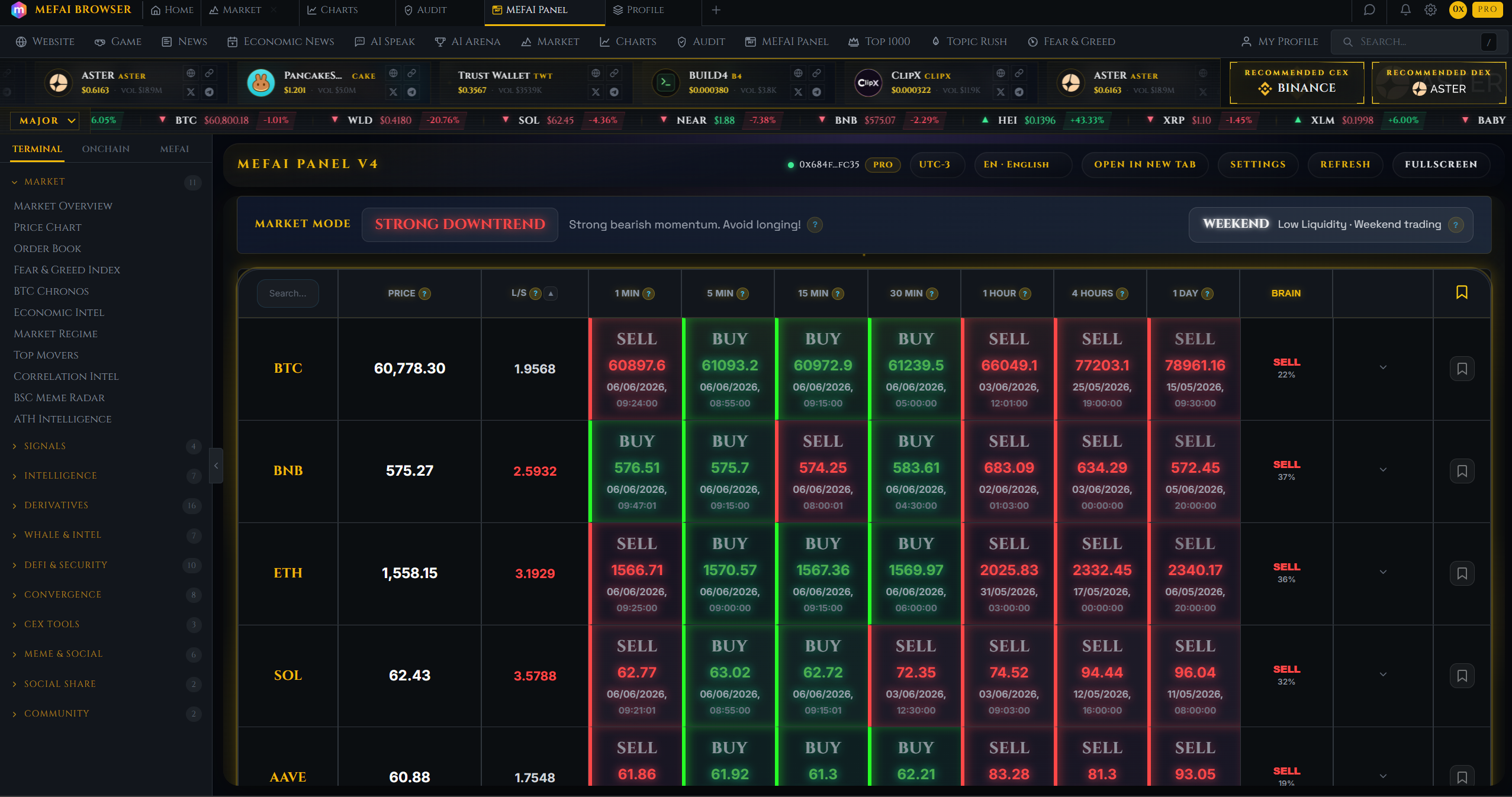
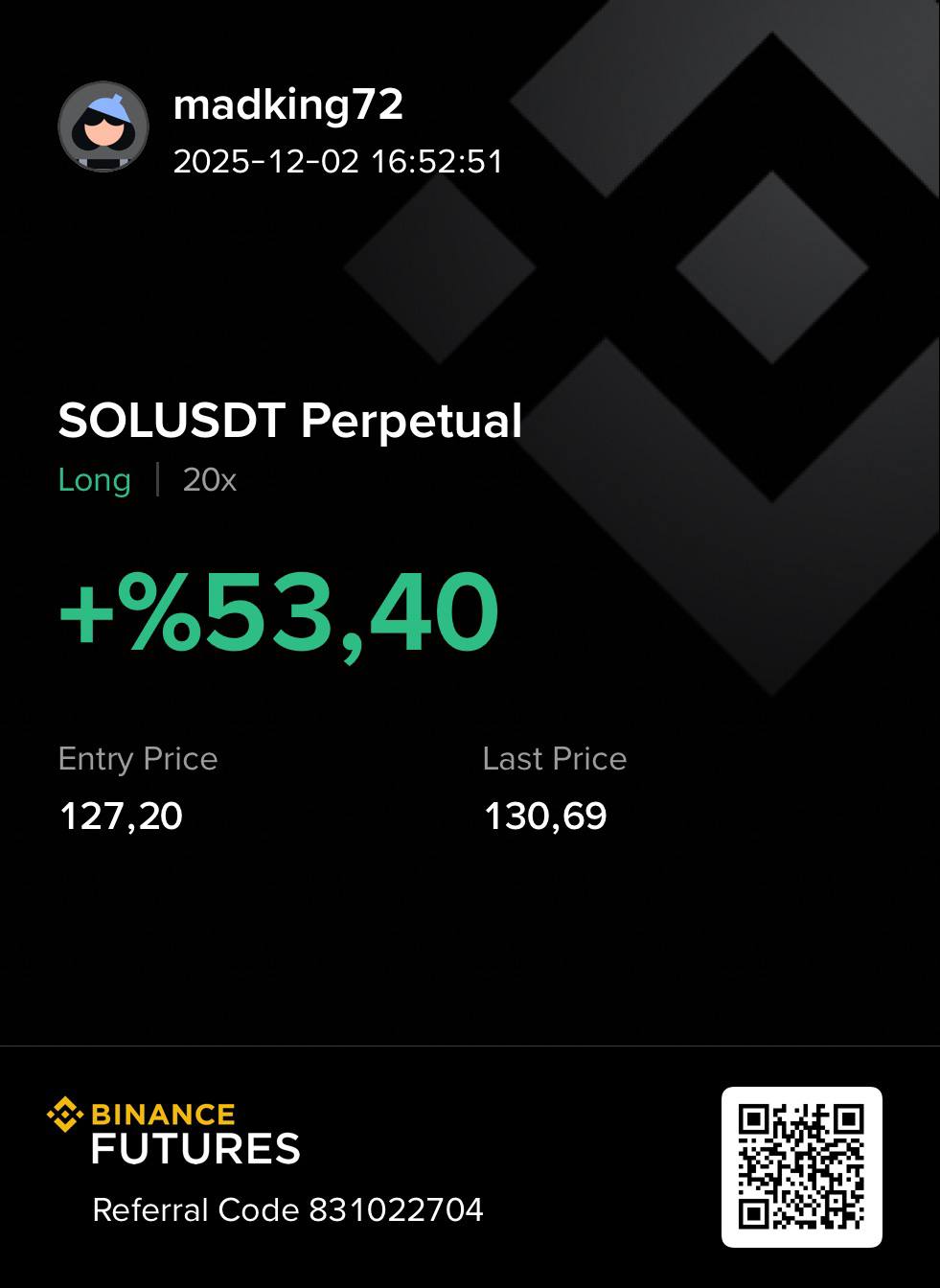
Real results from MEFAI's AI. Get $50 off the Pro plan.
Sponsored · Past performance is not indicative of future results. Not financial advice.

Public investors typically prefer clear accountability and independent oversight. These structures may deter some institutional funds that require standard governance. However, they also reflect the companies’ belief that long-term research and safety cannot be sacrificed for short-term profits. The IPO process will force these governance models into the spotlight, potentially leading to adjustments as companies seek broader investor appeal.
Founders and early employees may face lock-up periods, staggered voting rights, and board composition clauses that limit their ability to sell shares immediately. These terms are common in tech IPOs, but their visibility will be higher given the public interest in AI and space.
Market Timing: Why Now?
The IPO window opened in mid-2026 after a prolonged private-market correction in tech. Public investors are hungry for growth stories after years of high interest rates and valuation compression. AI has become a secular theme, with governments and corporations investing heavily in infrastructure. Space remains a high-profile frontier, with renewed interest in lunar and orbital economies.
For these companies, going public now allows them to raise capital at scale while maintaining control. It also provides liquidity for early investors and employees, many of whom have been waiting years for exits. The risk is that market sentiment could shift—geopolitical tensions, regulatory crackdowns on AI, or launch failures could dampen enthusiasm.
What to Watch in Filings and After
The first signpost will be the S-1 or F-1 registration statements. These documents will reveal revenue breakdowns, customer concentration, R&D spend, and capital requirements. Pay attention to:
- Starlink’s subscriber growth and churn for SpaceX
- Anthropic’s enterprise customer list and safety certification pipeline
- OpenAI’s API usage trends and model development costs
After the IPO, watch for quarterly commentary on unit economics. SpaceX may discuss Starship test milestones and regulatory approvals. Anthropic could update on model performance and alignment research. OpenAI may disclose partnership terms with cloud providers and application developers.
Equity research teams will likely introduce new valuation frameworks. Some may treat these companies as utilities—highly regulated, capital-intensive, with long payback periods. Others may see them as software platforms with network effects and scalable margins. The divergence in views will create volatility and opportunity.
Implications for Other AI and Space Companies
The success or failure of these IPOs will set a precedent. Companies like Mistral AI, Relativity Space, and Rocket Lab are watching closely. If SpaceX’s valuation holds up despite hardware risks, similar aerospace IPOs may follow. If Anthropic’s safety narrative commands a premium, other AI labs may emphasize alignment research in their pitch decks. If OpenAI proves that platform control translates to durable value, application-layer companies may pivot toward owning the full stack.
Conversely, a weak debut could chill the market for years. Investors may demand profitability earlier, or avoid companies with unproven technologies. This could push more startups to stay private longer or seek alternative capital structures, such as special purpose acquisition companies or direct listings.
Practical Takeaways for Investors and Founders
For retail investors, direct exposure may be limited until shares are available on secondary platforms. Consider ETFs that include exposure to aerospace or AI infrastructure if you want diversified exposure without single-company risk. For accredited investors, monitor pre-IPO secondary markets where shares may trade before the public debut.
Founders should prepare for increased scrutiny of unit economics and capital efficiency. Public markets reward clarity and predictability. If your company is considering an IPO, begin modeling scenarios around usage-based revenue, hardware margins, and regulatory timelines now.
For employees, understand your equity terms and lock-up schedules. Negotiate for clarity on post-IPO governance and board representation. The transition from private to public can be disorienting, especially in companies with strong founder cultures.
Finally, regulators will be watching. The SEC has signaled interest in AI-related disclosures, particularly around model risks and safety claims. Companies going public in 2026 should expect enhanced scrutiny of their risk factors and forward-looking statements.
Conclusion
The simultaneous IPOs of SpaceX, Anthropic, and OpenAI are more than a financing event—they are a referendum on the future of technology infrastructure. These companies sit at the intersection of AI and physical systems, where the rules of valuation, governance, and risk are still being written. Their success would validate a new model for public tech companies: high-growth, capital-intensive, and mission-driven. Their stumbles would remind investors that even the most promising technologies must eventually prove their economics.
For now, the market is watching. The filings will arrive, the roadshows will begin, and the debates will intensify. What is clear is that the 2026 IPO wave is not just about raising capital—it is about redefining what it means to be a public technology company in the age of AI and spaceflight.
More in Hardware & Gadgets

Prime Day’s Hidden Hardware Deals: What Tech Buyers Should Know
Prime Day drops prices on CPUs, GPUs, laptops and accessories — but not all discounts are equal. Here’s how to spot real savings and avoid gimmicks.
Nvidia’s Vera CPUs Head to China as GPU Sales Remain Constrained
Nvidia has told Chinese customers Vera CPUs could ship as early as August, offering an alternative as GPU sales remain frozen under export rules.

What the Latest Price-Match Policies Mean for Tech Buyers
Price-matching can save hundreds on laptops, TVs and headphones if you check policies before buying; here’s what six major tech retailers guarantee and how to use them.