
Common Mining Hardware Mistakes and How to Avoid Them
By Mag-Info Tech editorial · 2026-06-10
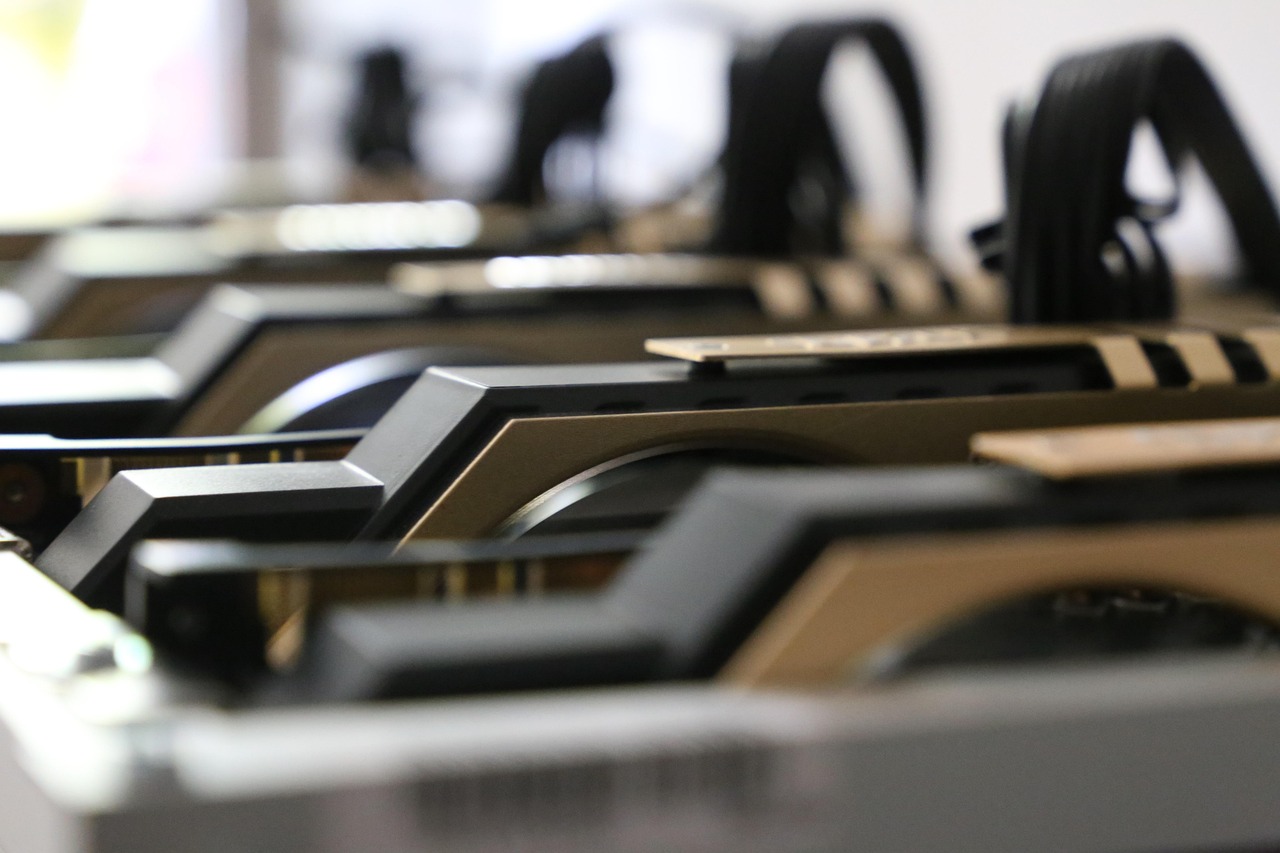
Overlooking power draw and electricity cost
The single largest expense in crypto mining is electricity, yet many buyers focus only on hashrate and upfront price. A rig that looks cheap on paper can cost far more to run than a slightly more expensive alternative once monthly power bills are added. Always calculate expected watts per hour and compare that to your local kilowatt-hour rate. If your rate is above the global average, energy-efficient models with lower thermal design power pay for themselves faster. Conversely, in regions with cheap or subsidized power, higher-power units can still be viable even if they have lower efficiency. The key is to plug your local electricity price into a mining calculator before you buy anything.
Another related mistake is ignoring power supply efficiency. A power supply that is 80 percent efficient at half load still wastes 20 percent of the energy you pay for. Buying a cheaper supply with lower efficiency can erase any savings from a lower purchase price. Look for units that are 87 percent efficient or higher and carry an 80 Plus Gold, Platinum or Titanium rating. These supplies cost more up front but reduce your long-term electricity spend, which is often larger than the hardware itself. Always pair the supply wattage with the rig’s maximum draw and leave a 20 percent headroom to avoid throttling and extend component life.
Chasing raw hashrate without considering coin profitability
High hashrate does not automatically translate to high profit. Many newcomers fixate on terahashes per second or gigahashes per second and ignore the coin’s current difficulty, block reward and market price. A 100 TH/s machine may mine Bitcoin at a loss while the same hardware earns a steady profit mining Ravencoin or Kaspa. Always check the real-time profitability tables for the specific coin you intend to mine and match the hardware’s hashrate to that profitability. Hardware that is excellent for Ethereum Classic may be mediocre for Monero, and vice versa. Use a mining calculator that lets you toggle coin, difficulty and electricity price so you can simulate different scenarios before you commit to a purchase.
Another pitfall is buying hardware optimized for coins that could change their algorithm or switch to proof-of-stake. For example, GPUs that excel at Ethash may become obsolete when Ethereum transitions fully to proof-of-stake. Look for hardware that supports multiple algorithms or coins with active development and community support. If you must buy for a single coin, ensure the project has a roadmap that does not include a sudden fork or algorithm change. Diversifying across coins with different algorithms can also reduce risk, but it requires hardware that can switch quickly and efficiently.
Ignoring cooling and thermal limits
Mining rigs generate significant heat, and inadequate cooling can throttle performance or damage components. Many buyers underestimate the thermal load of a multi-GPU or ASIC setup and place it in an enclosed space with poor airflow. Before you buy, measure the room’s ambient temperature and calculate the total BTUs your rig will output. Compare that to the cooling capacity of your ventilation or air conditioning. If the numbers do not align, plan to upgrade your cooling system or choose a lower-power rig that fits your environment.
Noise is another overlooked aspect of cooling. High-end fans and liquid cooling solutions reduce heat but can be loud enough to make a home office unusable. If you plan to run rigs in a living space, look for models with variable fan speeds, semi-passive modes or aftermarket quiet fans. Industrial mining farms often use soundproofed enclosures or remote locations precisely because noise is a practical constraint. Do not assume that a “quiet” marketing claim matches your own tolerance; listen to real user videos or visit a local mining meetup to gauge the actual noise level before you purchase.
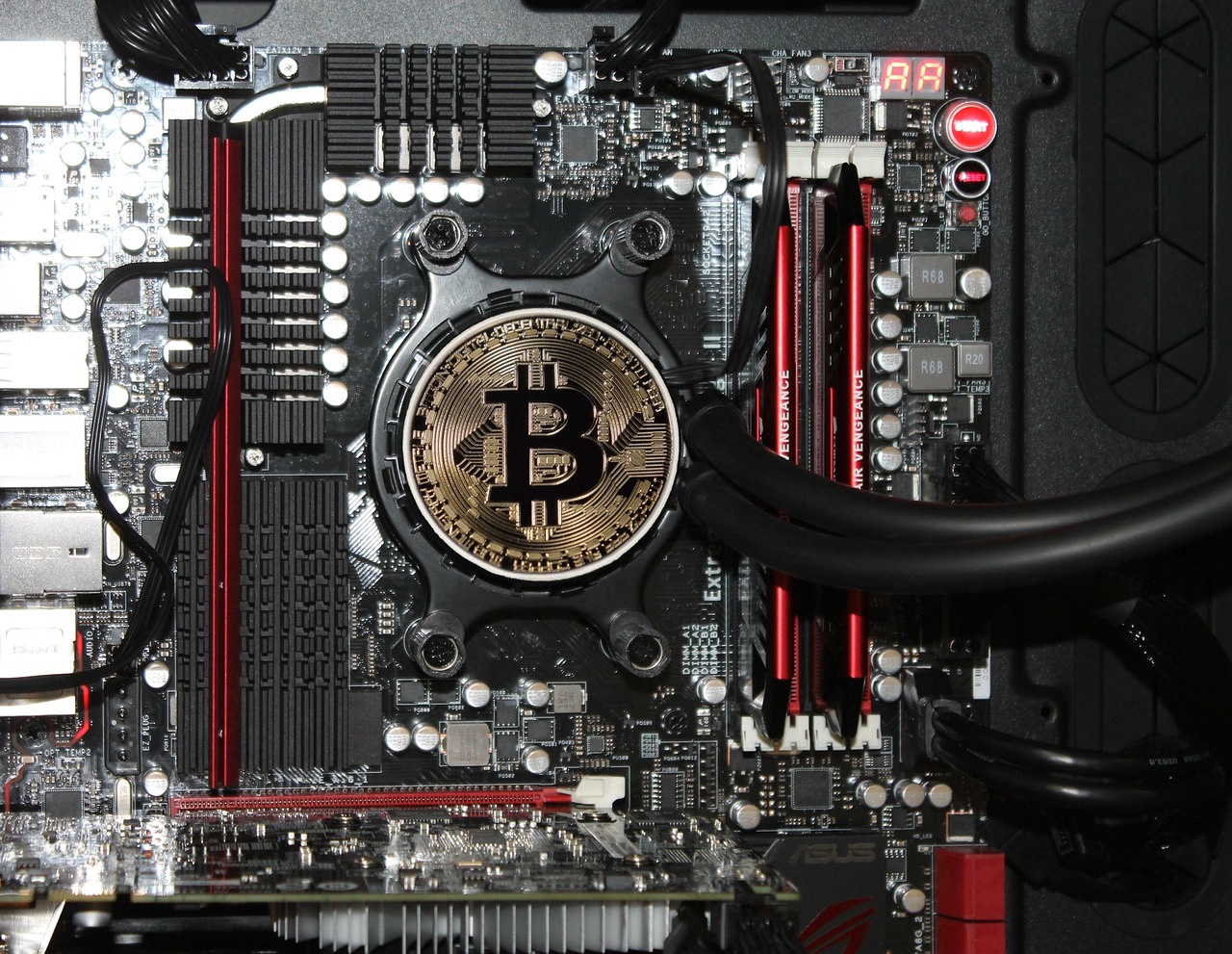
Buying without checking resale value and secondary market support
Mining hardware depreciates quickly, especially when new models or algorithm changes arrive. Many buyers discover too late that their chosen ASIC or GPU has little resale demand because it is outdated or tied to a dead coin. Before you buy, check the secondary market on platforms that specialize in mining gear. Look at completed sale prices for the same model over the past six months. If prices are falling rapidly, consider whether the hardware’s useful life justifies the investment. Some models hold value better than others because they are widely used, have strong community support or are still profitable on multiple coins.
Warranty and manufacturer support also affect long-term value. A unit with a short warranty or poor customer service can become expensive to repair if something fails during a market downturn. Prefer brands with at least a one-year warranty and accessible repair networks. Some manufacturers offer extended warranties or buy-back programs that cushion depreciation. If you plan to finance the purchase, check whether the lender accepts mining hardware as collateral and what happens if the unit stops being profitable. A low-interest loan on hardware with poor resale is effectively a high-interest loan once the rig’s value drops.
Underestimating space, power delivery and infrastructure
Space constraints are a frequent oversight. A multi-GPU rig can be as large as a refrigerator, and ASIC units often require dedicated shelving with specific clearances for airflow. Measure your intended location before you buy and compare it to the manufacturer’s footprint. If you plan to stack multiple rigs, ensure the floor or rack can support the weight and that power circuits are not overloaded. Many garages and basements lack dedicated 240-volt circuits, forcing the use of inefficient 120-volt outlets and extension cords that can overheat. Installing a proper 240-volt line with a dedicated breaker is safer and often cheaper than risking a fire or tripped breaker.
Power delivery infrastructure also includes circuit breakers, surge protectors and transfer switches. A single rig can trip a 15-amp breaker if it draws more than 12 amps continuously. Larger setups need dedicated circuits rated for continuous loads, and commercial-grade breakers are recommended to avoid nuisance tripping. If your area experiences grid instability, consider an uninterruptible power supply to protect against brownouts or sudden shutdowns that can corrupt mining software. These systems add cost but prevent lost hashrate and potential hardware damage during power events.
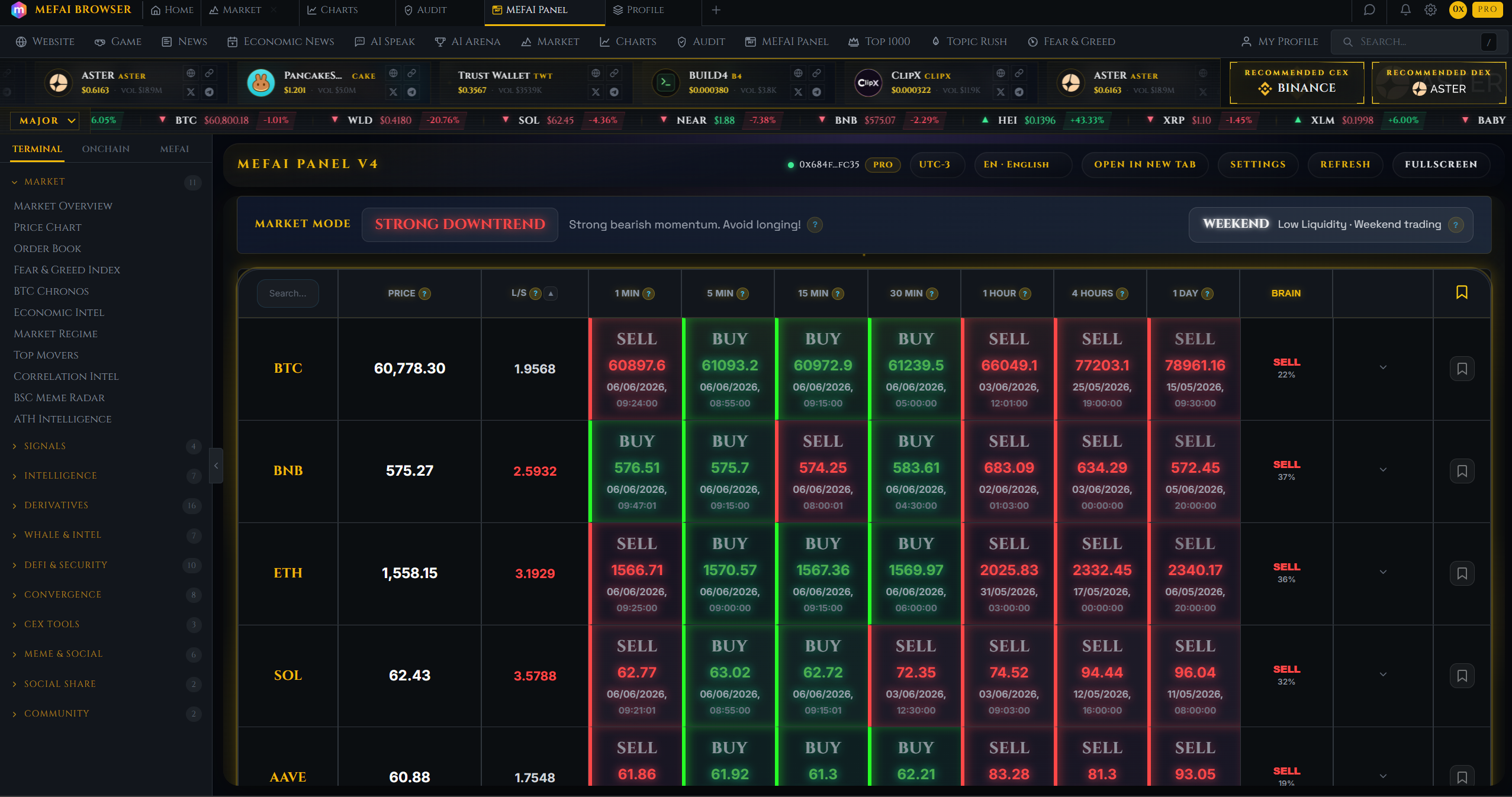
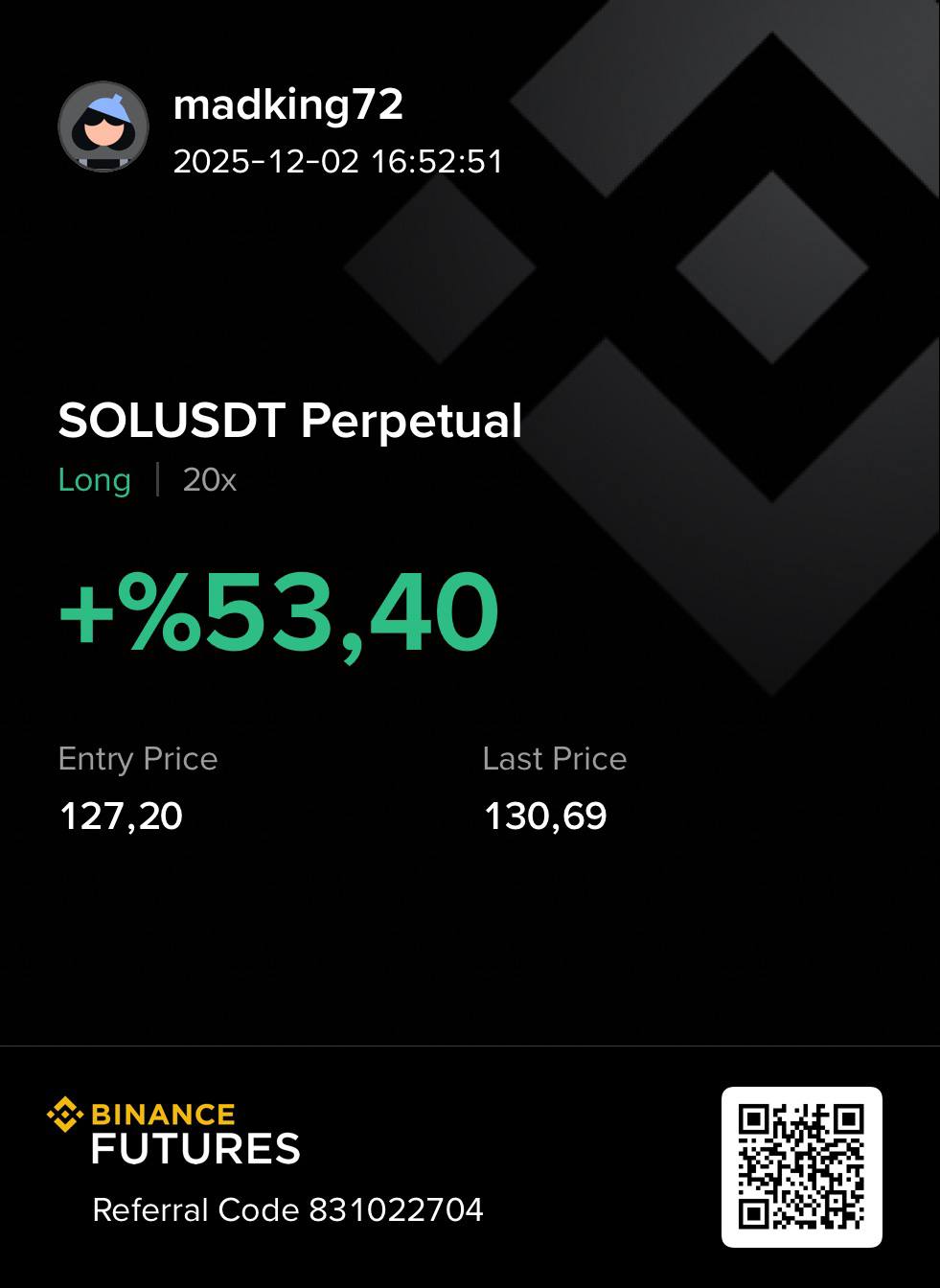
Real results from MEFAI's AI. Get $50 off the Pro plan.
Sponsored · Past performance is not indicative of future results. Not financial advice.

Selecting hardware that is difficult to repair or upgrade
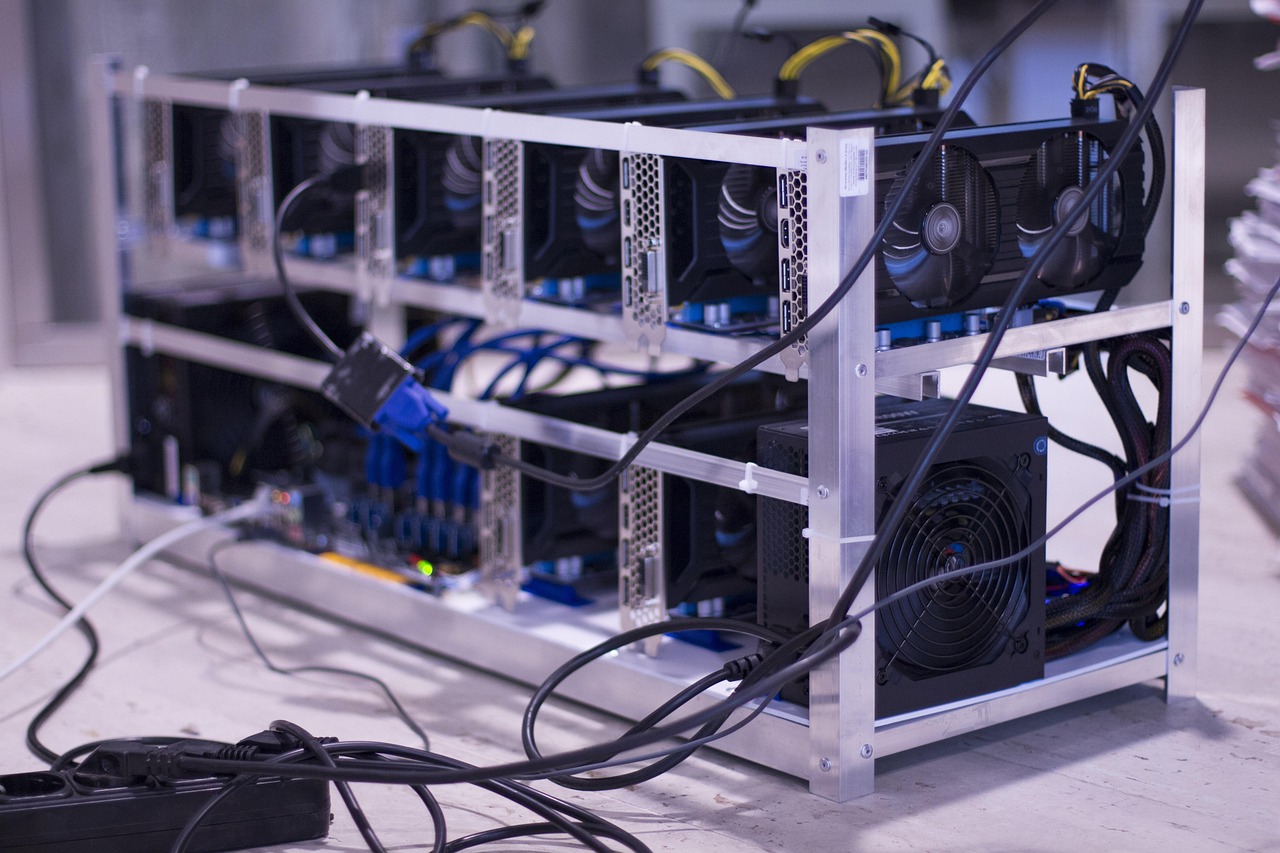
Some mining rigs are designed as sealed units with proprietary components that make repairs or upgrades expensive or impossible. For example, certain ASIC models solder the control board directly to the hash boards, so a failed board requires full replacement rather than a simple swap. If you prefer flexibility, choose hardware with modular designs, standardized PCIe connectors or open documentation. GPUs are generally easier to repair than ASICs because replacement parts like fans, power supplies and risers are widely available. If you lack technical skills, factor in the cost of professional repair services when comparing models.
Upgradeability is another consideration. A GPU rig can often be repurposed for AI workloads or gaming once mining profitability drops, but ASICs are usually coin-specific and cannot be easily repurposed. If you want hardware that retains value beyond mining, GPUs offer more flexibility. If you are committed to a single coin and plan to scale, ASICs can still be a good choice, but ensure the manufacturer provides firmware updates and spare parts for at least two to three years. Check community forums to see how often users need to replace components and whether repair guides are available.
Falling for marketing hype and unverified claims
Manufacturers and resellers often highlight peak performance figures that are not realistic in real-world conditions. Claims like “up to 30 percent more efficiency” or “lowest power consumption on the market” can be based on ideal laboratory environments rather than typical home setups. Look for independent reviews from reputable tech outlets or long-term user reports that show sustained performance under realistic loads. Pay attention to the ambient temperature, dust levels and power quality in the test environment, as these factors heavily influence real-world efficiency.
Another red flag is hardware sold exclusively through drop-shipping marketplaces with no local support. These units often lack proper documentation, warranty service or replacement parts. Stick to established brands with a track record in mining or well-reviewed retail channels. If you are buying second-hand, verify the seller’s history and request photos or videos of the unit running under load. Scams involving counterfeit or refurbished units with hidden defects are common in the mining market, so insist on a return window and a power-on test before finalizing any purchase.
Failing to plan for regulatory and noise compliance
Mining is subject to local regulations that can change quickly. Some municipalities restrict noise levels, power usage or even outright ban mining operations in residential zones. Before you buy, check zoning laws, noise ordinances and any permits required for high-wattage equipment. If you live in a multi-unit building, review the lease or condo rules to avoid fines or forced removal of equipment. In some regions, mining is classified as a commercial activity, which may require business registration and additional taxes.
Noise compliance is especially important for home miners. Many cities limit exterior noise to 50–60 decibels during the day and 40–50 decibels at night. A single high-end GPU can exceed 45 decibels under full load, and an ASIC rig can reach 70 decibels or more. Plan to use acoustic enclosures, insulated rooms or remote locations to stay within legal limits. If you cannot meet noise requirements, consider quieter hardware or smaller setups that fit your local rules. Ignoring these constraints can lead to complaints, shutdowns or costly modifications after installation.
Not factoring in software compatibility and maintenance
Hardware is only as good as the software that runs it. Some mining rigs require specific operating systems, drivers or firmware versions that may not be available for your preferred setup. For example, certain ASIC models only support Windows or require outdated drivers that conflict with modern security updates. If you run a mixed fleet of GPUs and ASICs, ensure the mining software supports all devices simultaneously to simplify management. Also check whether the software includes automatic tuning, overclocking profiles and remote monitoring, as these features reduce maintenance time.
Maintenance tasks like dust cleaning, thermal paste replacement and firmware updates are often overlooked in the buying process. Dust accumulation can reduce airflow and cause overheating within weeks, while old thermal paste can increase temperatures by 10–15 degrees Celsius. Factor in the time and cost of regular maintenance when comparing hardware. Some models are easier to clean than others, and some manufacturers provide maintenance guides or offer paid service plans. If you lack the time or skills for hands-on maintenance, consider cloud mining contracts or hosted mining services that handle the hardware for you.
Conclusion
Choosing mining hardware is less about chasing the fastest specs and more about matching your budget, power costs, environment and long-term goals. Start by calculating your true electricity expense, then verify coin profitability with realistic assumptions. Prioritize efficient power supplies, adequate cooling and compliant noise levels before you buy. Research resale value, warranty coverage and repair options to protect your investment. Avoid marketing claims that lack independent verification and ensure the hardware’s software ecosystem fits your technical skills. By addressing these common mistakes up front, you can select gear that remains profitable and sustainable instead of becoming a costly lesson.
More in Hardware & Gadgets

Prime Day’s Hidden Hardware Deals: What Tech Buyers Should Know
Prime Day drops prices on CPUs, GPUs, laptops and accessories — but not all discounts are equal. Here’s how to spot real savings and avoid gimmicks.

The 2026 Tech IPO Wave: What SpaceX, Anthropic and OpenAI Mean for Investors and the Market
Three high-profile tech companies—SpaceX, Anthropic and OpenAI—are preparing IPOs in 2026, reshaping public markets and testing investor appetite for AI and space hardware.
Nvidia’s Vera CPUs Head to China as GPU Sales Remain Constrained
Nvidia has told Chinese customers Vera CPUs could ship as early as August, offering an alternative as GPU sales remain frozen under export rules.