
Crypto Mining Hardware: How to Choose the Right Rig for Your Goals
By Mag-Info Tech editorial · 2026-06-10
Why hardware choice still matters in crypto mining
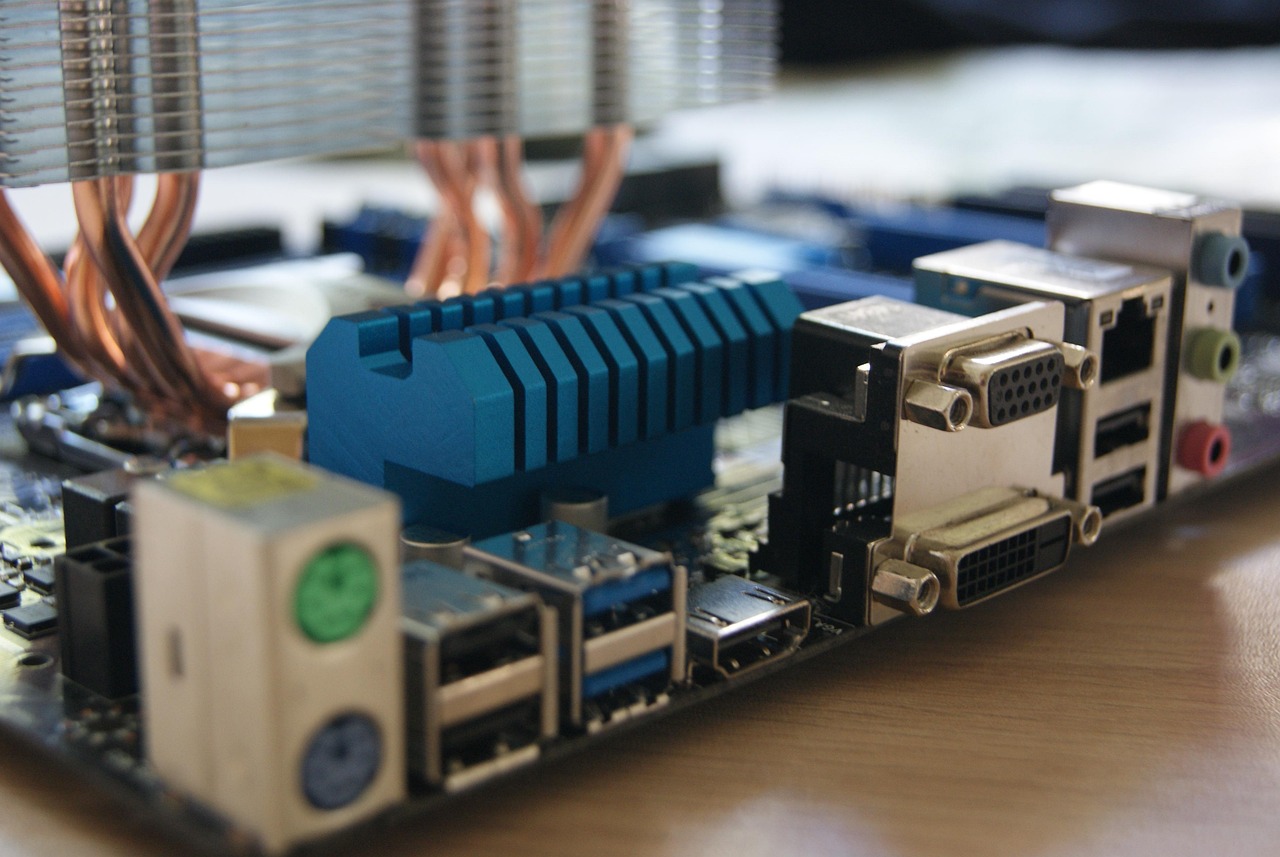
Crypto mining rewards depend on three variables: electricity price, coin price and hardware efficiency. Hardware is the only factor you can select and upgrade, so it directly determines whether mining is profitable or a loss. The right rig balances upfront cost, power draw, hash rate and longevity. Over the past five years, the market has consolidated around two dominant types of mining hardware: ASIC miners for specific coins and GPU rigs for flexible, multi-coin mining. Each type suits different goals, budgets and operating constraints.
Choosing the wrong class of hardware can lock you into unprofitable coins, high power bills or excessive noise and heat. Before comparing models, decide whether you need the raw efficiency of an ASIC for a single algorithm, the versatility of GPUs for switching coins, or a hosted solution to avoid setup and maintenance. The sections below outline who should pick ASICs, who should pick GPUs, and how to evaluate power, cooling and hosting options.
Solo miners: start small with a GPU rig
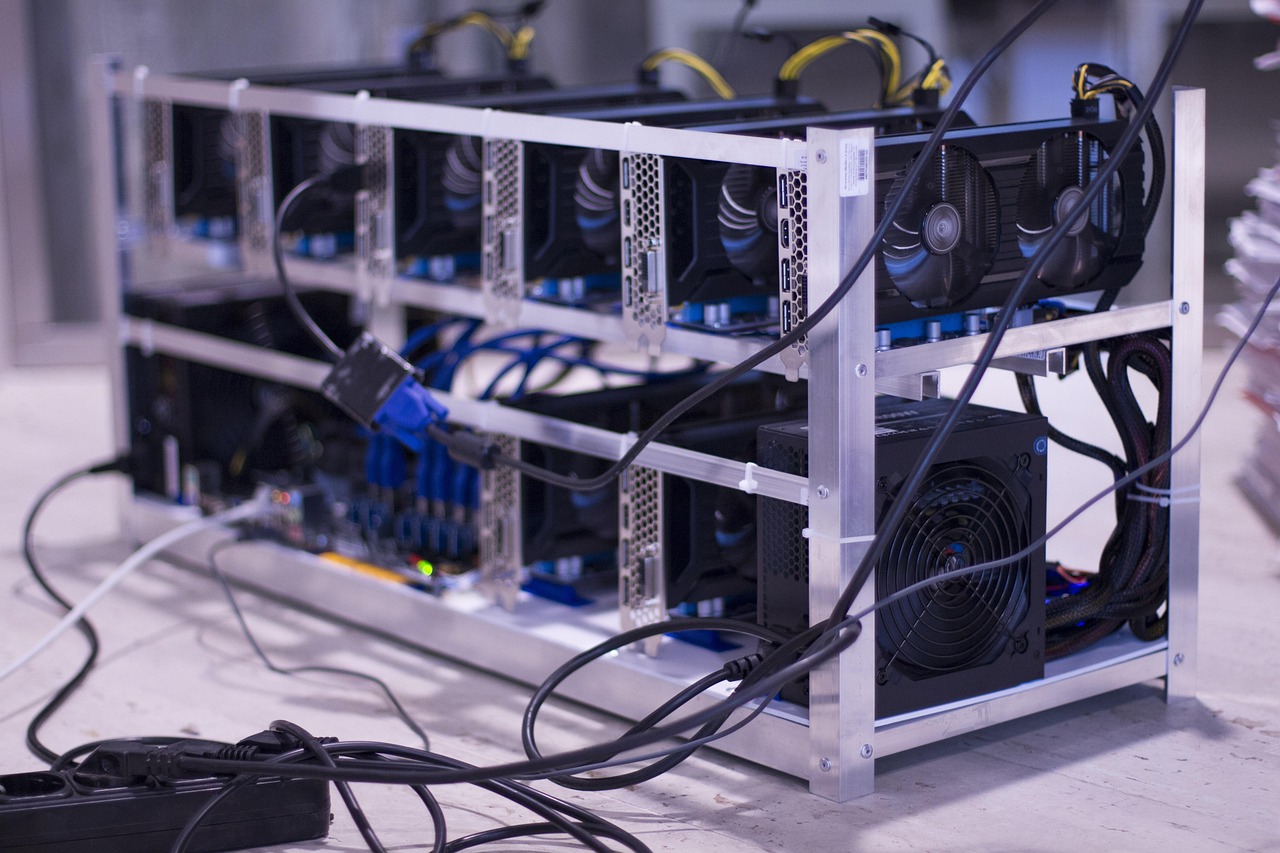
Solo miners typically run a handful of graphics cards in a home office or garage. GPUs are ideal for beginners because they can mine multiple coins, switch algorithms quickly and resell more easily than specialized machines. A typical mid-range rig uses six to eight mid-tier GPUs mounted in open-air frames, drawing 1.2–2.0 kW at full load. These rigs cost less upfront than ASICs and can be upgraded over time by swapping GPUs. Popular starter GPUs include models from AMD’s Radeon RX 6000 and RX 7000 series and Nvidia’s GeForce RTX 30 and RTX 40 series.
The main drawbacks are electricity draw and noise. A six-GPU rig can sound like a vacuum cleaner, and power costs can exceed mining profits if local rates exceed 12–15 cents per kWh. Cooling is critical: most home miners use open-air frames and auxiliary fans, but basement or garage setups still see GPU temperatures rise above 80 °C under sustained load. If you live in a hot climate or have strict noise rules, consider a small, quiet case with liquid cooling or move the rig to a detached shed with proper ventilation. For solo miners, the key is to match GPU choice to local power rates and ambient temperature, then monitor efficiency weekly to avoid losses.
Team or farm builders: scale with ASIC miners
ASIC miners are purpose-built machines that outperform GPUs on a single algorithm by a factor of ten or more in energy efficiency. They dominate networks like Bitcoin and Litecoin where specialized hardware is required. A modern ASIC miner can deliver 100+ terahashes per second while consuming 3.0–3.5 kW, far more efficient than any GPU cluster. Teams that can source low-cost power contracts or host in industrial facilities often choose ASICs for their predictable ROI and lower operational overhead per unit of hash rate.
ASICs introduce new challenges: high upfront cost, loud fans, heat output and long shipping times. A single unit can cost as much as a mid-sized GPU farm, so farms usually buy in bulk to reduce per-unit costs. Hosting in a data center or warehouse with 24/7 cooling and cheap electricity is almost mandatory for ASICs; running one in a home office will likely breach noise ordinances and raise power bills. Teams should also plan for firmware updates and occasional hardware failures—ASICs are less repairable than GPUs. If your goal is to mine a single coin at scale with minimal day-to-day adjustments, ASICs are the clear choice.
Budget-conscious miners: refurbished ASICs vs. entry-level GPUs
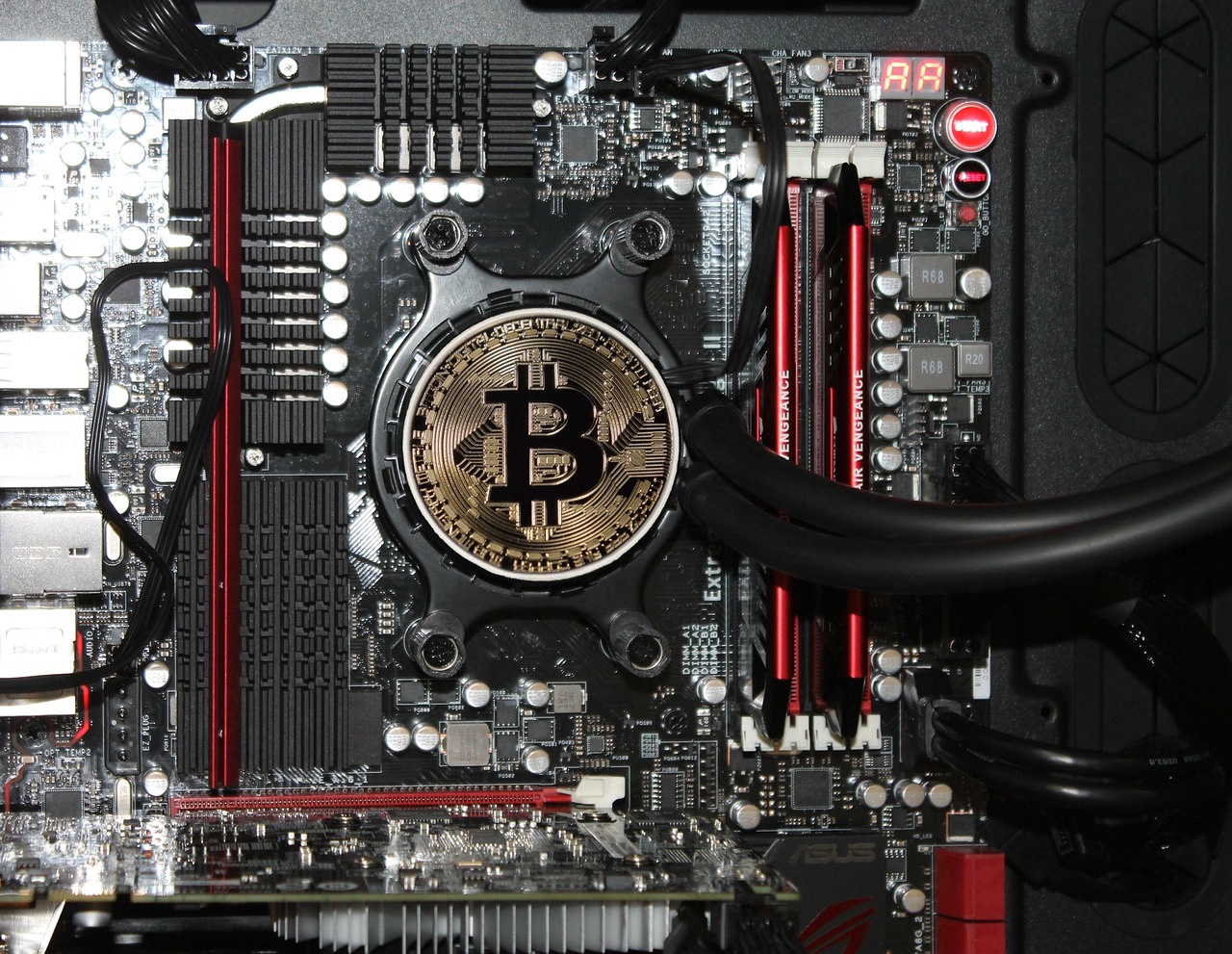
Refurbished ASIC miners can cut the entry price by 40–60% compared to new units, but they carry risks: unknown remaining lifespan, outdated firmware and no warranty. Buyers should insist on units that have been tested, flashed with the latest firmware and come with documented power efficiency under real-world conditions. Even after a discount, these miners still draw 3 kW or more, so power costs remain the dominant expense. Refurbished ASICs are best for miners who already have access to cheap electricity and want to scale quickly without waiting for new hardware.
Entry-level GPU rigs offer a gentler entry point. A two- or three-GPU rig built with older cards can cost under $1,000 and fit on a desk. These rigs are quieter and draw far less power, making them suitable for apartments or small offices. The trade-off is lower hash rate and higher power per terahash, which can wipe out profits when electricity rates exceed 10 cents per kWh. Budget miners should prioritize GPUs with low power draw per megahash, such as AMD RX 580 or Nvidia GTX 1660 models, and avoid high-end cards designed for gaming rather than mining. If your budget is tight and your power costs are moderate, a refurbished GPU rig is the safer bet.
Power users: high-end GPUs and custom liquid cooling
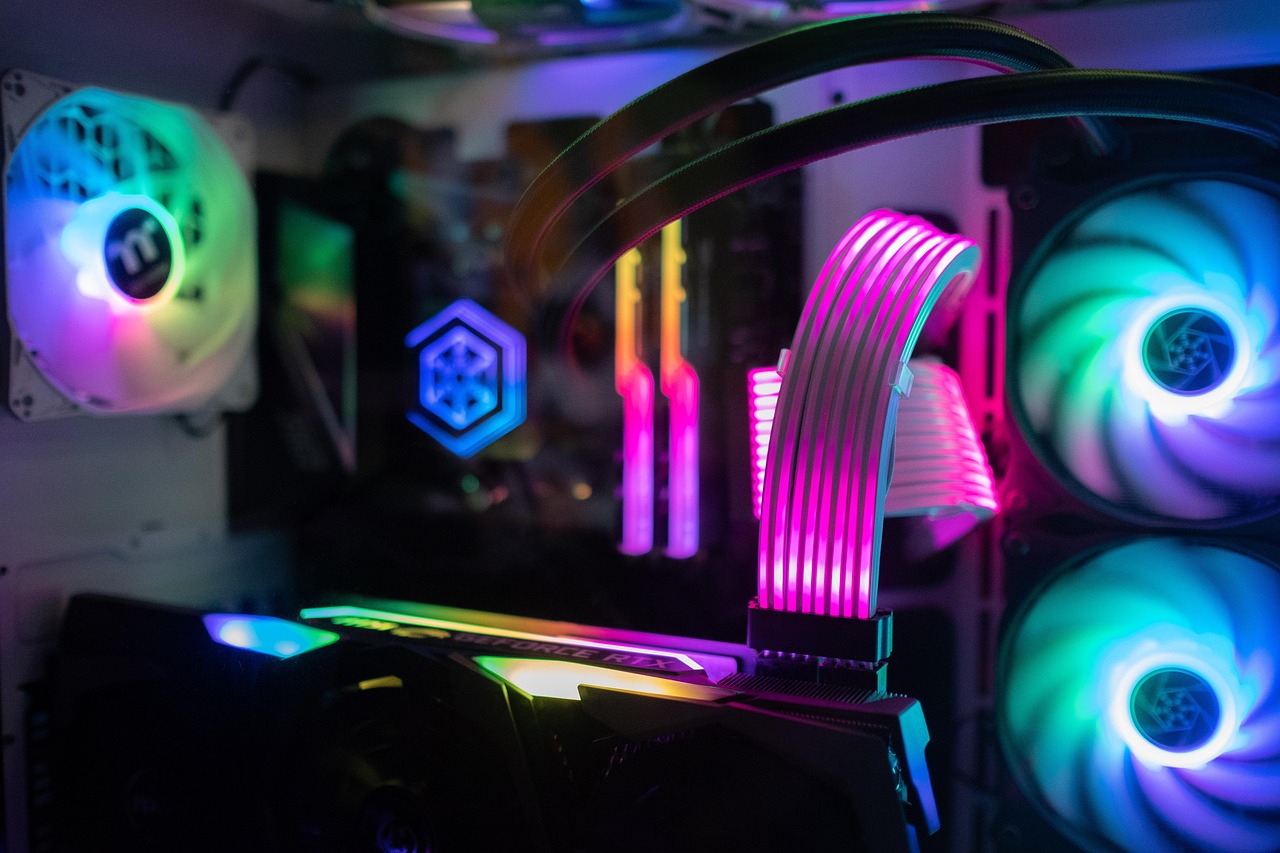
Power users push beyond stock configurations by pairing high-end GPUs with custom cooling loops, overclocking firmware and automated switching software. A top-tier rig might use three to four Nvidia RTX 4090 or AMD RX 7900 XTX cards, each drawing 300–400W at peak efficiency. These rigs can reach 200 MH/s on Ethash or 60 MH/s on KawPow, rivaling small ASIC farms in raw hash rate. To sustain these loads, enthusiasts install dual 360 mm radiators, dedicated water pumps and temperature-controlled fan curves. Custom firmware like Team Red Miner or GMiner allows fine-tuning core and memory clocks for maximum efficiency.
The complexity and cost of a liquid-cooled power-user rig are significant. A full custom loop can add $500–$800 to the build, and the GPUs themselves can exceed $2,000 each. Power draw often reaches 1.5–2.5 kW, so a 240 V circuit and robust UPS are required. These rigs are best for miners who treat mining as a hobby-grade performance challenge or a hedge against coin volatility, not as a low-maintenance income stream. If you enjoy tinkering, have stable power and want the highest hash rate per square foot, a liquid-cooled GPU rig is the way to go.
Real results from MEFAI's AI. Get $50 off the Pro plan.
Sponsored · Past performance is not indicative of future results. Not financial advice.

Hosted mining: skip the hardware, rent hash power
Hosted mining services let you buy or lease hash rate in professional facilities with industrial power contracts and optimized cooling. Providers operate warehouses with thousands of ASICs or GPUs, often powered by renewable energy or low-cost industrial rates. Customers can choose between fixed-term contracts that lock in a daily rate, or flexible plans that follow coin price and network difficulty. Hosted mining removes noise, heat, shipping delays and hardware risk, but it also caps upside—profits are lower than self-mined returns when coin prices surge.
Hosted solutions are ideal for investors who want exposure to mining without operating hardware, or for teams that cannot secure cheap power locally. Contracts typically require a minimum commitment of 12–24 months, and returns depend on coin price and network difficulty. Some providers offer “hash power marketplaces” where you can buy and sell contracts, adding liquidity but also complexity. Before committing, compare the provider’s power cost, uptime guarantees and fee structure. If your goal is passive exposure to mining without the operational burden, hosted mining is a practical choice.
Power, cooling and location: the hidden costs of mining hardware
Hardware choice is only one part of the equation; power supply, cooling and physical location determine long-term profitability. A high-end ASIC miner drawing 3.2 kW needs a 16 A 240 V circuit and a high-efficiency PSU rated at 80 Plus Platinum or better. GPU rigs drawing 1.5–2.5 kW may only need a standard 15 A circuit, but multiple rigs can still trip breakers if wiring is undersized. Power factor correction and surge protection are essential to avoid brownouts and hardware damage.
Cooling strategy must match the hardware’s heat output. ASICs exhaust hot air at high velocity and require ducted ventilation or immersion tanks. GPU rigs in open-air frames need ambient airflow of at least 20 CFM per card, which means dedicated exhaust fans or positive-pressure ventilation in a sealed closet. Liquid cooling reduces noise and heat in a home office, but leaks can destroy GPUs and motherboards. Location also affects noise compliance—residential areas often limit noise to 45–55 dB, while industrial zones may allow 70–80 dB. Measure local regulations before purchasing hardware.
Maintenance, upgrades and resale: what to expect over time
ASIC miners are generally maintenance-free aside from routine cleaning and firmware updates, but they are difficult to upgrade. Once an ASIC model is obsolete, it can only be resold to secondary markets at steep discounts. GPU rigs, by contrast, can be upgraded by swapping GPUs or adding more cards to the motherboard, extending useful life by two to three years. High-end GPUs also retain resale value better than mid-tier ASICs, especially during GPU shortages.
Both ASICs and GPUs require periodic maintenance: cleaning dust from heatsinks and fans, replacing thermal paste every 12–18 months, and checking power supply capacitors for bulging or leaking. ASICs often come with built-in diagnostics and remote monitoring, while GPU rigs rely on third-party software like Hive OS or MinerStat. Plan for a maintenance budget of 5–10% of hardware cost per year. If you anticipate upgrading or selling hardware within two years, GPUs offer more flexibility and better residual value.
Matching hardware to your goals: a quick decision guide
Use this matrix to narrow your choice:
- Solo miner, low budget, flexible coin choice → Entry-level GPU rig (2–4 GPUs)
- Solo miner, moderate budget, stable coin preference → Mid-tier GPU rig (6–8 GPUs)
- Team or farm, low power costs, single coin → Refurbished or new ASIC miner
- Team or farm, high power costs, industrial hosting → New ASIC miners in data center
- Power user, high hash rate, hobby-grade performance → High-end GPU rig with liquid cooling
- Investor, no operational burden, passive exposure → Hosted mining contract
If your electricity rate exceeds 15 cents per kWh, avoid ASICs unless you have a hosting deal under 10 cents per kWh. If you live in a small apartment, a two-GPU rig with liquid cooling and a 1000 W PSU is the practical limit. If you own a warehouse with 480 V service and cheap power, a 100-unit ASIC farm can deliver strong returns with minimal day-to-day effort.
Final takeaways
Crypto mining hardware has converged on two main paths: ASICs for efficient, single-algorithm mining at scale, and GPUs for flexible, multi-coin mining with upgradeability. Your choice should align with your budget, power costs, noise tolerance and willingness to maintain hardware. Beginners should start with a small GPU rig and monitor efficiency closely. Teams with access to cheap power can scale faster with ASICs or hosted solutions. Power users who enjoy optimization can push GPUs to their limits with liquid cooling and overclocking. Regardless of path, measure power draw in watts per terahash or watts per megahash, track coin price and network difficulty weekly, and be prepared to adjust or shut down if profitability drops. Hardware is the lever you control—use it wisely.
More in Hardware & Gadgets

Prime Day’s Hidden Hardware Deals: What Tech Buyers Should Know
Prime Day drops prices on CPUs, GPUs, laptops and accessories — but not all discounts are equal. Here’s how to spot real savings and avoid gimmicks.

The 2026 Tech IPO Wave: What SpaceX, Anthropic and OpenAI Mean for Investors and the Market
Three high-profile tech companies—SpaceX, Anthropic and OpenAI—are preparing IPOs in 2026, reshaping public markets and testing investor appetite for AI and space hardware.
Nvidia’s Vera CPUs Head to China as GPU Sales Remain Constrained
Nvidia has told Chinese customers Vera CPUs could ship as early as August, offering an alternative as GPU sales remain frozen under export rules.