
Crypto Trading Signals in 2026: The Definitive Buyer's Guide to Intelligence Services
By Mag-Info Tech editorial · 2026-06-07

What Are Crypto Trading Signals and How Have They Evolved?
Crypto trading signals are essentially recommendations or insights—often presented as trade ideas for buying or selling a digital asset at a specific price point and time. They aim to cut through market noise by providing actionable information, typically generated by a combination of technical analysis, fundamental research, and increasingly, complex algorithms and artificial intelligence. Historically, these signals were simple alerts shared in chat rooms or via email, often based on basic chart patterns. Today, the landscape has matured into a sophisticated ecosystem of market intelligence platforms that offer much more than just "buy" or "sell" notifications. The evolution has shifted from discretionary calls to data-driven systems that provide the context and evidence behind a potential move.
The modern trader’s toolkit has expanded dramatically, moving beyond basic price-action signals to incorporate deep on-chain data, sentiment analysis from social media, and macro-economic indicators. This transformation means that a "signal" is no longer a blind directive but often a piece of a larger puzzle, requiring the user to understand the methodology behind it. Services now range from automated bots that execute trades on your behalf to comprehensive dashboards that give you raw data to form your own conclusions. Understanding this spectrum is the first step in choosing the right tool, as it defines the level of involvement and expertise required. The key for any trader in 2026 is to determine whether you need a co-pilot, a data feed, or an autonomous trading system.
The Leading Categories of Signal Services
The market for crypto intelligence has consolidated into several distinct categories, each serving different trading philosophies. First are the Technical Analysis (TA)-Focused Platforms, which are the digital evolution of traditional charting software. These services, like TradingView, provide a vast array of charting tools, indicators, and a massive community where users can publish their own analyses and ideas. They are powerful for discretionary traders who want to build and refine their own strategies and receive alerts based on custom technical setups they define. The "signal" here is often a crowd-sourced insight or a trigger from your own predefined conditions, making it a tool for the active, hands-on participant.
A second major category is On-Chain Analytics Providers, which have become indispensable for fundamental analysis in crypto. Platforms like Glassnode and Santiment tap directly into blockchain networks to deliver metrics on wallet activity, exchange inflows/outflows, miner behavior, and token velocity. They don't always say "buy," but they provide the raw intelligence on whether large holders are accumulating or if a network is seeing genuine adoption. This type of service offers a deeper, often leading, view of market health and investor behavior that pure price charts cannot capture. They are essential for longer-term investors and fundamental analysts seeking to understand the underlying value and momentum of a crypto asset.

Finally, there are AI-Powered and Automated Signal Services, which represent the cutting edge of this space. These use machine learning models trained on vast historical data to identify patterns and predict potential price movements. Some operate as advisory services, sending alerts based on their model's output, while others are full-fledged trading bots that connect directly to your exchange account via API to execute trades automatically. The appeal is the removal of human emotion and the ability to process information at superhuman speed. However, this category carries significant risk, as model performance can decay, and automated strategies require rigorous backtesting and monitoring. These tools cater to traders comfortable with technology and algorithmic risk.
How to Evaluate a Crypto Signal Service
Choosing a signal service requires a structured evaluation process, starting with transparency and track record. Any reputable provider should offer verifiable, historical performance data. Be wary of services that only show winning trades or use vague terms like "90% accuracy" without context. Look for audited track records or detailed performance analytics that include key metrics like win rate, profit factor, and, most importantly, maximum drawdown. A consistent, long-term track record across different market conditions (bull, bear, and sideways) is far more valuable than a spectacular but unverified short-term result. Transparency also extends to methodology; does the service explain how it generates its signals?
Next, consider the integration of data sources and methodology. The best platforms in 2026 don't rely on a single indicator. They synthesize information from multiple domains. For example, does the service combine on-chain data showing accumulation with technical patterns indicating a breakout and sentiment data from social platforms? A multi-faceted approach provides more robust signals. You should also assess the methodology's alignment with your own trading style. A high-frequency scalping strategy built on short-term TA will not suit a fundamental investor looking for long-term accumulation opportunities. Ensure the signal's timeframe and rationale match your personal investment thesis and risk management rules.
Finally, evaluate the user experience, support, and cost structure. A complex platform with a steep learning curve may not be beneficial if you cannot efficiently extract and act on its information. Look for clean interfaces, customizable alerts, and good educational resources. Support is crucial; if you have a technical issue or a question about a signal's basis, responsive customer service is a hallmark of a professional operation. Cost is a major factor, but it should be weighed against the potential value and edge the service provides. Models can include monthly subscriptions, one-time fees for trading bots, or even revenue-sharing on profits. Avoid any service that demands large upfront payments for unproven claims or pressures you into high-risk strategies.
Common Pitfalls and Mistakes to Avoid
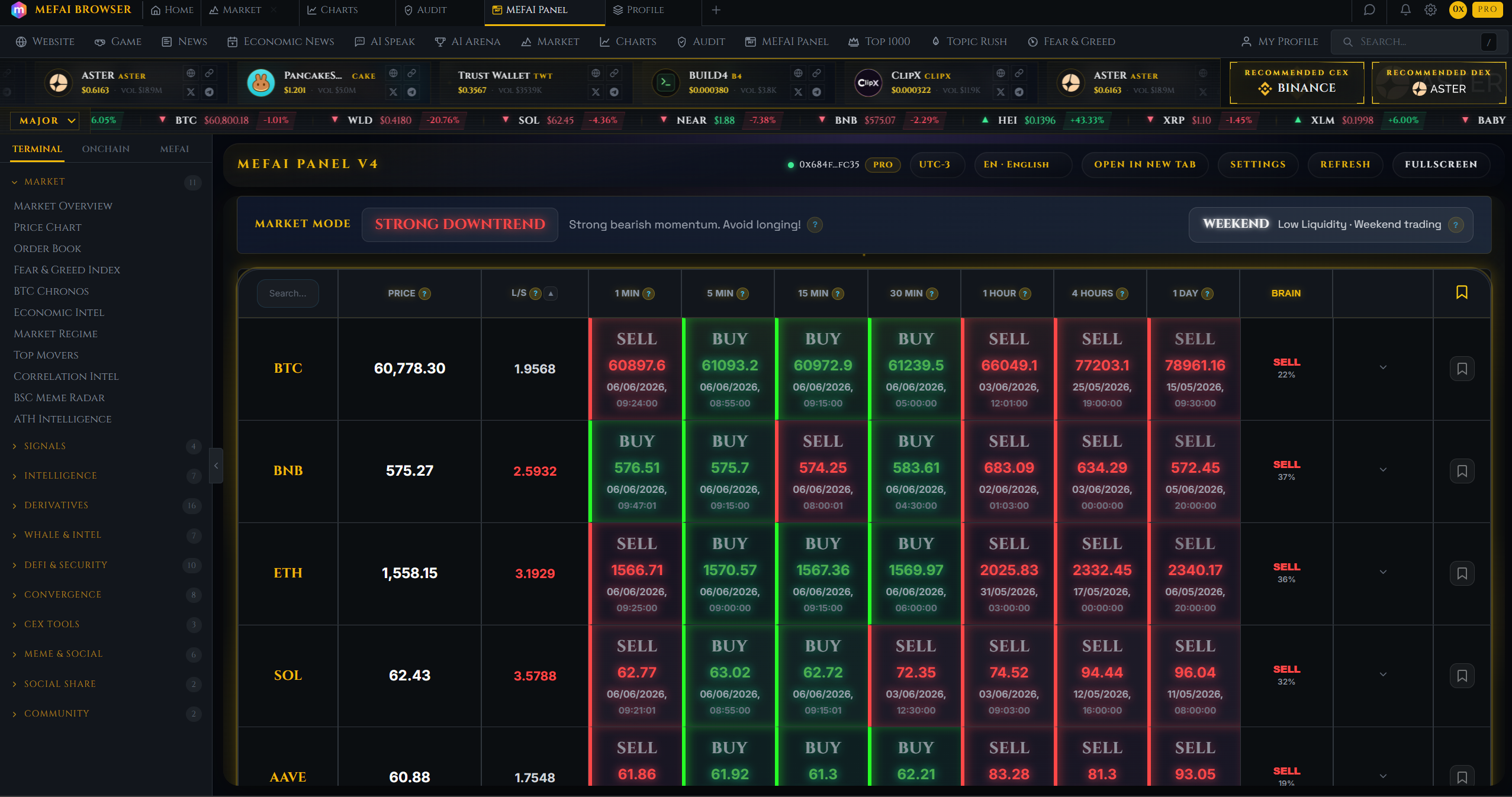
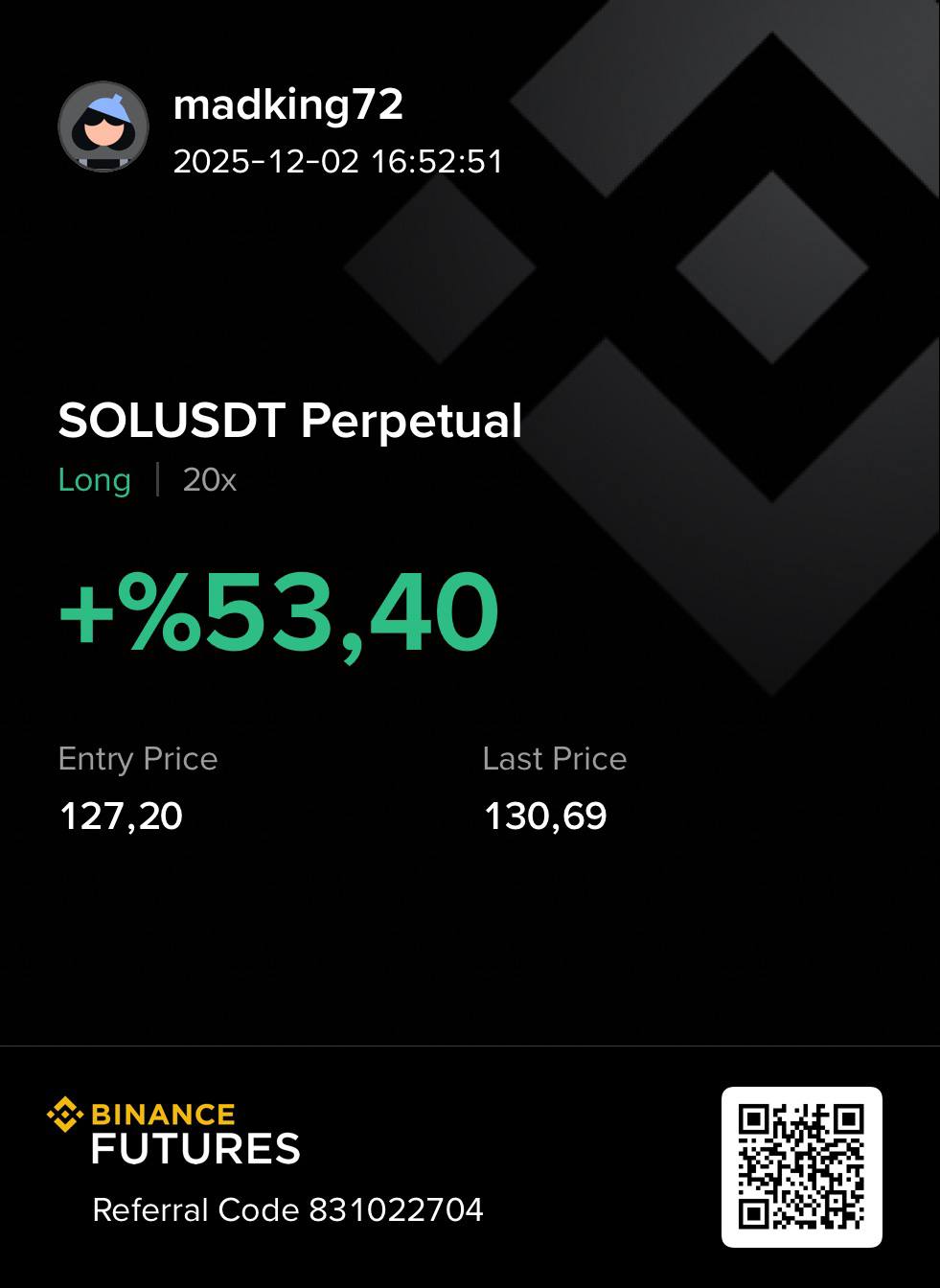
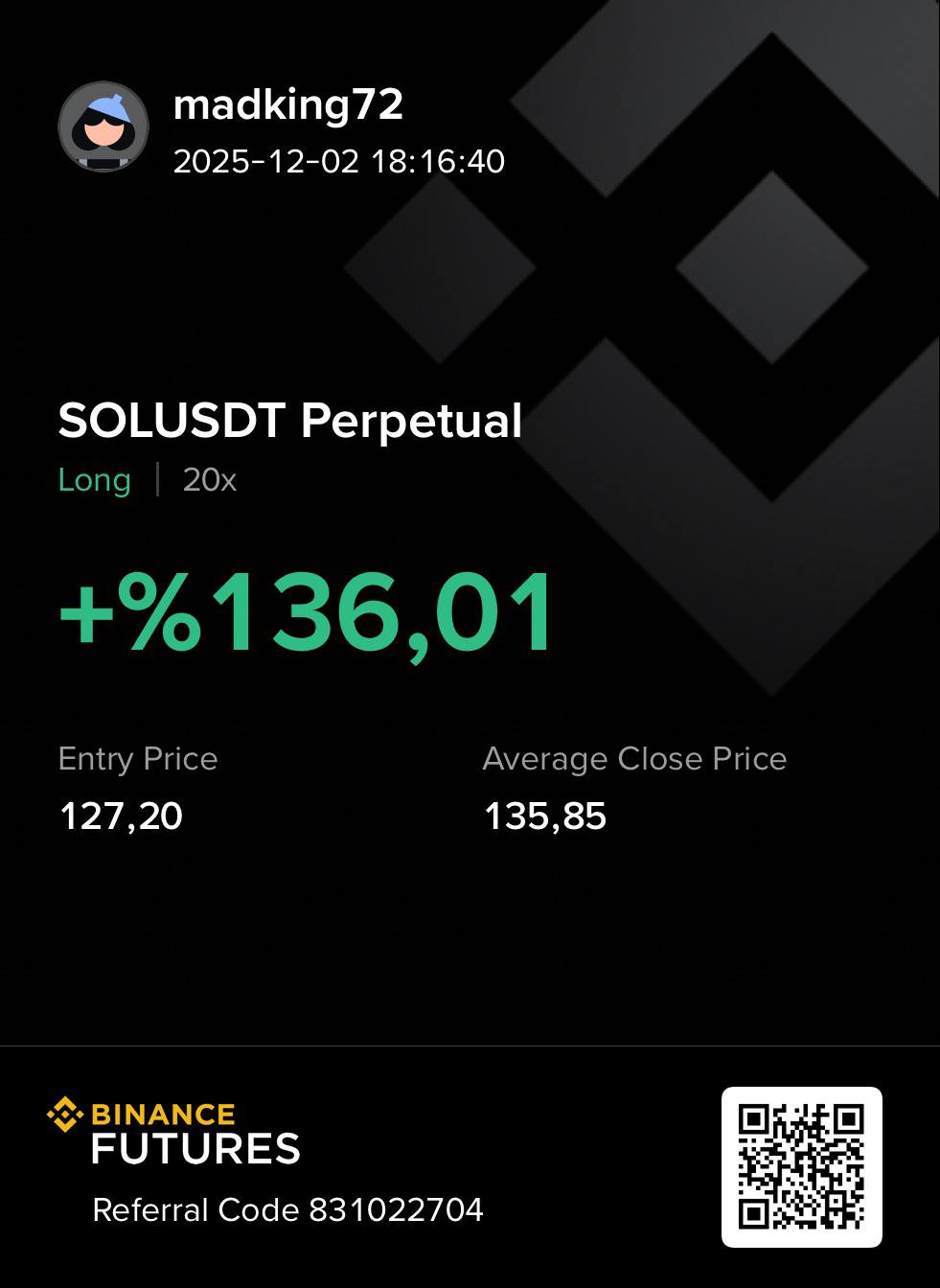
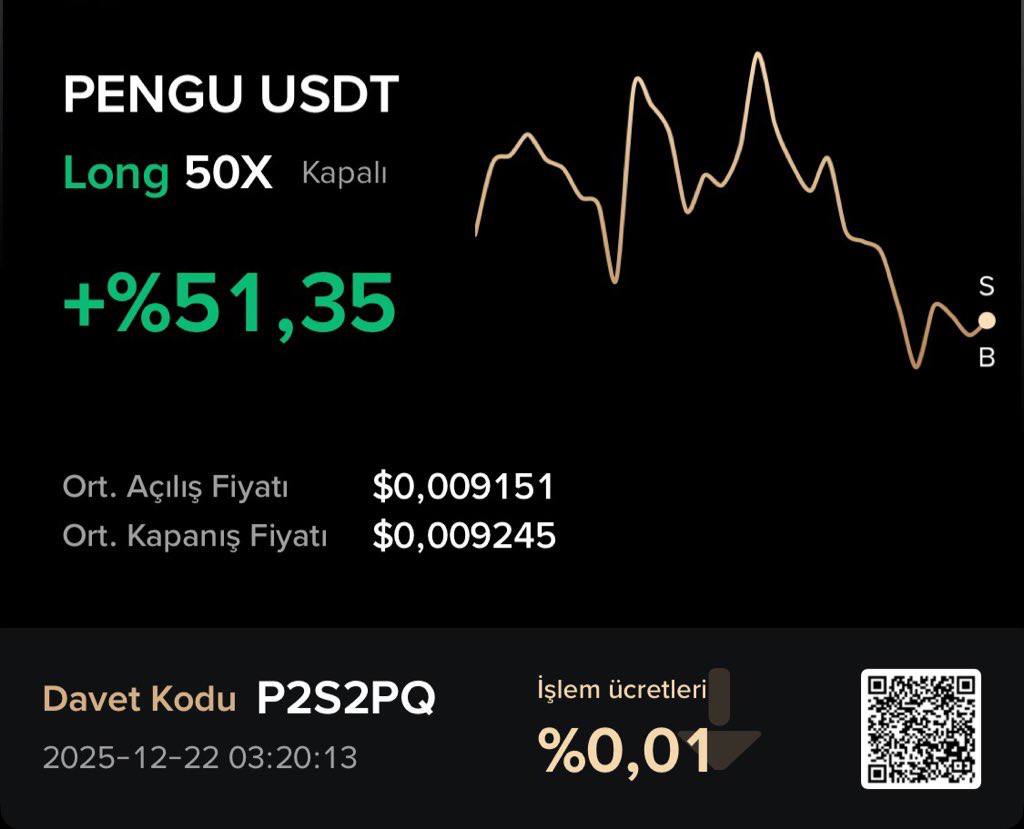
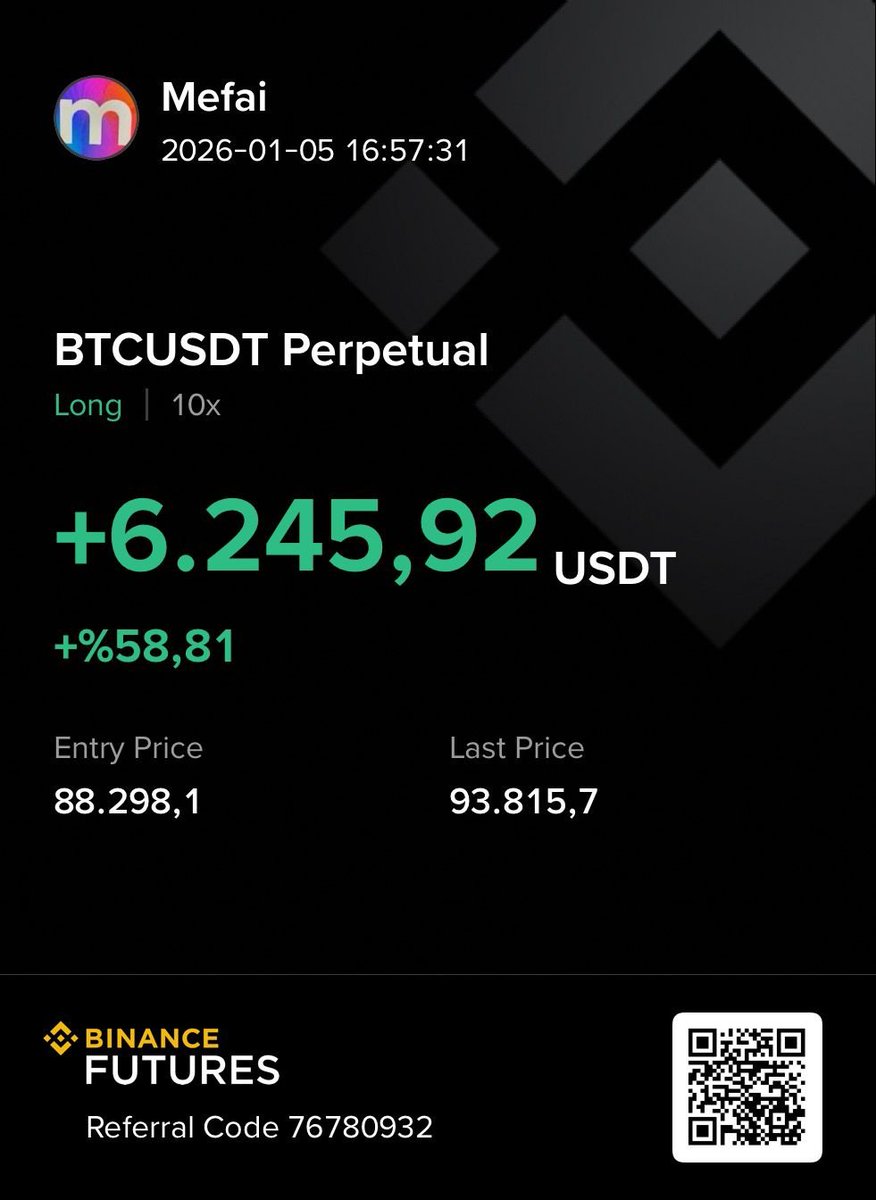
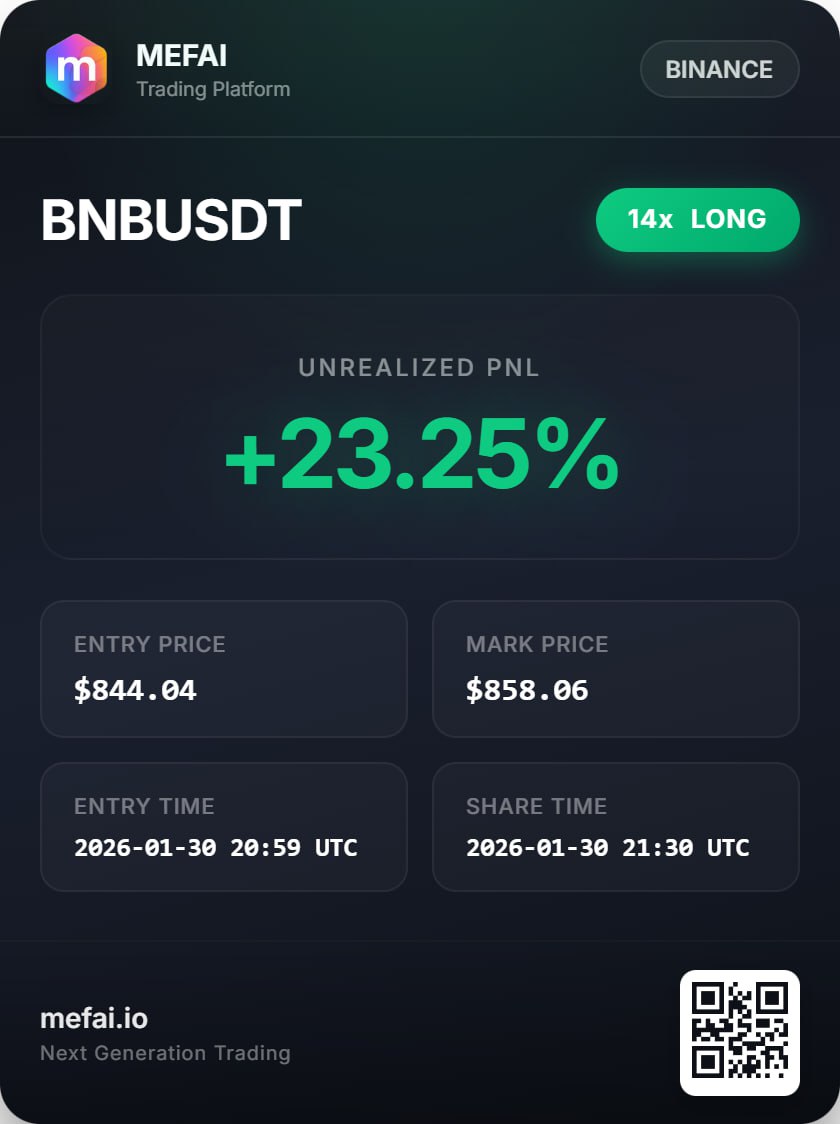
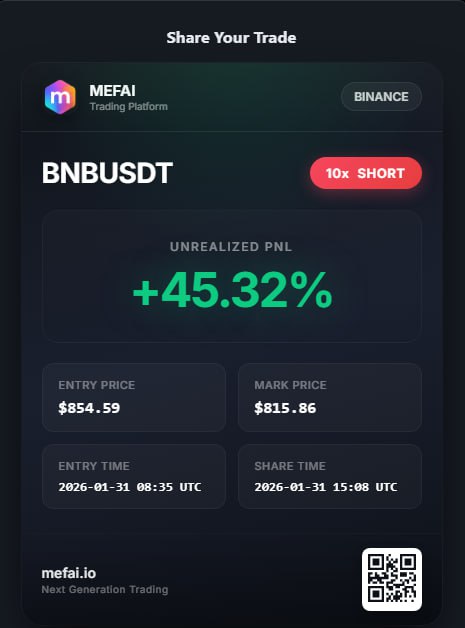
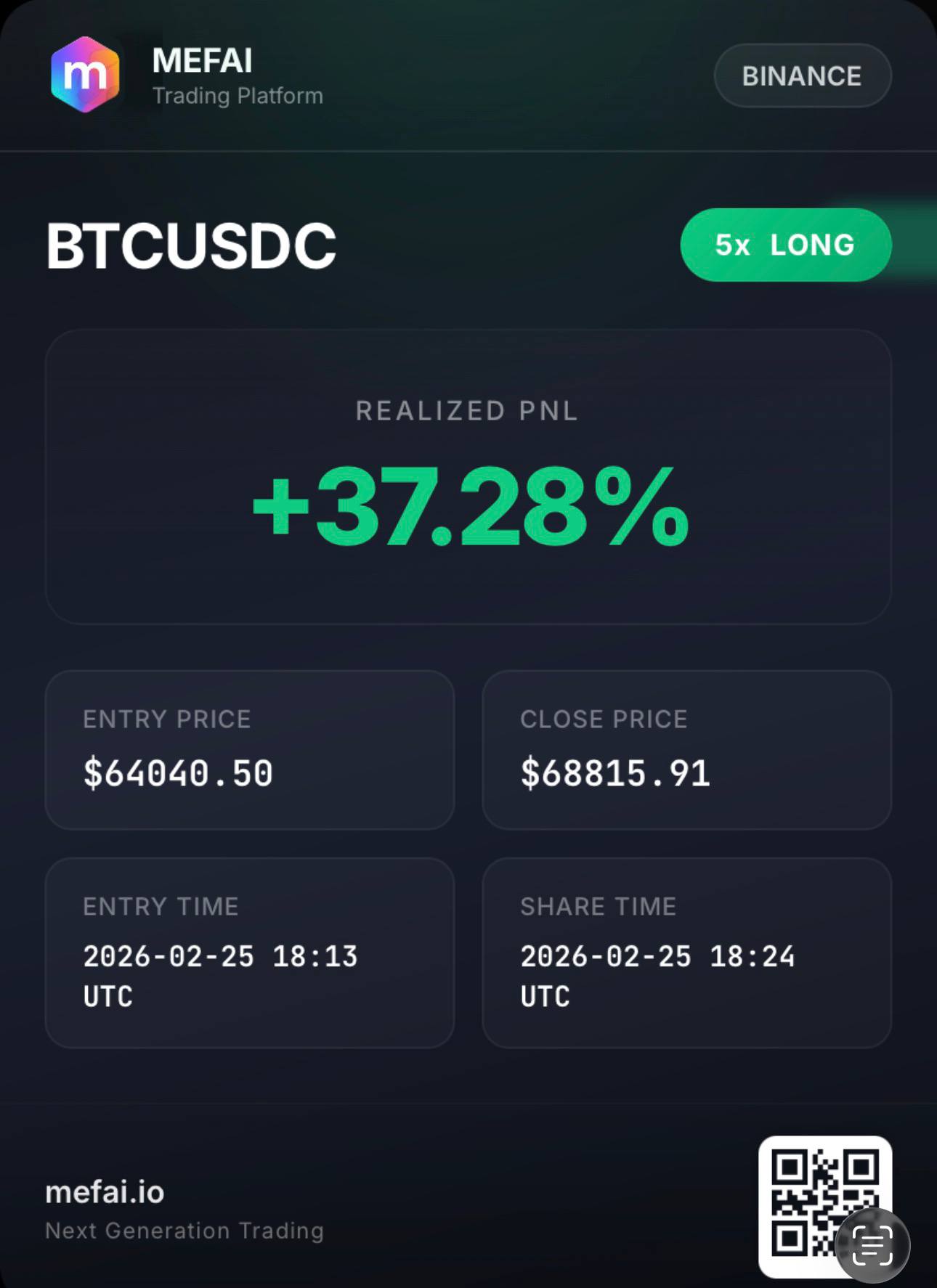
Real results from MEFAI's AI. Get $50 off the Pro plan.
Sponsored · Past performance is not indicative of future results. Not financial advice.

One of the most prevalent pitfalls is over-reliance and the abdication of responsibility. No signal service, no matter how advanced, is infallible. Treating signals as guaranteed oracles rather than as one input among many is a recipe for disaster. You must maintain your own risk management rules, such as position sizing and stop-losses. blindly following every alert without understanding the logic leaves you vulnerable if the market moves against a signal, as you won't have the conviction to make an informed decision. The goal of a good signal service should be to augment your decision-making, not replace it entirely.

Another critical mistake is ignoring the importance of a proven, backtested methodology. In the excitement of a bull market, many traders jump into services based on recent hype or glossy marketing. A crucial step is to rigorously examine the service's historical performance across varied market cycles. Ask yourself: how did this strategy perform during the last major market downturn? Does the provider openly discuss losing periods and risk mitigation? Services that are only promoted during favorable market conditions may have strategies that are not robust. Taking the time to analyze the long-term statistics and understand the strategy's edge in different regimes is non-negotiable due diligence.
A final common error is falling for scams and unrealistic promises. The crypto space remains rife with fraudulent actors. Promises of guaranteed returns, "get rich quick" schemes, and pressure to deposit funds on unregulated platforms are massive red flags. Legitimate services focus on education, transparency, and managing expectations. They will never guarantee profits. Another sub-pitfall here is using signals for excessive leverage or trading with money you cannot afford to lose. The amplified risk of leveraged trading, combined with unvetted signals, can lead to catastrophic losses. Always start with a demo account or very small capital to test a service's signals in real market conditions before committing significant funds.
Who Each Top Service Is Best For
For the Data-Driven Fundamental Analyst: Glassnode and its peers are indispensable. If your strategy is built on understanding market cycles, investor behavior, and network health, these platforms provide the essential on-chain metrics. You use them to confirm a thesis—for example, deciding to accumulate Bitcoin during periods of low exchange balances and miner capitulation. They are best for investors who think in terms of value and accumulation, not just short-term price charts. The "signals" here are the insights you derive from data like MVRV ratios or active address counts.

For the Technical Chartist and Discretionary Trader: TradingView is the dominant force. Its power lies in its charting capabilities, the enormous library of custom indicators and strategies, and the vibrant social network. If your edge comes from pattern recognition, indicator analysis, and developing your own set of rules, this is your platform. You create your own signals by setting alerts and building a personalized workspace. It suits the self-directed trader who values community ideas but ultimately relies on their own disciplined execution and analysis.
For the Automated or Algorithmic Trader: Services like 3Commas or Pionex, which offer customizable trading bots, are a natural fit. They are for those who have a well-defined, backtested strategy and wish to automate its execution 24/7 without emotional interference. This path is for the technically inclined trader who understands parameters, risk management in code, and the importance of monitoring bot performance. It's not a passive solution; it requires initial setup, ongoing optimization, and a deep understanding of the underlying strategy being automated.
For the Multi-Faceted Trader Seeking a Signal Ecosystem: Platforms that integrate multiple data streams, offering both TA tools and some on-chain or sentiment data, provide a holistic view. A trader who wants to look at a chart, check the on-chain flow for that asset, and gauge social sentiment all within one interface will benefit here. This approach suits experienced traders who synthesize various forms of analysis to make a final decision. The service acts as a comprehensive intelligence dashboard, presenting a spectrum of signals for your consideration.
Your Practical Checklist for Choosing
Before committing to any service, work through this practical checklist. First, define your own strategy and needs. Are you a day trader, swing trader, or long-term investor? Do you need automated execution, or are you looking for ideas to research further? Understanding your own requirements prevents you from buying a tool that doesn't fit your workflow. Second, utilize free trials and demo accounts extensively. Reputable services offer these for a reason. Use this period to not only test the interface but to paper trade the signals and measure their performance against your own rules. Third, research the provider's reputation beyond their website. Look for independent reviews, community discussions, and track record verification from trusted third-party analytics sites. Finally, start small and scale gradually. Even after a positive trial, begin with a minimal capital allocation to live-test the service's impact on your trading results before scaling up.
In conclusion, the world of crypto trading signals in 2026 offers powerful tools that have moved far beyond simple alerts. The key is to match the service's strengths—whether it's deep on-chain analytics, flexible charting, or automated execution—to your personal trading identity and strategy. By prioritizing transparency, demanding verified performance, and maintaining your own risk discipline, you can leverage these intelligence platforms to make more informed decisions in the volatile crypto market. The ultimate signal is still your own educated judgment, now supported by increasingly sophisticated data.
More in Crypto & Trading

Crypto Money Meets British Politics: The Nigel Farage Tether Gift Scandal Explained
Reform UK's Nigel Farage faces scrutiny over a £5M gift from Tether billionaire Christopher Harborne, raising questions about crypto money in politics and UK regulatory transparency.

South Korea’s Crypto Crackdown: How a Political Nepotism Probe Is Reshaping Exchanges and Regulation
A South Korean lawmaker’s alleged influence over his son’s hiring at crypto exchanges has triggered police raids and a wider probe into hiring practices at Bithumb and Upbit, signaling tougher scrutin

Bitcoin and Ether Suffer Worst Weekly Rout Since FTX Collapse as Crypto Shed $390 Billion
Bitcoin and ether posted their steepest weekly losses since the November 2022 FTX collapse, wiping out roughly $390 billion in crypto market value and triggering nearly $7 billion in leveraged liquida