
Bitcoin and Ether Suffer Worst Weekly Rout Since FTX Collapse as Crypto Shed $390 Billion
By Mag-Info Tech editorial · 2026-06-07

A Week That Shook Crypto to Its Core
The cryptocurrency market just endured one of the most punishing weeks in recent memory. Bitcoin tumbled 17.3% over the seven-day stretch while ether plunged even harder at 22%, placing both assets on track for their worst weekly performance since the FTX exchange collapsed in November 2022. For many investors, particularly those who entered the market during the euphoric rally to all-time highs last year, this was a brutal reminder that crypto's volatility cuts both ways with devastating force.
The damage was enormous in absolute terms. Approximately $390 billion in total crypto market value evaporated over the course of the week, pushing the aggregate market capitalization down to just above $2 trillion. That figure stands in stark contrast to the nearly $4.2 trillion peak reached in October — meaning more than half of the entire market's value has been erased in a relatively short span. Even with a modest stabilization on Saturday, both bitcoin and ether remained pinned near their lows, with BTC trading just above the critical $60,000 level and ETH changing hands around $1,550. The psychological damage to market confidence may take considerably longer to repair than the price charts suggest.
Strategy's Bitcoin Sale Kicked Off the Slide
The week's bloodshed began with a signal from one of the most closely watched corporate players in the bitcoin ecosystem. Strategy, the software-turned-treasury company that has accumulated one of the largest corporate bitcoin holdings in the world, initiated a bitcoin sale at the start of the week. The move immediately raised questions about whether the firm — which had become something of a bellwether for institutional conviction in bitcoin — was reducing its exposure, hedging against further downside, or simply rebalancing.

Whatever the rationale, the optics were damaging. Strategy had spent the better part of the last two years aggressively purchasing bitcoin and positioning itself as a long-term holder unwavering in its commitment to the asset. A sale, even a modest one, introduced uncertainty about whether the company's thesis was shifting. In a market already primed for anxiety, that uncertainty acted as kindling. Traders who had closely followed Strategy's buying patterns as a bullish signal now had to contend with the possibility that even the most committed corporate holder was taking chips off the table. The cascading effect of that psychological shift should not be underestimated.
ETF Outflows Accelerated the Deterioration
If Strategy's sale lit the fuse, heavy outflows from spot bitcoin and ether exchange-traded funds provided the accelerant. Institutional and retail investors pulled significant capital from crypto ETF products throughout the week, reflecting a broader retreat from risk assets. The ETF market had been one of the most important structural developments in crypto over the past couple of years, channeling billions of dollars into digital assets through regulated, accessible vehicles. But the same accessibility that drives inflows during bullish periods also makes exits faster and more painful during downturns.
The outflows underscored a growing tension within the crypto market. ETFs brought legitimacy and mainstream participation, but they also introduced a class of investors whose time horizons and risk tolerances differ markedly from the ideological long-term holders who characterized earlier market cycles. These investors are more likely to respond to macro signals — interest rate expectations, equity market weakness, geopolitical uncertainty — by reducing crypto exposure. When those macro headwinds align with negative crypto-specific catalysts, as they did this week, the result is a feedback loop of selling that can overwhelm even the most liquid markets. The lesson for portfolio allocators is clear: crypto ETFs behave differently from spot holdings in a drawdown, and that distinction matters for risk management.
The AI Investment Narrative Competition
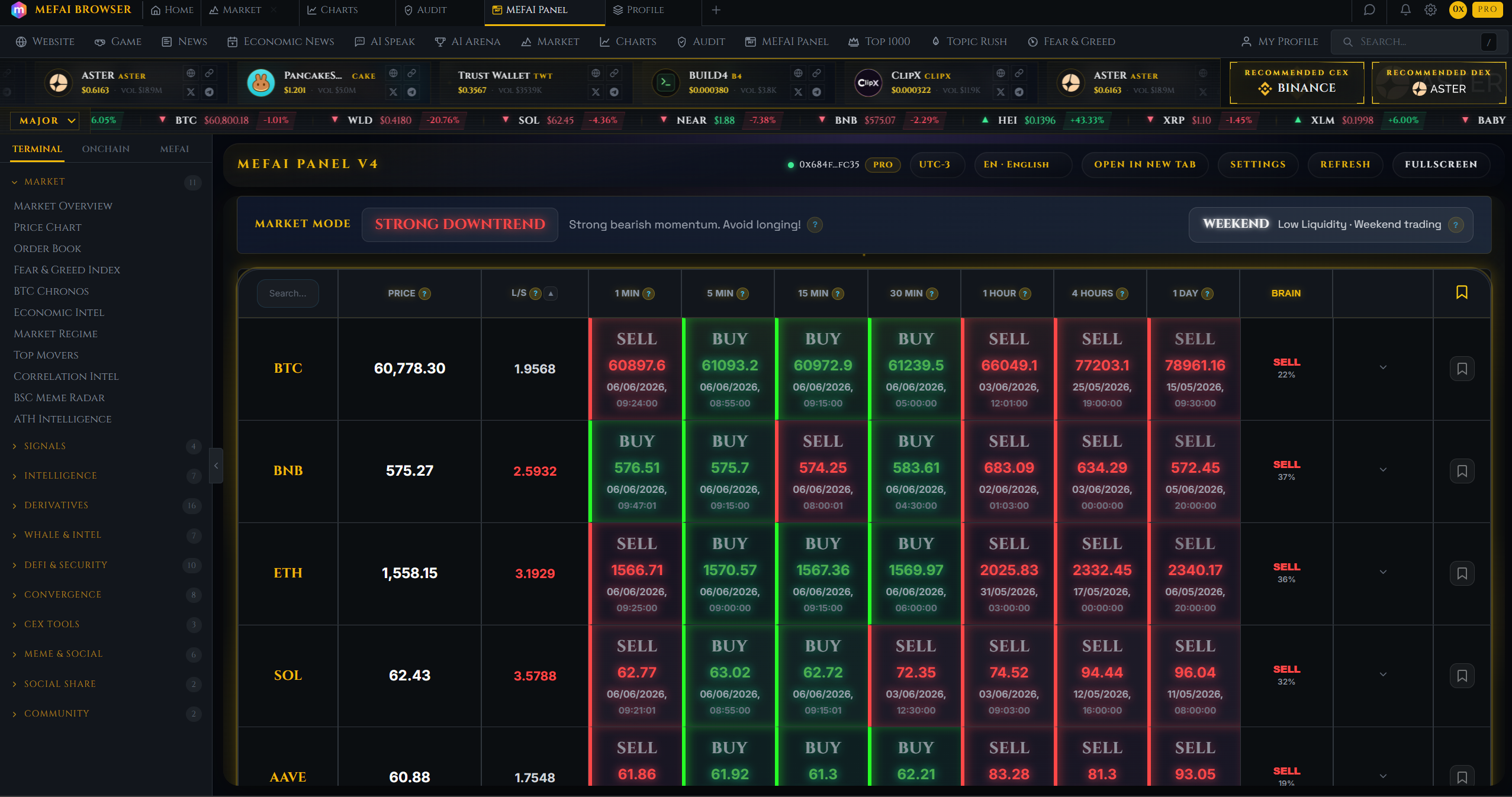
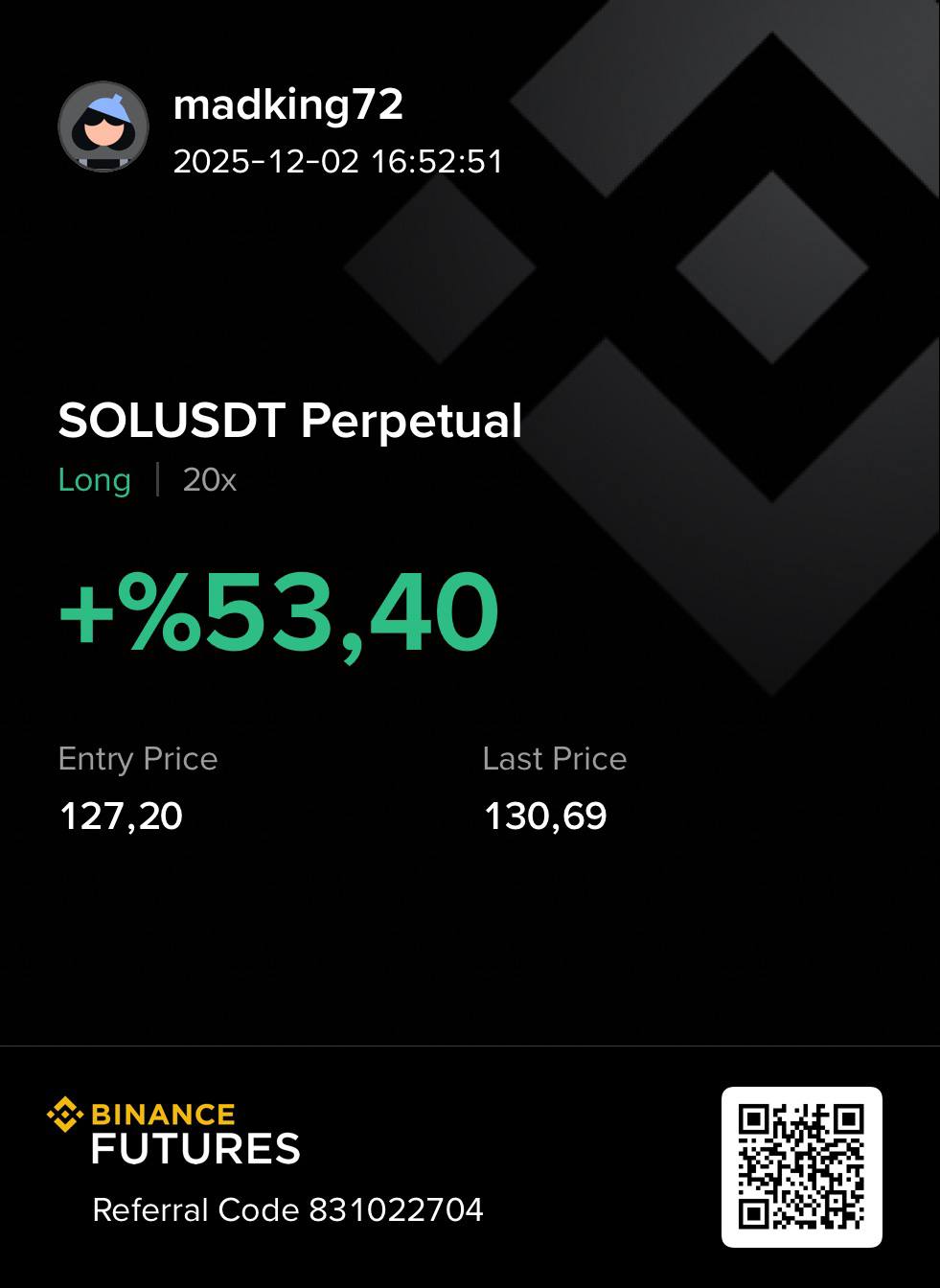
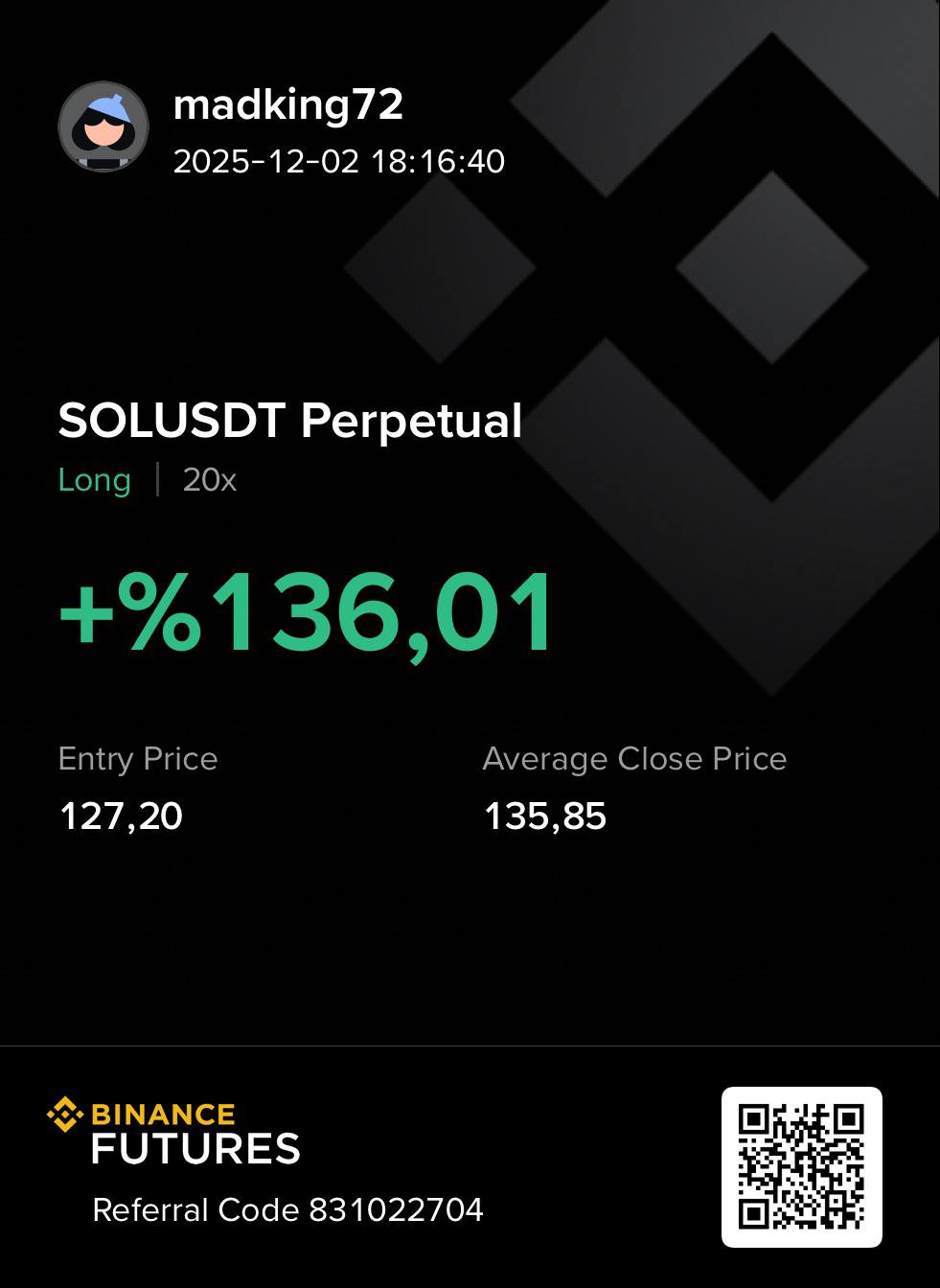
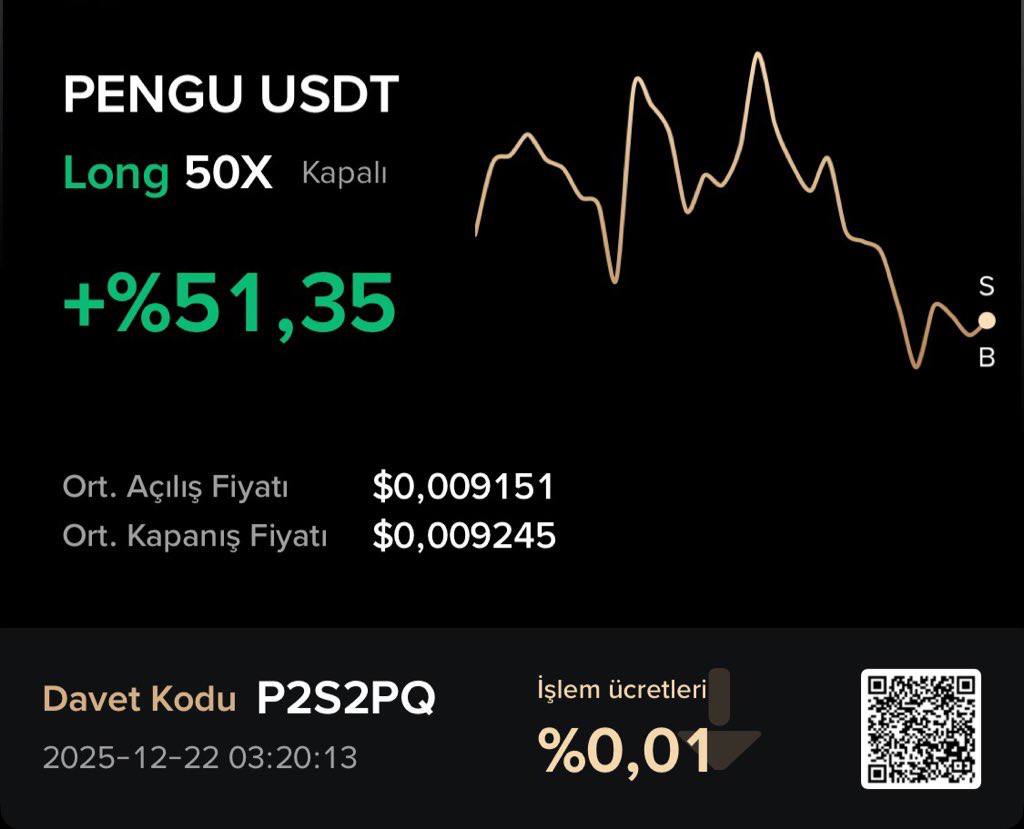
Real results from MEFAI's AI. Get $50 off the Pro plan.
Sponsored · Past performance is not indicative of future results. Not financial advice.

Beyond the immediate technical and institutional pressures, a deeper narrative shift is beginning to weigh on crypto markets. Capital that might otherwise flow into digital assets is increasingly being directed toward artificial intelligence ventures. The AI boom has captured the imagination — and the capital — of both institutional allocators and retail speculators, creating a competitive dynamic that didn't exist during previous crypto bull runs. In previous cycles, crypto was often the only high-growth, technology-adjacent asset class available to risk-seeking investors. That is no longer the case.

The competition from AI is not merely anecdotal. Venture capital firms, hedge funds, and even retail traders now have a parallel universe of AI stocks, AI tokens, and AI infrastructure projects demanding their attention and their capital. This分流 of speculative interest reduces the marginal dollar flowing into crypto and makes it harder for the market to sustain momentum during rallies — or to find buyers during sharp selloffs like the one experienced this week. For crypto market participants, recognizing that the competitive landscape for attention and capital has fundamentally changed is essential to understanding why recoveries may be slower and more selective going forward.
Fed Rate Hike Fears Compound the Pain
Adding macroeconomic insult to crypto-specific injury, fears of further Federal Reserve interest rate hikes haunted risk assets throughout the week. Higher interest rates are structurally unfavorable for speculative assets like cryptocurrencies because they increase the opportunity cost of holding non-yielding investments and tighten financial conditions across the board. When the prospect of tighter monetary policy collides with already-weak crypto market sentiment, the result is the kind of cascading selloff that observers witnessed this week.
The Fed's hawkish posture has created an environment where traditional safe-haven assets like Treasury bonds offer increasingly attractive yields, pulling capital away from volatile alternatives. For crypto investors, the macro backdrop is now an inescapable variable that can overwhelm fundamentals, on-chain metrics, and technical analysis. The days when crypto could trade in isolation from traditional monetary policy are effectively over. Any investor holding significant crypto allocations needs to incorporate macro analysis — particularly around Federal Reserve policy — into their framework, because the correlation between crypto drawdowns and rising rate expectations has become too consistent to ignore.
A $7 Billion Liquidation Cascade Amplified the Rout
One of the most dramatic aspects of this week's selloff was the sheer scale of leveraged position liquidations. Approximately $7 billion in leveraged trades were wiped out across crypto derivatives markets, representing one of the largest single-week liquidation events of the year. Leveraged traders — those using borrowed funds to amplify their bets on price direction — were caught offside as prices moved against them with stunning speed, triggering forced selling that fed back into the spot market and pushed prices even lower.

This liquidation cascade illustrates a structural vulnerability that has become increasingly prominent in crypto markets. As leverage has become more accessible through a proliferation of derivatives platforms and perpetual swap contracts, the potential for self-reinforcing selloffs has grown. When a large number of leveraged long positions are clustered at similar price levels, a moderate decline can trigger a chain reaction of liquidations that transforms a manageable pullback into a full-blown rout. The $7 billion wipeout this week was not just a symptom of the market decline — it was a significant cause of it. Retail and institutional traders alike should take this as a stark reminder that leverage in crypto markets is a tool that can destroy portfolios with extraordinary speed, regardless of how strong one's directional conviction may be.
What Investors Should Watch Next
As the dust settles from one of the most significant weekly drawdowns since the FTX crisis, the immediate question for investors is whether this marks a capitulation bottom or merely a pause in a larger downtrend. Bitcoin's position just above $60,000 is a critical technical and psychological level. A sustained break below it could open the door to further significant declines, while a firm defense of that area could establish the foundation for an eventual recovery. For ether, the 22% weekly drop has pushed the asset to levels that will test the conviction of long-term holders and the valuations of protocols built on the Ethereum network.
Beyond price levels, investors should closely monitor ETF flow data in the coming days and weeks, as the trajectory of institutional capital will be one of the most important indicators of whether confidence is returning. Similarly, any signals from Strategy about its future bitcoin buying or selling plans will be scrutinized intensely. On the macro front, the Federal Reserve's next policy communications will be parsed for any shift in tone that could ease or intensify the pressure on risk assets. The crypto market has weathered severe drawdowns before and emerged stronger, but each cycle demands its own analysis of whether the structural conditions support recovery. Right now, caution is warranted — not because the long-term case for digital assets is broken, but because the short-term environment remains genuinely hostile across multiple dimensions.
More in Crypto & Trading

Crypto Money Meets British Politics: The Nigel Farage Tether Gift Scandal Explained
Reform UK's Nigel Farage faces scrutiny over a £5M gift from Tether billionaire Christopher Harborne, raising questions about crypto money in politics and UK regulatory transparency.

South Korea’s Crypto Crackdown: How a Political Nepotism Probe Is Reshaping Exchanges and Regulation
A South Korean lawmaker’s alleged influence over his son’s hiring at crypto exchanges has triggered police raids and a wider probe into hiring practices at Bithumb and Upbit, signaling tougher scrutin

AI Crypto Trading Tools: The 2026 Buyer's Guide to Smarter Signals, Bots, and Analysis
This guide demystifies AI crypto tools, comparing trading bots, signal services, and analytics platforms to help you choose the right AI-powered solution for your trading style and experience level.