
Crypto rebounds on tame core inflation, but only Bitcoin resists weekly losses
By Mag-Info Tech editorial · 2026-06-11
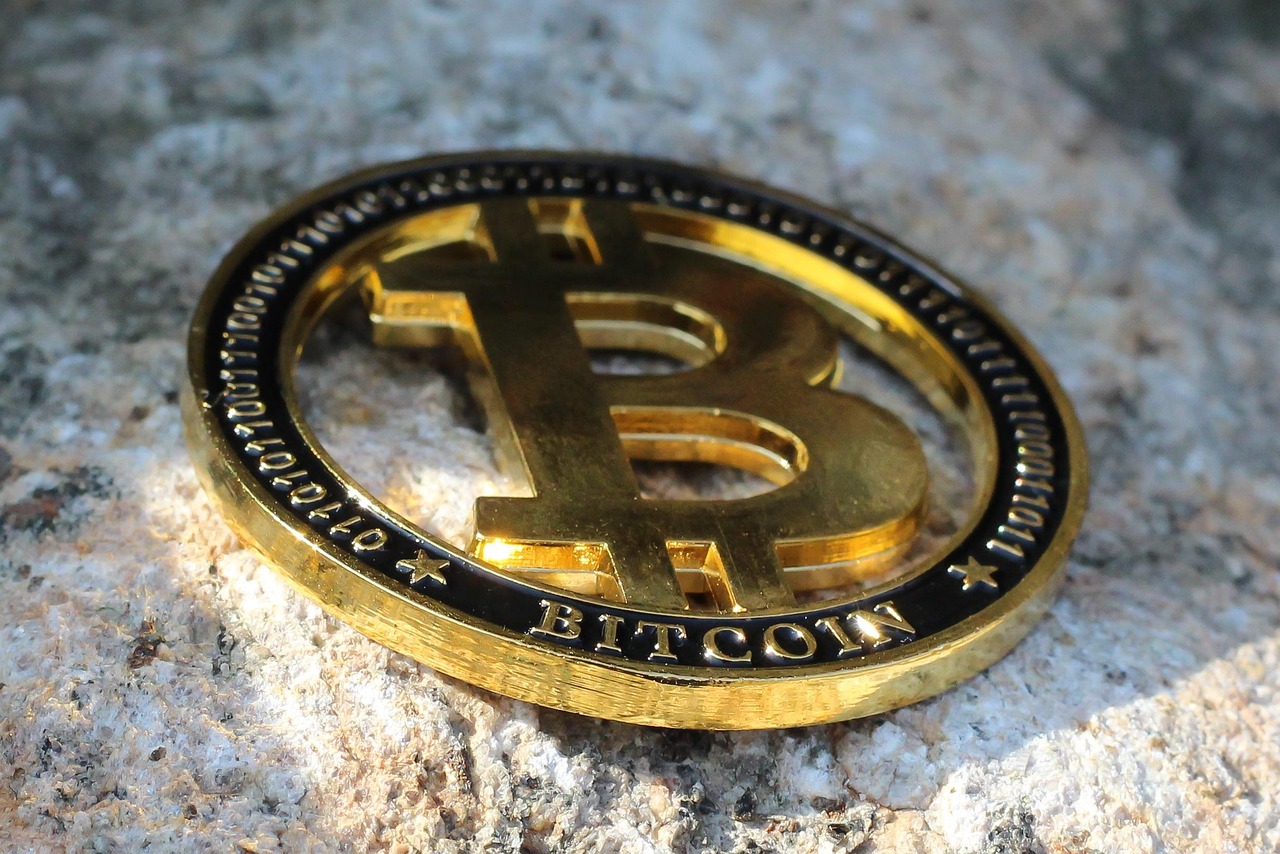
Last week’s U.S. consumer-price data sent mixed signals that briefly lifted crypto markets, but the gains were shallow and uneven. Headline inflation accelerated on the back of higher energy costs, yet core inflation—which the Federal Reserve tracks to set policy—rose less than expected. Bitcoin was the main beneficiary, inching higher and limiting its weekly decline to less than 1%, while ether and most large alternative tokens slipped 6–8% over seven days. Traders now face a narrow window between a still-restrictive Fed stance and signs that price pressures outside energy are cooling, with the central bank’s June 17 meeting looming. At the same time, a fresh catalyst emerged as SpaceX’s highly anticipated share sale priced late Thursday and was set to begin trading Friday at a reported $1.8 trillion valuation, underscoring the broader market’s sensitivity to liquidity and risk appetite.
How inflation data moved the majors
Thursday’s CPI report showed headline prices rising 0.5% month-over-month and 4.2% year-over-year, the fastest annual pace since April 2023. The increase was driven largely by energy, which climbed 3.9% on the month and accounted for more than 60% of the gain as oil prices reacted to geopolitical tensions around Iran. Yet beneath the surface, core inflation—which excludes food and energy—rose just 0.2% month-over-month, below the 0.3% forecast, and slowed to a 2.9% annual pace. That split outcome gave both hawks and doves ammunition: headline strength suggested the Fed could remain cautious, while core weakness hinted that inflationary pressures were narrower and potentially transitory. Bitcoin reacted first, climbing roughly 1.9% over 24 hours to around $62,600, according to market data. The move underscored Bitcoin’s role as a liquid, high-beta asset that traders often treat as a relative safe haven when macro uncertainty spikes.
The rebound, however, was short-lived and uneven across the complex. While Bitcoin managed to pare its weekly decline to less than 1%, ether and the largest alternative tokens extended their weekly losses. Ether was down about 6.5% near $1,651, XRP fell 7.5% to roughly $1.12, Solana declined 7.4% around $65, and dogecoin slipped 7%. BNB showed relative resilience with a 2.1% weekly loss. The disparity highlights Bitcoin’s unique position in crypto portfolios: it is both a risk asset and, in the eyes of some investors, a quasi-monetary hedge. Meanwhile, altcoins—particularly those with heavier exposure to DeFi, smart-contract platforms, and meme narratives—remain more sensitive to liquidity conditions and speculative flows. For traders, the message is clear: headline CPI prints can spark short covering or positioning shifts, but sustained moves require confirmation across multiple data prints and Fed communication.
What the Fed’s June meeting could mean
Markets currently expect the Federal Reserve to leave interest rates unchanged at its June 17 meeting, but the tone of the statement and the dot plot will be closely scrutinized for clues about the path ahead. The hot headline inflation figure gives hawks rhetorical cover to argue for a prolonged restrictive stance, while the softer core print offers doves room to push for patience or even a more accommodative tilt if further data confirm cooling. Fed Chair Jerome Powell’s recent remarks have emphasized a data-dependent approach, and the central bank’s updated Summary of Economic Projections will be parsed for any changes to the median rate path or growth and inflation forecasts. For crypto, the stakes are twofold. First, higher-for-longer rates typically tighten financial conditions, which can weigh on liquidity-sensitive assets like altcoins and early-stage venture plays. Second, the market’s interpretation of the Fed’s guidance could amplify or dampen the “Fed put” narrative—that policymakers will intervene if markets destabilize—even though crypto assets sit outside traditional monetary policy transmission channels.
Historically, crypto has shown sensitivity to broader risk sentiment, and equities often lead moves in digital assets during periods of macro reassessment. If the Fed signals a more cautious or even hawkish stance, risk assets could face renewed pressure, potentially pulling Bitcoin lower despite its recent resilience. Conversely, if the Fed signals confidence that inflation is sustainably cooling, even if rates stay elevated for longer, crypto’s beta to liquidity could reassert itself and support a broader rebound. Traders should watch not only the rate decision but also the Fed’s language on inflation persistence, labor market conditions, and balance-sheet runoff. Any shift toward emphasizing progress on core inflation could reinforce the “good news is bad news” dynamic for crypto—where cooling inflation reduces the urgency for rate cuts, keeping pressure on risk assets.

SpaceX’s market debut adds another layer of liquidity focus
Thursday’s pricing of SpaceX’s share sale at a reported $1.8 trillion valuation—and its expected debut on Friday—has added a fresh liquidity event to the calendar. The offering was described as more than four times oversubscribed, with some large investors reportedly bidding as much as $10 billion for shares. While SpaceX is not a crypto company, its public debut is emblematic of the current market environment, where private tech giants are tapping public markets at lofty valuations amid strong investor demand. The event could draw capital from broader risk markets, including equities and crypto, depending on how allocations are structured and whether early investors take profits post-listing.
For crypto traders, SpaceX’s debut serves as a reminder that liquidity events—whether from traditional markets or within crypto itself—can create short-term volatility. If the listing is well-received and the stock performs strongly, it may reinforce appetite for high-growth tech exposure, which could spill over into crypto markets. Conversely, if the market interprets the valuation as excessive or if post-listing volatility dampens sentiment, risk appetite could wane. Either way, the event underscores the interconnectedness of liquidity cycles across asset classes, even when the underlying catalysts are distinct.
Where Bitcoin stands after the bounce
Bitcoin’s ability to limit its weekly decline to less than 1%—and to hold its 200-week moving average—suggests a degree of resilience not shared by its peers. The 200-week average has historically acted as a key support level during bear-market retests, and its hold signals that, for now, sellers have not overwhelmed buyers despite the broader altcoin weakness. This resilience may reflect Bitcoin’s growing adoption as a portfolio hedge by institutional allocators and its role in regulated investment products like spot ETFs, which continue to see inflows. Data show that while corporate Bitcoin purchases have slowed recently, the ETF channel remains a steady source of demand, helping to absorb selling pressure.
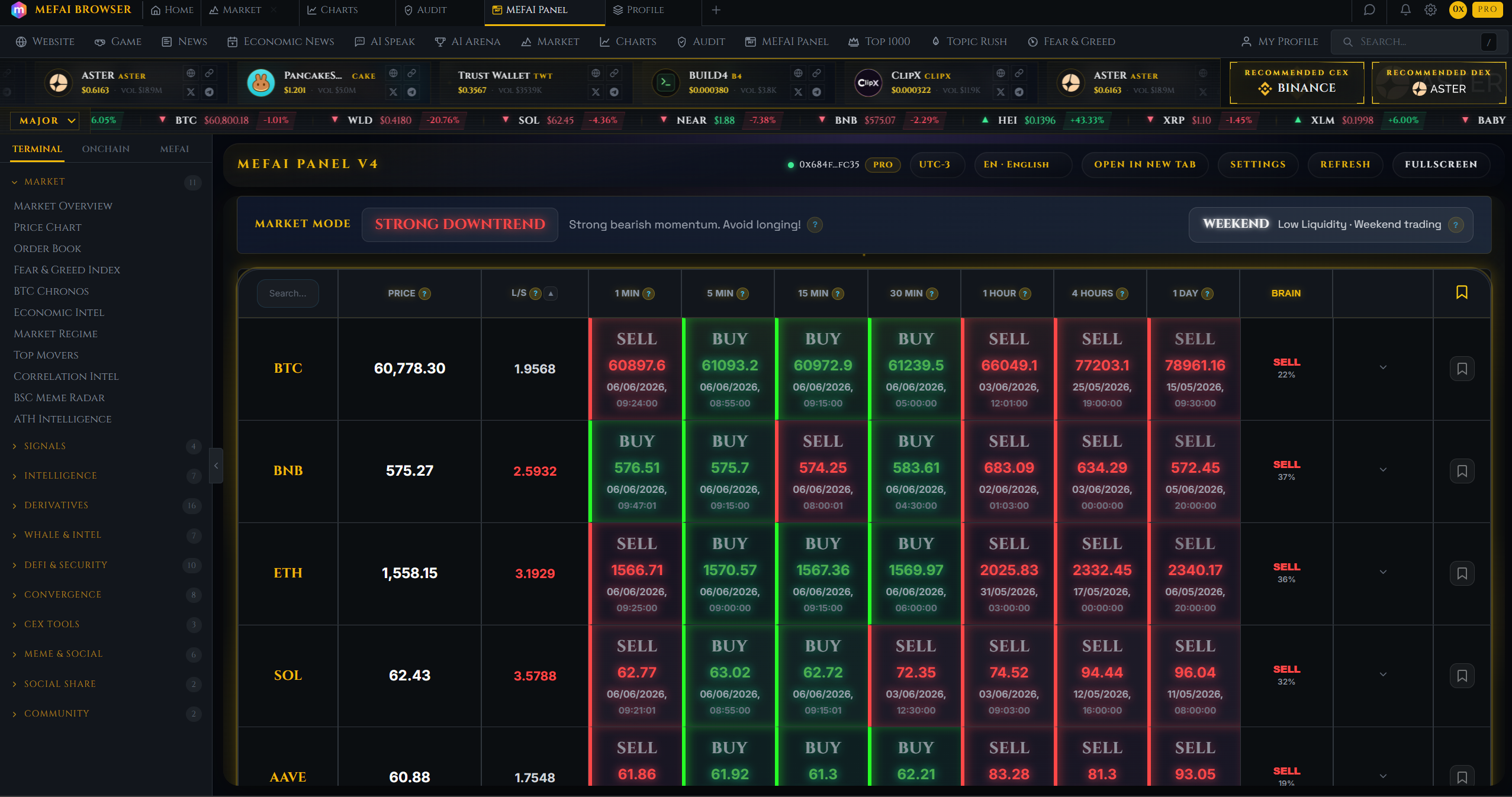
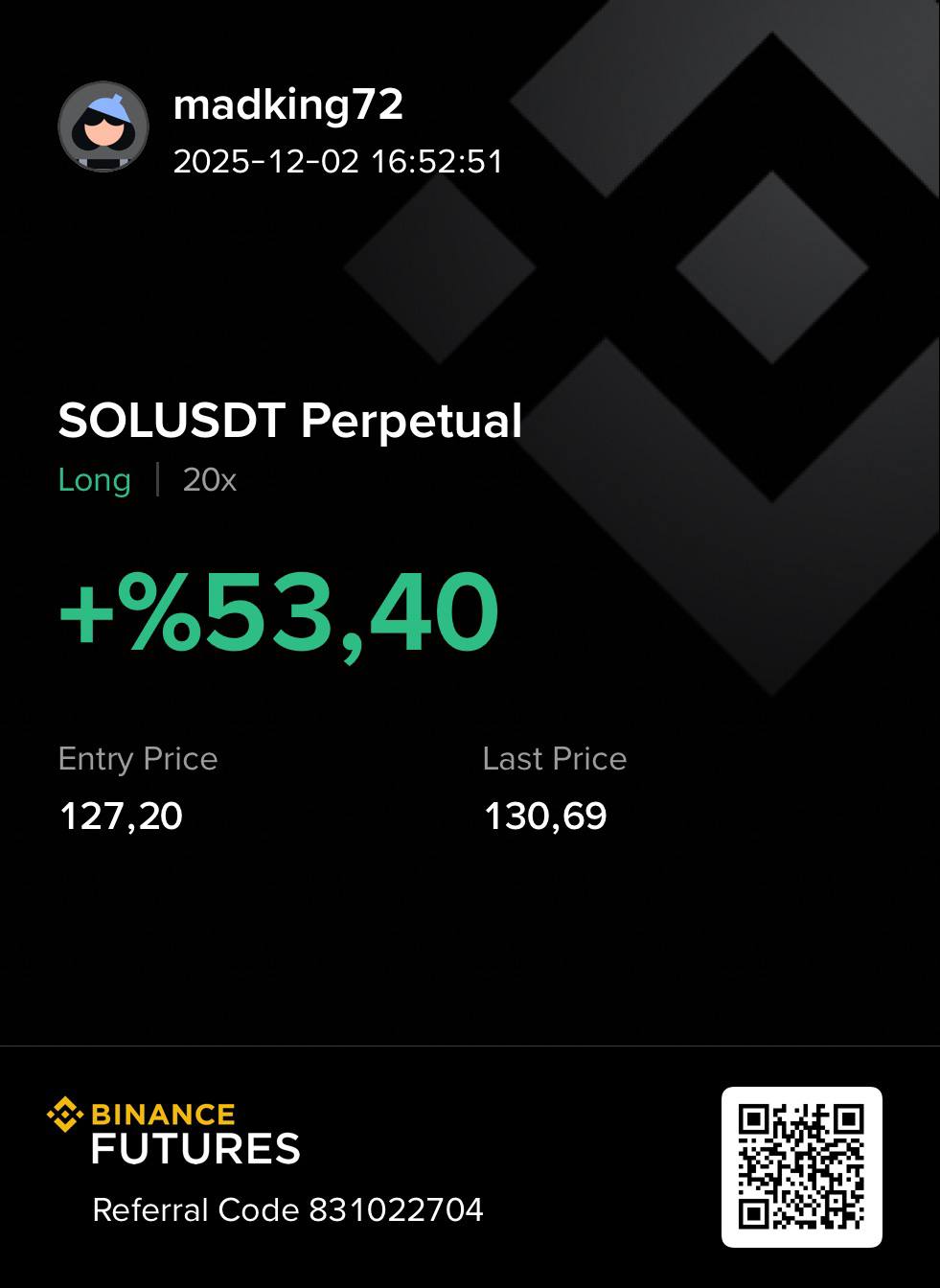
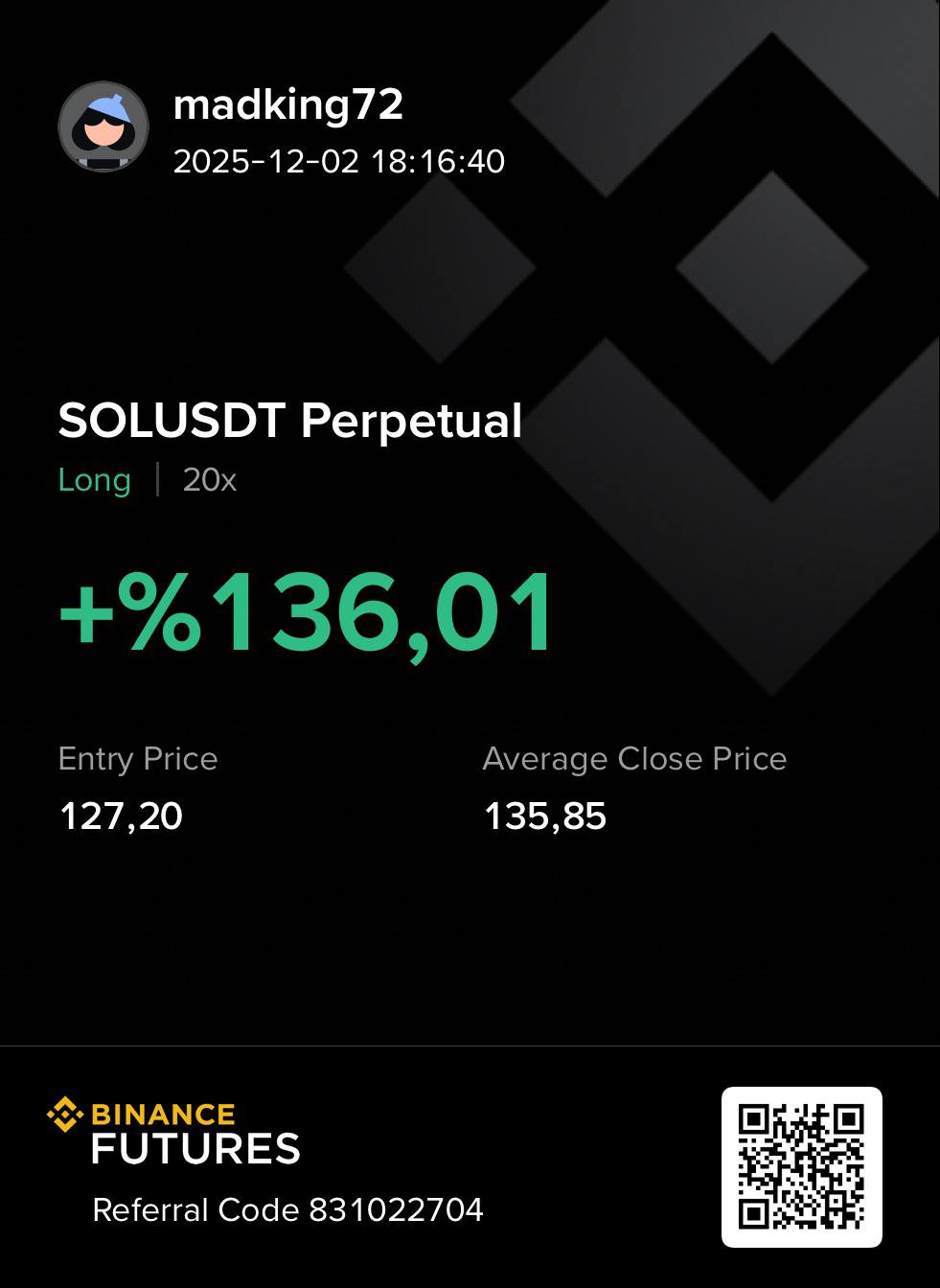
Real results from MEFAI's AI. Get $50 off the Pro plan.
Sponsored · Past performance is not indicative of future results. Not financial advice.

Still, the sustainability of Bitcoin’s outperformance depends on whether macro conditions stabilize. If core inflation continues to cool and the Fed signals a more accommodative stance in the second half of the year, Bitcoin could benefit from a broader risk-asset rebound. But if energy-driven inflation proves stickier or if the Fed pushes back against premature easing, Bitcoin’s relative strength may fade. Traders should monitor both the price action around the 200-week average and the volume profile on rallies and pullbacks. A sustained break below this level could shift sentiment and accelerate declines across the complex.

Why altcoins lagged and what to watch next
Ether and the largest alternative tokens fell 6–8% over the week despite the macro bounce, highlighting their sensitivity to liquidity and speculative sentiment. Unlike Bitcoin, which benefits from its monetary narrative and ETF flows, altcoins are more directly tied to ecosystem growth, developer activity, and liquidity conditions in DeFi and NFT markets. When risk appetite wanes or funding rates turn negative, altcoins typically underperform as traders rotate into more liquid or perceived safer assets. In this case, the combination of a hot headline CPI, a cautious Fed outlook, and a major tech IPO hitting the tape created a headwind for higher-beta assets.
Looking ahead, altcoin performance will likely hinge on two factors: liquidity conditions and on-chain fundamentals. On the liquidity side, traders should watch for signs that stablecoin supply is expanding or that funding rates in perpetual futures are turning positive, both of which can precede altcoin rallies. On the fundamentals side, attention should remain on network activity, fee burns, and ecosystem developments for Ethereum and Solana, as well as regulatory clarity for tokens like XRP. Until these conditions improve, altcoins may continue to lag Bitcoin in any sustained recovery.
Practical takeaways for traders and investors
For short-term traders, the recent price action underscores the importance of distinguishing between headline moves and underlying trends. Thursday’s bounce was driven by a single data point—core CPI—rather than a shift in liquidity conditions or adoption metrics. As such, rallies may be shallow and prone to reversal if subsequent data disappoints or if Fed communication leans hawkish. Position sizing and tight risk management remain critical, especially in altcoins, where volatility can quickly erase weekly gains.
For longer-term investors, the current environment may present selective opportunities, particularly in Bitcoin. The asset’s resilience around key support levels and continued ETF inflows suggest that, over time, structural demand remains intact. However, patience is warranted until macro uncertainty clears. In altcoins, a more constructive stance may require confirmation of improving fundamentals and liquidity conditions, such as sustained increases in developer activity or stablecoin supply growth. Until then, tilting portfolios toward Bitcoin—or toward higher-quality, liquid altcoins—could help manage risk while awaiting clearer macro and on-chain signals.

What to watch in the coming weeks
The next major catalyst is the Federal Reserve’s June 17 policy decision, where the statement, dot plot, and press conference will shape rate expectations for the second half of the year. Traders should also monitor energy prices, given their outsized impact on headline inflation, and any new geopolitical developments that could affect oil supply. Within crypto, keep an eye on spot ETF flows, particularly for Bitcoin, as these can provide real-time signals of institutional demand. For altcoins, watch for signs of rotation into DeFi and smart-contract platforms, as well as any regulatory updates that could affect specific tokens.
Finally, SpaceX’s market debut will be a test case for liquidity absorption in tech markets. If the listing is well-received and capital remains abundant, risk assets—including crypto—could benefit. If, however, the market interprets the valuation as frothy or if post-listing volatility dampens sentiment, risk appetite could cool. Either way, the event serves as a reminder that liquidity cycles, whether from traditional markets or within crypto, can create short-term volatility that traders must navigate carefully.
In sum, the recent inflation-driven bounce lifted Bitcoin but left altcoins lagging, highlighting the complex interplay between macro data, Fed policy, and liquidity cycles. The path forward will depend on whether core inflation continues to ease and whether the Fed’s guidance aligns with the market’s easing expectations. Until then, disciplined risk management and selective exposure remain the most prudent approach for navigating an uncertain but cautiously optimistic environment.
More in Crypto & Trading

Corporate Bitcoin Treasury Buying Slows as Price Sinks Below $60,000
Corporate bitcoin treasuries have cut daily purchases from over $500 million to minimal levels this month, removing a key demand source just as spot ETFs see heavy outflows and the price drops below $
Bitcoin and Gold Face Pressure as US Inflation Hits Three-Year High
Bitcoin and gold prices have fallen sharply in 2026 as US inflation hit 4.2% in May, the highest in three years, raising the likelihood of higher interest rates and reduced liquidity for risk assets.

Why an Anthropic IPO Could Tie Bitcoin Closer to the AI Trade
An Anthropic stock listing would give traders a single AI stock to bet on, tightening bitcoin’s correlation with the AI trade and increasing its sensitivity to Fed policy and risk appetite.