
Bitcoin and Gold Face Pressure as US Inflation Hits Three-Year High
By Mag-Info Tech editorial · 2026-06-11
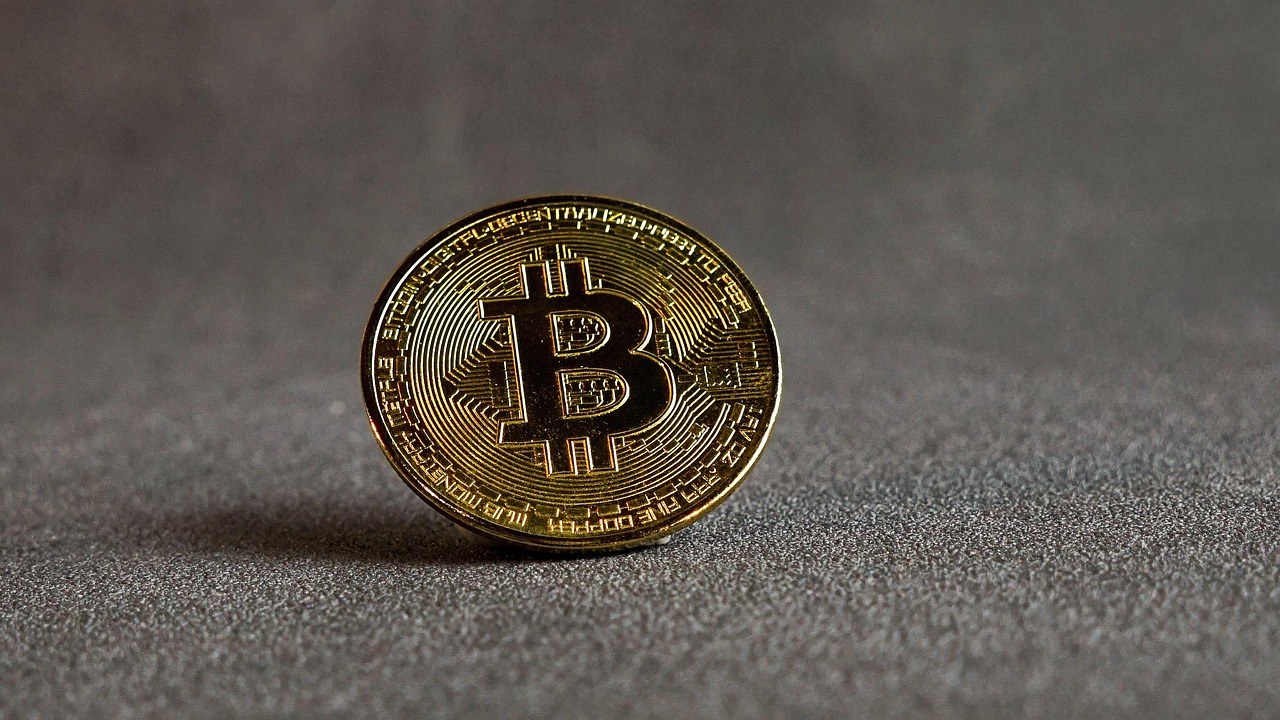
Inflation Surge Raises the Stakes for Risk Assets
US consumer prices rose 4.2% year-over-year in May 2026, the fastest increase since early 2023, according to official data. This sharp rise in inflation has reshaped expectations for Federal Reserve policy, pushing back against hopes for near-term interest rate cuts. Analysts now warn that the central bank may need to raise rates later this year to cool price pressures, which would tighten financial conditions and reduce liquidity across markets. For assets like Bitcoin and gold, which benefit from abundant liquidity and low-rate environments, the shift in policy outlook is a significant headwind.
Bitcoin and gold have already experienced substantial declines in the first half of 2026. Bitcoin’s price has fallen 36% since January, while gold is down 23% from its January peak. These declines reflect not only the rising risk of tighter monetary policy but also a broader reassessment of risk across financial markets. Crude oil prices have moved in the opposite direction, surging more than 50% over the same period, highlighting how different asset classes are responding to shifting macro conditions. Investors are recalibrating portfolios as inflation persistence challenges the narrative that central banks can ease policy soon.
Why Higher Rates Are Bad News for Bitcoin and Gold
Bitcoin and gold are often grouped together as alternative stores of value, but they share a common vulnerability to rising interest rates. When rates rise, the opportunity cost of holding non-yielding assets increases. Investors can earn higher returns in safe, interest-bearing assets like Treasury bonds, making gold and Bitcoin less attractive. This dynamic is especially pronounced when real yields—interest rates adjusted for inflation—are rising. Even if nominal rates stay flat, higher inflation can push real yields up, further pressuring gold and Bitcoin prices.
Analysts point out that “real yields are still the key variable” for gold. Without imminent rate cuts, the cost of holding a non-yielding asset like gold remains elevated. For Bitcoin, the picture is similar. While Bitcoin is often framed as “digital gold,” its price action in 2026 shows it is still treated as a risk asset by many institutional investors. When liquidity tightens and risk appetite wanes, Bitcoin tends to underperform. As one chief investment officer noted, “an in-line inflation print is unlikely to be a clean catalyst either way,” meaning the data alone won’t spark a shift in market direction. Instead, trading is likely to remain driven by positioning and expectations around future policy moves.
Institutional Sentiment Remains Cautious
Institutional investors, who have been key drivers of Bitcoin adoption in recent years, are showing caution in the current environment. Markus Thielen of 10x Research stated that the current macro backdrop is “a continued headwind for Bitcoin.” He added that the latest inflation data is “not sufficiently encouraging to prompt Wall Street investors to meaningfully reallocate into Bitcoin.” This reflects a broader skepticism about whether Bitcoin can serve as an effective hedge against inflation when central banks are tightening policy rather than easing it.

The hesitation is understandable. Bitcoin’s price performance in 2026 has been volatile and negative year-to-date, and its correlation with traditional risk assets like equities has increased during periods of market stress. This makes it harder for Bitcoin to decouple and act as an independent hedge. For institutional portfolios that allocated to Bitcoin in part for its diversification benefits, the current environment is testing that thesis. Without a clear path toward rate cuts or sustained inflation easing, many institutions may delay or reduce their Bitcoin exposure.
Gold’s Role as a Hedge Is Also in Question
Gold has long been viewed as a reliable hedge against inflation and currency debasement. However, its performance in 2026 suggests that the traditional playbook may not be working as expected. Despite rising inflation, gold prices have declined from their January peak, and analysts warn that the asset remains under pressure. The issue is not just inflation itself but the broader macro context—rising real yields and a stronger US dollar are both headwinds for gold.
The US dollar has strengthened in 2026 as investors price in the likelihood of higher US rates relative to other major economies. A stronger dollar makes gold, which is priced in dollars, more expensive for foreign buyers, reducing demand. Meanwhile, higher real yields increase the attractiveness of interest-bearing assets, further sapping demand for gold. These factors have combined to create a challenging environment for gold investors, even as inflation remains elevated.
What This Means for Retail and Institutional Investors
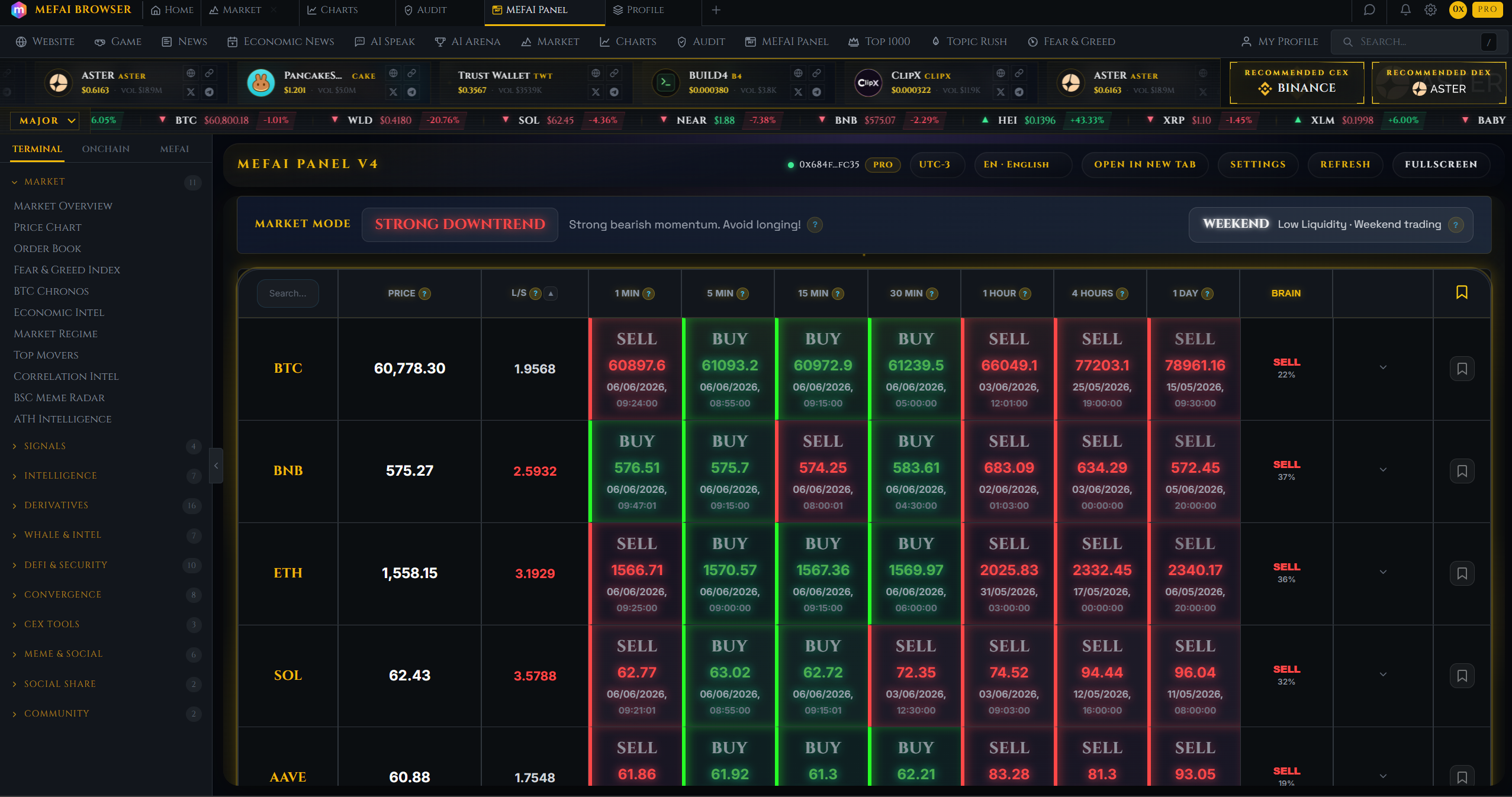
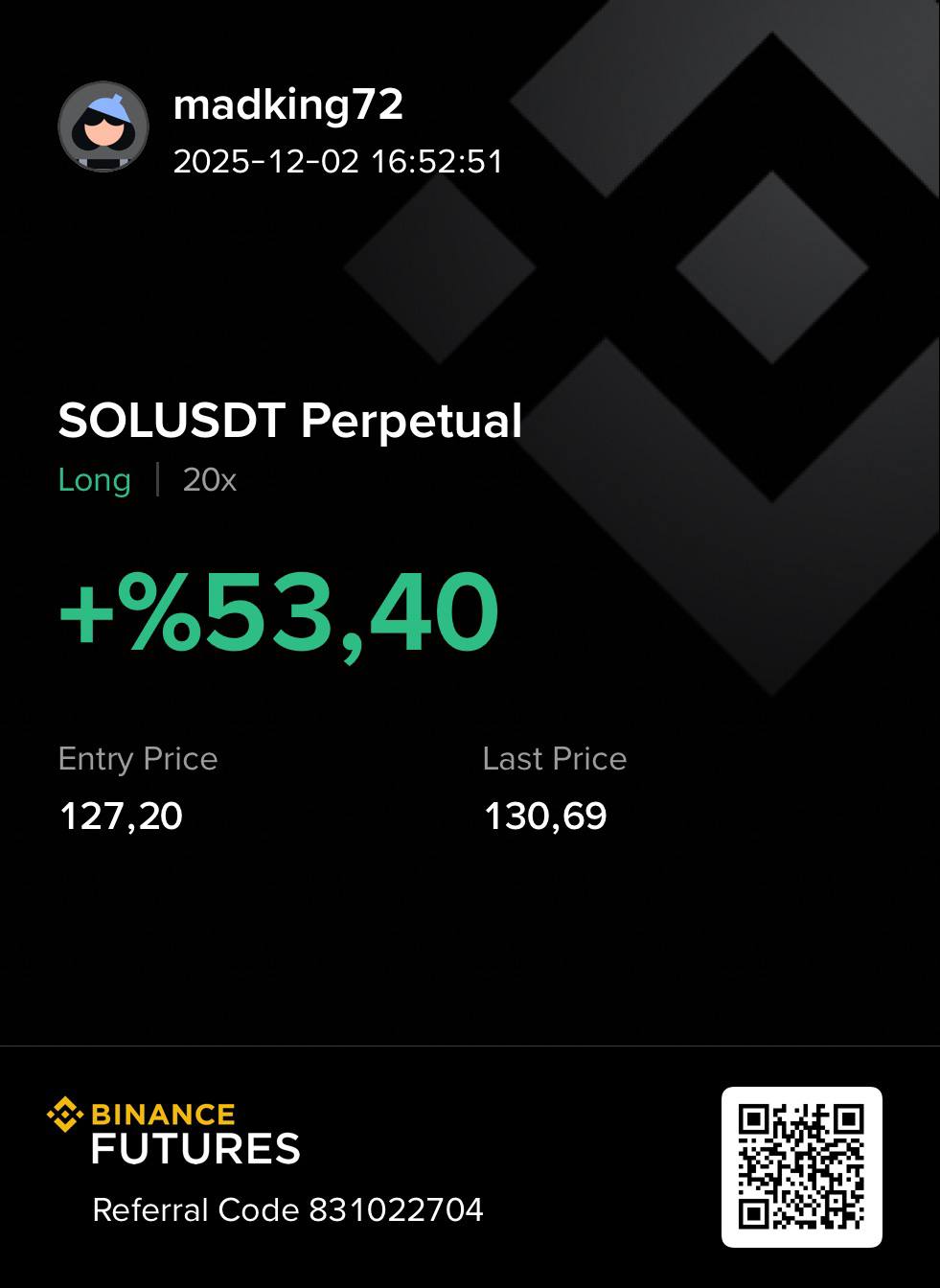
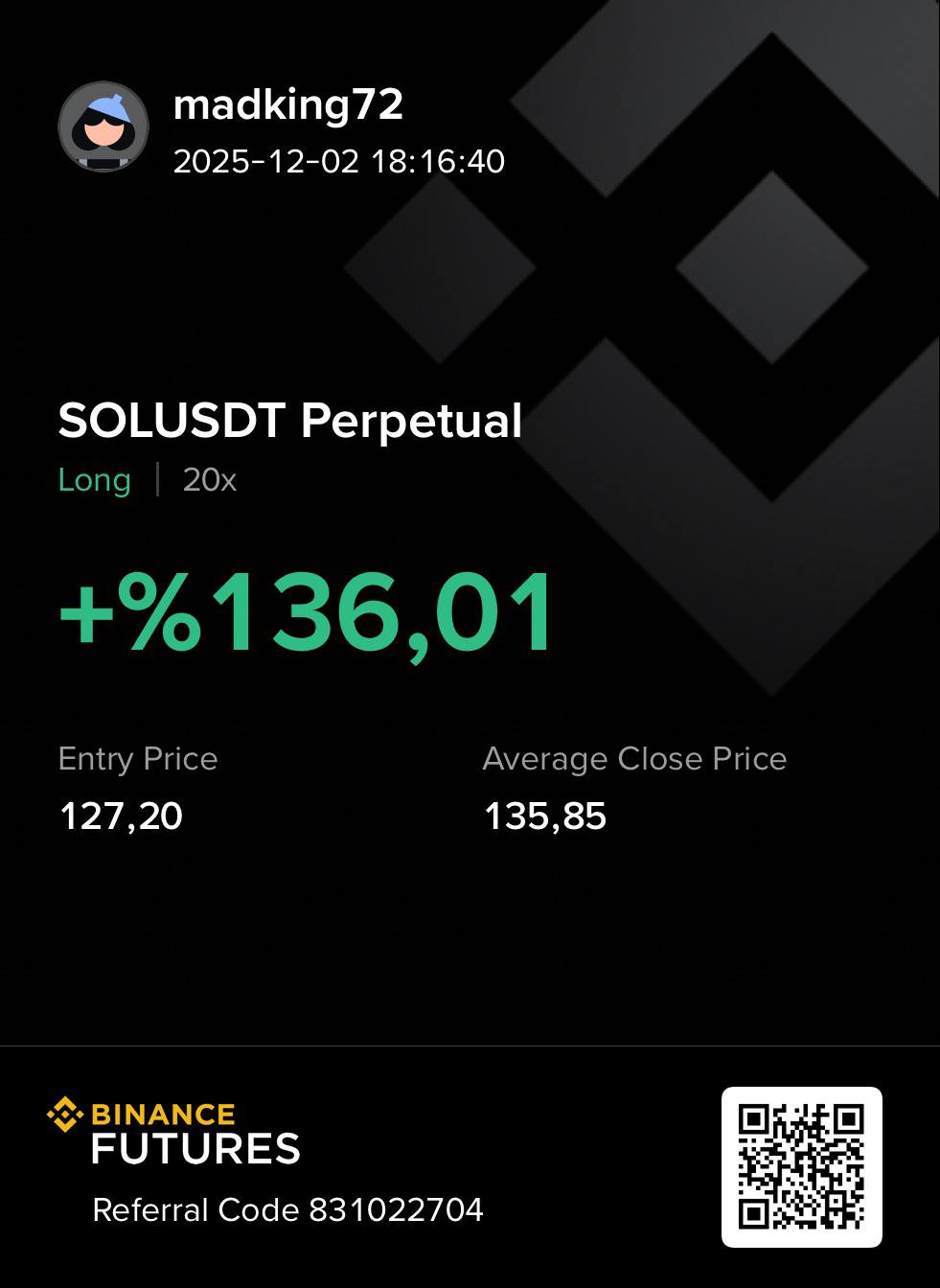
Real results from MEFAI's AI. Get $50 off the Pro plan.
Sponsored · Past performance is not indicative of future results. Not financial advice.

For retail investors, the current environment underscores the importance of diversification and risk management. Bitcoin and gold are not guaranteed hedges, especially when central banks are tightening policy. Investors who entered these markets expecting protection against inflation may need to reassess their strategies. It may be prudent to reduce exposure or hedge positions, especially if inflation remains stubbornly high and rate cuts are delayed.

Institutional investors should consider the liquidity and volatility implications of holding Bitcoin and gold in a tightening cycle. While both assets can offer diversification benefits, their performance is highly sensitive to changes in monetary policy and market sentiment. Institutions may need to adjust allocation sizes or implement hedging strategies to manage downside risk. The idea that Bitcoin and gold can act as uncorrelated stores of value is being tested, and investors should not assume past performance will repeat.
The Broader Market Context: Oil and Equities Diverge
While Bitcoin and gold have struggled, crude oil prices have surged over 50% in 2026. This divergence highlights how different asset classes respond to the same macro drivers. Rising oil prices are typically associated with strong economic activity and inflationary pressures, which can support risk assets like equities. However, the stock market’s reaction to the latest inflation data has been mixed, suggesting that investors are cautious about the sustainability of the economic expansion.
Equity markets have shown resilience in some sectors, but volatility has increased as investors weigh the trade-off between growth and inflation. The divergence between commodities, traditional safe havens, and digital assets underscores the complexity of the current macro environment. Investors need to monitor not just inflation prints but also central bank communications, real yield movements, and geopolitical developments to navigate these cross-currents.
What to Watch Next: Fed Speeches, CPI Releases, and Market Positioning
The next few months will be critical for Bitcoin and gold. Investors should closely watch Federal Reserve communications for any signals about the timing and pace of rate hikes or cuts. Even subtle changes in language can shift market expectations and trigger volatility. The next CPI release, scheduled for mid-July 2026, will be especially important. If inflation cools, it could revive hopes for rate cuts and improve the outlook for risk assets. If inflation remains elevated or reaccelerates, the pressure on Bitcoin and gold will likely intensify.

Market positioning is another key factor. As one analyst noted, “risk assets are trading more on positioning than on a fresh dovish impulse.” This means that even if the macro data doesn’t change, shifts in investor positioning—such as deleveraging or increased hedging—can drive price movements. Traders should monitor futures markets, ETF flows, and on-chain data for Bitcoin to gauge sentiment and potential inflection points.
Practical Takeaways for Investors
For those holding Bitcoin or gold, the current environment calls for a measured approach. Consider reducing exposure if your risk tolerance or investment horizon has changed. If you are a long-term investor, use this period as an opportunity to reassess your thesis and ensure your allocation aligns with your goals. For those considering entering these markets, wait for clearer signs of a policy pivot or sustained inflation easing before making significant commitments.
Diversification remains essential. Consider balancing exposure to Bitcoin and gold with assets that may perform better in a tightening cycle, such as short-duration bonds, inflation-linked securities, or specific sectors that benefit from higher rates. Keep an eye on correlations—if Bitcoin and gold continue to move in lockstep with risk assets, their diversification benefits may be limited.
Conclusion
The surge in US inflation to 4.2% in May 2026 has reshaped the macro landscape, creating headwinds for Bitcoin and gold. Higher inflation and the prospect of tighter monetary policy have reduced liquidity and increased the opportunity cost of holding non-yielding assets. While Bitcoin and gold have long been viewed as hedges against inflation and uncertainty, their performance in 2026 shows that they are not immune to the broader macro environment. Investors should approach these markets with caution, focusing on risk management and diversification. The path forward will depend on Federal Reserve policy, inflation trends, and market positioning—factors that will continue to shape the outlook for Bitcoin, gold, and the broader financial system.
More in Crypto & Trading
Crypto rebounds on tame core inflation, but only Bitcoin resists weekly losses
Bitcoin edged higher after core CPI came in below forecasts, while ether and major altcoins fell 6–8% over the week amid mixed macro signals ahead of the Fed’s June meeting.
Corporate Bitcoin Treasury Buying Slows as Price Sinks Below $60,000
Corporate bitcoin treasuries have cut daily purchases from over $500 million to minimal levels this month, removing a key demand source just as spot ETFs see heavy outflows and the price drops below $

Why an Anthropic IPO Could Tie Bitcoin Closer to the AI Trade
An Anthropic stock listing would give traders a single AI stock to bet on, tightening bitcoin’s correlation with the AI trade and increasing its sensitivity to Fed policy and risk appetite.