
Bitcoin Bounces on Iran War Ceasefire Hopes as Traders Weigh Risk-On Reversal
By Mag-Info Tech editorial · 2026-06-12

Bitcoin clawed back above $63,000 after a seven-day selloff driven by geopolitical risk, as signals that the conflict with Iran could end as early as this weekend pulled risk assets out of negative territory. The rebound put major cryptocurrencies back in the green for the week, reversing steep losses tied to rising oil prices and a broad retreat from risk. Traders now face a short window to assess whether the bounce is durable or another false dawn before a formal agreement is signed.
How a potential Iran deal flipped the macro backdrop
The immediate trigger was a statement that the conflict with Iran had ended, which traders interpreted as removing a key source of upward pressure on oil. With supply disruption risks fading, Brent crude fell and global equities rallied, lifting sentiment across risk assets including cryptocurrencies. The shift was sharpest in Asian markets, where major indexes posted their largest gains in months, signaling a broad risk-on rotation. For crypto, which had been sold alongside growth and tech stocks all week, the sudden shift in macro tone provided breathing room after a volatile stretch that pushed bitcoin to lows last seen in 2024.
The durability of this bounce depends on follow-through from policy and markets. A formal agreement this weekend would likely anchor oil prices lower and keep risk appetite elevated, but any sign of a breakdown or delay could quickly reverse the flows. Traders will watch not only oil and equities but also Treasury yields and the dollar, both of which influence crypto pricing through liquidity and relative attractiveness of dollar-denominated assets.
Bitcoin’s weekly gain masks uneven intraday swings
Bitcoin’s price action over the past seven days highlights how sensitive crypto remains to macro headlines. After falling below $60,000 during the risk-off episode, the digital asset recovered to around $63,550 on Friday, up 1.6% on the day and 1.4% over the week according to available data. The weekly gain breaks a streak of losses but does not erase the volatility. Intraday swings remained wide, with price oscillating between support near prior cycle lows and resistance around recent highs, reflecting uncertainty over whether the ceasefire signals will translate into sustained policy action.

For investors, the recovery is a reminder that bitcoin’s price can pivot quickly on geopolitical news, even when fundamentals like network activity or adoption show little change. The episode underscores the importance of risk management tools such as stop-loss orders or position sizing during periods of heightened headline risk, especially when macro narratives can dominate technical levels.
Broader crypto market follows equities higher
Bitcoin’s rebound coincided with gains across major cryptocurrencies, suggesting the move was not isolated to a single asset. While bitcoin often leads during macro-driven rallies, altcoins including ether and several large-cap tokens also climbed as liquidity conditions improved and traders rotated out of defensive assets. This breadth supports the view that the bounce is part of a broader risk-on shift rather than a narrow, asset-specific rebound.
However, the sustainability of altcoin strength will depend on whether the improved macro backdrop persists. Historically, crypto has shown strong correlation with risk assets during liquidity-driven rallies, but when macro drivers fade, idiosyncratic factors such as token unlocks or regulatory news can quickly reassert influence. Traders should monitor whether volume in altcoin pairs remains robust and whether funding rates in perpetual futures normalize, both of which can signal whether the move is broadening or fading.
Oil’s retreat adds a tailwind for risk assets
Oil prices fell as the prospect of a lasting Iran deal reduced the perceived risk of supply disruptions in the Strait of Hormuz, a critical chokepoint for global crude flows. Lower energy costs ease inflation pressure on central banks and can support consumer spending and corporate margins, both of which indirectly benefit risk assets. For crypto, which has shown sensitivity to energy prices via mining economics and investor risk appetite, the drop in oil removes one headwind that had contributed to the week’s risk-off tone.
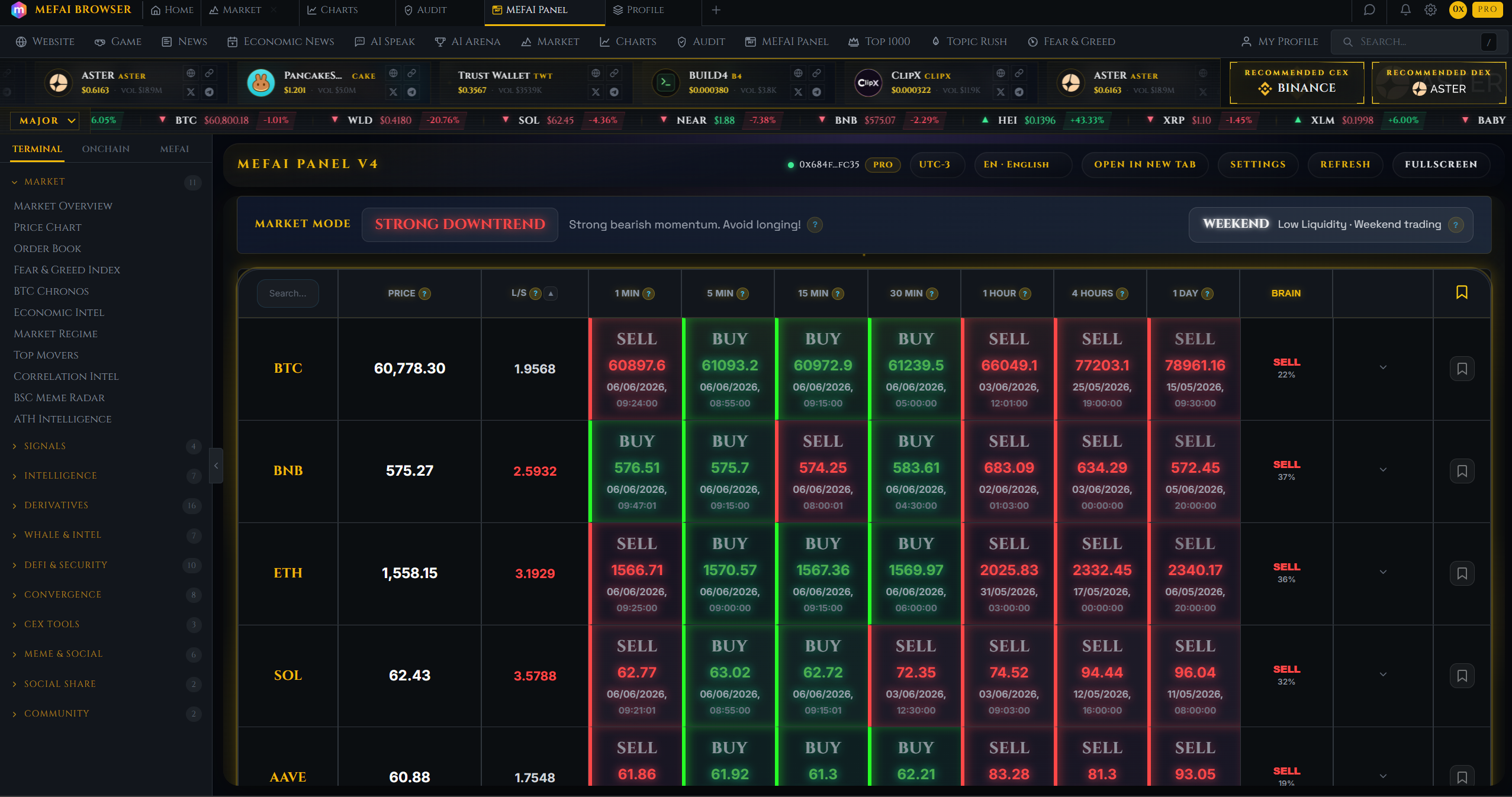
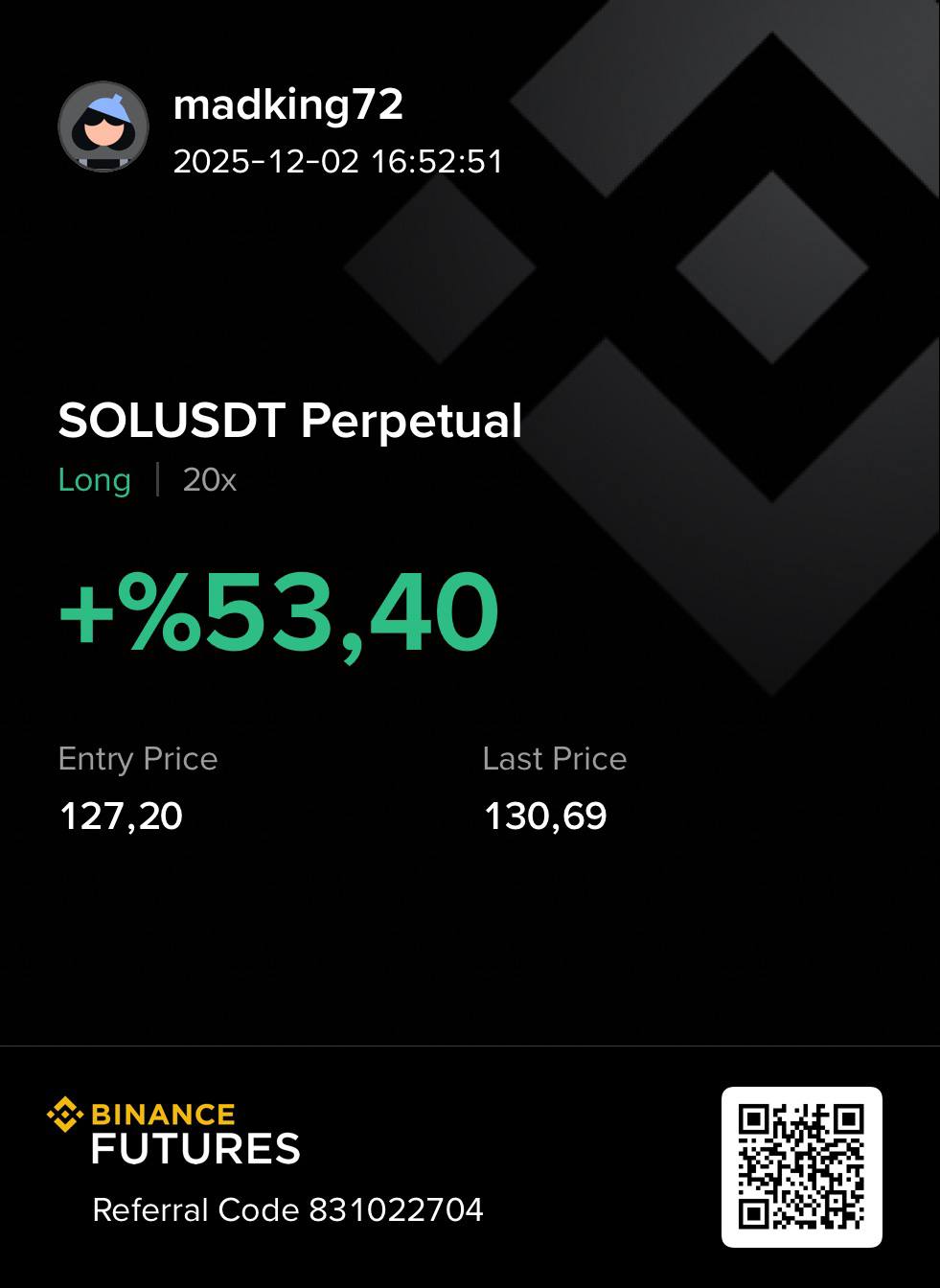
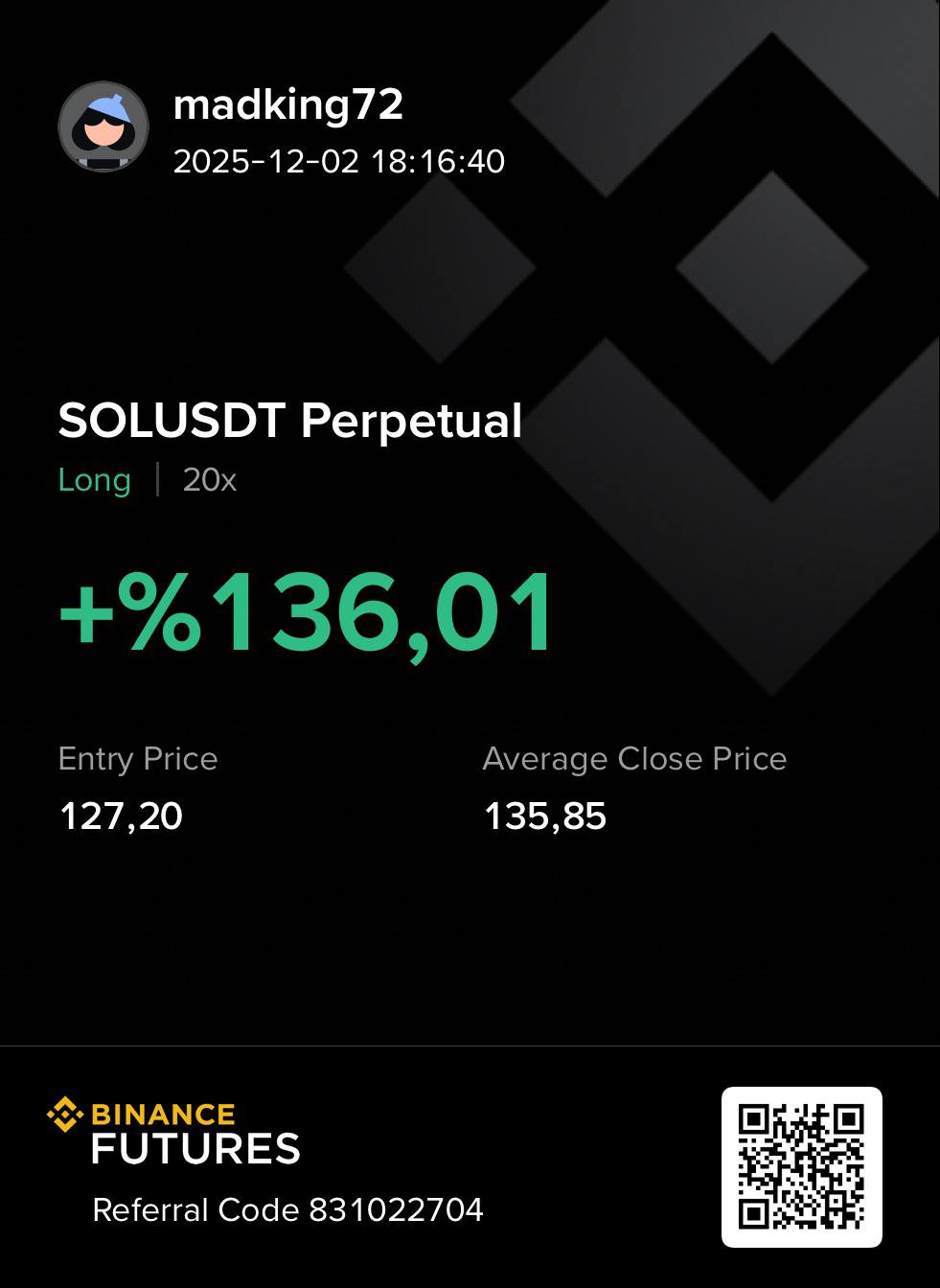
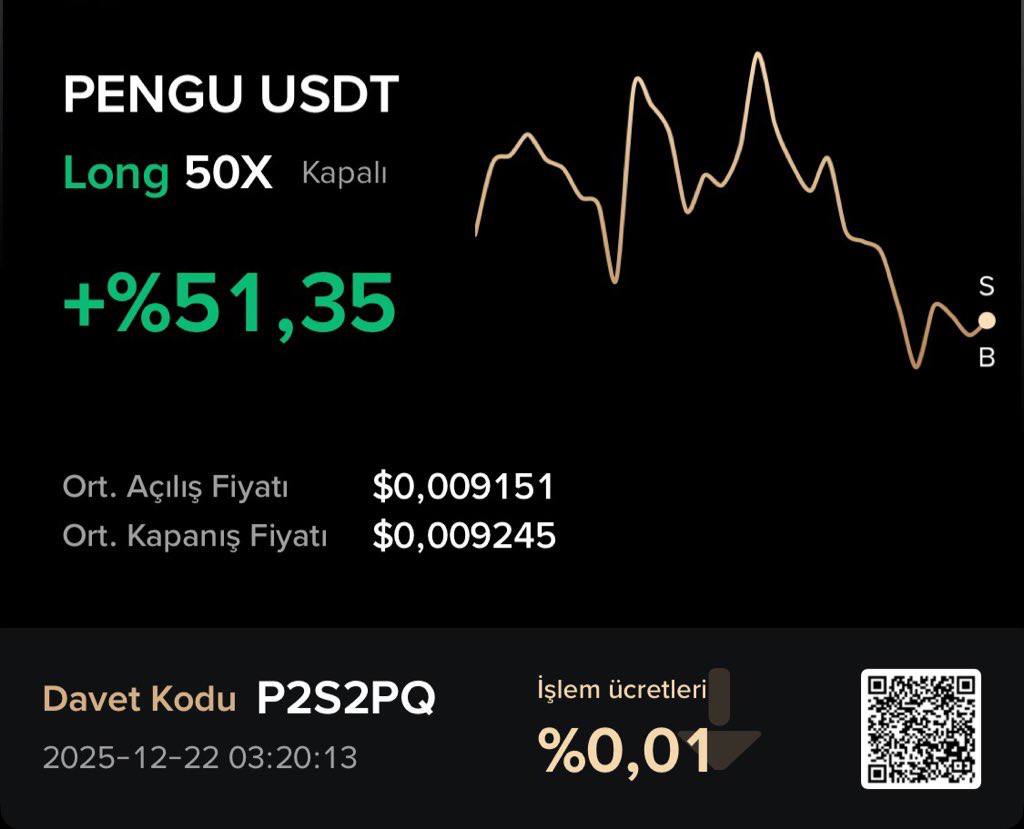
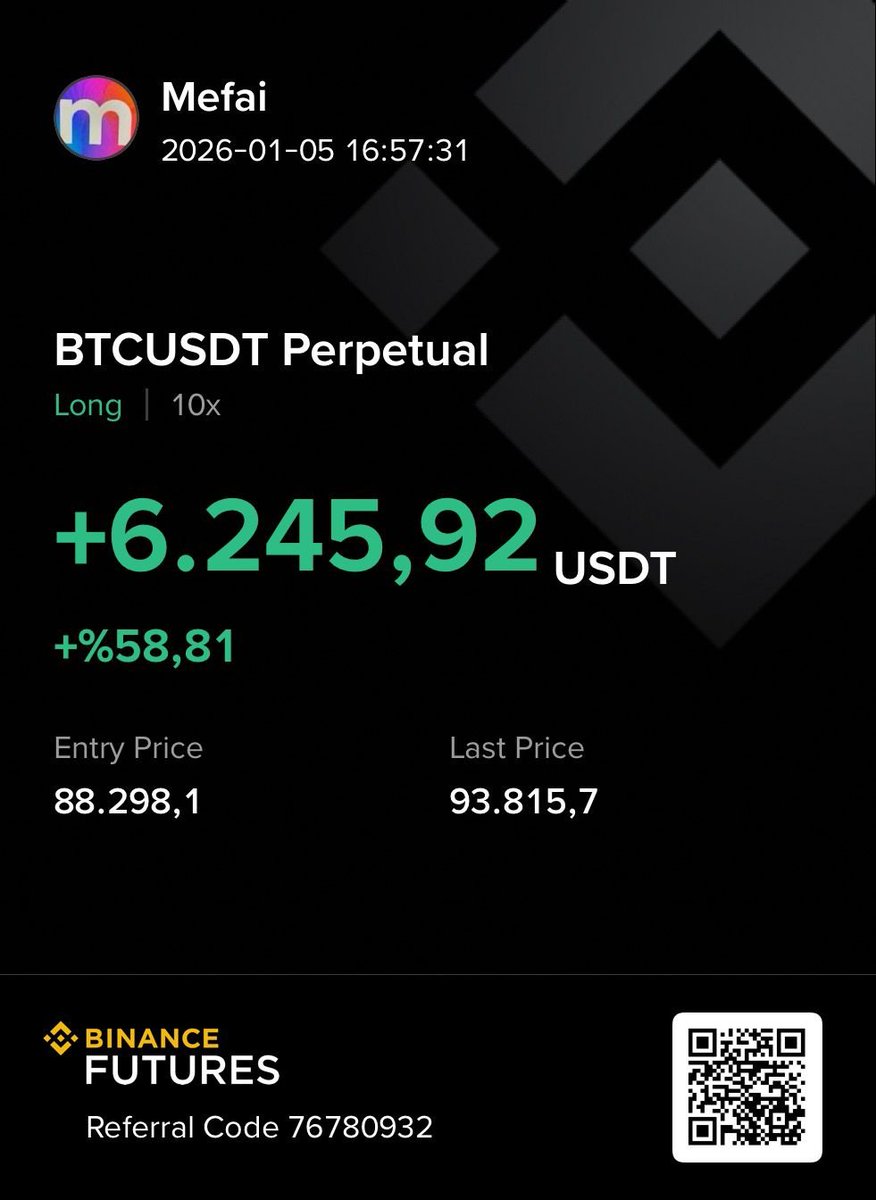
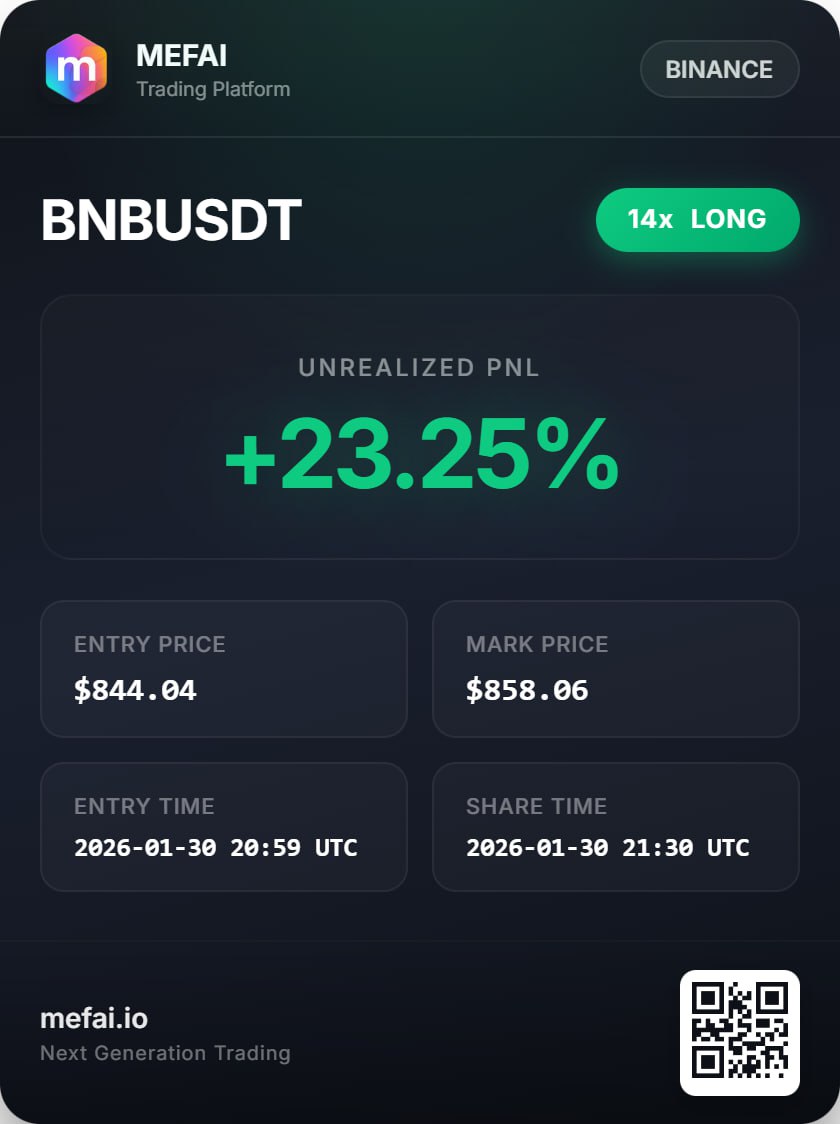
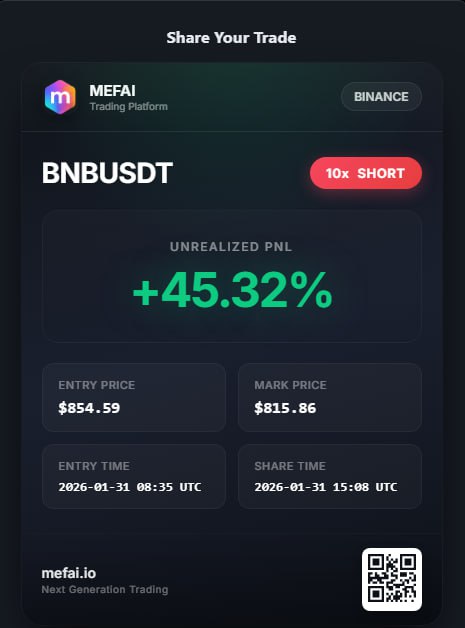
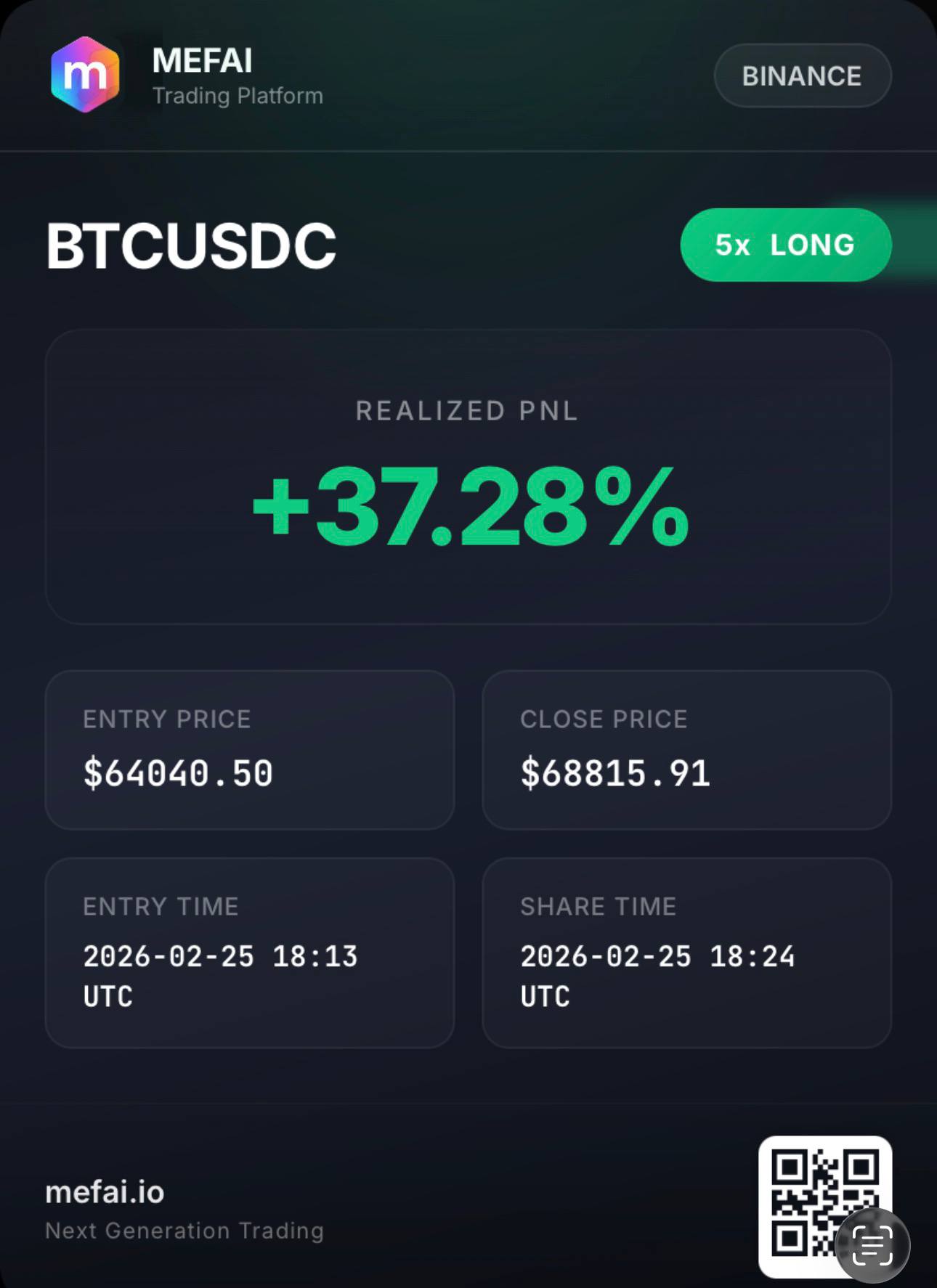
Real results from MEFAI's AI. Get $50 off the Pro plan.
Sponsored · Past performance is not indicative of future results. Not financial advice.


Still, the relationship between oil and crypto is not purely mechanical. While energy costs influence mining profitability and, in turn, selling pressure from miners, the primary channel remains sentiment. When oil spikes, it often signals geopolitical stress that prompts a broader retreat from risk, and vice versa. The recent reversal shows how quickly sentiment can flip when the perceived stress abates, even if underlying fundamentals in crypto or oil markets have not changed materially.
What traders should watch next: data, policy and positioning
The coming days will bring several catalysts that could validate or undermine the current bounce. First, any concrete steps toward a formal Iran agreement—such as an in-person signing or joint statement—would likely reinforce the risk-on tone and could push bitcoin toward recent resistance levels. Conversely, reports of delays, new conditions, or any military activity would quickly reverse the flows. Traders should track headlines closely and consider setting alerts around key policy milestones.
Second, on-chain and derivatives data will reveal whether the rebound is supported by genuine accumulation or merely short covering and algorithmic buying. Metrics such as exchange inflows and outflows, realized price bands, and futures open interest can indicate whether long-term holders are re-entering or if the move is speculative. For example, if exchange balances remain high and funding rates stay elevated, it may signal that the bounce lacks strong conviction.
Third, traditional markets will provide confirmation. If global equities continue to climb alongside lower Treasury yields and a weaker dollar, crypto’s recovery gains credibility. But if stocks stall or commodities reverse, crypto could quickly retrace. Watching the correlation between crypto and major equity indexes—especially tech-heavy ones—can help gauge whether the bounce is broad-based or fragile.

Risk management in a headline-driven market
The past week demonstrated how quickly crypto can move on geopolitical headlines, even when core network metrics remain stable. For most investors, that means adjusting position sizes to account for headline risk, especially during periods of elevated tension. Using stop-loss orders, reducing leverage, and avoiding over-concentration in single assets can help mitigate downside during volatile stretches. Those with longer time horizons may see the dip as an opportunity to accumulate, but only if they are comfortable with the potential for further swings.
It’s also worth noting that while macro headlines can drive short-term price action, they rarely change the long-term trajectory of adoption or technology. Bitcoin’s network continues to operate without interruption, and institutional adoption trends—such as ETF flows or corporate treasury allocations—remain intact despite the volatility. For buy-and-hold investors, the recent selloff may be a reminder that patience is often rewarded in crypto, while for active traders, the bounce offers a chance to reassess risk parameters in a shifting macro environment.
Bottom line: a fragile rebound with policy clarity ahead
Bitcoin’s return to green is a welcome relief after a punishing week, but the rebound remains fragile and contingent on policy follow-through. The ceasefire signals have improved the macro backdrop by lowering oil prices and boosting risk appetite, but a formal agreement is still needed to sustain the momentum. Traders should treat the current bounce as a tactical opportunity rather than a new trend, and prepare for the possibility of another reversal if headlines sour.
For now, the market is watching closely for confirmation that the Iran conflict is truly ending. If that happens, crypto could extend its recovery, but if the process stalls or reverses, the risk-off tone from earlier in the week could quickly return. In either case, the episode highlights the importance of risk management and staying informed as macro narratives shift.
More in Crypto & Trading

Bitcoin’s $63,000 Rebound: What the Week’s Swings Mean for Traders and Long-Term Holders
Bitcoin swung from $73,000 to under $60,000 then recovered to $63,500. We explain why the dip happened, what the 32-BTC sale from Strategy means, and what to watch next.

SpaceX IPO Hype Shows Tokenized Shares Are Only as Good as the Underlying Stock
Crypto platforms tried to sell tokenized SpaceX pre-IPO shares, but failed to obtain actual stock. The episode shows tokenization can digitize ownership, but cannot create supply where none exists.

Ether’s Contradictory Signals: Why Derivatives Suggest Weakness While Stakers Bet on Long-Term Value
ETH futures show persistent bearish signals with low leverage demand and institutional pullback, yet staking inflows and corporate accumulation suggest long-term confidence in the network’s value.