
Bitcoin’s $63,000 Rebound: What the Week’s Swings Mean for Traders and Long-Term Holders
By Mag-Info Tech editorial · 2026-06-13

Bitcoin’s price whipsawed this week, dropping from nearly $73,000 to below $60,000 before recovering to around $63,500. The rapid decline briefly pushed the asset into price zones usually associated with bear-market lows, but without the widespread panic selling that typically marks a market bottom. The rebound followed a combination of easing geopolitical tensions, softer oil prices, and a broader rebound in risk assets—including a strong debut for a major aerospace company’s stock. Yet traders remain cautious. Analysts warn that a sustainable turn higher still hinges on stronger inflows into spot bitcoin exchange-traded funds and renewed large-scale buying from institutional players.
Why Bitcoin Dropped Below $60,000
Bitcoin’s slide began as risk appetite faded across global markets. Concerns over geopolitical flashpoints and expectations of tighter monetary policy in major economies weighed on both crypto and traditional assets. The drop accelerated after a single, symbolically significant transaction: a sale of 32 bitcoins by Strategy, the corporate treasury managed by Michael Saylor, long known for its “never sell” stance on bitcoin holdings. While 32 BTC is a small amount in dollar terms, the transaction broke a long-standing psychological barrier and triggered outsized market reactions. Traders interpreted the move as a potential crack in institutional conviction, amplifying selling pressure even as macro conditions were already fragile.
The decline was sharp enough to push bitcoin into price ranges that, historically, have coincided with bear-market bottoms. However, unlike past capitulation events, this dip did not trigger a wave of forced liquidations or margin calls across major exchanges. Volume remained orderly, and open interest did not spike, suggesting the move was more technical and sentiment-driven than fundamentally driven. Still, the rapid descent from $73,000 to under $60,000 within days was a stark reminder of how quickly sentiment can shift in crypto markets, especially when macro narratives turn.
The Role of Geopolitics and Oil Prices
The recovery in bitcoin and other risk assets followed a notable easing of tensions involving Iran and a pullback in oil prices. Geopolitical risk had been a dominant theme in the preceding weeks, with fears of escalation in the Middle East contributing to broader risk-off sentiment. When those concerns abated—partly due to diplomatic signals and partly due to market reassessment—the tone across equities and commodities improved. Lower oil prices, in particular, eased inflation concerns in major economies, reducing the urgency for aggressive monetary tightening and indirectly supporting risk assets like bitcoin.

This macro tailwind helped stabilize prices after the initial shock. But while geopolitics and commodities can provide short-term relief, they are not structural drivers of bitcoin’s long-term value. Traders should view these factors as catalysts for volatility rather than as sustainable price anchors. The lesson: even when fundamentals are stable, external shocks can create sharp but temporary price dislocations in crypto.
The Symbolic Weight of a 32-BTC Sale
The sale of 32 bitcoins by Strategy was not large in scale, but it carried outsized symbolic weight. Strategy, led by Michael Saylor, has been a vocal advocate of bitcoin as a treasury reserve asset and had previously committed to a “never sell” policy. A single transaction—even a small one—can erode confidence among retail and institutional investors who see such entities as bellwethers of long-term conviction. In an environment where trust in crypto narratives is fragile, even symbolic breaches can amplify selling pressure.
The market reaction highlights the importance of narrative stability in crypto. When key players deviate from established scripts—even in minor ways—it can trigger reflexive selling as traders reassess their risk assumptions. For long-term holders, this underscores the need to distinguish between structural changes in holdings and isolated transactions that may not reflect broader sentiment. For traders, it’s a reminder that narrative risk is real and can move prices faster than fundamentals in the short term.
Spot ETFs and Institutional Demand: The Missing Catalyst
Analysts point out that bitcoin’s durability above $63,000 remains fragile without stronger inflows into spot bitcoin ETFs and sustained institutional buying. Despite the launch of multiple spot ETFs in recent years, net inflows have been uneven, with periods of strong demand followed by extended outflows. The absence of consistent, large-scale buying from ETFs and corporate treasuries leaves the market vulnerable to sentiment-driven swings.
Institutional demand is not just about headline numbers; it’s about sustained conviction. When ETF flows turn positive on a weekly basis and corporate treasuries continue accumulating without selling, the market gains structural support. Until that pattern becomes consistent, bitcoin is likely to remain sensitive to macro headlines and narrative shifts. Traders should monitor ETF inflow data closely, as sustained net inflows often precede more durable price advances.
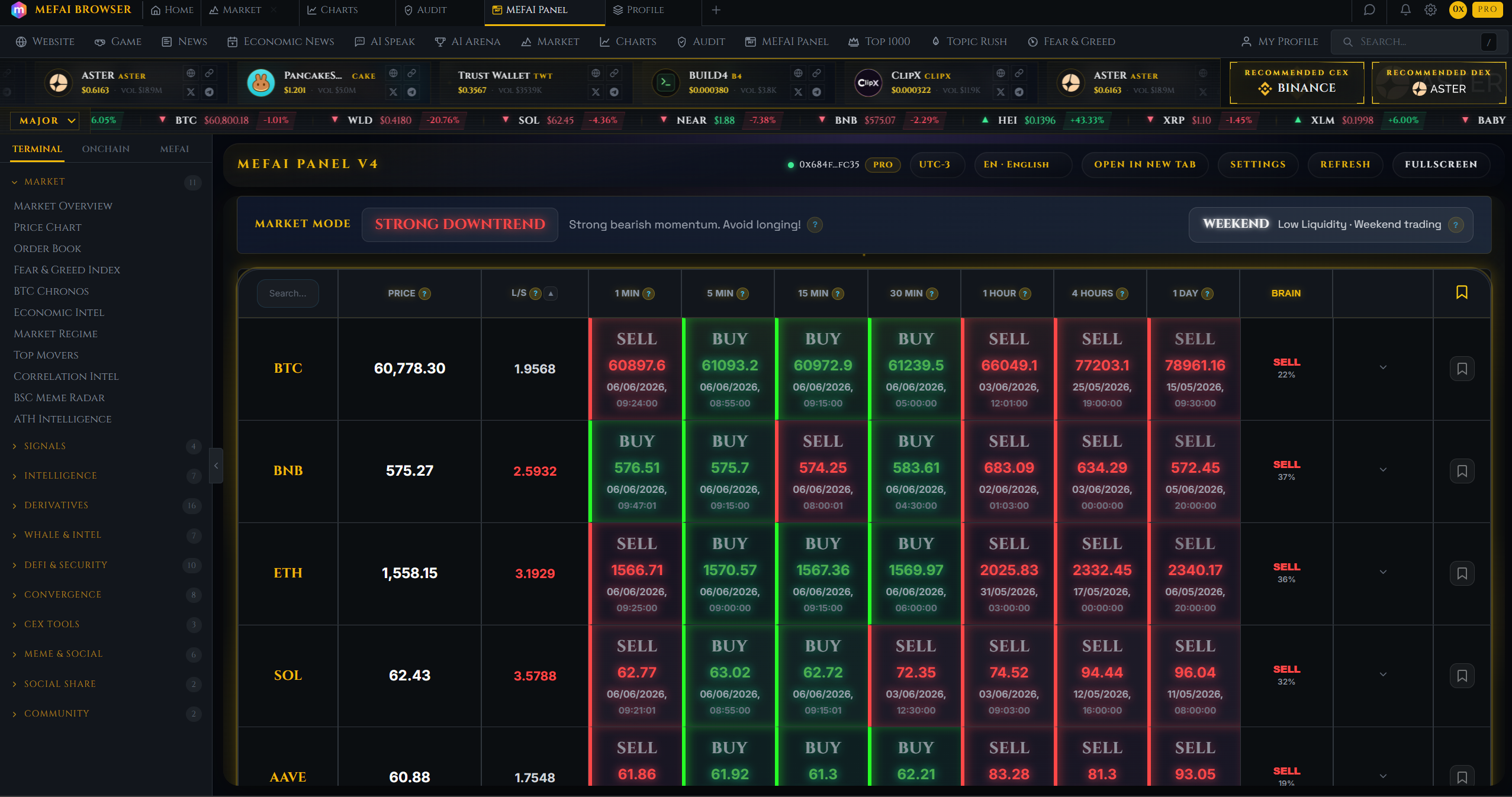
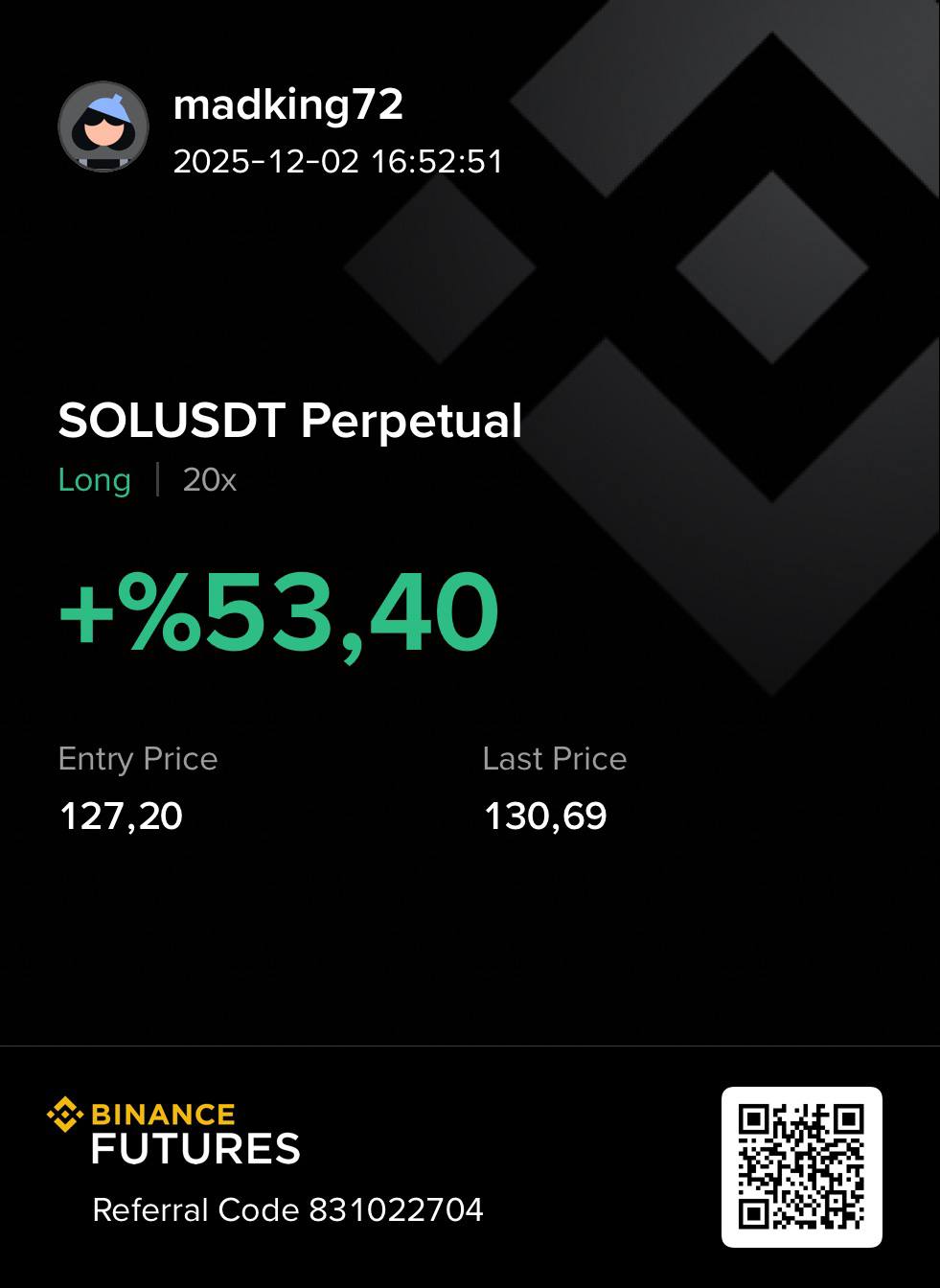
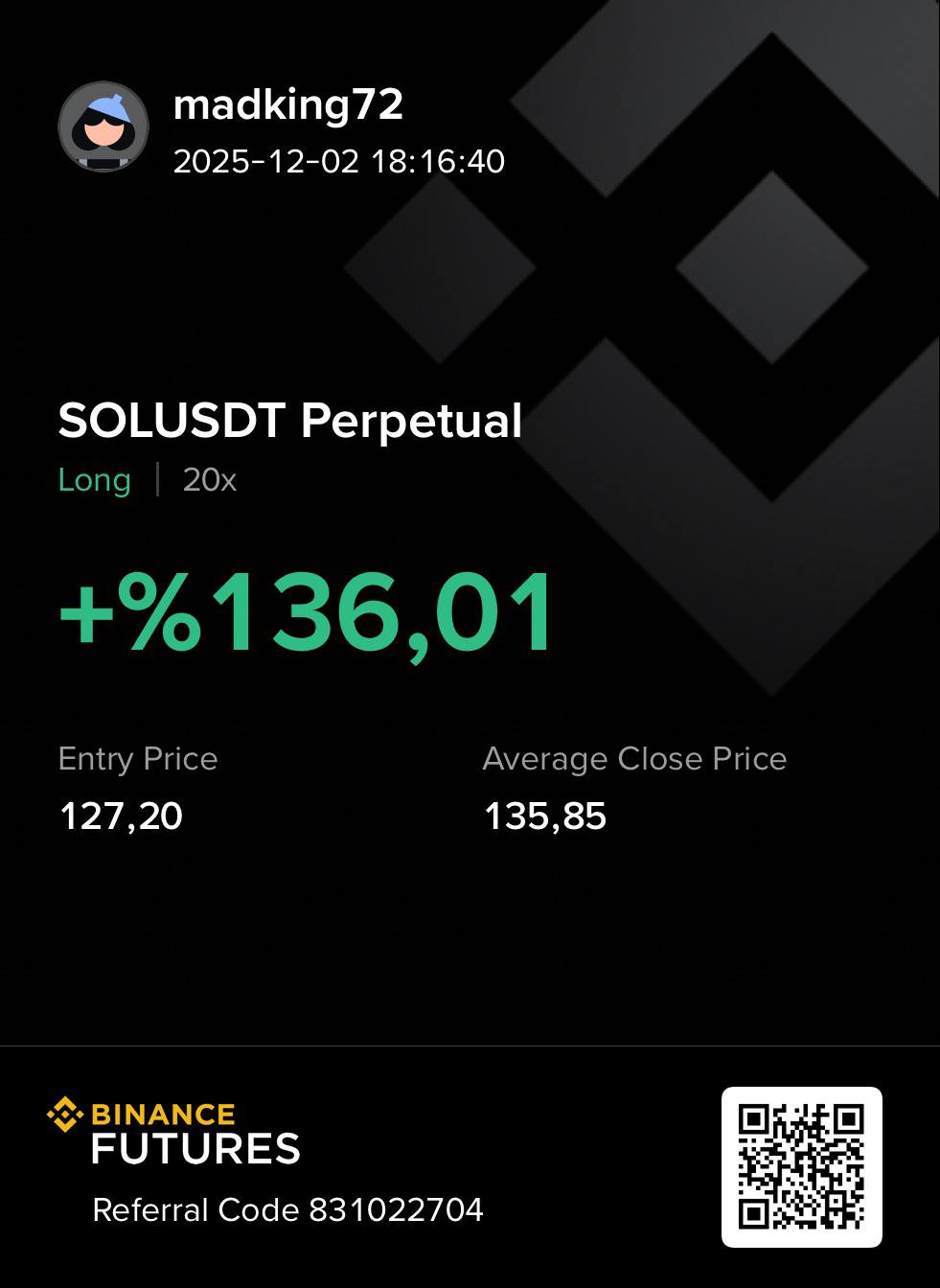
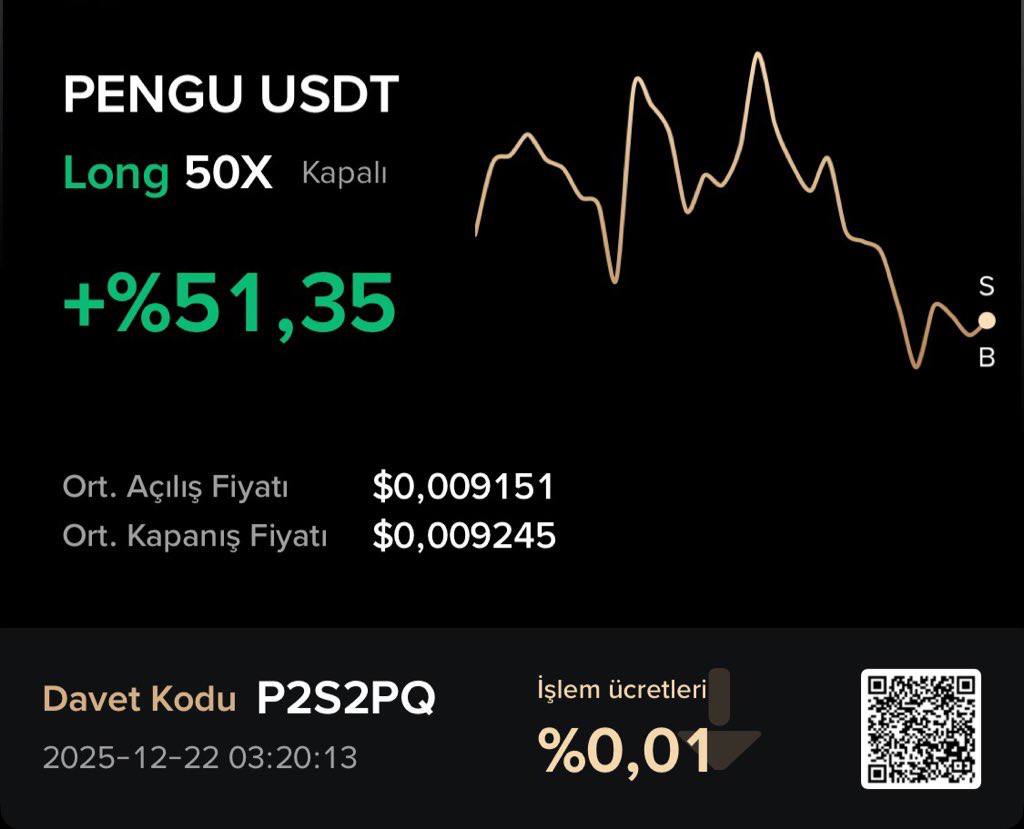
Real results from MEFAI's AI. Get $50 off the Pro plan.
Sponsored · Past performance is not indicative of future results. Not financial advice.


What Comes Next: Key Levels and Catalysts to Watch
Bitcoin’s path forward will likely be shaped by three key factors: ETF inflows, macro policy expectations, and geopolitical developments. On the price front, the $63,500 level is a critical pivot. A sustained break above it—with strong volume and broad participation—could signal a shift toward bullish momentum. Conversely, a failure to hold the level could open the door to a retest of lower support zones, particularly around $58,000 to $60,000.
Macro policy remains a wildcard. Any signals from major central banks suggesting prolonged higher interest rates or reduced liquidity could weigh on risk assets, including bitcoin. Conversely, dovish pivots or indications of rate cuts could fuel a broader risk-on rally. Geopolitical developments will continue to inject volatility, especially in regions with high energy exposure. Traders should prepare for headline-driven moves and avoid overreacting to short-term price swings.
Lessons for Retail and Institutional Investors
For retail investors, the week’s volatility underscores the importance of risk management. Dollar-cost averaging and diversified holdings remain prudent strategies, especially in assets as volatile as bitcoin. Emotional reactions to price swings often lead to poor timing decisions. For long-term holders, the key is to focus on fundamentals—such as network adoption, regulatory clarity, and institutional adoption—rather than short-term price action.
Institutional players should pay attention to the signals sent by corporate treasuries and ETF flows. A resumption of consistent net inflows into spot ETFs would provide a stronger foundation for price stability. Similarly, if more companies follow the lead of firms like Strategy in accumulating bitcoin without selling, it would reinforce the narrative of bitcoin as a long-term store of value.

The Broader Crypto Market Context
While bitcoin led the recovery, the broader crypto market showed signs of stabilization as well. Major altcoins such as ether, solana, and others followed bitcoin’s trajectory, though with varying degrees of volatility. Ethereum’s upcoming network upgrades and the growing role of layer-2 solutions continue to shape its narrative, but for now, its price action remains tethered to bitcoin’s movements. Solana, meanwhile, has gained attention for its high-throughput ecosystem, but its price remains sensitive to broader market sentiment.
The crypto market’s interconnectedness means that bitcoin often sets the tone for altcoin cycles. When bitcoin stabilizes, altcoins tend to follow, though idiosyncratic factors—such as protocol upgrades, regulatory clarity, or ecosystem developments—can create divergence. Traders should monitor these dynamics closely, as shifts in relative strength can offer opportunities in specific segments of the market.
Practical Takeaways for Traders and Holders
Bitcoin’s recovery to $63,500 is a relief, but it is not a guarantee of a sustained uptrend. Traders should approach the market with caution, using tight risk controls and avoiding leverage during periods of heightened volatility. For long-term holders, the focus should remain on accumulation during dips, provided the fundamentals—such as network growth and institutional adoption—remain intact.
Institutional players should watch ETF inflow data and corporate treasury announcements as leading indicators of market health. Retail investors should resist the urge to chase rallies and instead consider strategies like dollar-cost averaging to smooth out volatility. Above all, the events of this week serve as a reminder that in crypto, narrative and sentiment can drive prices just as much as fundamentals—at least in the short term.
More in Crypto & Trading
SpaceX IPO Hype Shows Tokenized Shares Are Only as Good as the Underlying Stock
Crypto platforms tried to sell tokenized SpaceX pre-IPO shares, but failed to obtain actual stock. The episode shows tokenization can digitize ownership, but cannot create supply where none exists.

Ether’s Contradictory Signals: Why Derivatives Suggest Weakness While Stakers Bet on Long-Term Value
ETH futures show persistent bearish signals with low leverage demand and institutional pullback, yet staking inflows and corporate accumulation suggest long-term confidence in the network’s value.
Bitcoin Bounces on Iran War Ceasefire Hopes as Traders Weigh Risk-On Reversal
Bitcoin edged back above $63,000 as oil fell and global stocks surged on signs a long-running conflict with Iran may end this weekend.