
Why Geopolitical Shocks Keep Pressuring Bitcoin—and What Traders Should Watch Next
By Mag-Info Tech editorial · 2026-06-15

Geopolitical headlines are flashing red again, and bitcoin is stuck in the middle. After two ceasefires between the United States and Iran collapsed within months—once in April and again on June 9—traders have learned to treat any headline about a new deal as tentative until the ink dries. The pattern is clear: every time oil markets cheer a détente and equities rise, bitcoin barely moves, and when the deal falls apart, BTC gives back its entire intraday gain within hours. The latest interim agreement to reopen the Strait of Hormuz by June 19 has pushed Brent crude down more than 4% toward $83, lifted Asian shares over 3%, and pushed Japan’s Nikkei toward a record close. Bitcoin, meanwhile, remains pinned near $65,000, still inside its recent $63,000–$65,000 range. For traders, the lesson is that macro narratives tied to energy security and central bank policy are now the dominant drivers, not the other way around.
What makes this episode different from past geopolitical scares is the direct channel between oil flows, inflation expectations, and monetary policy. The Strait of Hormuz carries roughly one-fifth of the world’s seaborne oil, so any closure or reopening immediately shifts the inflation curve. When the interim deal was announced, oil fell sharply and risk assets rose, but bitcoin’s muted response shows it is no longer the primary beneficiary of liquidity optimism. Instead, traders are waiting for signals from central banks—especially the Federal Reserve and the Bank of Japan—that cheaper oil will soften inflation pressure enough to shift rate-cut expectations. Until those signals appear, BTC remains hostage to the same macro forces that have capped its upside since late February.
How Two Failed Ceasefires Rewrote Bitcoin’s Risk Playbook
Bitcoin’s behavior after the April and June ceasefire collapses reveals a new risk regime. During both episodes, BTC rallied on headlines of a temporary truce, only to erase the entire move once the deal unraveled. In April, the market priced a détente and BTC briefly rose, but the ceasefire collapsed within days and price returned to prior levels. The same pattern repeated on June 9 when a second truce broke down, leaving traders nursing losses and questioning the durability of any headline-driven rally. The repeated pattern has trained the market to wait for the June 19 signing in Switzerland before pricing a third attempt at a deal. Until then, BTC is effectively range-bound, with buyers and sellers sizing up geopolitical headlines rather than chasing momentum.
This is a structural shift. Historically, bitcoin has been treated as a risk-on asset that benefits from liquidity expansion and global growth optimism. Now, it appears to be behaving more like a barometer of policy risk, where every oil shock triggers inflation fears, central bank hawkishness, and carry-trade unwinds that ripple across crypto markets. The failed ceasefires have reinforced the idea that headline risk in energy corridors can override traditional crypto narratives, leaving traders to focus on macro calendars rather than on-chain metrics or adoption headlines.
Oil, Inflation, and the Fed: The Indirect Path to Bitcoin’s Price
The indirect link between geopolitics, oil, and bitcoin runs through central banks. Cheaper oil eases inflation pressure, which in turn reduces the urgency for central banks to maintain restrictive policy. If the Fed signals a more accommodative stance, the dollar softens and liquidity conditions improve, creating a tailwind for risk assets. But so far, the Fed has been cautious, and the Bank of Japan is the immediate test case. A less hawkish BoJ at its upcoming meeting could signal that global tightening is peaking, which would reduce the risk of a carry-trade unwind that has weighed on crypto all month.
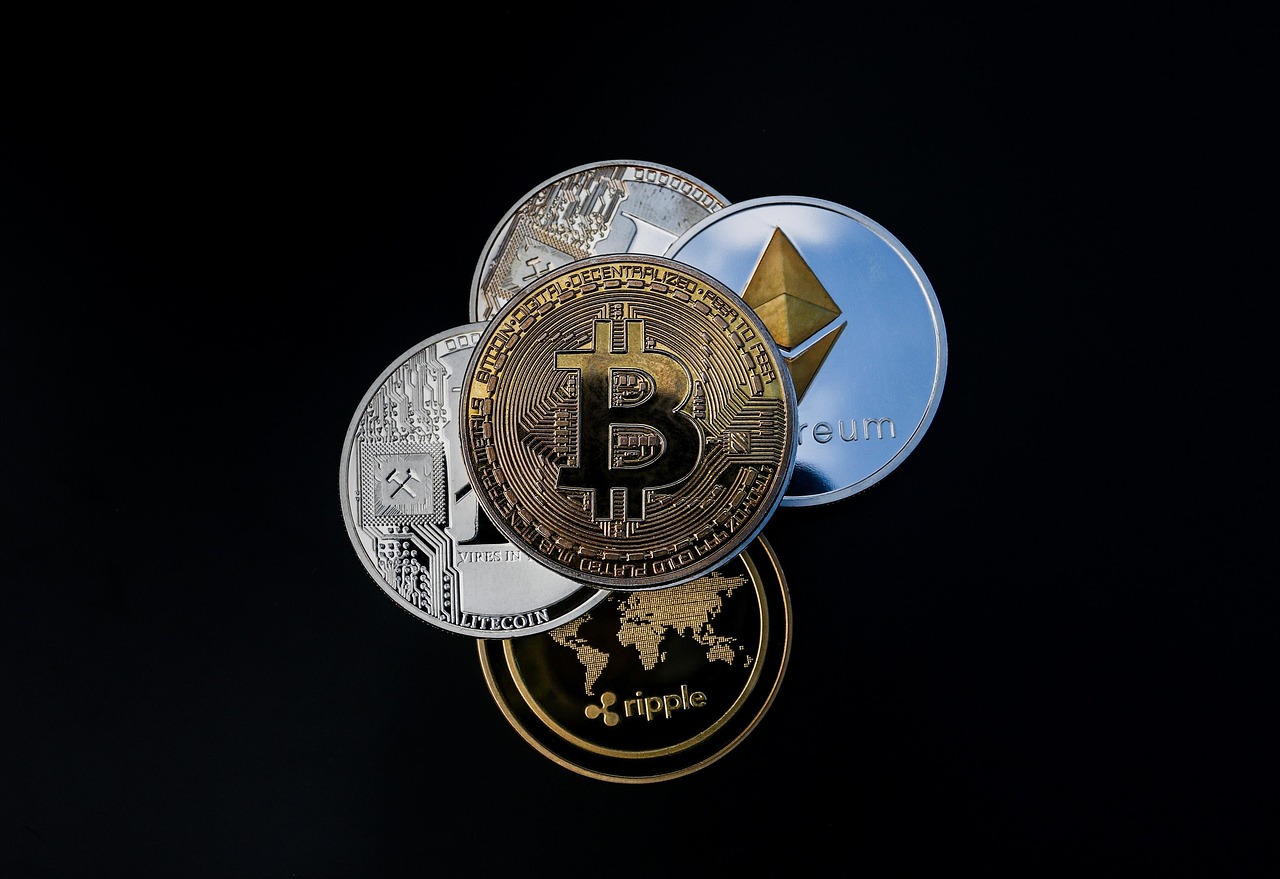
For bitcoin, the implication is clear: until oil stays cheap and central banks pivot toward easing, BTC will struggle to sustain rallies beyond its current range. The June 19 signing in Switzerland is now the key event. If the deal holds, oil could remain suppressed, inflation expectations could ease, and risk assets could extend gains. If the deal collapses again, oil could spike, inflation expectations could reset higher, and central banks could delay cuts, reigniting the carry-trade unwind that has pressured crypto since late February. Traders should therefore treat BTC as a derivative of oil and central bank policy, not as a standalone risk asset.
Why Copper and Aluminum Are Moving While Bitcoin Isn’t
While bitcoin remains anchored near $65,000, industrial metals are showing a different reaction to the Iran deal. Copper climbed as much as 1.4% after the interim agreement was announced, and aluminum is up about 13% since the conflict began because supply routes through the Persian Gulf were severed. The divergence is instructive: copper and aluminum trade on growth expectations and physical supply constraints, while bitcoin trades on liquidity and policy expectations. The Strait of Hormuz is a chokepoint for oil, not for semiconductors or base metals, so the macro transmission is different. Oil’s role as a global input price makes it a direct driver of inflation expectations, which in turn shapes central bank policy. Bitcoin, by contrast, is still searching for a new narrative that isn’t tethered to traditional macro forces.
This divergence highlights a broader shift in crypto markets. In past cycles, bitcoin often led risk assets higher during periods of liquidity expansion. Today, it is following oil and equities, suggesting that the market is still in a “wait-and-see” mode. Traders who are accustomed to treating BTC as a leading indicator may need to recalibrate their models to account for the new reality where energy security and central bank policy take precedence over crypto-specific drivers.
The Carry-Trade Unwind and Why It Matters for Crypto
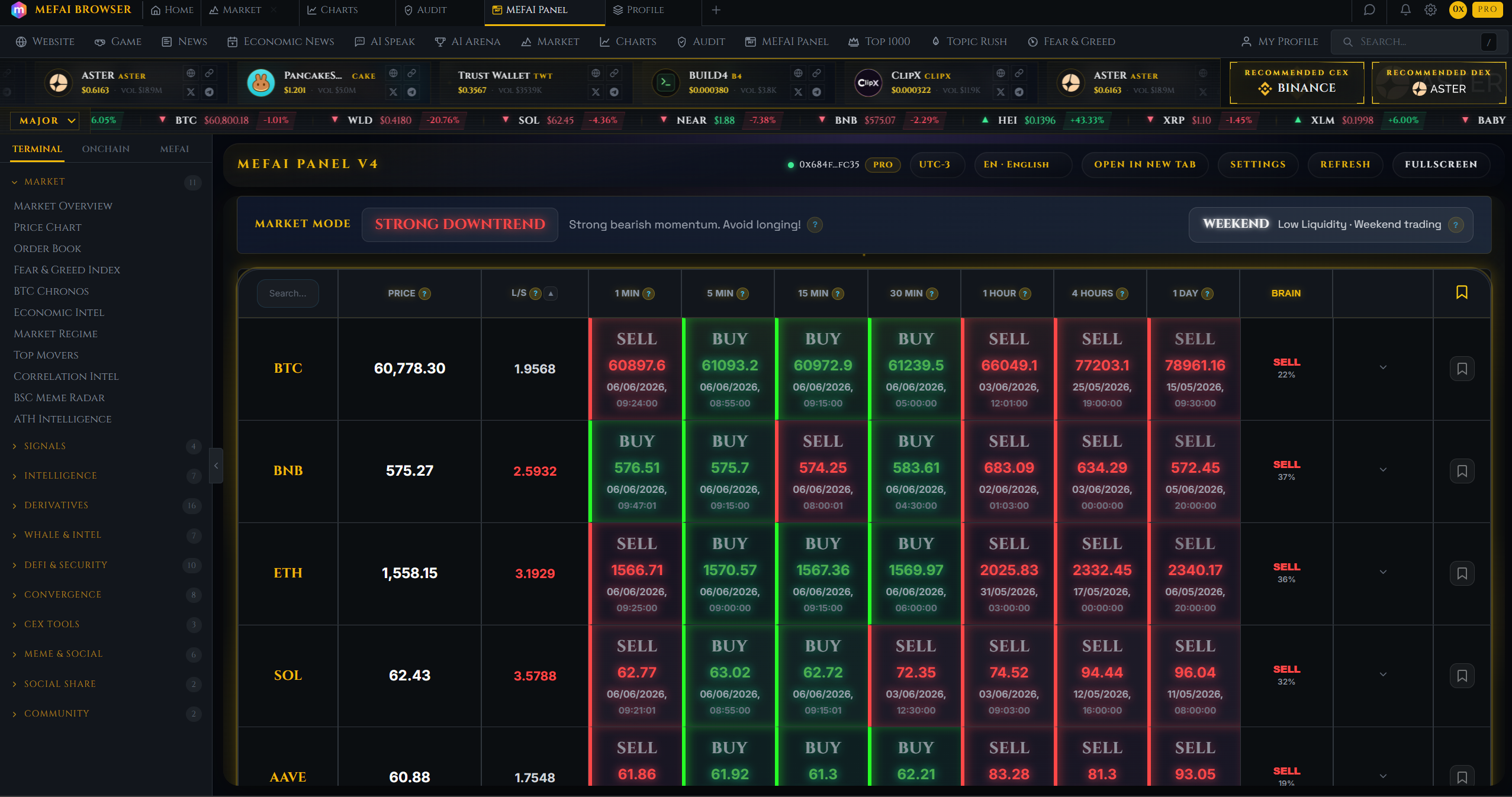
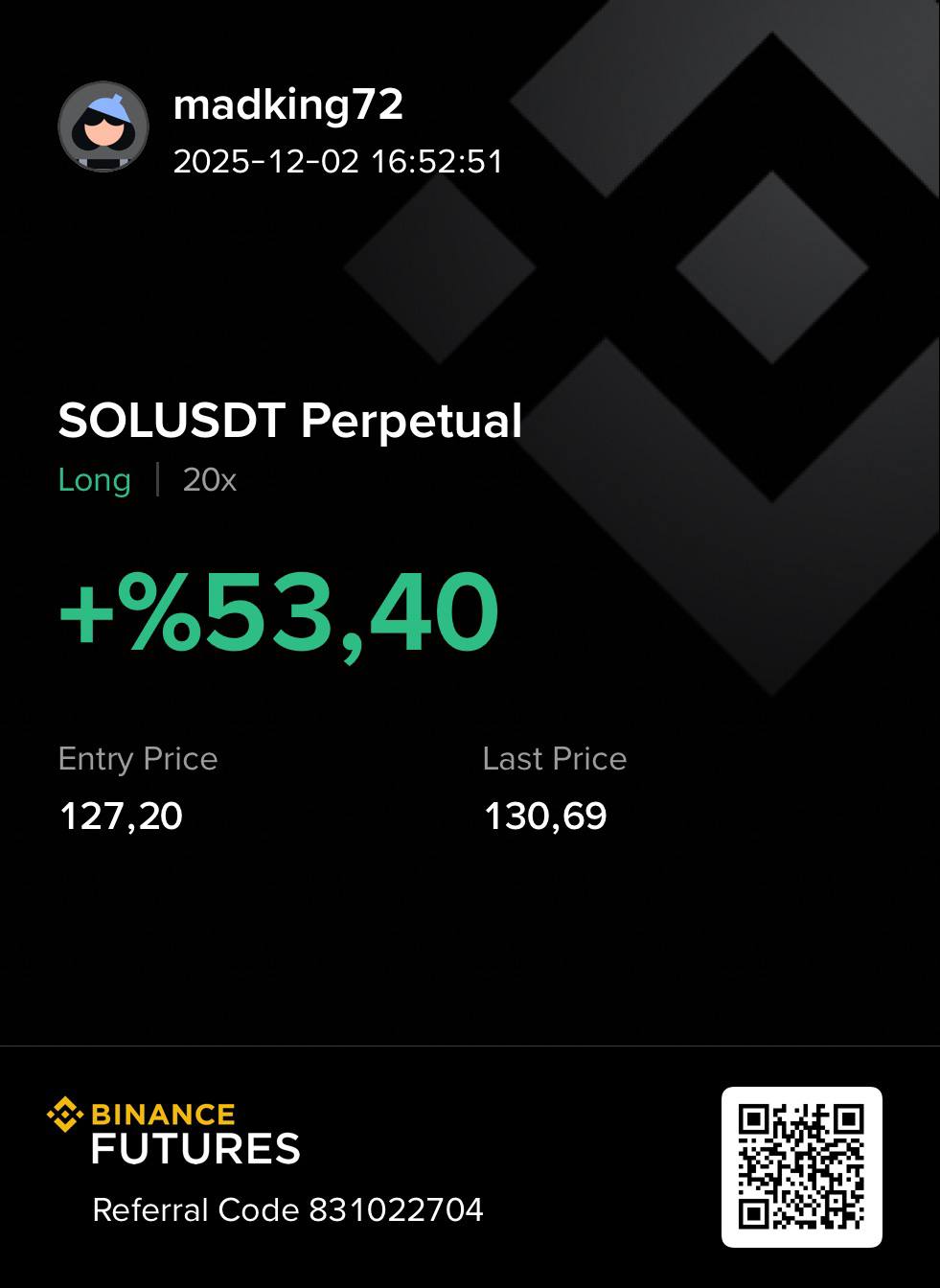
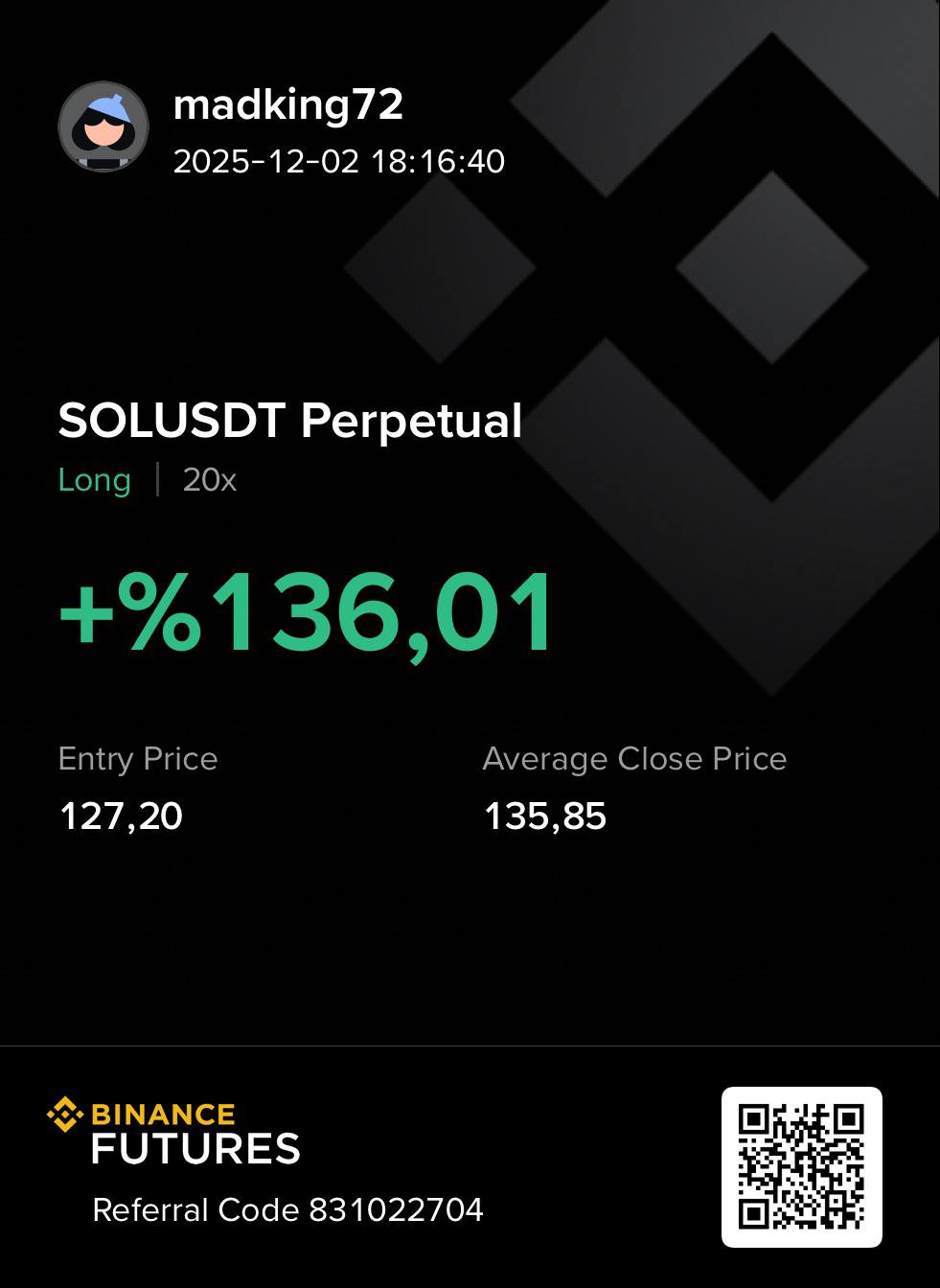
Real results from MEFAI's AI. Get $50 off the Pro plan.
Sponsored · Past performance is not indicative of future results. Not financial advice.

The phrase “carry-trade unwind” has appeared repeatedly in market commentary this month, and it matters for bitcoin because it captures the flow of capital that has been borrowed in yen or other low-yielding currencies and invested in higher-yielding assets, including crypto. When central banks signal hawkishness or when risk sentiment deteriorates, those positions are unwound quickly, leading to sharp moves across risk assets. The carry-trade unwind has been a persistent weight on crypto, and it is directly tied to oil-driven inflation fears and central bank policy.
If the Bank of Japan signals a less hawkish stance, the yen could weaken further, but the more important effect is on global liquidity conditions. A dovish BoJ would reduce the urgency for other central banks to maintain tight policy, easing financial conditions and potentially lifting risk assets. For bitcoin, this could mean a breakout from the $63,000–$65,000 range. Conversely, if oil spikes again and inflation expectations reset higher, the Fed could delay cuts, the carry trade could remain under pressure, and BTC could remain range-bound or retest lower levels. Traders should therefore monitor not only the Iran deal but also central bank communications for clues about the carry trade’s next move.
What Traders Should Watch Between Now and June 19
With the June 19 signing in Switzerland approaching, traders have a clear calendar event to position around. The key variables to watch are oil prices, inflation expectations, and central bank signals. Brent crude falling toward $83 is a positive sign, but stability is what matters most. If oil remains suppressed and inflation expectations ease, the Fed could signal a more accommodative stance, reducing carry-trade risks. If oil spikes again or if the deal collapses, the opposite could occur, reigniting the macro headwinds that have capped bitcoin’s upside.
In addition to macro data, traders should watch on-chain metrics for signs of accumulation or distribution within the current range. While macro headlines dominate, micro-structure signals can still provide early warnings of sentiment shifts. For example, if exchange balances begin to decline while spot volumes rise, it could indicate organic accumulation ahead of a potential breakout. Conversely, rising exchange balances and heavy selling into rallies would suggest distribution and range-bound continuation. Either way, the interplay between macro headlines and micro data will define the next move.
Practical Takeaways for Crypto Traders and Investors
First, treat bitcoin as a macro-sensitive asset for now. The days of treating BTC as a purely risk-on or adoption-driven trade are temporarily on hold while energy security and central bank policy dominate. Second, use oil and inflation expectations as leading indicators. Brent crude and breakeven inflation rates can provide early signals about liquidity conditions and central bank policy shifts. Third, monitor the Bank of Japan’s next meeting closely. A less hawkish BoJ could ease global financial conditions and reduce carry-trade pressure on crypto. Fourth, keep an eye on exchange balances and spot volumes within the $63,000–$65,000 range. Micro-structure signals can provide clues about whether the market is accumulating or distributing ahead of the June 19 signing.
Finally, size positions appropriately. Given the risk of another ceasefire collapse and the potential for oil-driven volatility, overleveraging into any headline-driven rally could be costly. Until the macro fog clears, a measured approach—combining tight risk management with macro awareness—is the most prudent path.
The Bigger Picture: Is Bitcoin’s Narrative Changing?
The repeated failure of Iran ceasefires and the muted reaction of bitcoin suggest that the market is undergoing a quiet but meaningful shift. Bitcoin is no longer the primary beneficiary of liquidity optimism; instead, it is reacting to the same macro forces that move oil, equities, and bonds. This could mark a temporary phase where crypto’s independence from traditional macro narratives is reduced, or it could be a structural change if geopolitical risk remains elevated. Either way, traders who adapt their frameworks to account for oil, inflation, and central bank policy will be better positioned than those who cling to older narratives.
For now, the path forward hinges on the June 19 signing and the subsequent policy responses. If the deal holds and central banks signal easing, bitcoin could break out of its range and reclaim its role as a leading risk asset. If the deal collapses again, the carry-trade unwind could resume, and BTC could remain range-bound or retest lower levels. In either scenario, the lesson is clear: geopolitics and central bank policy are now the primary drivers, and traders who ignore them do so at their own risk.
More in Crypto & Trading
Crypto Money Makes Its Mark: $12 Million Boosts Alabama Senate Hopeful to November
A crypto-focused political action committee poured over $12 million into Barry Moore’s Alabama Senate run, propelling him to a primary win and spotlighting crypto’s growing influence in U.S. politics.
Bitcoin’s Sharpe Ratio Flashes Cycle-Low Signal as Holders Absorb 125,000 BTC
Bitcoin’s risk-adjusted return metric has hit a level that has marked every bear-market bottom since 2015, but history shows it precedes months of range-bound trading rather than an immediate rebound.

Illinois’ 0.2 % Crypto Transaction Tax: What Residents and Businesses Need to Know
Illinois will levy a 0.2 % tax on every crypto trade starting 1 Jan 2027, the first broad state tax on digital-asset transactions regardless of profit, and it applies even if you trade on out-of-state