
Bitcoin’s Sharpe Ratio Flashes Cycle-Low Signal as Holders Absorb 125,000 BTC
By Mag-Info Tech editorial · 2026-06-17

A decade-long pattern repeats
Bitcoin’s Sharpe ratio has fallen to a level that has coincided with every cycle low since 2015, according to on-chain data. The metric, which compares an asset’s return to its volatility, reached approximately –20 on June 11. That same threshold marked the 2015 low, the 2018–2019 low, and the 2022–2023 low. In each prior instance, the ratio did not immediately snap back into positive territory; instead, it remained below –20 for months while price consolidated. This suggests that while the signal indicates a probable floor, it does not guarantee a swift recovery.
The Sharpe ratio’s behavior reflects extreme risk-adjusted losses that typically exhaust sellers and attract long-term holders. When the ratio reaches these depths, the market is pricing in such high volatility relative to returns that only the most resilient participants remain active. Historically, this has been a prerequisite for a durable base to form rather than a springboard for the next rally. Traders should therefore interpret the current reading as confirmation that selling pressure has likely peaked, but not as a signal to expect an immediate upward breakout.
Accumulation on-chain intensifies
Alongside the Sharpe ratio signal, on-chain data shows that accumulator wallets—addresses with a history of holding rather than spending—added roughly 125,000 bitcoin in the first half of June. This cohort’s behavior is a key indicator of market sentiment, as it represents investors who tend to buy during downturns and hold through volatility. The inflow suggests that long-term holders see current price levels as attractive entry points, reducing the likelihood of further sharp declines.
Exchange reserves have declined by about 80,000 bitcoin since February, bringing the total held on exchanges to approximately 2.71 million. This reduction in liquid supply typically coincides with accumulation phases, as coins move off exchanges and into cold storage. Additionally, large holders (whales) withdrew more than 11,000 bitcoin from exchanges in the past 24 hours, reinforcing the trend of reduced selling pressure. These flows collectively point to a market that is transitioning from distribution to accumulation, even if price remains range-bound.
Contrast with valuation and sentiment signals
Recent weeks have seen a series of on-chain signals indicating a potential market bottom, including metrics that measure accumulation and exhaustion. These indicators analyze holder behavior and market psychology rather than direct price action or trading volumes. However, the actual driver of bitcoin’s recovery from its June low of $59,130 to around $65,800 was not these metrics alone, but rather a geopolitical event—the US–Iran deal—that temporarily eased macro uncertainty. This distinction is important: on-chain and valuation signals can highlight structural shifts, but they do not always dictate short-term price direction.
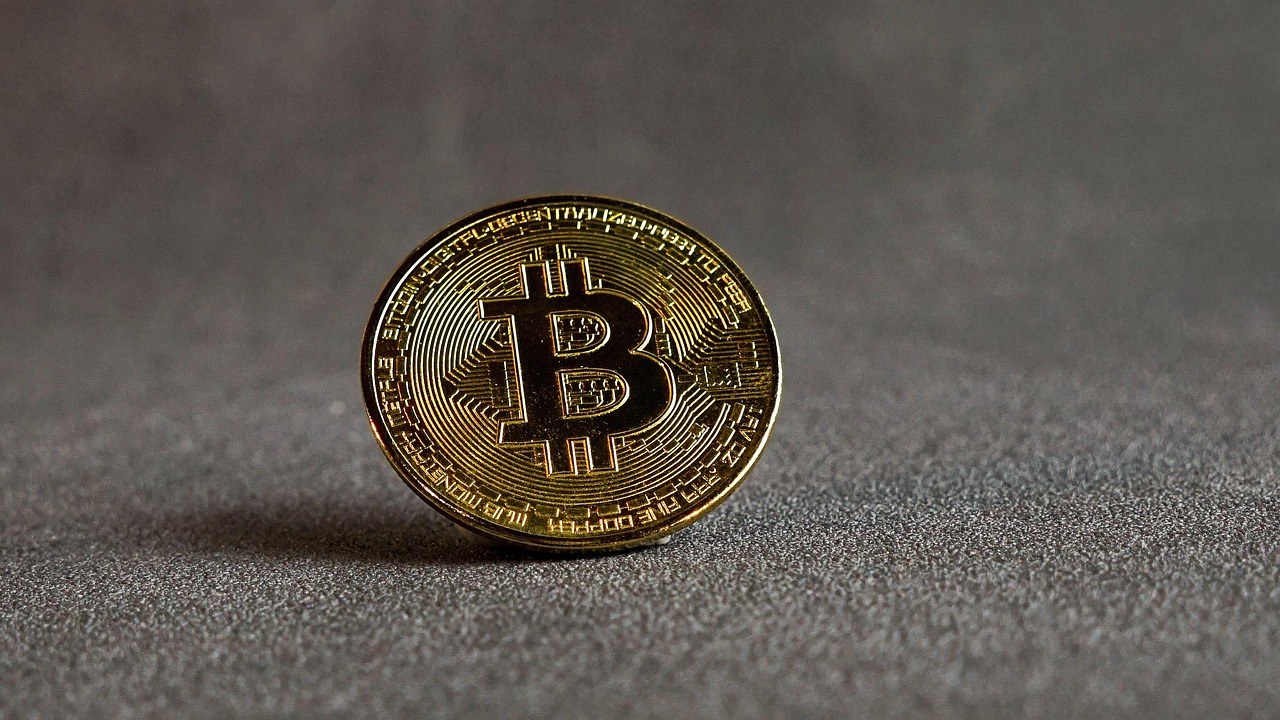
The distinction matters for traders. While accumulation metrics and exchange reserve declines provide a constructive backdrop, they do not eliminate the influence of external shocks or policy decisions. In the current environment, macro factors such as interest rate expectations and regulatory news can still override on-chain signals, leading to volatility that may not align with the accumulation narrative. Investors should therefore treat these signals as necessary but not sufficient conditions for a sustained recovery.
What history says about the post-signal period
Looking back at prior cycles, the Sharpe ratio’s dip to –20 has consistently preceded a basing period rather than an immediate rebound. In 2015, the ratio stayed below –20 for about five months before bitcoin began a durable recovery. In 2018–2019 and 2022–2023, the metric remained below –20 for roughly three months in each case before price momentum returned. This pattern implies that after such a signal, investors should expect months of consolidation rather than a V-shaped recovery.
During these basing phases, price typically oscillates within a wide range, testing support and resistance levels as holders and accumulators adjust positions. The risk of false breaks remains high, and momentum indicators can flip rapidly in either direction. For traders, this means that while the current signal reduces the probability of a deeper correction, it does not eliminate it. Position sizing and stop-loss strategies remain essential, especially in leveraged markets where sentiment can shift quickly.
Exchange balances and whale movements reinforce accumulation








Real results from MEFAI's AI. Get $50 off the Pro plan.
Sponsored · Past performance is not indicative of future results. Not financial advice.

The decline in exchange reserves by roughly 80,000 bitcoin since February indicates a structural shift in supply dynamics. Fewer coins available for trading on exchanges typically reduce immediate selling pressure and can contribute to price stability. This trend is consistent with prior accumulation phases, where long-term holders withdraw coins from exchanges to secure them in cold storage, effectively tightening the available float.

Whale activity has also been constructive. In the past day alone, large holders moved more than 11,000 bitcoin off exchanges, a move often interpreted as a sign of confidence in long-term value rather than short-term speculation. Such transfers are not definitive proof of a market bottom, but they do reduce the risk of large, sudden sell-offs that can occur when coins are concentrated on exchanges. For retail and institutional investors, monitoring exchange reserve trends and whale flows can provide early clues about whether accumulation is broadening or stalling.
Macro crosswinds remain a wildcard
Despite the constructive on-chain signals, the macro environment continues to exert significant influence on bitcoin’s price path. The Federal Reserve’s June policy decision, combined with the new chair’s first economic projections, could shift market expectations around inflation and interest rates. A hawkish tone or upward revisions to inflation forecasts may temper risk appetite, while a dovish stance could reinforce the accumulation narrative. Traders should watch the dot plot and accompanying commentary closely, as these releases often set the tone for risk assets in the near term.
The interplay between on-chain fundamentals and macro policy is a recurring theme in bitcoin’s market cycles. While accumulation signals suggest a healthier structure beneath the surface, they do not operate in a vacuum. Geopolitical developments, regulatory announcements, and traditional market liquidity conditions can all override on-chain trends. Investors should therefore maintain a balanced view, using on-chain data to gauge structural health while remaining alert to external shocks that may disrupt the basing process.
Practical implications for investors and traders
For long-term holders, the current Sharpe ratio reading and accumulation trends are encouraging but not definitive. These signals suggest that the worst of the downside may be behind us, but they do not guarantee a rapid rebound. A measured approach—averaging into positions on weakness and avoiding large leveraged bets—remains prudent. Diversification across time horizons can also help mitigate the risk of mistiming the cycle.

Traders should prepare for continued volatility and a potentially protracted basing phase. Range-bound trading strategies, such as buying support and selling resistance, may outperform directional bets in the coming months. Stop-loss orders and position limits are critical, especially in leveraged markets where sentiment can reverse quickly. Monitoring exchange reserve trends, whale flows, and macro developments will be essential for navigating the evolving landscape.
What to watch next
The next major catalyst is the Federal Reserve’s policy decision and accompanying economic projections. With a rate hold nearly fully priced in, the focus will shift to the dot plot and the new chair’s commentary on inflation. Any signs of hawkishness could temper risk appetite, while a more accommodative tone could extend the recent recovery. Traders should also keep an eye on geopolitical developments, as such events have historically driven short-term price movements that may not align with on-chain signals.
Beyond macro events, on-chain metrics will remain important. Continued accumulation by long-term holders, further declines in exchange reserves, and sustained whale outflows would reinforce the current constructive narrative. Conversely, a reversal in these trends—such as increased exchange deposits or whale selling—could signal that the basing process is not yet complete. Investors should therefore treat the current signals as a foundation for cautious optimism, while remaining prepared for further consolidation and volatility.
Bottom line
Bitcoin’s Sharpe ratio has flashed a cycle-low signal that aligns with historical precedents, and on-chain data shows strong accumulation by long-term holders. These developments suggest that a market floor is forming, but they do not indicate an imminent rebound. History shows that such signals often precede months of basing rather than immediate recovery. Investors should therefore approach the market with cautious optimism, focusing on accumulation strategies and risk management while remaining alert to macro crosswinds that could shape the next phase of the cycle.
More in Crypto & Trading
Crypto Money Makes Its Mark: $12 Million Boosts Alabama Senate Hopeful to November
A crypto-focused political action committee poured over $12 million into Barry Moore’s Alabama Senate run, propelling him to a primary win and spotlighting crypto’s growing influence in U.S. politics.

Illinois’ 0.2 % Crypto Transaction Tax: What Residents and Businesses Need to Know
Illinois will levy a 0.2 % tax on every crypto trade starting 1 Jan 2027, the first broad state tax on digital-asset transactions regardless of profit, and it applies even if you trade on out-of-state

Tether Gold Options Launch on Bybit: What Traders Need to Know
Bybit has launched options on Tether Gold (XAUT) settled in USDT, enabling risk hedging and gold price speculation with institutional-grade liquidity via Orbit Markets.