
AI Crypto Trading Tools: The 2026 Buyer's Guide to Smarter Signals, Bots, and Analysis
By Mag-Info Tech editorial · 2026-06-07

The fusion of artificial intelligence and cryptocurrency trading has evolved from a niche curiosity into a foundational pillar of modern market strategy. For the 2026 trader, AI is no longer a futuristic promise but a practical toolkit, offering everything from automated execution to nuanced sentiment analysis that can parse millions of data points faster than any human. Navigating this landscape, however, requires more than just chasing the latest algorithm. It demands a clear understanding of the different categories of tools, their underlying philosophies, and how they align with your personal goals, risk tolerance, and technical expertise. This guide cuts through the noise to present a definitive look at the leading AI-driven crypto tools, providing a framework for making an informed, strategic choice.
Understanding the AI Crypto Trading Ecosystem
Before selecting a tool, it's crucial to recognize that "AI crypto trading tools" is an umbrella term covering three primary categories, each serving a distinct function in a trader's workflow. The first category comprises AI-powered signal and insight generators. These platforms don't execute trades for you. Instead, they act as sophisticated research assistants, using machine learning models to analyze historical price data, on-chain metrics, social media sentiment, and macroeconomic news to identify potential market biases and trading opportunities. Their output is typically a curated list of "signals"—suggested assets and directional biases (e.g., "consider a long position on Asset X")—often accompanied by a confidence score or rationale. They are best for traders who want to enhance their own decision-making process without fully ceding control.
The second major category is fully automated AI trading bots. These are the hands-on execution engines of the ecosystem. You connect them to your exchange accounts via API keys, define a strategy or select a pre-built one, and the bot takes over, placing buy and sell orders automatically based on its programmed logic. Advanced bots in this category leverage AI not just for simple rule-based actions but for dynamic strategy optimization, adapting parameters like take-profit and stop-loss levels in real-time based on evolving market conditions. This category is ideal for traders seeking emotion-free, 24/7 market engagement and the ability to backtest strategies against historical data before risking capital.
The third, and arguably most powerful, category consists of advanced AI-driven market analysis and portfolio platforms. These go beyond signals or single-strategy bots. They offer a holistic, AI-enhanced view of the market, often integrating quantitative analysis, risk management metrics, and even correlation analytics across different asset classes. Think of them as an AI-powered command center. They might help you construct a diversified crypto portfolio that is algorithmically rebalanced or provide deep, AI-generated insights into market-wide volatility trends. This tier is suited for serious traders and investors who require comprehensive data synthesis to inform complex, multi-faceted trading and investment strategies.

Leading Categories & Who They're Best For
Delving deeper into the practical application, different tools within these categories cater to vastly different user profiles. For the novice trader or the busy professional, a straightforward AI signal service is often the most logical starting point. Platforms like 3Commas (which offers both signal features and bots) or Cryptohopper are frequently noted for their user-friendly interfaces that present AI-generated insights in an accessible dashboard. The primary benefit here is curated information; the tool does the heavy lifting of data crunching, presenting you with actionable ideas. You retain full control over the final decision, which is invaluable for learning. The best tools in this space provide transparency, allowing you to see the historical performance of their signals and understand the general logic behind a recommendation, such as "based on a breakout pattern confirmed by rising volume."
For the algorithmic enthusiast or the trader aiming for hands-off execution, a dedicated AI trading bot is the focus. Services like Pionex, known for its built-in free bots, or Bitsgap, which offers a powerful set of grid and DCA bots enhanced by AI, represent this category well. The key differentiator is the depth of strategy customization. A bot's value is measured not just by its win rate but by the sophistication of its risk management features—dynamic stop-loss trailing, take-profit ladders, and the ability to operate across multiple exchanges simultaneously. These tools are best for individuals who have a defined trading thesis (e.g., "I want to grid trade BTC/USDT in a range-bound market") and want an automated system to execute it tirelessly. They require a steeper learning curve but offer greater potential for scaling a proven strategy.
The institutional-minded trader or the data-driven analyst will find the most value in comprehensive AI analytics platforms. Tools that emphasize deep market analytics and portfolio-level intelligence fall here. While specific feature sets vary, this tier is characterized by its focus on risk metrics, correlation analysis, and AI-driven forecasting of broader market sentiment. The goal is not just to find a single trade but to understand the market's underlying structure and manage a portfolio's exposure intelligently. These platforms often integrate with trading terminals but are used primarily for strategic planning and high-level decision support. They cater to users who think in terms of Sharpe ratios, maximum drawdowns, and beta, applying quantitative rigor to the notoriously volatile crypto markets.
Key Selection Criteria: How to Choose Your Tool
Choosing the right AI tool hinges on a candid assessment of your needs and habits. The first and most critical criterion is alignment with your trading style and time commitment. If you are a swing trader who analyzes charts for a few hours a week, a complex, real-time grid bot will be irrelevant, and an AI signal service providing daily or weekly market bias insights is more appropriate. Conversely, if you are an active day trader or want to capitalize on micro-movements, a sophisticated bot with advanced order types and low-latency execution is essential. Be brutally honest: are you seeking to augment your manual trading, or are you looking to build a system that operates independently?
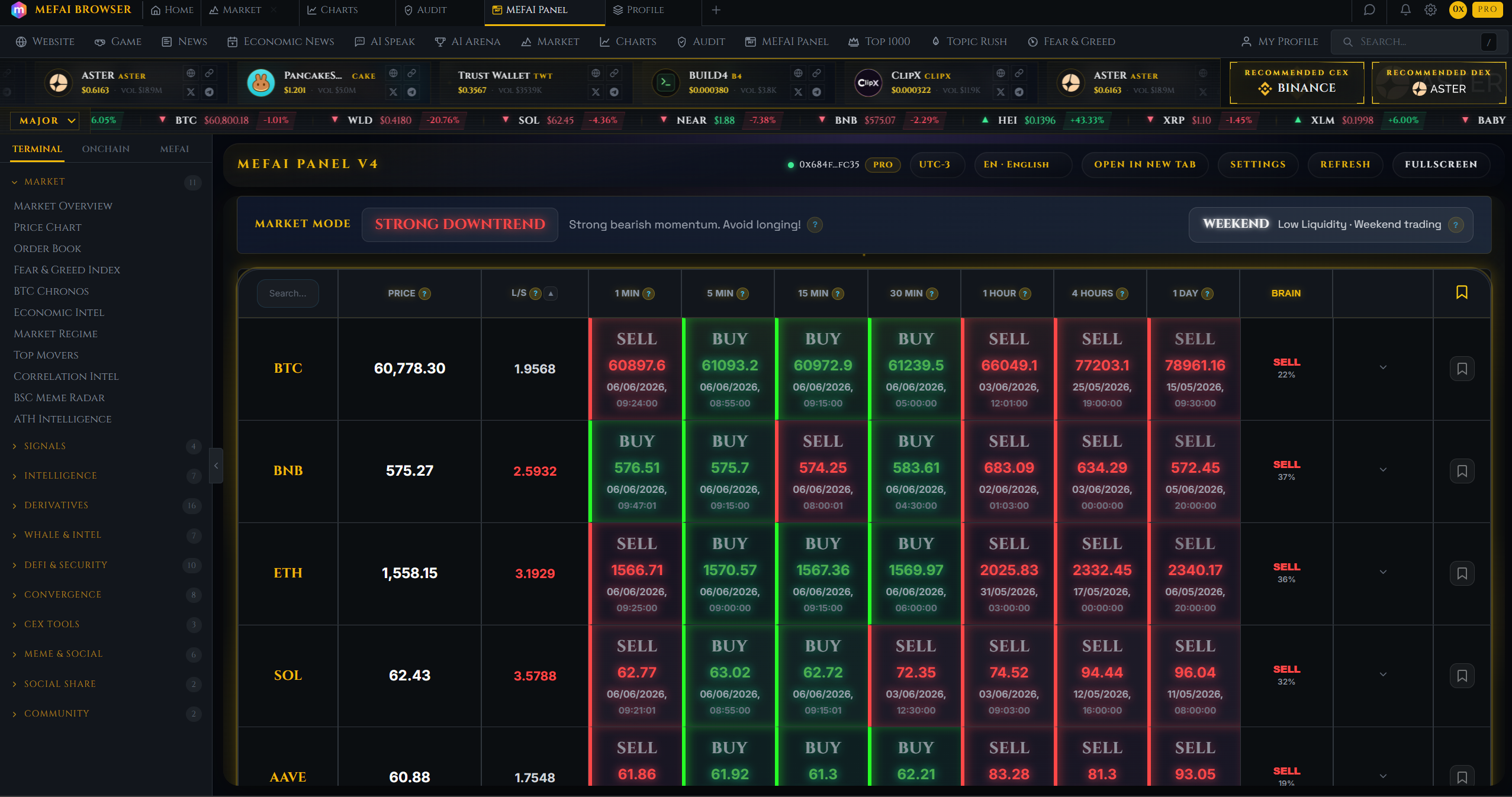
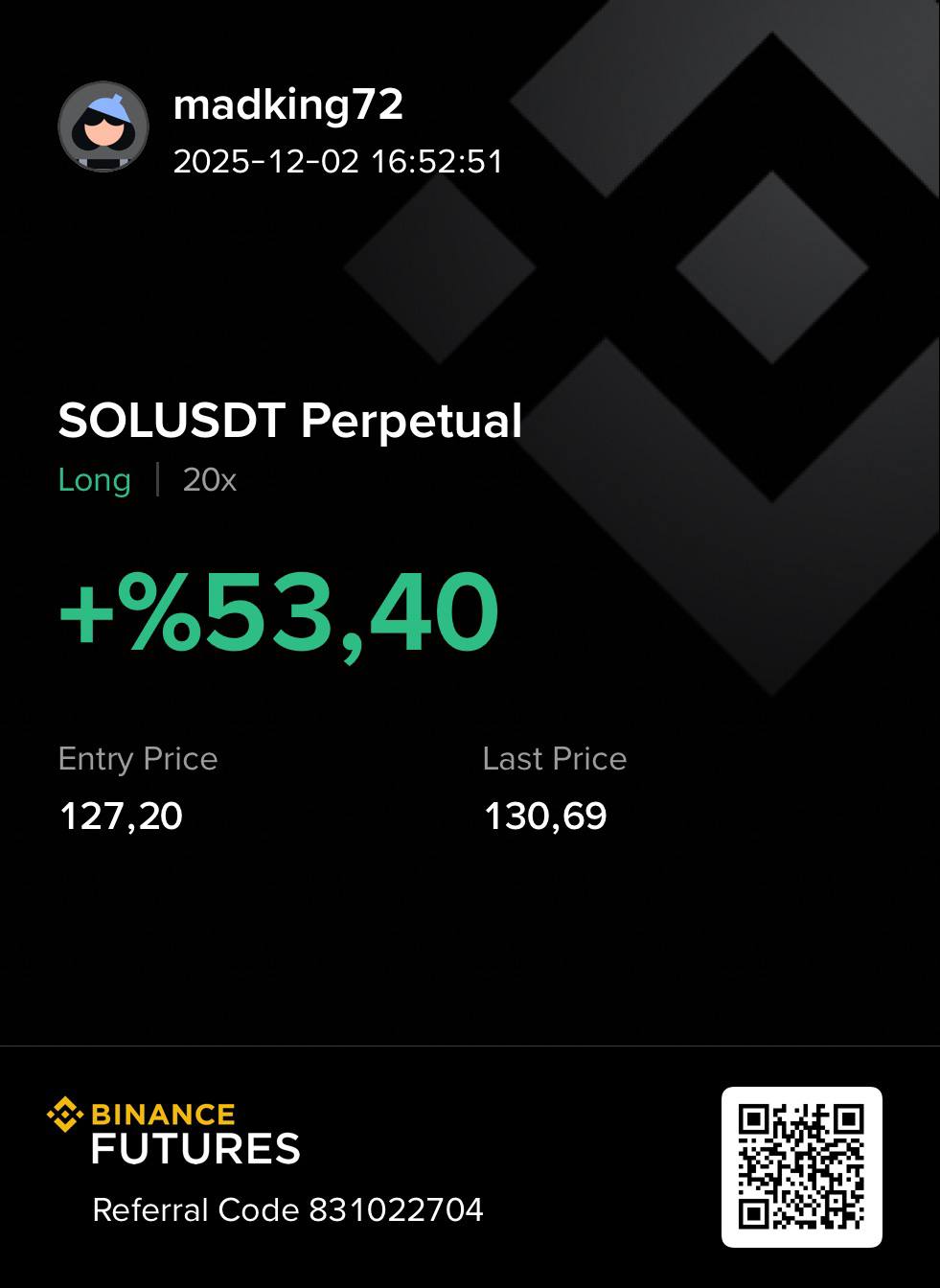
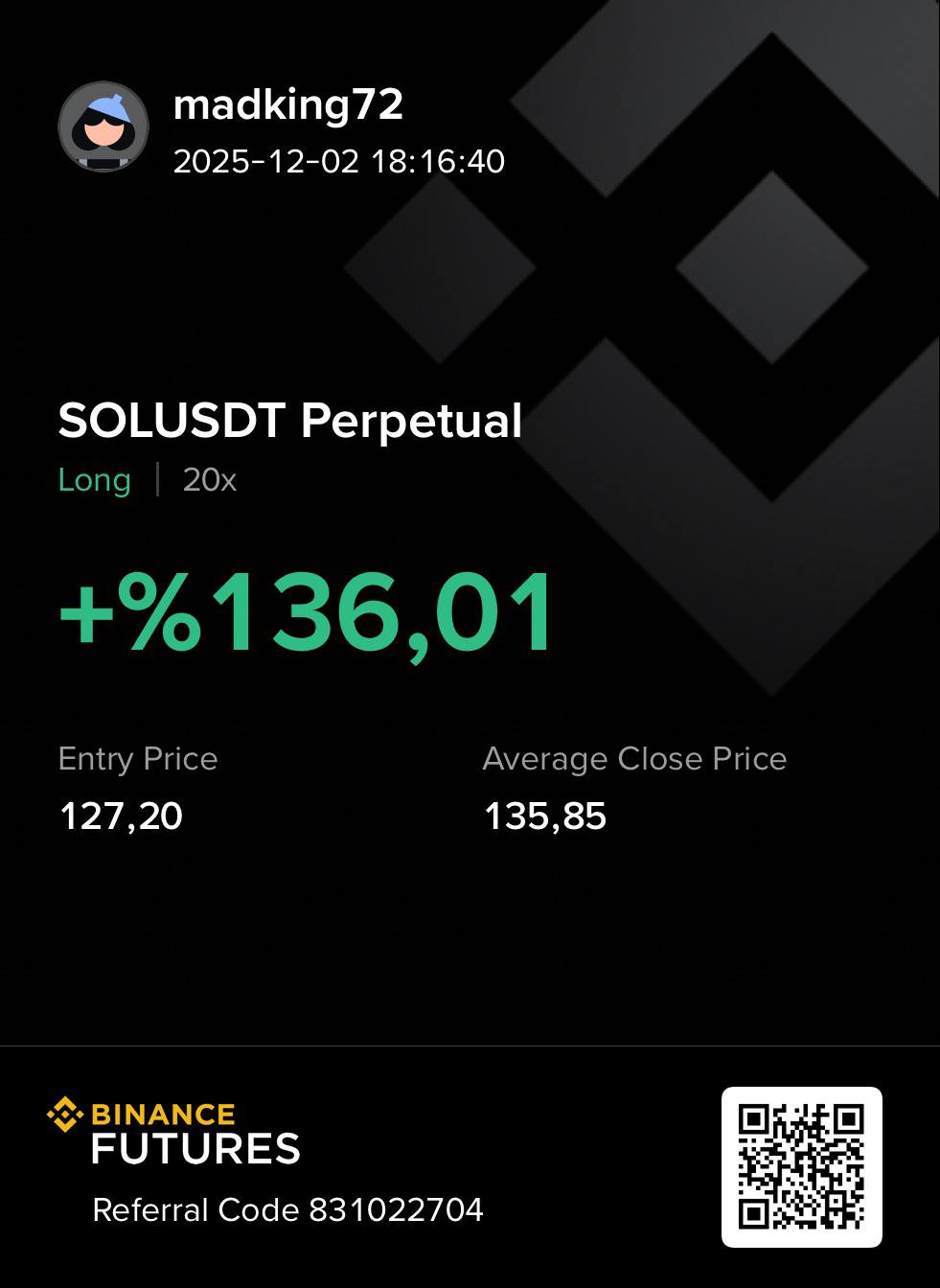
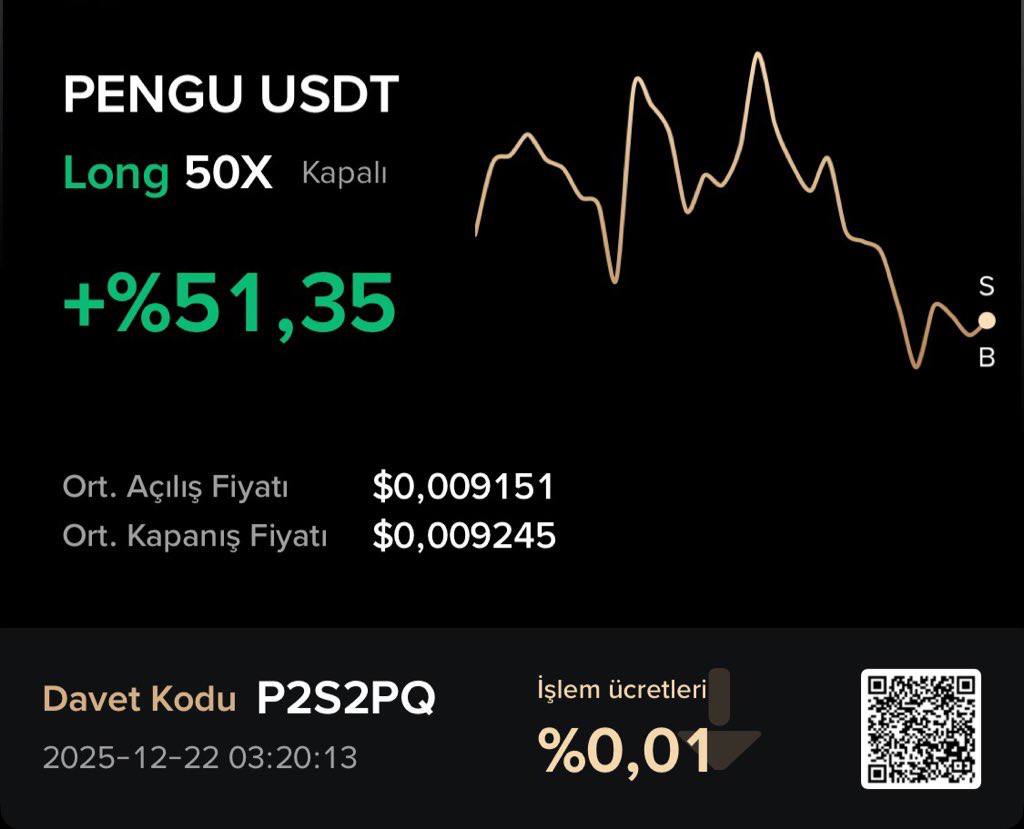
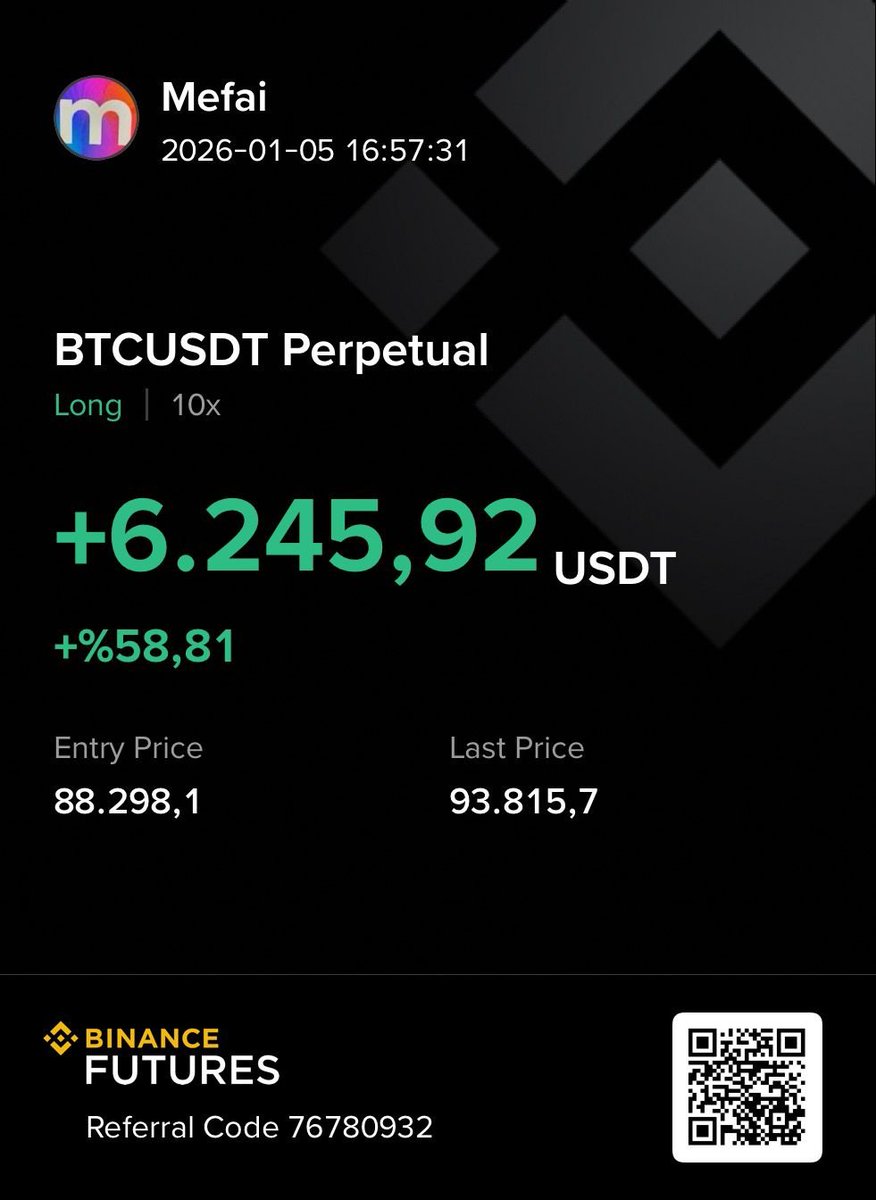
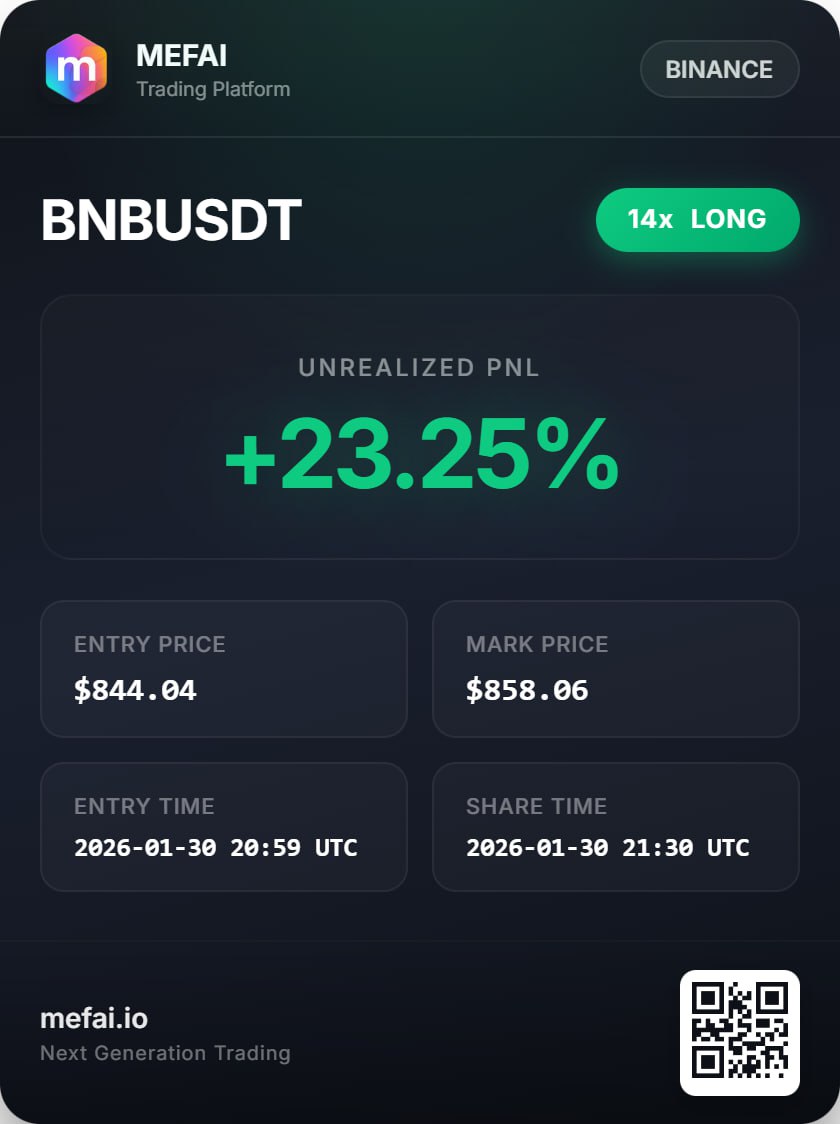
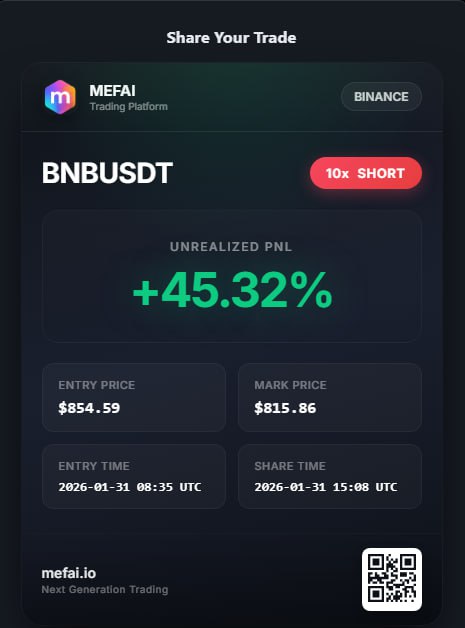
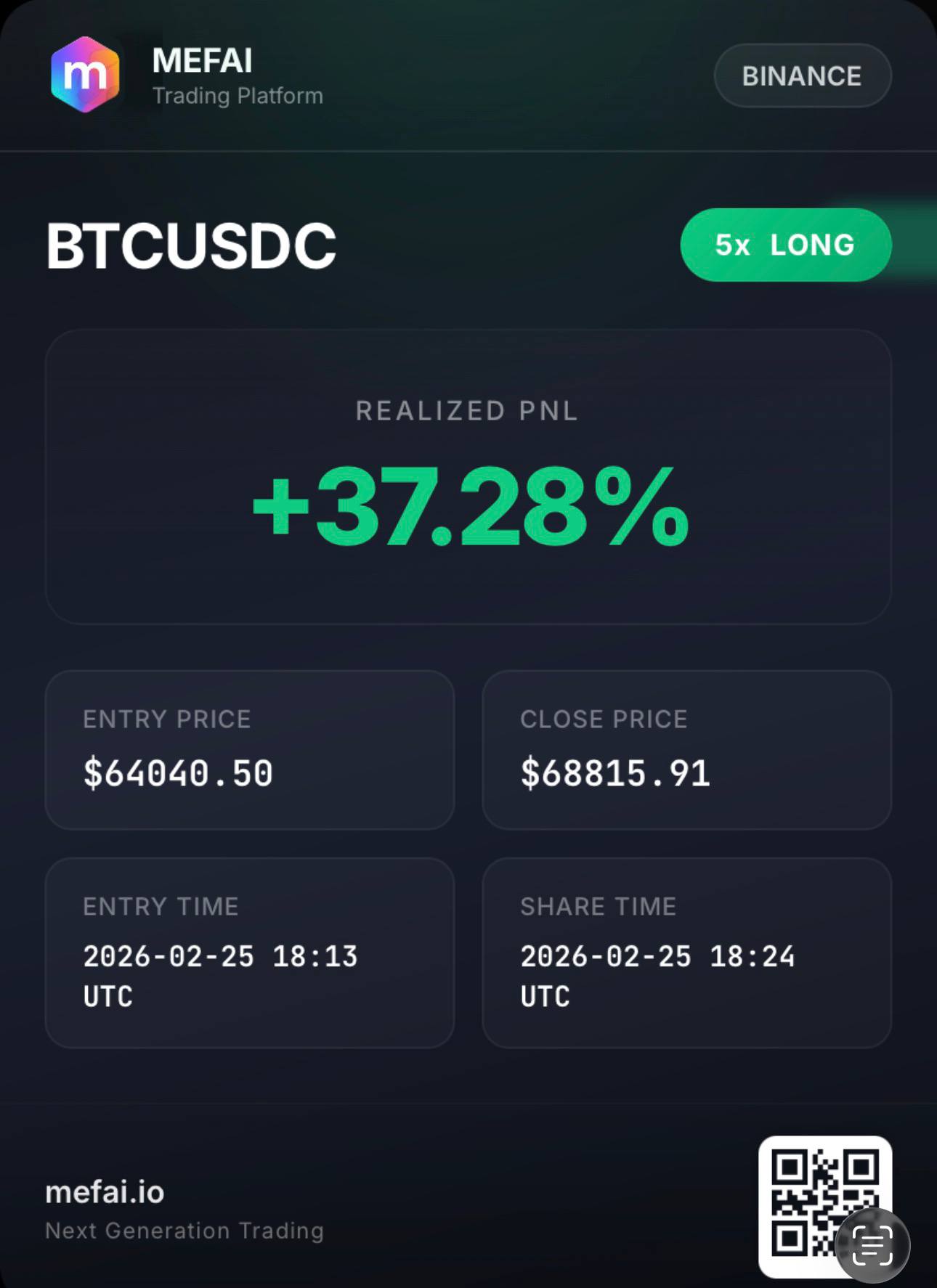
Real results from MEFAI's AI. Get $50 off the Pro plan.
Sponsored · Past performance is not indicative of future results. Not financial advice.


The second criterion is risk management and security. Any tool that connects to your exchange via API keys must be vetted for its security protocols. Prioritize platforms that offer "trade-only" API permissions (never withdrawal permissions) and have a transparent history regarding security practices. Beyond connection security, examine the tool's inherent risk controls. A superior AI bot will have customizable, conservative defaults for stop-losses and position sizing. Look for features like paper trading or backtesting environments that allow you to stress-test strategies without risking real capital. Remember, an AI is only as good as the parameters and constraints you give it; a tool that makes it easy to implement prudent risk management is far more valuable than one promising astronomical returns.
Finally, consider transparency, cost, and community support. The "black box" nature of some AI algorithms can be a red flag. Seek tools that provide some level of explainability for their signals or decisions. While they need not reveal proprietary code, they should offer logical rationales you can understand. Scrutinize pricing models—whether subscription-based, commission-based, or freemium—and ensure the value proposition matches your trading volume. A vibrant user community and responsive customer support are also invaluable. They provide a space to learn best practices, troubleshoot issues, and understand how other traders are successfully leveraging the tool's features, which is particularly crucial when getting started with automated strategies.
Common Pitfalls and How to Avoid Them
The allure of AI can sometimes overshadow practical discipline, leading traders into predictable traps. The most pervasive mistake is over-reliance and abdication of responsibility. Treating an AI tool as an infallible "set-and-forget" money machine is a recipe for disaster. AI models are susceptible to overfitting (performing perfectly on past data but failing in live markets), and they cannot account for truly "black swan" events. You must remain the ultimate risk manager. Use AI for what it excels at—processing data and executing logic without emotion—but always maintain a overarching strategy and be prepared to intervene or shut down a bot if market conditions fundamentally change.
Another critical error is ignoring the human element in strategy design. An AI bot will flawlessly execute the strategy you program, so a flawed strategy will be executed flawlessly—leading to consistent losses. Before deploying capital, rigorously backtest any strategy using the tool's built-in tools, but do so with a healthy skepticism of historical results. The crypto market is not stationary; what worked last year may not work today. Start with paper trading to validate a strategy in live market conditions without financial risk. Furthermore, avoid the temptation to constantly tweak your strategy based on short-term noise. Give a well-researched, AI-assisted strategy adequate time and volume to prove its statistical edge.

Lastly, neglecting the importance of exchange and API management is a technical but vital pitfall. API keys are the lifeblood of automated trading. Never hard-code keys into scripts or share them insecurely. Regularly audit your API permissions and activity on your exchange. A best practice is to create separate API keys for each trading bot or service, with limited permissions and IP whitelisting where possible. This compartmentalization limits your exposure if a key is ever compromised and makes it easier to track which tool is executing which trades, providing crucial clarity for performance analysis and troubleshooting.
Verdict and Final Recommendations
The "best" AI crypto trading tool is not a single product but a personalized solution. For most traders entering the AI space in 2026, starting with a reputable, user-friendly platform like Cryptohopper or 3Commas is a sound strategy. These services offer a balanced ecosystem, often providing access to AI-driven signal marketplaces, a range of automated bots, and educational resources, allowing you to explore both signal-based and fully automated approaches within one interface.
For those focused purely on automated execution and seeking a cost-effective entry point, Pionex stands out for its integration of free, built-in trading bots directly on the exchange, lowering the barrier to experimenting with grid and DCA strategies. The serious quantitative trader, however, should look towards platforms with deeper analytical capabilities, such as Coinigy or TradingView's advanced charting suites enhanced with custom Pine Script AI indicators, which provide the granular data and flexibility needed to build and test complex, proprietary models.
Ultimately, the most powerful AI trading tool is an educated trader using AI as a force multiplier. Regardless of the platform you choose, commit to continuous learning. Understand the basic principles of the strategies your bot executes, continuously evaluate the tool's performance against your goals, and never cede ultimate control over your capital and risk. The true edge in AI-augmented trading comes not from the algorithm alone, but from the synergy between machine efficiency and human judgment. By carefully matching a tool's capabilities to your personal trading blueprint and maintaining disciplined oversight, you can harness AI to navigate the crypto markets with greater clarity and precision.
More in Crypto & Trading

Crypto Money Meets British Politics: The Nigel Farage Tether Gift Scandal Explained
Reform UK's Nigel Farage faces scrutiny over a £5M gift from Tether billionaire Christopher Harborne, raising questions about crypto money in politics and UK regulatory transparency.

South Korea’s Crypto Crackdown: How a Political Nepotism Probe Is Reshaping Exchanges and Regulation
A South Korean lawmaker’s alleged influence over his son’s hiring at crypto exchanges has triggered police raids and a wider probe into hiring practices at Bithumb and Upbit, signaling tougher scrutin

Bitcoin and Ether Suffer Worst Weekly Rout Since FTX Collapse as Crypto Shed $390 Billion
Bitcoin and ether posted their steepest weekly losses since the November 2022 FTX collapse, wiping out roughly $390 billion in crypto market value and triggering nearly $7 billion in leveraged liquida