
How militaries are embedding AI into tactical decision-making
By Mag-Info Tech editorial · 2026-06-17
Recent reporting shows that armed forces around the world are embedding artificial-intelligence models into the core of tactical decision-making. A newly compiled package of stories documents how militaries are using AI to analyse sensor feeds, recommend courses of action, and in some cases, make or inform time-critical battlefield choices. The collection spans a 12-month window and highlights fast-evolving deployments from target identification to logistics planning.
What this means for commanders, operators and even policymakers is a shift from advisory tools that merely surface data to systems that can weigh multiple variables, simulate outcomes, and present ranked options—or, in certain scenarios, issue prompts that human supervisors must acknowledge before execution. The trend raises operational benefits alongside governance questions about accountability, escalation risk and the reliability of AI in fluid combat environments.
AI that sees, decides and advises in near real time
Modern militaries feed AI systems with fused streams from radar, satellites, drones and electronic intelligence. These systems can correlate incoming tracks, classify objects, and estimate intent faster than human teams working with traditional tools. Reports from the past year describe deployments where AI not only flags potential threats but also drafts recommended responses such as weapon pairing, sensor handoffs or electronic countermeasures. In exercises, the AI’s suggestions are presented to operators on ruggedized tablets or heads-up displays within seconds of detection, compressing what once took minutes into near real time.
One documented use case involves layered air-defence networks. AI correlates radar tracks, IFF interrogations and infrared cues to build a consolidated air picture, then proposes intercept geometries to operators. Another involves maritime patrol, where AI ingests AIS, sonar and satellite data to identify suspicious vessel behaviour and suggest interception routes. In both cases, the AI is designed to reduce cognitive load during high-tempo events, allowing crews to focus on confirmation and override rather than raw data fusion. The underlying models are trained on labelled military datasets, including synthetic combat scenarios, to improve generalisation across regions and conditions.
From decision support to delegated prompts
Beyond passive analysis, some militaries are moving toward systems that issue “prompted actions”: the AI recommends a specific response and waits for a human operator to acknowledge before execution. This tiered approach aims to keep humans in the loop while accelerating the Observe-Orient-Decide-Act loop. Field notes indicate that these systems are currently limited to low-risk actions such as sensor re-tasking or electronic warfare activation, with higher-risk kinetic engagements still requiring explicit human confirmation.
The shift introduces new terminology: “machine-generated advisories” and “human-on-the-loop” oversight. Advisories are suggestions the AI continuously updates as new data arrives; the operator can accept, modify or reject them. In certain exercises, the AI’s top recommendation is highlighted in green, secondary options in amber, and disallowed actions in red. This colour-coding helps crews internalise the model’s confidence bands without abdicating responsibility. Commanders stress that the goal is not autonomy but augmented cognition—using AI to surface weak signals and reduce decision latency in complex environments.

Battlefield logistics and predictive sustainment
AI is also being applied to logistics, where the volume of parts, fuel, ammunition and medical supplies can overwhelm traditional forecasting. Recent case studies show AI systems predicting consumption rates, anticipating bottlenecks, and even rerouting convoys based on projected threats and terrain conditions. One documented deployment uses sensor data from vehicles to estimate real-time fuel burn and part wear, then feeds that into a theatre-wide sustainment model. The system alerts logistics officers when stock levels at forward depots are likely to fall below minimums within 72 hours, enabling pre-emptive redistribution.
Another use case involves predictive maintenance for aircraft and armoured vehicles. AI analyses vibration, temperature and performance telemetry to flag components likely to fail within the next 10–30 days. Maintenance crews receive work orders ranked by risk, allowing them to schedule repairs before failures occur. The effect is higher equipment availability and reduced unscheduled downtime. These logistics models are trained on historical failure data combined with synthetic battle damage scenarios, improving robustness against novel operating conditions.
Electronic warfare and spectrum dominance
Electronic warfare (EW) units are integrating AI to manage crowded and contested electromagnetic spectra. Modern EW systems must detect, classify and respond to radar and communications signals in milliseconds while avoiding fratricide and collateral effects. AI models trained on dense signal libraries can propose jamming patterns, frequency-hopping sequences and antenna pointing adjustments that optimise spectrum usage under interference. Operators review the AI’s proposals on spectrum analyser displays and can accept or tweak the parameters before activation.
In one documented exercise, an AI-driven EW suite maintained connectivity for friendly forces while suppressing enemy radar networks across a 200-kilometre front. The AI continuously re-optimised jamming masks in response to adversary countermeasures, a task that would overwhelm human operators managing dozens of emitters. The exercise report notes that the AI achieved higher cumulative spectrum dominance scores than manual control, though human teams retained veto power over any action that could inadvertently interfere with civilian or allied systems.
Policy and escalation: who answers when AI errs?
As AI moves from advisory to prompted-action, questions of accountability intensify. Military doctrine still centres on the concept of “command responsibility,” but when an AI generates the prompt that leads to a kinetic engagement, the locus of responsibility becomes less clear. Recent policy discussions highlight the need for immutable audit trails that record every data input, model inference and human acknowledgment. Some armed forces are piloting blockchain-style ledgers for tactical AI decisions, ensuring that any later investigation can reconstruct the decision chain.
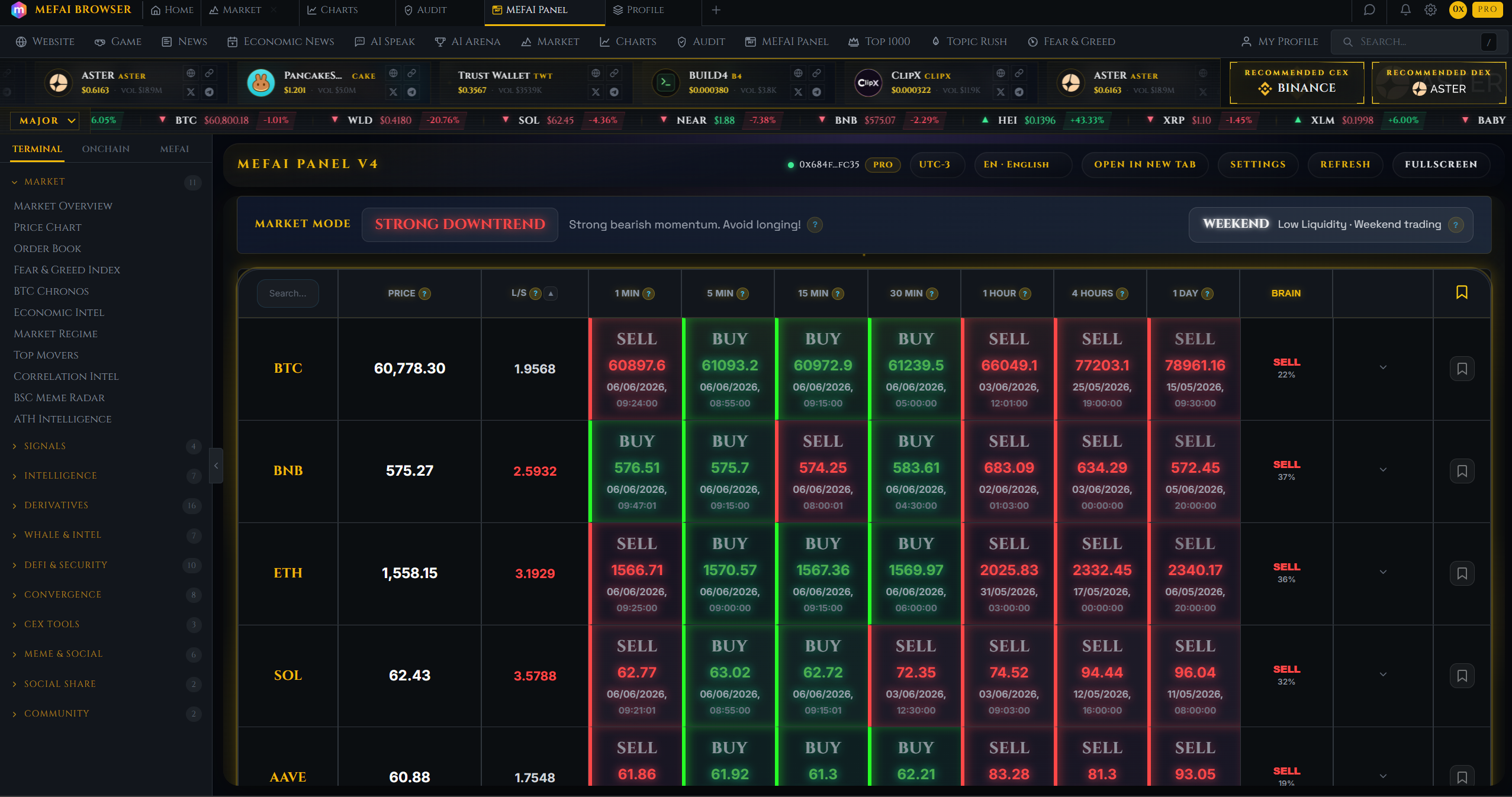

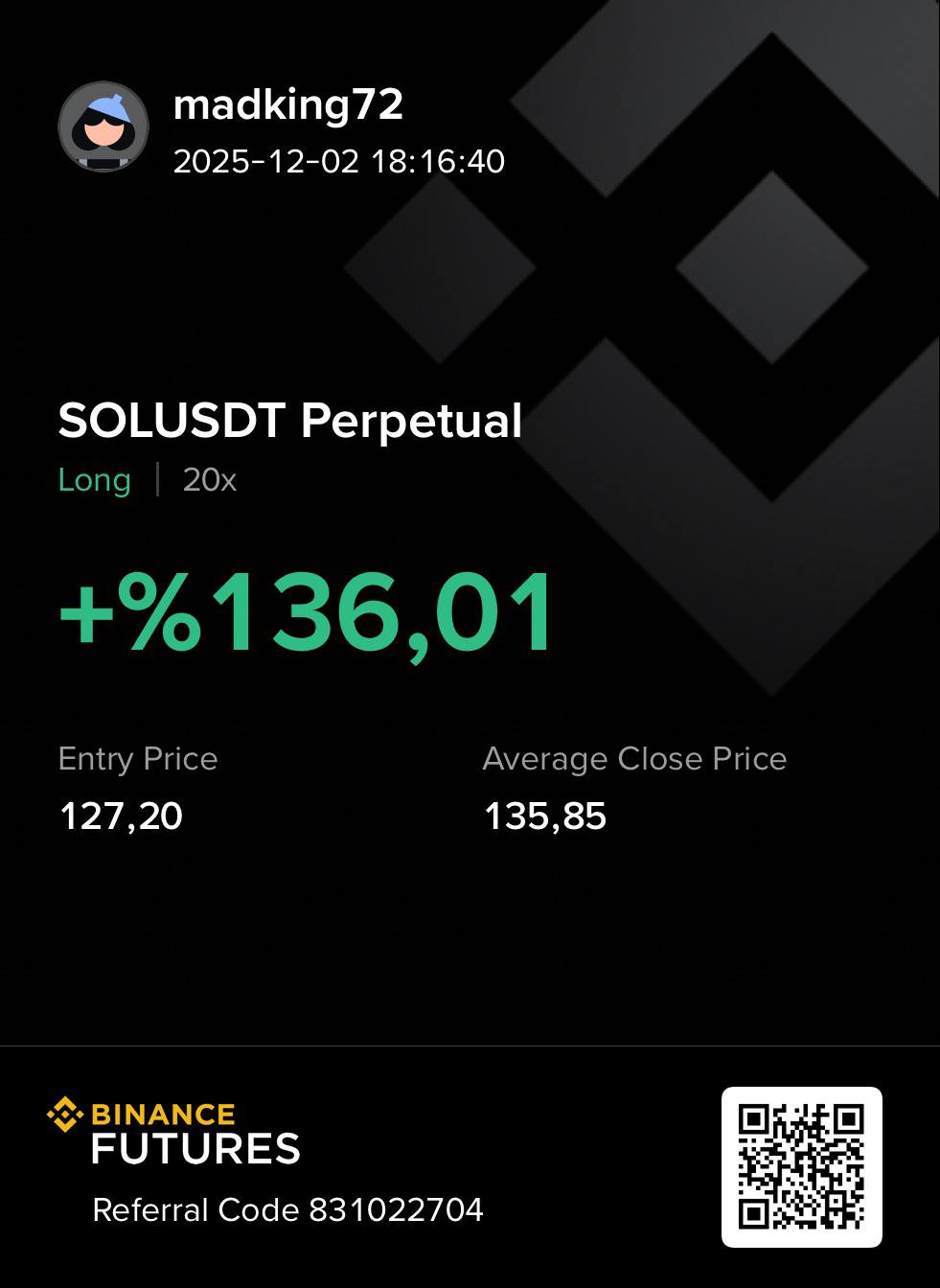
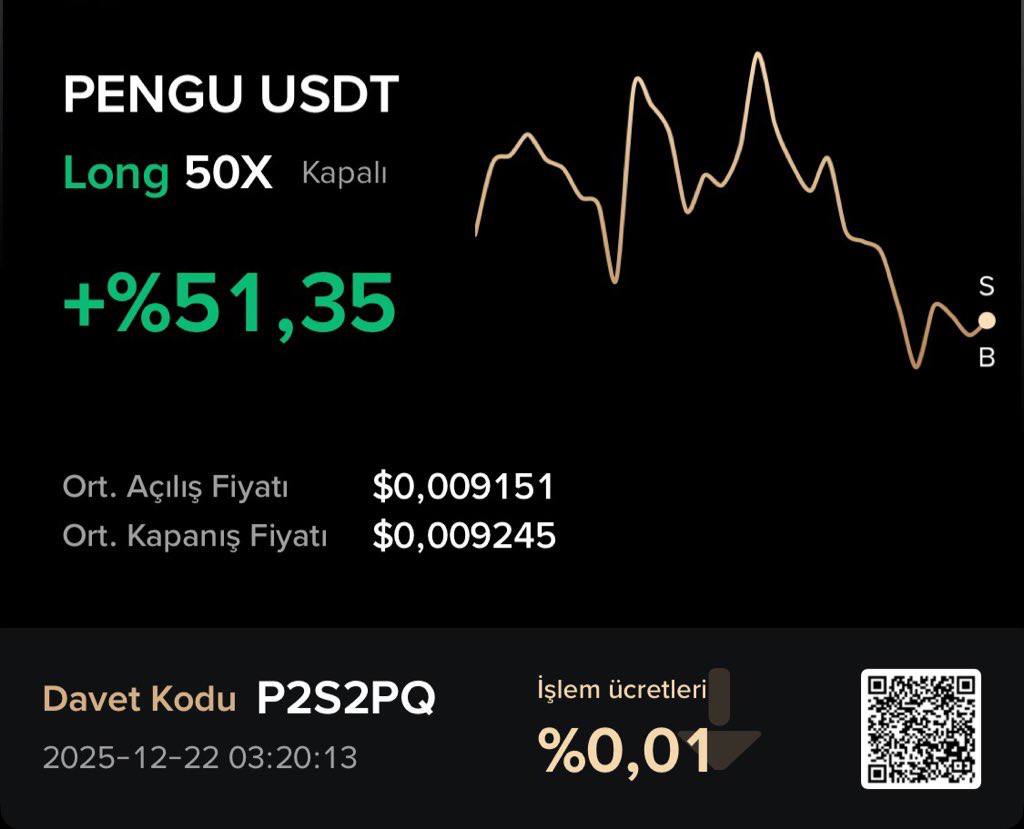

Real results from MEFAI's AI. Get $50 off the Pro plan.
Sponsored · Past performance is not indicative of future results. Not financial advice.

Escalation risk is another concern. If an adversary perceives that an AI system can rapidly recommend and execute limited engagements, they may feel pressure to pre-empt or escalate during a crisis. Analysts point out that AI-induced speed advantages could compress decision cycles below the threshold of deliberate political consultation, increasing the chance of unintended escalation. To mitigate this, some militaries are imposing “speed governors” that cap the rate at which AI can issue prompted actions during high-tempo operations, giving commanders breathing room to reassess.

Human factors: trust, training and cognitive load
Introducing AI into tactical roles changes how crews allocate attention. Operators report that over-reliance on AI suggestions can lead to complacency, while under-reliance can negate the speed benefits. Training programmes now include scenario-based drills where AI advisories are deliberately wrong or ambiguous, forcing crews to interrogate the model’s reasoning. Crews are taught to ask for confidence scores, counterfactual simulations and alternative recommendations before accepting any AI prompt.
Interface design is critical. Displays must present AI reasoning in digestible chunks without overwhelming operators. One documented approach uses layered information cards: the top card shows the AI’s top recommendation and confidence; a second card reveals key evidence nodes; a third offers a one-click “explain” function that traces the decision path back to specific data points. This structure helps maintain situational awareness while keeping the cognitive load manageable under stress.
International diffusion and export controls
The technology is diffusing across alliances and regions, but with uneven regulatory responses. Some nations have tightened export controls on AI chips and labelled certain algorithms as munitions-grade, restricting their transfer to non-allied states. Others are accelerating domestic AI chip production to reduce reliance on foreign suppliers. The divergence creates a patchwork of capabilities: allied forces may share AI models and best practices within secure networks, while non-aligned actors pursue indigenous stacks with variable reliability and safety guarantees.
Industry sources indicate that commercial AI accelerators originally designed for data centres are being ruggedised and certified for military environments, but their performance envelopes still fall short of the most demanding edge scenarios. Military-grade AI accelerators with low-latency memory hierarchies and radiation-hardened designs remain niche and expensive, limiting widespread deployment. This asymmetry means that early adopters—typically high-budget, technologically advanced forces—are pulling ahead in operational tempo, while others risk falling behind in AI-enabled decision cycles.

What to watch next: standards, red-teaming and red lines
The next 12–18 months will likely see the emergence of de facto standards for AI safety in military contexts. Expect initiatives that define acceptable false-positive rates, confidence thresholds for prompted actions, and mandatory red-teaming protocols before any new model is fielded. Red-teaming will expand beyond software vulnerabilities to include adversarial data injection, spoofing and model inversion attacks aimed at extracting sensitive training data.
Policy red lines are also taking shape. Several nations are drafting treaties or unilateral declarations that prohibit fully autonomous lethal engagements without meaningful human control. Meanwhile, dual-use AI models—those with both civilian and military applications—are drawing stricter scrutiny, with some governments requiring licensing for any model trained on defence-relevant datasets. Practitioners should anticipate stricter validation regimes, longer certification timelines and increased liability exposure for vendors supplying AI components to armed forces.
For military operators, the practical takeaway is to prepare for AI as a persistent teammate rather than a temporary tool. Crews will need recurring training on AI literacy, scenario drills that stress-test advisory reliability, and clear escalation protocols for when systems behave unpredictably. Commanders should budget for additional hardware—ruggedised compute, secure networks and tamper-resistant storage—as well as software integration, interface redesign and continuous model updates.
Industry players should expect demand for militarised AI accelerators, secure development pipelines and export-controlled stacks. Vendors will need to invest in certification pathways, audit tooling and documentation that meets military standards, not just commercial best practices. The gap between civilian AI hype and military-grade readiness remains wide, and those who bridge it with robust engineering and transparent safety processes will shape the next generation of tactical decision aids.
In short, AI is no longer a peripheral analytics tool in modern militaries; it is becoming a core component of the decision loop. The shift promises faster reactions and reduced cognitive load, but it also demands rigorous governance, transparent reasoning and unbroken human accountability. The forces that get this balance right will gain a decisive edge; those that do not risk operational surprises, ethical lapses and escalatory missteps in an era where speed and data volume can outweigh traditional advantages.
More in Artificial Intelligence
Why Anthropic’s Feud With the Government May Be a Net Win for Its Business
After a government order blocked its most advanced models and labeled it a supply-chain risk, Anthropic’s enterprise sales surged. Sales data shows businesses are embracing the “too dangerous to use”

Anthropic Reverses Course on Pricing for Claude Agent SDK
Anthropic delayed a billing change that would have raised costs for heavy users of the Claude Agent SDK, keeping existing usage limits active for now.

Centralized AI’s Growing Restrictions Are Fueling Demand for Decentralized Alternatives
US restrictions on Anthropic’s models underscore risks of centralized AI access and accelerate interest in decentralized networks like Bittensor, where the TAO token surged after the news.