
Centralized AI’s Growing Restrictions Are Fueling Demand for Decentralized Alternatives
By Mag-Info Tech editorial · 2026-06-16

The United States government’s decision to restrict access to Anthropic’s latest AI models has exposed a critical vulnerability in centralized AI infrastructure: control. When access to advanced systems is subject to sudden policy shifts, users—whether enterprises, researchers, or developers—face immediate disruption. This episode has not only highlighted the fragility of centralized AI monopolies but also accelerated interest in decentralized alternatives that operate beyond single-entity control. Among these, Bittensor’s TAO token has emerged as a front-runner, with its value rising sharply in the hours following the restriction announcement. The event underscores a growing tension between centralized AI governance and the demand for open, permissionless access to AI capabilities.
The Genesis of the Restriction: Why the US Moved Against Anthropic’s Models
According to reports, the US government ordered Anthropic to suspend access to its latest AI models, Fable 5 and Mythos 5, for foreign nationals due to national security concerns. In response, Anthropic disabled access to these models entirely, effectively cutting off all users—domestic and international—rather than risk violating the directive. This blanket shutdown reflects the high stakes involved when governments intervene in AI deployment, prioritizing security over accessibility. The move signals that access to cutting-edge AI is no longer purely a technological or economic issue but a geopolitical one, where control over AI capabilities can be weaponized or restricted at short notice.
The implications are significant for industries reliant on AI inference and training. Companies using Anthropic’s models for customer support, content generation, or data analysis now face operational uncertainty. If access can be revoked without warning, long-term planning becomes precarious. This reality has prompted many to reconsider their dependency on centralized AI providers, especially those based in jurisdictions subject to rapid policy changes. The episode demonstrates that in an era of escalating AI capabilities, infrastructure stability cannot be taken for granted when it is concentrated in the hands of a few powerful entities.
How Decentralized AI Networks Operate Differently
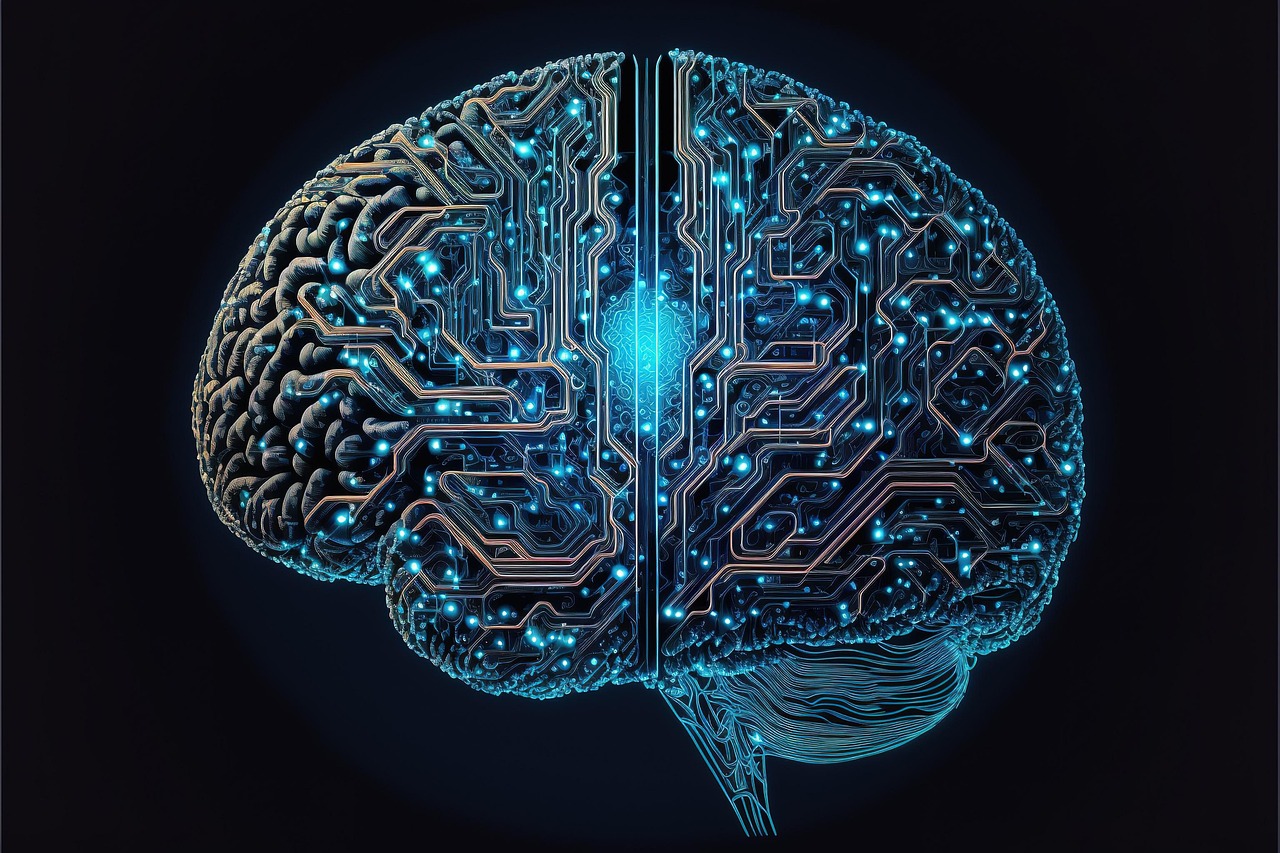
Decentralized AI networks like Bittensor are designed to distribute both the training and inference of AI models across a global network of participants. Instead of relying on a single corporation or cloud provider, these systems operate on blockchain-based protocols where participants contribute computational power, data, or model weights in exchange for tokens. This architecture ensures that no single entity—government or corporation—can unilaterally restrict access or control the technology. For users, this means continuous, censorship-resistant access to AI capabilities, provided they meet the network’s consensus rules.
Bittensor, in particular, has positioned itself as an alternative vision for AI: one that is open, permissionless, and driven by market incentives rather than corporate mandates. Participants in the network, known as validators and miners, compete to provide the most accurate model responses, with rewards distributed in TAO tokens. This creates a self-sustaining ecosystem where AI services are not hoarded by a central lab but are instead available to anyone who can contribute value to the network. The model aligns economic incentives with technological openness, making it attractive to developers and organizations seeking autonomy from centralized gatekeepers.
The Market Reaction: TAO Token Surges as Users Seek Alternatives
Within 12 hours of the US government’s restriction on Anthropic’s models, the TAO token—Bittensor’s native cryptocurrency—climbed 30%, reaching a three-week high of $283. The surge was not isolated; over the following week, TAO outperformed the broader crypto market, reflecting a clear rotation of capital and attention toward decentralized AI assets. This price action suggests that investors and users are actively seeking alternatives to centralized AI infrastructure, especially in regions where access may be politically constrained.
The timing of the surge is telling. It occurred not during a broad market rally but in direct response to a policy-driven disruption in centralized AI services. This implies that the demand for decentralized AI is not speculative but functional: users are hedging against the risk of sudden access loss. For developers building AI-powered applications, the choice is increasingly clear: rely on a single provider that can shut down access at any time, or participate in a decentralized network where uptime and availability are guaranteed by protocol design. The market’s reaction validates this logic, as capital flows toward systems that prioritize resilience over convenience.
The Broader Implications for AI Governance and Access
The Anthropic incident is more than a one-off regulatory event; it is a microcosm of a larger trend. As AI capabilities advance, governments are increasingly asserting control over access to these technologies, citing national security, ethical concerns, or economic protectionism. This trend risks creating a fragmented AI landscape, where access is unevenly distributed based on geopolitical alignment rather than technological merit. In such an environment, decentralized networks offer a neutral ground where AI services can be accessed without intermediation from state or corporate authorities.
For enterprises, the lesson is clear: over-reliance on a single AI provider—even a leading one like Anthropic—introduces unacceptable operational risk. A diversified approach, combining centralized and decentralized AI services, may become standard practice. For startups and researchers in restrictive jurisdictions, decentralized networks could be the only viable path to accessing advanced AI tools. This shift could democratize AI development, allowing talent from any region to contribute to and benefit from AI advancements without seeking permission from centralized gatekeepers.
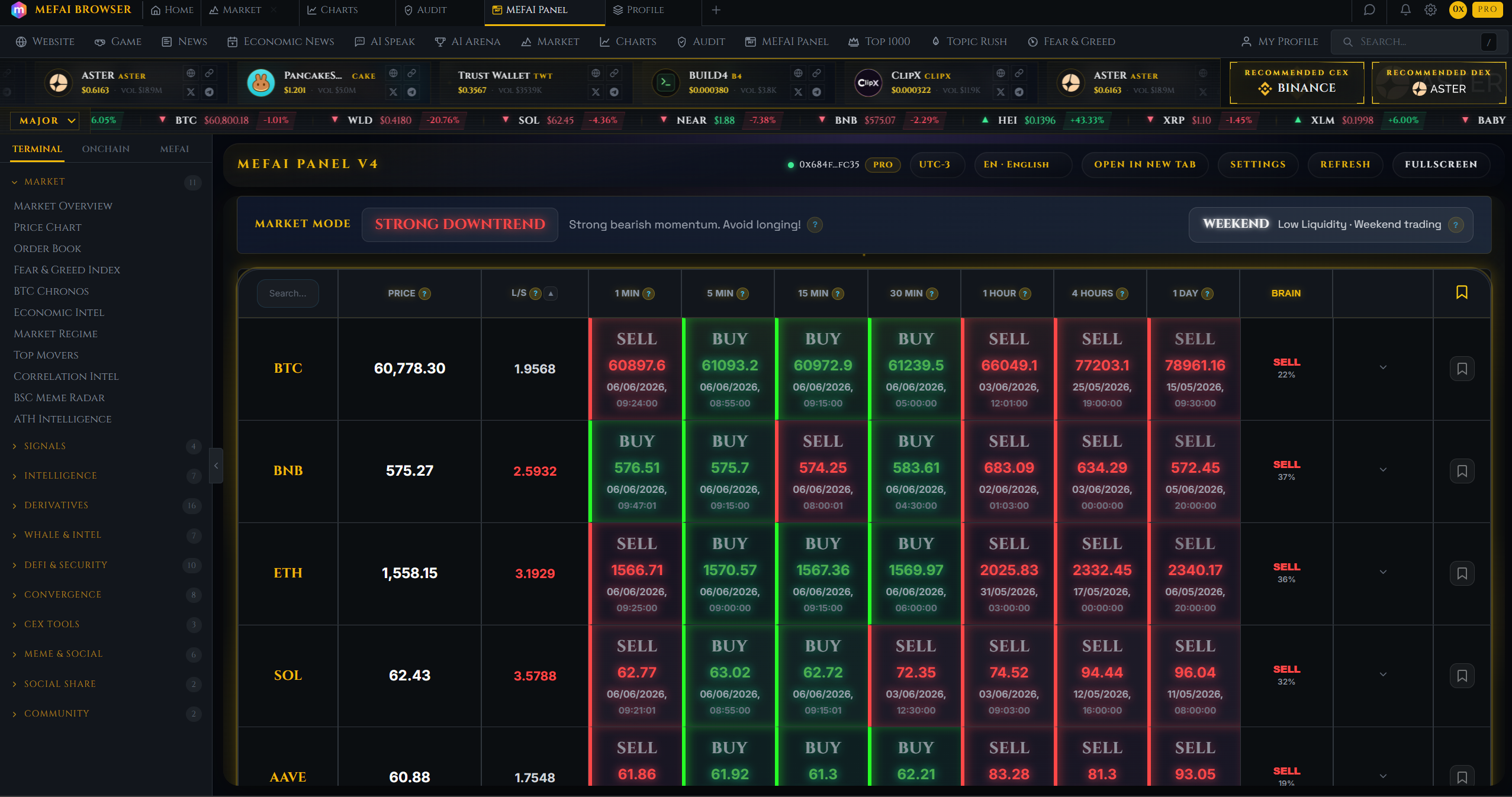
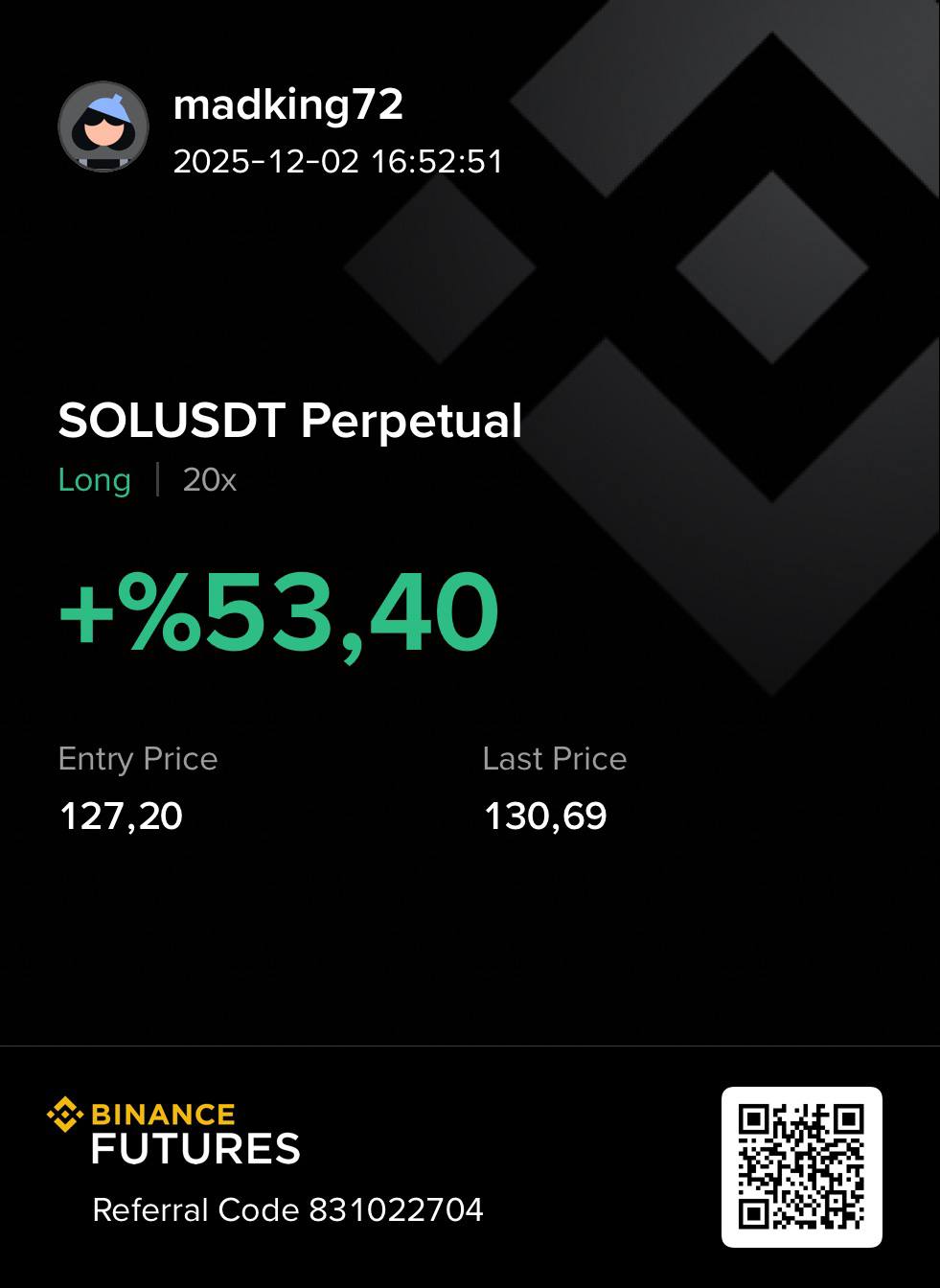
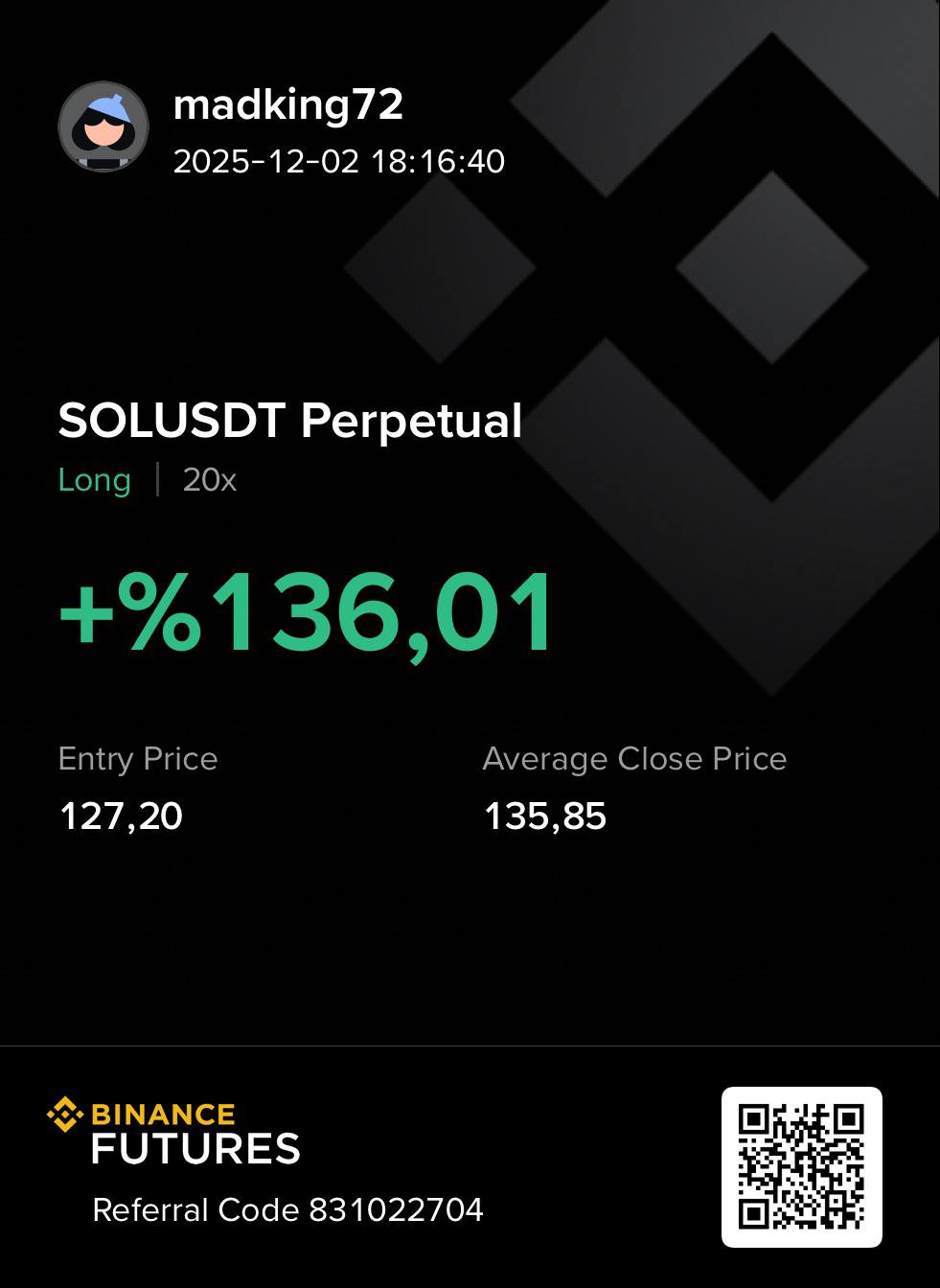
Real results from MEFAI's AI. Get $50 off the Pro plan.
Sponsored · Past performance is not indicative of future results. Not financial advice.


The Technical Advantages of Decentralized AI Architectures
Beyond governance, decentralized AI networks offer technical advantages that centralized systems struggle to match. Because computation is distributed, these networks can scale horizontally without bottlenecks, accommodating spikes in demand without performance degradation. Redundancy is built into the system: if one node fails or is taken offline, others can compensate, ensuring continuous service. This architecture is particularly valuable for applications requiring high availability, such as real-time translation, autonomous systems, or large-scale data processing.
Moreover, decentralized networks incentivize high-quality contributions through token rewards, creating a meritocratic environment where the best models and data providers are naturally selected by the market. This stands in contrast to centralized labs, where internal teams or favored partners may receive preferential access to cutting-edge models. The open nature of decentralized AI also accelerates innovation, as external developers can experiment with and refine models without restrictive licensing or proprietary constraints. For industries like healthcare, finance, and logistics—where AI adoption is accelerating—these advantages could translate into faster deployment, lower costs, and greater reliability.
Regulatory and Ethical Considerations in the Decentralized AI Space
While decentralized AI offers compelling benefits, it is not without challenges. Regulators may view permissionless networks as difficult to monitor, potentially enabling misuse such as deepfake generation, misinformation, or malicious automation. The same features that protect user access—censorship resistance and decentralization—could also hinder efforts to enforce ethical guidelines or legal compliance. This tension between openness and control will likely intensify as decentralized AI systems grow in capability and adoption.
Ethically, decentralized AI raises questions about accountability. In a system where no single entity controls the models, determining liability for harmful outputs becomes complex. If a decentralized network produces biased or dangerous results, who is responsible? The protocol developers, the node operators, or the users requesting the inference? These questions are still unresolved and will require new frameworks for governance, possibly involving hybrid models that combine decentralized infrastructure with centralized oversight where necessary. The industry must address these issues proactively to avoid backlash that could stifle innovation.
What to Watch Next in the Decentralized AI Ecosystem
Several developments are worth monitoring in the coming months. First, expect increased competition among decentralized AI networks, as new protocols emerge aiming to replicate or improve upon Bittensor’s model. Projects like Fetch.ai, SingularityNET, and Ocean Protocol are already active in this space, and their token performance could indicate whether Bittensor’s lead is sustainable. Second, watch for regulatory clarity—or the lack thereof—regarding decentralized AI tokens and protocols. If governments classify these networks as securities or impose stringent compliance requirements, their growth could be hampered.

Third, monitor enterprise adoption of decentralized AI tools. As companies recognize the risks of centralized dependency, they may begin piloting decentralized alternatives for non-critical workloads, testing their reliability and cost-effectiveness. Finally, keep an eye on hardware innovations that support decentralized AI, such as low-power edge devices capable of running inference locally. These could reduce reliance on cloud-based AI entirely, further decentralizing the ecosystem.
Practical Takeaways for Developers, Investors, and Policymakers
For developers, the key takeaway is diversification. Do not build critical applications on a single AI provider, whether centralized or decentralized. Instead, architect systems to leverage multiple inference sources, including decentralized networks, to mitigate risk. For investors, the Anthropic incident highlights the importance of monitoring geopolitical developments that could disrupt centralized AI services. Allocating a portion of AI-related portfolios to decentralized tokens may serve as a hedge against regulatory shocks. For policymakers, the challenge is to balance national security concerns with the need to foster innovation. Overly restrictive policies could drive talent and capital offshore, while laissez-faire approaches may enable misuse. A nuanced regulatory framework that distinguishes between harmful and beneficial use cases will be essential.
Conclusion
The US government’s restriction on Anthropic’s AI models has served as a wake-up call for the tech industry. It has exposed the vulnerabilities of centralized AI infrastructure and accelerated interest in decentralized alternatives that prioritize openness, resilience, and user autonomy. Networks like Bittensor demonstrate that AI can function effectively without a single point of control, offering a compelling vision for the future of the technology. While challenges remain—technical, ethical, and regulatory—the momentum is clear. As access to AI becomes increasingly constrained by centralized authorities, decentralized networks are poised to fill the gap, reshaping the AI landscape in the process. The question is no longer whether decentralized AI will play a major role, but how quickly and broadly it will be adopted.
More in Artificial Intelligence

Why Anthropic’s Feud With the Government May Be a Net Win for Its Business
After a government order blocked its most advanced models and labeled it a supply-chain risk, Anthropic’s enterprise sales surged. Sales data shows businesses are embracing the “too dangerous to use”

Anthropic Reverses Course on Pricing for Claude Agent SDK
Anthropic delayed a billing change that would have raised costs for heavy users of the Claude Agent SDK, keeping existing usage limits active for now.

How militaries are embedding AI into tactical decision-making
From target identification to logistics, armed forces are integrating AI systems that can analyse vast datasets in seconds and recommend courses of action.