How AI Chatbots and LLMs Are Evolving in 2026: What Users Need to Know
By Mag-Info Tech editorial · 2026-06-10

Why 2026 is a pivot point for AI chatbots and LLMs
The past two years reshaped how people use AI chatbots, but 2026 marks a more fundamental shift: models are no longer just conversational assistants—they are becoming embedded reasoning engines inside workflows. This year’s wave of upgrades is less about flashy demos and more about reliability, privacy, and integration. Users now expect chatbots to handle multi-step tasks, maintain context across sessions, and respect enterprise data boundaries. For consumers, that means more personalized, always-on help without constant re-explanations. For professionals, it means tools that can draft, analyze, and automate without switching apps.
What’s driving this change is the maturing architecture of large language models. Today’s top systems combine faster inference, stronger memory, and tighter tool-use APIs. They’re also becoming more modular—letting users plug in specialized models for coding, legal review, or creative writing without rebuilding everything. That flexibility matters because no single model excels at everything. A developer needs different strengths than a marketer or a doctor. The best chatbots in 2026 reflect that diversity, offering clear trade-offs between creativity, accuracy, speed, and cost.
The rise of specialized LLMs: when one model isn’t enough
General-purpose LLMs still dominate the market, but 2026 has seen a rapid rise in domain-specific models trained on curated datasets in law, medicine, finance, and software engineering. These models are fine-tuned to reduce hallucinations in high-stakes fields and to follow industry terminology precisely. For example, legal teams now use LLMs trained on case law to summarize contracts or flag risky clauses, while developers rely on code-optimized models that understand APIs, frameworks, and security best practices.
The downside is fragmentation. A single chatbot interface often can’t switch between these specialized models seamlessly. Some platforms are addressing this by offering “model routing”—letting users select the right engine for the job while keeping a consistent chat experience. Others are building adapter layers that translate user prompts into the optimal model’s context. The key question for buyers is whether they need a Swiss-army-knife generalist or a set of precision tools. Most teams benefit from both: a generalist for brainstorming and a specialist for execution.
Best overall AI chatbots for most users in 2026
Among the general-purpose chatbots, three platforms stand out for broad usability: ChatGPT, Claude, and Mistral AI’s Le Chat. ChatGPT remains the most polished and widely adopted, with deep integrations across productivity apps and a strong ecosystem of third-party plugins. Its strength is consistency and ease of use, making it ideal for non-technical users who want reliable answers and creative assistance. However, its closed nature limits customization and data privacy options.
Claude, developed by Anthropic, has gained ground by emphasizing safety and context retention. It’s particularly popular with professionals who need long-form, coherent outputs—think policy documents, research briefs, or extended code reviews. Users report fewer abrupt cutoffs and better handling of nuanced prompts. Mistral AI’s Le Chat brings a European perspective, with strong multilingual support and a focus on transparency and open-weight model availability. This appeals to organizations concerned about data sovereignty and regulatory compliance.
For most users, the choice comes down to ecosystem fit. If you’re already in Microsoft or Google’s orbit, their native chatbots integrate tightly with Office and Workspace, respectively. But if you value autonomy and privacy, open-weight alternatives like Mistral’s models—especially when self-hosted—offer more control over data flows and model behavior.
Best AI chatbots for developers and technical users
Developers have distinct needs: fast iteration, accurate code generation, debugging help, and integration with dev tools. In 2026, the standout tools are GitHub Copilot Chat, Cursor IDE’s built-in assistant, and Llama 3’s code-focused variants. GitHub Copilot Chat remains the market leader due to its deep integration with repositories, pull requests, and CI/CD pipelines. It excels at generating boilerplate, explaining legacy code, and suggesting fixes within context. Its strength is velocity—developers report significant time savings on routine tasks.
Cursor takes a different approach by embedding an AI assistant directly into the IDE. This tight coupling reduces latency and allows for real-time code analysis, refactoring, and test generation. It’s especially useful for teams working in large codebases where context switching slows progress. Llama 3’s code models, available through various platforms, offer strong performance on benchmarks and can be fine-tuned for proprietary stacks. They’re a good fit for organizations that want to avoid vendor lock-in while maintaining high code quality.
Practical tip: if your team uses GitHub heavily, start with Copilot Chat. If you’re invested in VS Code or JetBrains, Cursor or JetBrains AI Assistant will feel more natural. For maximum flexibility, consider a setup where developers can switch between Copilot for speed and a self-hosted Llama-based assistant for sensitive or proprietary code.
Best AI chatbots for privacy, security, and compliance
Privacy-focused chatbots are no longer niche tools—they’re becoming standard for regulated industries and privacy-conscious users. In 2026, the leading options are Perplexity AI’s private mode, Mistral AI’s Le Chat (when self-hosted), and enterprise versions of ChatGPT and Claude with data residency controls. Perplexity AI has expanded its privacy offerings with end-to-end encrypted chats and on-premises deployment, making it suitable for healthcare and finance teams. Its real-time search plus chat interface is also useful for researchers who need verifiable sources.
Mistral AI stands out for its open-weight models and European data residency, which aligns with GDPR and other regional privacy laws. Organizations can run its models in their own data centers, avoiding third-party data transfers. This approach is ideal for public sector bodies, universities, and companies with strict compliance requirements. Enterprise versions of ChatGPT and Claude now offer similar controls, including private instances, audit logs, and customizable retention policies.

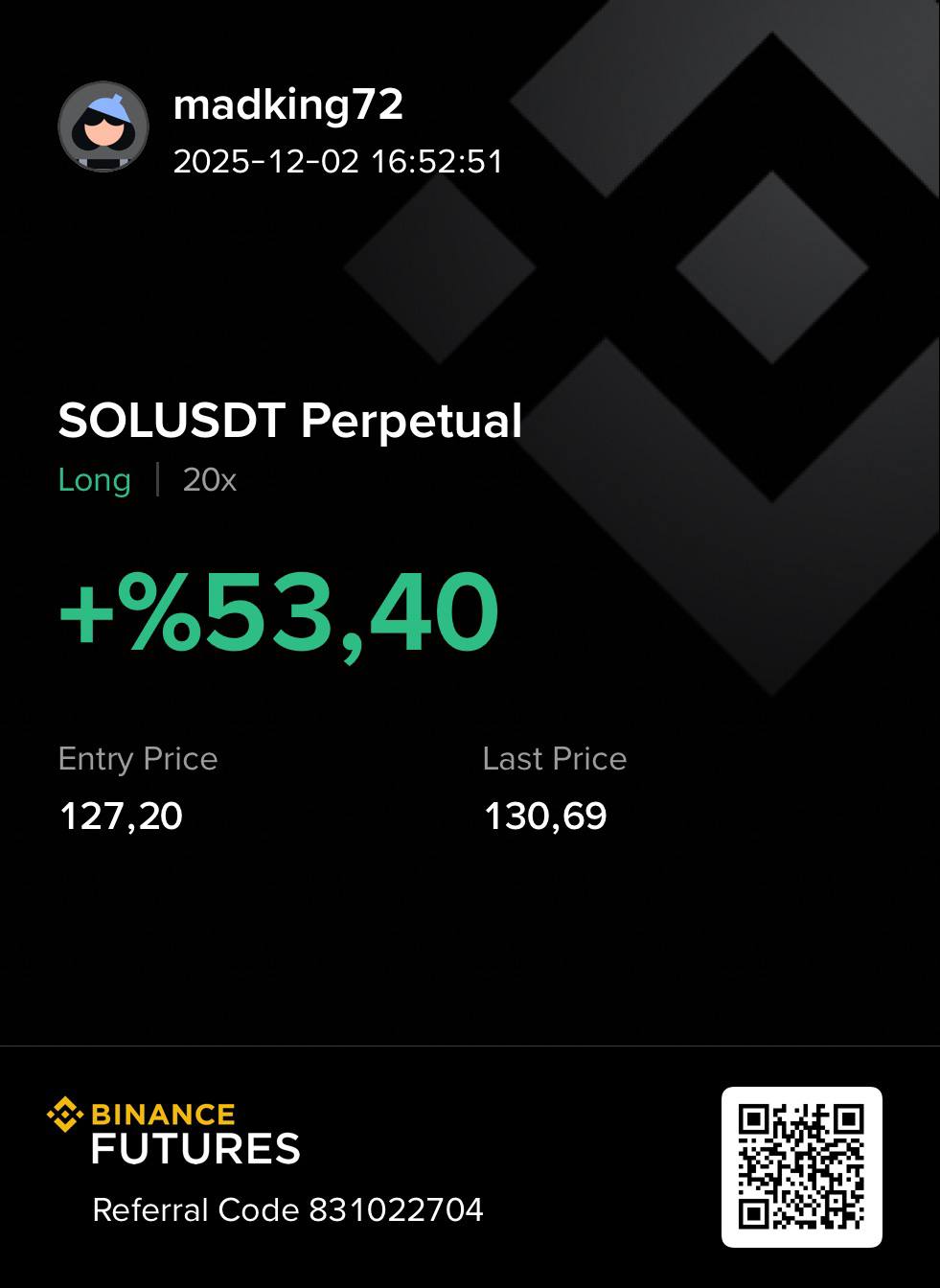
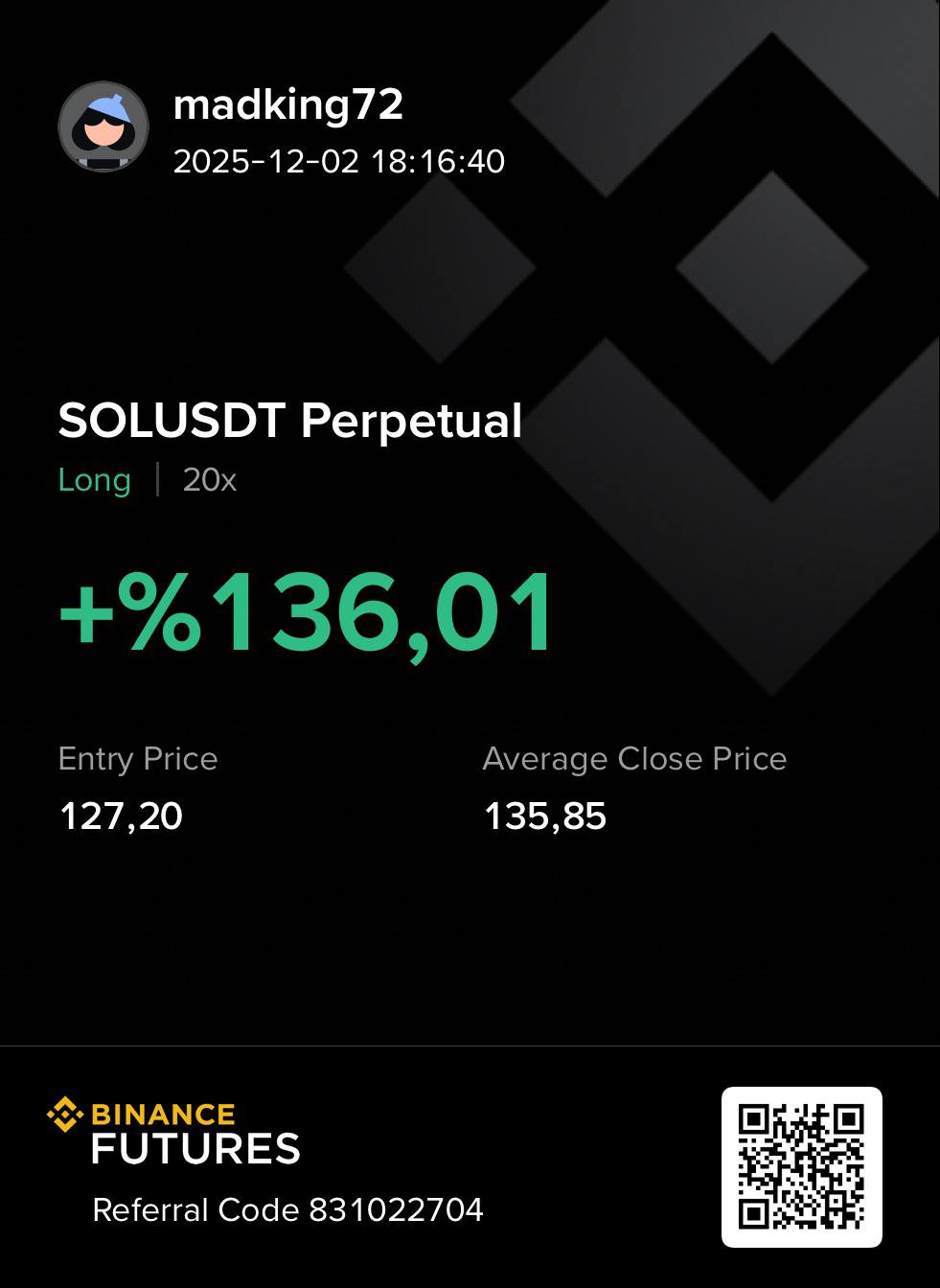
Real results from MEFAI's AI. Get $50 off the Pro plan.
Sponsored · Past performance is not indicative of future results. Not financial advice.

When evaluating privacy tools, look beyond marketing claims. Ask vendors about data processing agreements, encryption standards, and whether logs are retained. Also consider whether the chatbot supports federated learning or differential privacy—features that further reduce exposure of sensitive inputs. For most regulated teams, a self-hosted or private-cloud deployment is the safest path.
Best AI chatbots for creative professionals and writers
Writers, designers, and marketers need chatbots that understand tone, style, and intent—not just facts. In 2026, the top tools for creative work are Jasper, Sudowrite, and Midjourney’s conversational mode. Jasper has evolved from a template-driven copy generator into a full creative partner, offering style guides, brand voice presets, and multi-format output (emails, ads, social posts). It’s particularly strong for teams that need consistent messaging across campaigns.
Sudowrite focuses on fiction and storytelling, with features like “describe” mode to enrich prose, “variation” to rephrase lines, and “brainstorm” to overcome writer’s block. It integrates with Scrivener and Google Docs, making it a natural fit for novelists and screenwriters. Midjourney’s conversational mode blends image generation with text-based ideation, letting users refine visual concepts through dialogue. This is useful for designers who want to iterate on mood boards or concept art without switching tools.
The key for creative users is integration with their existing workflows. Jasper works well for marketers embedded in CRM systems, while Sudowrite fits writers who live in Scrivener or Google Docs. Midjourney’s approach suits teams that need both visual and textual collaboration. Before committing, test how well the chatbot adapts to your brand voice or narrative style—this is where most tools still fall short.
What to watch next: trends shaping chatbots beyond 2026
Two trends will define the next phase of AI chatbots: memory and multimodality. Memory systems are improving rapidly, moving from short-term context to long-term user profiles that persist across sessions. This means chatbots will remember preferences, past decisions, and even recurring tasks—reducing friction and improving personalization. However, memory raises privacy concerns; users will need granular controls over what is stored and for how long.
Multimodality is expanding beyond images to include video, audio, and structured data. Chatbots will soon accept video prompts (e.g., “summarize this meeting”) and return mixed outputs (e.g., a slide deck with speaker notes). This is already happening in niche tools, but 2027 will see mainstream platforms integrate these capabilities. The challenge will be balancing richness with usability—too many input types can overwhelm users.

Another area to watch is agentic chatbots—systems that can plan and execute multi-step tasks autonomously. Instead of just answering questions, they’ll book meetings, draft contracts, and follow up—with human oversight. Early versions exist in enterprise tools, but reliability and safety remain open issues. For most users, agentic features will arrive first as opt-in workflows rather than default behavior.
How to choose the right AI chatbot in 2026: a practical checklist
Start by defining your primary use case: general assistance, coding, creativity, or compliance. General users should prioritize ease of use and ecosystem integration. Developers need speed, accuracy, and IDE compatibility. Creative professionals should test tone and style adaptation. Privacy-focused users must verify data residency and encryption.
Next, evaluate integration needs. Does the chatbot connect to your email, CRM, codebase, or document system? Can it trigger actions or just answer questions? API support and plugin ecosystems are critical for scaling use. Also consider latency and uptime—some platforms are faster than others, and reliability varies by region.
Finally, assess cost and flexibility. Some chatbots are free for basic use but charge for advanced features; others require subscriptions or enterprise contracts. Open-weight models offer long-term cost control but demand technical expertise to deploy and maintain. Hybrid approaches—using a managed service for day-to-day tasks and self-hosting for sensitive work—are becoming more common.
The bottom line: which AI chatbot deserves your attention in 2026
If you want a single, reliable assistant for everyday tasks, start with a general-purpose chatbot like ChatGPT or Claude. They offer the broadest capabilities and easiest onboarding. Developers should integrate a code-focused assistant—GitHub Copilot Chat for GitHub users, Cursor for IDE-centric workflows, or a self-hosted Llama model for full control. Creative professionals will benefit most from tools tailored to their domain, such as Jasper for marketing or Sudowrite for writing.
For privacy and compliance, prioritize platforms with transparent data handling and on-premises options. Perplexity AI and Mistral AI’s Le Chat are strong choices here. Regardless of tool, plan for a multi-model future: use generalists for exploration and specialists for execution. And remember—no chatbot is perfect. Evaluate regularly, test outputs, and stay updated on new features and risks. The best AI chatbot isn’t the one with the flashiest demo, but the one that reliably fits your workflow and respects your constraints.
More in Artificial Intelligence

AI-Powered Crypto Exploits: What the Release of Claude Mythos Fable 5 Means for Blockchain Security
Anthropic’s new Fable 5 model lowers the barrier to finding smart-contract vulnerabilities, raising risks for DeFi and crypto users. Here’s what changed and what you can do.

AI Writing Tools for Beginners: Your Essential Guide to Getting Started
Discover how AI writing tools can supercharge your content creation. This guide explains the basics, compares top beginner-friendly options like Jasper and Copy.ai, and offers clear criteria to choose

Free vs Paid AI Writing Tools: What's Actually Worth Your Money
Deciding between free and paid AI writing tools depends on your volume, quality needs, and workflow. Free tiers handle basic tasks well, but paid plans unlock longer content, advanced features, and br