
AI-Powered Crypto Exploits: What the Release of Claude Mythos Fable 5 Means for Blockchain Security
By Mag-Info Tech editorial · 2026-06-10

A new AI model arrives with guardrails—and crypto users aren’t reassured
Anthropic has publicly released the first version of its Claude Mythos series, named Fable 5, positioning it as a general-purpose AI that is “made safe for general use.” The company says it built safeguards that reroute sensitive topics—including cybersecurity and vulnerability research—to a more restricted model, Claude Opus 4.8. Despite these measures, crypto users and security analysts remain concerned that Fable 5’s capabilities could still be misused. The worry isn’t theoretical: in April, the total value stolen in crypto hacks reached $629.7 million, the highest since early 2025, and many incidents have been linked to AI-assisted reconnaissance and exploit generation.
Venture capitalist Simon Dedic of Moonrock Capital summarized the threat in blunt terms: the cost and skill required to find exploitable flaws in smart contracts is about to drop to “basically zero.” That shift has immediate implications for decentralized finance (DeFi), where unaudited protocols and even small projects could become targets simply because attempting an exploit now costs almost nothing. Dedic’s warning points to a future where automated scanning tools, powered by models like Fable 5, probe every public smart contract around the clock, replaying known vulnerabilities across forks and clones. The result is a security landscape where the barrier to entry for attackers has collapsed—and defenders are racing to adapt.
How Fable 5 lowers the barrier to crypto exploits
Fable 5’s core advance lies in its ability to analyze and reason about complex codebases with high accuracy. Anthropic states that prior internal testing with the Mythos series uncovered over 10,000 high- or critical-severity vulnerabilities in systemically important software. While the company frames this as a public service—identifying flaws before they can be exploited by malicious actors—it also underscores how powerful these models have become. In crypto, where smart contracts are immutable once deployed, even subtle logic errors can lead to millions in losses. A model that can rapidly parse Solidity, Rust, or Move code, simulate edge cases, and generate proof-of-concept exploits effectively democratizes a skillset that once required deep expertise in formal verification and blockchain security.
The guardrails built into Fable 5 aim to steer users away from direct exploitation guidance, but enforcement is not absolute. Cybersecurity-related prompts are redirected to a more constrained model, yet circumvention remains possible. For attackers, the incentive is clear: if an AI can identify a reentrancy bug or an integer overflow in minutes instead of weeks, the return on investment for scanning unaudited contracts rises sharply. This is especially dangerous in ecosystems where code reuse is common and forks of successful protocols proliferate quickly. A vulnerability found in one contract can be tested against dozens of clones within hours, amplifying the blast radius of any single flaw.
The surge in AI-assisted hacks and what the data shows
Crypto theft statistics for April 2026 highlight the growing role of automation in attacks. The $629.7 million stolen marked the highest monthly total since February 2025, according to industry tracking. Analysts have linked the rise to the use of AI tools that accelerate reconnaissance, vulnerability scanning, and exploit development. These tools don’t just speed up manual processes—they enable attackers to discover novel attack vectors by systematically testing edge cases and chaining multiple low-severity issues into high-impact breaches. In a space where speed often determines who drains liquidity first, AI-powered bots enjoy a decisive advantage.

What’s more, the types of targets are expanding. While centralized exchanges and major DeFi protocols have long been in the crosshairs, smaller projects—once considered too costly to audit or exploit—are now viable prey. The economics have flipped: the cost of running an AI-driven scanner is trivial compared to the potential payout from a single exploit. This creates a “long tail” of risk, where even obscure or experimental protocols face constant, automated probing. For developers, the message is clear: if your smart contract hasn’t been formally verified or audited by a reputable firm, it may already be on a bot’s hit list.
What DeFi developers and project teams should do now
The immediate priority for DeFi teams is to assume that their contracts are being scanned continuously. Begin with a full audit of access controls and upgrade paths. Many exploits stem not from obscure bugs but from misconfigured admin functions, unchecked upgradeability, or excessive permissions. Use static analysis tools like Slither or Echidna in combination with manual review to identify common patterns such as reentrancy, timestamp dependence, and unchecked external calls. These tools are mature and widely used, but they are most effective when run frequently and integrated into the development pipeline.
Next, adopt formal verification where possible. Projects built on Move or Rust, such as those on Sui or Aptos, benefit from built-in safety properties that can be mathematically verified. For Solidity-based systems, consider using tools like Certora or Quantstamp to generate formal proofs of critical invariants. While formal verification doesn’t eliminate all risks, it significantly reduces the attack surface that AI scanners can exploit. Additionally, implement runtime monitoring using services like Forta or Tenderly to detect anomalous transactions in real time. These systems can flag suspicious calls, flash loan attacks, or sudden drain events before losses escalate.
Practical steps for crypto users and liquidity providers

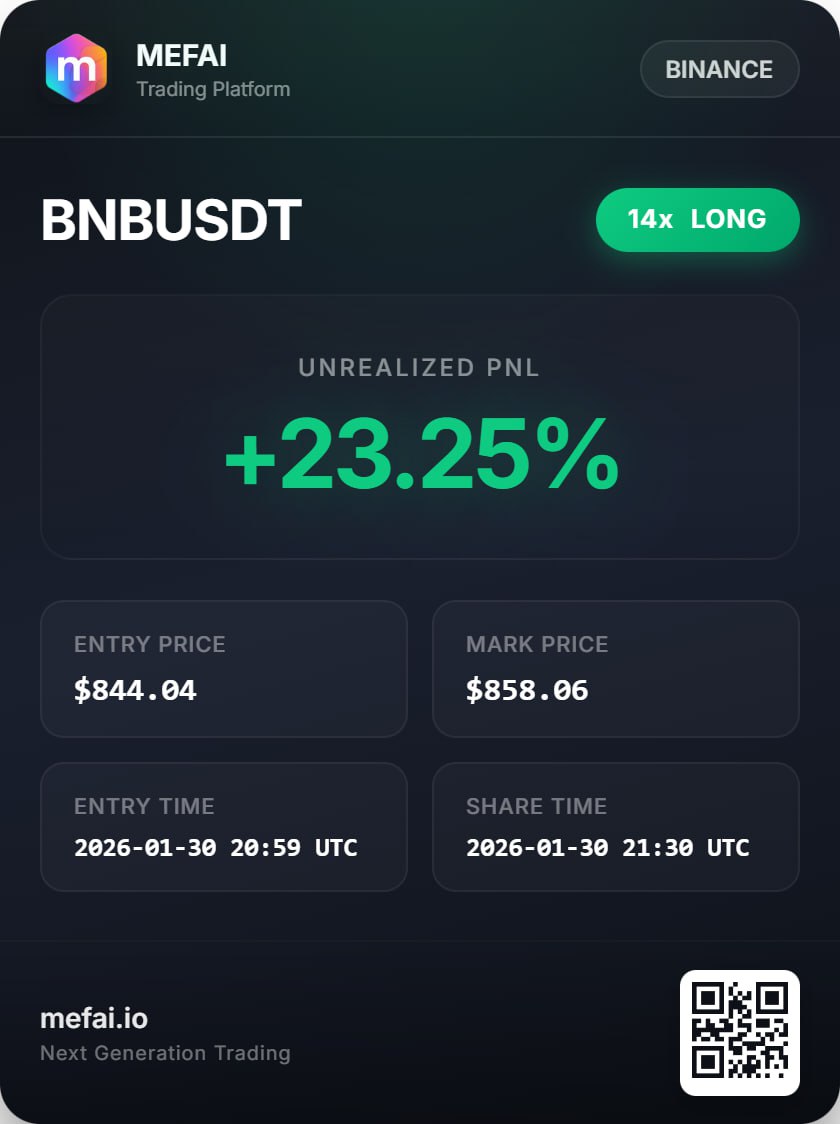
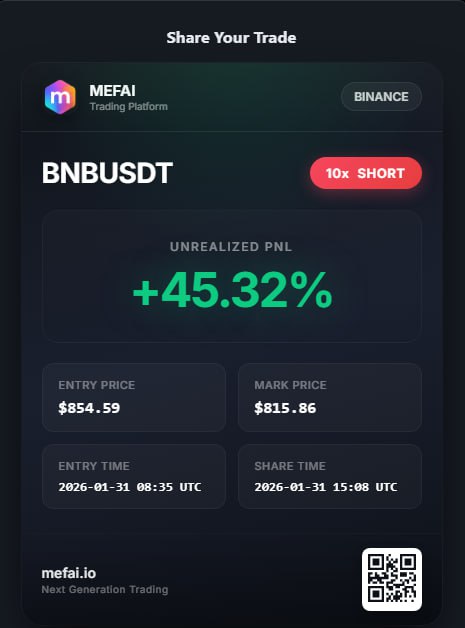
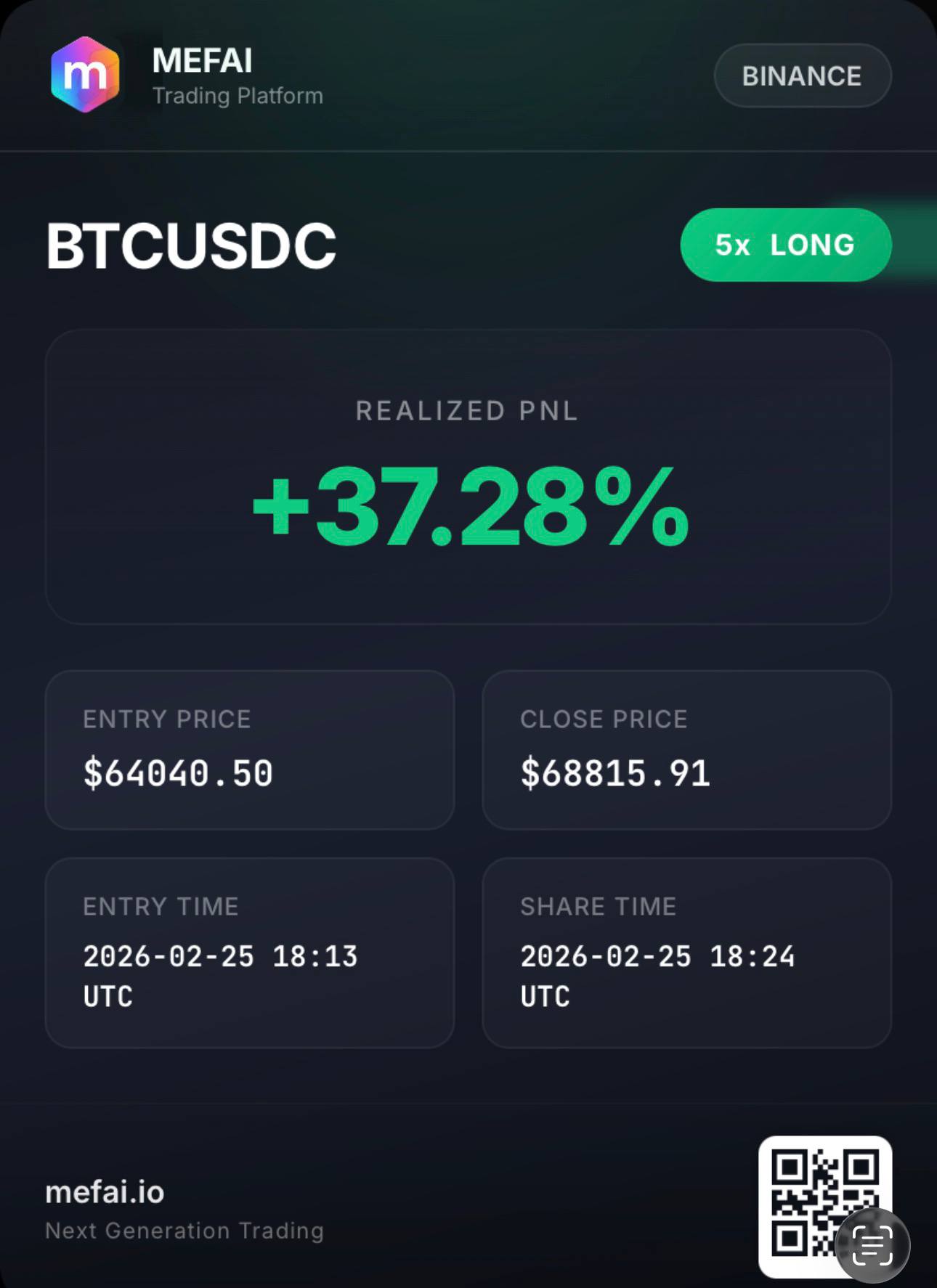
Real results from MEFAI's AI. Get $50 off the Pro plan.
Sponsored · Past performance is not indicative of future results. Not financial advice.

For end users, the most effective defensive move is to minimize exposure to unaudited or experimental protocols. Revoke unnecessary token approvals across wallets and dApps, especially those connected to lesser-known platforms. Tools like Revoke.cash or WalletConnect’s permission manager make this process straightforward. Consider moving high-value assets to hardware wallets that isolate private keys from internet-connected devices. Hardware wallets reduce the risk of signature-based exploits and phishing attacks that often accompany AI-driven reconnaissance.

Liquidity providers should also diversify across audited, time-tested protocols rather than chasing high yields in unvetted environments. When interacting with new platforms, verify that the code has been audited by at least two reputable firms and that the audit reports are publicly available and recent. Be cautious of protocols that promise “AI-powered security” as a substitute for human audits—such claims can be misleading and are not a substitute for rigorous code review. Finally, monitor on-chain activity using dashboards like DeBank or Zapper to spot unusual withdrawals or contract upgrades that you didn’t approve.
The limits of guardrails and why circumvention is likely
Anthropic’s decision to redirect cybersecurity-related queries to a more restricted model is a step toward responsible disclosure, but it is not a foolproof barrier. Determined users can bypass these safeguards through prompt engineering, jailbreaking techniques, or by using the model indirectly—for example, by asking it to generate generic code that happens to contain exploitable patterns. The company acknowledges this risk in its own statements, noting that releasing a model “this capable comes with risks.” The guardrail model, while safer, may still provide actionable insights when prompted in creative ways, especially for users with technical backgrounds.
This highlights a broader tension in AI safety: guardrails can slow down casual misuse, but they rarely stop determined actors. In crypto, where financial incentives are enormous and anonymity is often preserved, the likelihood of circumvention is high. Developers of AI models face a difficult choice: restrict capabilities too tightly and risk stifling innovation; leave loopholes and risk accelerating malicious activity. For now, the burden of defense falls on developers, auditors, and users—not on the guardrails themselves.
Longer-term implications for blockchain security and AI governance
The release of Fable 5 signals a turning point in the arms race between attackers and defenders in crypto. As AI models grow more capable, the traditional model of reactive security—waiting for a breach to occur before patching—becomes unsustainable. Instead, the industry must shift toward proactive, continuous verification. This includes real-time code analysis at deployment, automated bounty programs that reward AI-driven discovery of vulnerabilities, and shared threat intelligence feeds that alert developers to new scanning campaigns.

Regulators and standards bodies are also likely to take notice. If AI tools can find high-severity bugs in hours, then the expectation for code quality and audit frequency will rise. We may see new compliance frameworks that mandate formal verification for certain categories of smart contracts or require regular, AI-assisted audits as part of listing criteria on major exchanges. Meanwhile, AI developers will face increasing pressure to implement technical controls such as output filtering, runtime monitoring of model usage, and watermarking of generated exploit code to aid forensic analysis.
What to watch in the coming months
Several developments will shape the impact of Fable 5 and similar models. First, watch for the release of open-weight alternatives or fine-tuned versions that prioritize exploit generation over safety. These could emerge in underground forums or on open platforms, potentially lowering the barrier even further. Second, monitor major DeFi protocols for public statements about AI-driven security initiatives—some may begin using internal AI models to preemptively find and patch vulnerabilities before attackers do.
Third, track regulatory responses. If losses from AI-assisted hacks continue to climb, governments may introduce mandatory disclosure rules for AI models capable of generating exploit code, or require crypto projects to demonstrate AI-resistant security controls. Finally, keep an eye on hardware wallet manufacturers and custody providers: expect new features that integrate behavioral AI monitoring to detect unusual transaction patterns or unauthorized contract interactions in real time.
Bottom line: prepare for a new era of automated threats
The arrival of Fable 5 doesn’t mean every smart contract is doomed—but it does mean the game has changed. The cost of finding and exploiting vulnerabilities has dropped dramatically, and the tools to do so are now within reach of a much broader set of actors. For developers, the path forward is clear: adopt formal methods, automate testing, and treat every public contract as a potential target. For users, the message is equally direct: reduce exposure, revoke unnecessary permissions, and prioritize audited platforms. And for the broader ecosystem, the time to build AI-aware security practices is now—before the next wave of automated attacks begins.
More in Artificial Intelligence

AI Writing Tools for Beginners: Your Essential Guide to Getting Started
Discover how AI writing tools can supercharge your content creation. This guide explains the basics, compares top beginner-friendly options like Jasper and Copy.ai, and offers clear criteria to choose

Free vs Paid AI Writing Tools: What's Actually Worth Your Money
Deciding between free and paid AI writing tools depends on your volume, quality needs, and workflow. Free tiers handle basic tasks well, but paid plans unlock longer content, advanced features, and br

Choosing AI Writing Tools: 7 Critical Mistakes to Avoid in 2024 and Beyond
Learn the most common pitfalls when selecting AI writing software and discover a practical framework to choose the right tool for your specific needs, content goals, and workflow.