Free vs Paid AI Chatbots & LLMs: What’s Actually Worth Paying For in 2025
By Mag-Info Tech editorial · 2026-06-10

Should you pay for an AI chatbot in 2025?
AI chatbots and large language models (LLMs) have become everyday tools for writing, coding, research, and problem-solving. Most providers offer free access, but paid tiers promise faster responses, better accuracy, and fewer limits. The question isn’t whether paid plans exist—it’s whether the upgrades justify the cost for your use case.
This guide compares real, well-known tools across free and paid tiers, explains what each level delivers, and helps you decide when upgrading is worth it. We focus on widely used chatbots and LLMs that people actually rely on today, not experimental projects.
How free AI chatbots work and what they include
Free AI chatbots are built on powerful LLMs but are designed to be accessible to everyone. They typically offer basic access to a capable model, with limits on usage such as message caps, slower response times, or reduced features like no image generation or no advanced data analysis.
For casual users—students summarizing articles, professionals drafting emails, or hobbyists brainstorming ideas—the free tier is often enough. These versions are usually ad-supported or monetized through usage data, but they still deliver coherent, context-aware text generation. Most free chatbots also include standard privacy controls, such as no data retention for certain sessions, making them suitable for sensitive or personal queries.
However, free tiers often restrict concurrent usage, block access during peak times, or limit the length and complexity of prompts. They may also exclude newer models, advanced tools like plugins, or integrations with external apps. If your workflow relies on consistent, fast, and uninterrupted access, you’ll likely hit these limits quickly.
What paid plans actually add beyond free access
Paid plans typically remove usage limits, add priority access to the latest models, and unlock advanced features such as longer context windows, custom instructions, and API access for automation. They often include faster response times, higher message quotas, and support for multimodal inputs like image uploads or document analysis.
For professionals who depend on AI in their daily work—developers debugging code, marketers generating campaigns, researchers synthesizing papers—the speed and reliability of paid tiers can be transformative. Some services also offer administrative controls, team collaboration tools, and enhanced privacy settings, which are essential for business environments.
Another key advantage is access to cutting-edge models before they appear in free tiers. Paid users may get early access to improved reasoning, better handling of technical domains, or specialized versions fine-tuned for specific tasks like legal or medical text. This can be a competitive edge for users who need the best performance today, not tomorrow.
ChatGPT: Free vs Plus—who benefits from upgrading
ChatGPT remains one of the most recognizable AI chatbots, with a robust free tier powered by GPT-3.5 and occasional access to newer models like GPT-4 during peak times. The free version supports basic chat, memory for context within a session, and standard privacy practices.
ChatGPT Plus removes message caps, provides faster response times, and guarantees access to GPT-4 and its variants. It also includes features like image generation, browsing the web, and advanced data analysis—useful for professionals analyzing datasets or creating visuals. For users who rely on ChatGPT daily, Plus delivers the consistency and capability needed to integrate AI into routine workflows.
The upgrade is most valuable for power users, freelancers, and small teams who need reliability and speed. If you use ChatGPT for more than a few casual queries per day, Plus likely pays for itself in productivity gains.
Claude by Anthropic: Strong free tier with ethical focus
Claude offers a free tier powered by its latest models, with generous message limits and a strong emphasis on safety and transparency. The interface is clean, responses are concise, and the model performs well on coding, summarization, and instruction-following tasks.
The paid tier, Claude Pro, increases usage limits, provides faster access to the newest models, and supports longer conversations with expanded context windows. It’s particularly useful for developers and writers who need sustained interaction without interruptions. The ethical stance—minimizing harmful outputs and respecting user privacy—makes it a preferred choice for sensitive or professional use cases.
For individuals and small teams prioritizing reliability and responsible AI behavior, Claude’s free and paid tiers are compelling options. The upgrade is especially worthwhile for those who value consistency and alignment over raw speed.
Google Gemini: Free access with model switching and multimodal input
Gemini combines text, image, and code generation in a single interface, with a free tier that supports basic chat and multimodal prompts. Users can switch between different model sizes depending on their needs, from lightweight for quick answers to more capable versions for complex reasoning.
The paid tier, Google AI Ultra, offers higher usage caps, priority access, and advanced features like deep research integration and longer context windows. It’s designed for users who need to process large documents, generate detailed reports, or work across multiple formats seamlessly.
For researchers, content creators, and analysts, the free tier is often sufficient for exploration. But if you regularly handle long documents, multimedia inputs, or collaborative projects, the paid tier can streamline workflows and reduce friction.
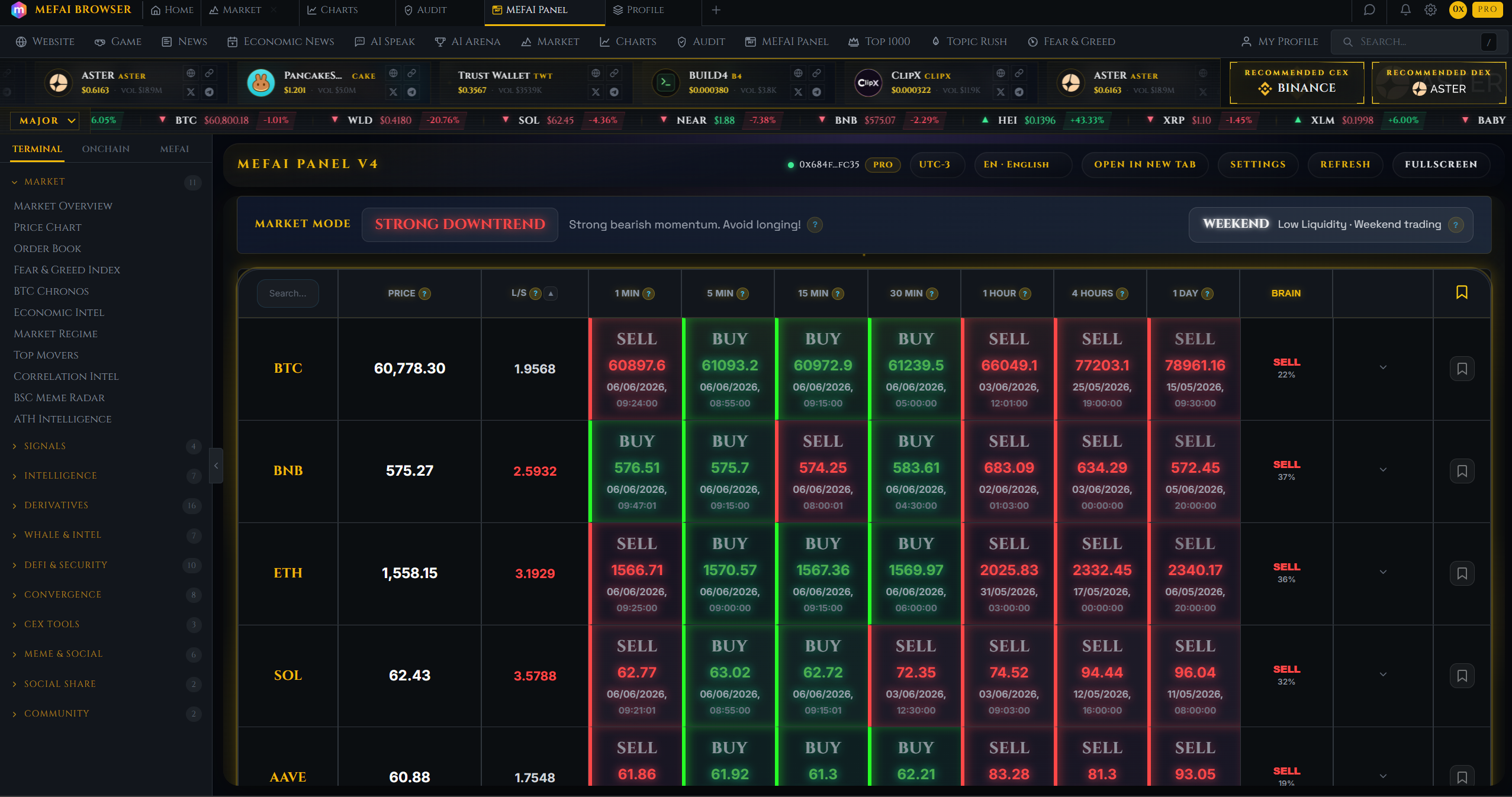
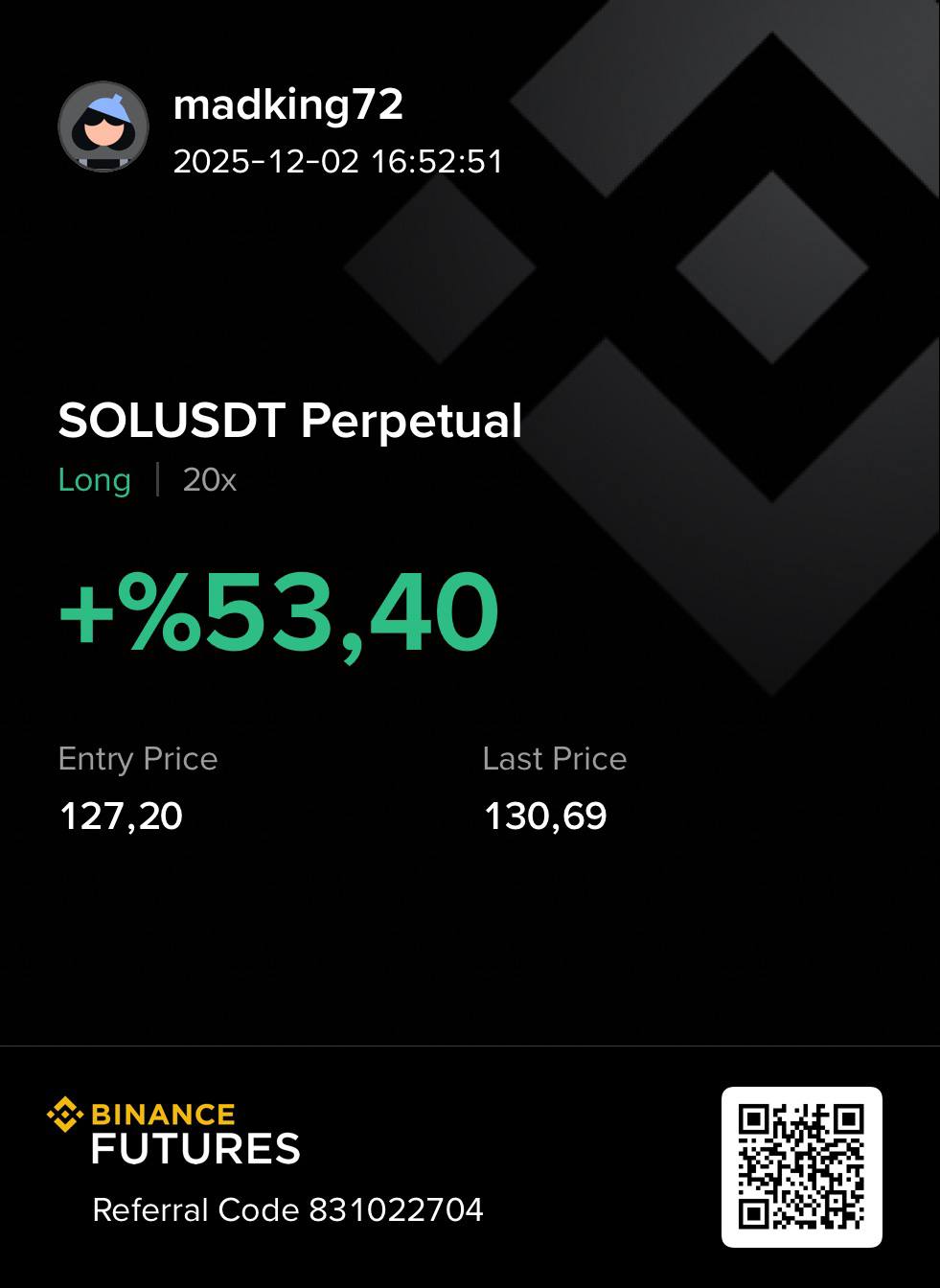
Real results from MEFAI's AI. Get $50 off the Pro plan.
Sponsored · Past performance is not indicative of future results. Not financial advice.


Perplexity AI: Free research assistant with real-time web access
Perplexity stands out by integrating real-time web search with AI responses. Its free tier provides accurate, up-to-date answers with source citations—ideal for journalists, students, and professionals who need verified information quickly.
The Pro version removes usage limits, enables advanced search modes, and supports longer, more complex queries. It’s particularly useful for competitive intelligence, market research, or any task requiring current data from the open web.
For users who prioritize accuracy and recency over raw model power, Perplexity’s free tier is highly practical. The Pro upgrade is worth it for anyone who relies on timely, reliable answers and wants to avoid the noise of outdated or unverified sources.
Mistral AI’s Le Chat: Free European alternative with strong performance
Le Chat from Mistral AI offers a capable free tier with models trained in Europe, appealing to users concerned about data residency and compliance with regulations like GDPR. The interface is intuitive, responses are coherent, and the model performs well on technical and creative tasks.
The paid tier provides higher usage limits, faster inference, and access to newer models. It’s a strong choice for businesses and individuals in Europe who want a high-performance chatbot without compromising on privacy or regulatory alignment.
For users seeking a privacy-forward, high-quality alternative to U.S.-based models, Le Chat’s free and paid tiers offer a balanced, future-proof option.
When the free tier is enough—and when it isn’t
The free tier is sufficient if you use AI chatbots occasionally—for quick questions, brainstorming, or light drafting. Students, casual writers, and non-technical professionals can accomplish most daily tasks without paying. Free versions are also ideal for testing different models before committing to a paid plan.
You’ll likely need a paid plan if your work depends on AI: developers debugging full codebases, marketers generating campaigns at scale, or researchers analyzing long documents. Paid tiers also help if you require consistent availability, advanced features, or integration with other tools. If interruptions or slow responses are costly in your workflow, upgrading is justified.

Hidden costs: data, privacy, and third-party integrations
Even free chatbots may collect usage data for training or advertising, which can be a concern for privacy-focused users. Paid plans often include stricter data controls, opt-out options, and enterprise-grade security—important for handling sensitive information.
Third-party integrations—like connecting a chatbot to your email, CRM, or development environment—are usually limited to paid tiers. These integrations can save hours per week by automating repetitive tasks, but they require careful setup and ongoing maintenance. Always review privacy policies and data handling practices before enabling integrations, especially in business environments.
How to choose: practical selection criteria
Start by defining your primary use case: writing, coding, research, or collaboration. Then compare free tiers side-by-side—test response quality, speed, and limits. If you hit message caps or slowdowns during peak hours, note the pattern and estimate how often it disrupts your work.
Next, evaluate paid tiers based on your budget and needs. Consider whether faster responses, longer context, or advanced tools like image generation will save you time or improve output quality. For teams, look for administrative features, shared workspaces, and usage analytics.
Finally, review privacy policies and data retention practices. If you handle confidential or regulated data, prioritize providers with clear commitments to data minimization and user control. This step is often overlooked but can be the most critical in the long run.
Bottom line: who should pay, and what to watch next
Pay for an AI chatbot if your daily work depends on consistent, fast, and reliable access—or if you need advanced features like long-context analysis, multimodal input, or integrations. Freelancers, small business owners, developers, and researchers often see the clearest ROI from paid tiers.
Stick with free tiers if your usage is light, sporadic, or exploratory. Students, hobbyists, and casual users can get excellent value without spending anything. Over time, monitor your usage patterns and model performance. As new models and features roll out, the gap between free and paid tiers may widen—so revisit your decision every few months.
The AI chatbot landscape is evolving rapidly. Providers are adding real-time web access, deeper integrations, and specialized models for industries like healthcare and law. Keep an eye on updates from the tools you rely on, and don’t assume your current choice will remain the best fit. The right plan today may not be the right plan in six months.
More in Artificial Intelligence
AI-Powered Crypto Exploits: What the Release of Claude Mythos Fable 5 Means for Blockchain Security
Anthropic’s new Fable 5 model lowers the barrier to finding smart-contract vulnerabilities, raising risks for DeFi and crypto users. Here’s what changed and what you can do.

AI Writing Tools for Beginners: Your Essential Guide to Getting Started
Discover how AI writing tools can supercharge your content creation. This guide explains the basics, compares top beginner-friendly options like Jasper and Copy.ai, and offers clear criteria to choose

Free vs Paid AI Writing Tools: What's Actually Worth Your Money
Deciding between free and paid AI writing tools depends on your volume, quality needs, and workflow. Free tiers handle basic tasks well, but paid plans unlock longer content, advanced features, and br