Free vs Paid AI Video Tools: What Actually Delivers Value in 2025
By Mag-Info Tech editorial · 2026-06-10
Why a buying guide for AI video tools matters now
AI video tools have moved from novelty to necessity for many creators, small businesses and marketing teams. They let users turn scripts into talking-head clips, turn text into voiceovers, and even generate synthetic presenters without a camera. Free tiers from leading platforms now include basic generation, watermarked exports and limited minutes per month, while paid plans promise higher quality, longer videos, commercial rights and advanced controls. The question is no longer “Can I make a video with AI?” but “Which tier and which tool will save me time and money without hidden limits?” This guide compares real, widely used AI video platforms by feature set, use case and cost trade-offs, without relying on version numbers or prices that change monthly.
The stakes are practical: a creator who hits a free-tier limit at the wrong moment may need to re-render or switch tools mid-project. A marketer who needs consistent brand fonts and colors across dozens of clips will quickly outgrow basic exports. Meanwhile, companies using AI avatars for training or customer support must ensure the voice and likeness are commercially safe. Below, we break down what free tiers cover, what paid plans unlock, and how to decide which upgrade path fits your workflow.
What free AI video tools can—and cannot—do today
Free AI video tiers typically include script-to-video generation with a library of stock avatars and synthetic voices, limited export resolution (often 720p), watermarked outputs, and a capped number of minutes per month. They are designed to let users test the concept before committing, so expect strict limits on commercial use, brand customization and video length. For hobbyists, students or early-stage creators testing ideas, these constraints are acceptable. You can produce short clips for social media, practice scripting, and learn whether AI video fits your workflow without spending money.
However, free tools often lack advanced editing controls, custom branding, and high-quality voices. Watermarks can disqualify videos for professional or monetized content, and export limits may force you to split long scripts into multiple renders. Free tiers rarely include API access, bulk rendering, or team collaboration, which are critical for agencies or companies producing dozens of videos per week. In short, free AI video tools are a low-risk starting point, but they are not a long-term solution for anyone serious about volume, quality or brand consistency.
When to stay on free: ideal use cases for creators on a budget
If your goal is to experiment with AI video, create short clips for social media, or test scripts before investing, free tiers are often sufficient. Many creators use free tools to draft talking-head videos, practice pacing, and refine messaging before committing to paid plans. Students and educators can also use free tiers to produce educational clips for non-commercial platforms. The key is to stay within the free limits and avoid watermarked exports if you plan to publish monetized content.
Another scenario is low-volume, non-commercial projects where brand identity is not a priority. For example, a personal blog, a portfolio showcase, or internal training for a small team can work within free constraints. Just be prepared to re-render if you exceed the monthly minute cap or need a higher resolution for a client presentation. Free tools are also useful for teams that want to evaluate multiple platforms before deciding which paid plan to adopt.

What paid AI video tools add: features worth paying for
Paid plans typically unlock higher export resolutions (1080p or 4K), longer video lengths, commercial use rights, and watermark-free outputs. They also offer advanced customization such as custom fonts, colors, logos, and branded templates that maintain visual consistency across multiple videos. For agencies and businesses, paid tiers often include API access for bulk rendering, team collaboration tools, and priority support. These features directly impact productivity and professionalism, making paid plans a practical choice for anyone producing videos at scale.
Another key upgrade is access to premium voices and avatars, including industry-specific tones and native accents. Some platforms offer studio-quality voice cloning, allowing users to replicate a specific voice for consistent branding. Paid plans also frequently include advanced editing controls, such as scene transitions, background music libraries, and the ability to fine-tune timing and emphasis. For companies using AI avatars in customer support or training, paid tiers ensure the avatar’s likeness and voice are commercially safe and customizable.
Comparing top AI video platforms: free vs paid trade-offs
Several well-known AI video platforms dominate the market, each with distinct strengths in free versus paid tiers. One platform offers a generous free tier with 10 minutes of video per month, watermarked 720p exports, and a library of 50+ avatars and voices. Its paid plans unlock 1080p exports, longer videos, and commercial rights, making it suitable for creators who need higher quality without breaking the bank. Another platform focuses on AI avatars and provides free access to basic avatars and voices, but its paid plans introduce custom avatars, higher resolutions, and advanced lip-sync controls. This is ideal for businesses that want branded synthetic presenters.
A third platform emphasizes text-to-speech and voiceover generation, with a free tier that includes 20 voice clones and basic editing tools. Its paid plans add studio-quality voices, longer voiceovers, and commercial use rights, which is useful for podcasts, audiobooks, and video voiceovers. Each platform’s free tier is strong for testing, but the paid tiers cater to different needs: higher quality, commercial rights, or advanced customization. The choice depends on whether you prioritize video editing, avatar realism, or voice quality.
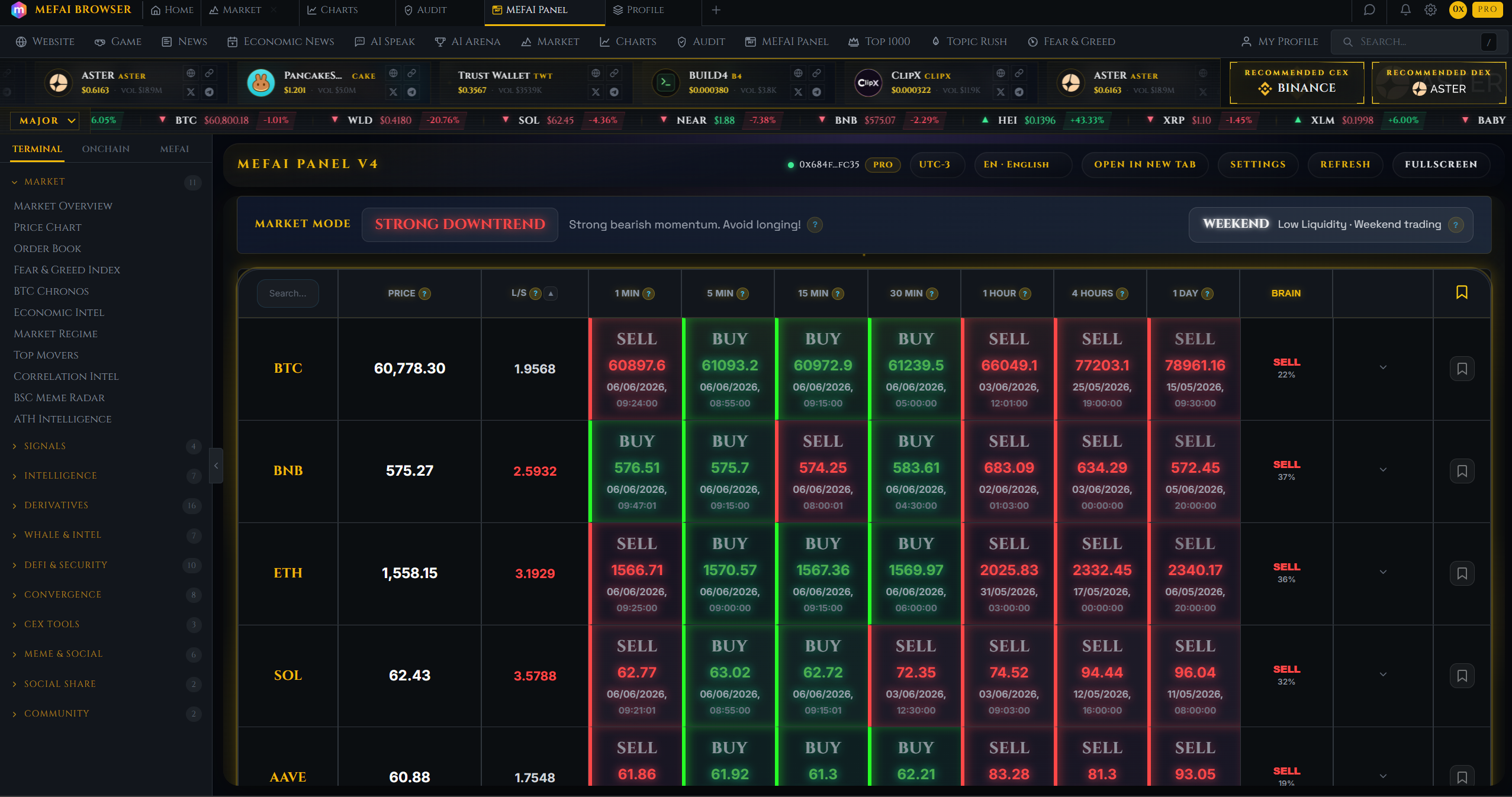

Real results from MEFAI's AI. Get $50 off the Pro plan.
Sponsored · Past performance is not indicative of future results. Not financial advice.

AI avatars: when free is enough and when to pay
Free AI avatar tools often provide a selection of pre-built digital presenters with basic lip-sync and gestures. These are sufficient for short, informal videos where the avatar’s appearance is not critical. For example, a tutorial or explainer video with a generic presenter can work well within free constraints. However, free avatars lack customization options, such as changing clothing, hairstyles, or facial features, which limits branding opportunities.
Paid avatar tiers typically offer custom avatar creation, higher realism, and advanced lip-sync controls. Some platforms allow users to upload a photo and generate a lifelike digital twin, which is useful for consistent branding in corporate videos or customer support. Others provide industry-specific avatars, such as healthcare or finance professionals, to match the tone of the content. If your project requires a branded or realistic presenter, a paid avatar plan is often worth the investment. Otherwise, free avatars can serve as a cost-effective starting point.
Commercial use and rights: why paid tiers matter for businesses
For businesses, the ability to use AI-generated videos commercially is often a deciding factor. Free tiers typically restrict commercial use or require attribution, which can disqualify videos for marketing campaigns, product demos, or customer training. Paid plans explicitly grant commercial rights, allowing companies to use the videos in ads, websites, and client presentations without watermarks or restrictions. This is especially important for agencies producing client work or companies scaling video content for multiple markets.
Another consideration is liability and rights clearance. Paid platforms often include indemnification for voice and likeness usage, reducing legal risk if a synthetic voice or avatar is challenged. Free tiers rarely provide such protections, leaving businesses exposed to potential disputes over intellectual property. If your videos will represent your brand publicly or generate revenue, upgrading to a paid plan is a practical safeguard.

Workflow and integration: what paid plans unlock beyond rendering
Paid AI video tiers often include workflow integrations that free users cannot access. For example, API access allows teams to automate video generation from scripts or databases, which is critical for high-volume production. Some platforms integrate with content management systems, customer relationship management tools, or e-learning platforms, enabling seamless video delivery. Team collaboration features, such as shared libraries, approval workflows, and version control, are also common in paid plans, making it easier to manage large projects.
Another practical benefit is priority rendering and support. Paid users often receive faster processing times during peak demand and direct access to customer support for troubleshooting. For agencies or businesses with tight deadlines, these features can prevent costly delays. Free users may face longer wait times or limited support, which can disrupt production schedules. If you rely on AI video for time-sensitive projects, a paid plan is often justified by these workflow advantages.
How to choose: a practical decision framework
Start by estimating your monthly video volume, target resolution, and need for commercial rights. If you produce fewer than 10 minutes of video per month, a free tier may suffice for testing and low-stakes content. If you need 1080p exports, longer videos, or commercial use, a paid plan is likely necessary. Next, consider your branding needs: if you require custom fonts, colors, logos, or branded avatars, paid tiers will save you time and ensure consistency. For voice quality, evaluate whether the free synthetic voices meet your standards or if you need studio-quality tones or voice cloning.
Finally, assess your workflow requirements. If you need API access, team collaboration, or bulk rendering, prioritize platforms with robust paid tiers that support these features. Compare the upgrade paths of different platforms to ensure they align with your long-term goals. For example, some platforms offer modular pricing, allowing you to add minutes or features as needed, while others require a full plan upgrade. By aligning your needs with the right tier, you can avoid overpaying or underbuying.
Bottom line: which AI video tool is right for you
For hobbyists, students, and creators testing ideas, free AI video tools are a practical starting point with minimal risk. They let you learn the platform, refine scripts, and produce short clips without spending money. However, free tiers are not suitable for professional, commercial, or high-volume work due to watermarks, resolution limits, and usage restrictions.
If you need higher quality, commercial rights, branded avatars, or advanced editing controls, a paid plan is worth the investment. Evaluate platforms based on your specific needs—whether that’s video resolution, avatar realism, voice quality, or workflow integrations—and choose a tier that scales with your goals. The right tool depends on your project’s demands, not just the price tag.
More in Artificial Intelligence

AI-Powered Crypto Exploits: What the Release of Claude Mythos Fable 5 Means for Blockchain Security
Anthropic’s new Fable 5 model lowers the barrier to finding smart-contract vulnerabilities, raising risks for DeFi and crypto users. Here’s what changed and what you can do.

AI Writing Tools for Beginners: Your Essential Guide to Getting Started
Discover how AI writing tools can supercharge your content creation. This guide explains the basics, compares top beginner-friendly options like Jasper and Copy.ai, and offers clear criteria to choose

Free vs Paid AI Writing Tools: What's Actually Worth Your Money
Deciding between free and paid AI writing tools depends on your volume, quality needs, and workflow. Free tiers handle basic tasks well, but paid plans unlock longer content, advanced features, and br