AI Image Generators: The Most Common Mistakes When Choosing a Tool and How to Avoid Them
By Mag-Info Tech editorial · 2026-06-10

Why the choice of AI image generator matters more than you think
Choosing an AI image generator is not just about trying the first tool that produces a pretty picture. The wrong pick can lock you into a workflow that is slow, expensive, or incompatible with your team’s software stack. Many users discover too late that their chosen generator cannot export in the formats their printer or design team needs, or that its licensing terms prevent commercial use of outputs. Others find that the tool’s style matches their needs only after they have already built a large project around it. These mistakes are avoidable once you know what to look for.
The stakes differ by role: a solo creator may prioritize ease of use and speed, while an agency needs consistent branding, batch generation, and clear licensing. A developer integrating images into an app must verify APIs and rate limits; a marketer running social campaigns needs tools that respect trademarks and model rights. Because the right tool depends on your actual use case, the first step is to define it precisely before evaluating any product.
Mistake 1: Picking based on viral examples rather than your actual style
Many buyers are swayed by the most visually striking images they see online—often produced by tools that excel at fantasy art or hyper-stylized photography. If your project requires clean product shots or realistic architectural renders, those same tools may struggle to deliver. Some models overfit to popular aesthetics and cannot reproduce corporate or technical imagery accurately.
Before committing, run controlled tests with your own prompts and subject matter. If you need flat-lay product photography, test how the tool handles shadows, reflections, and aspect ratios. If you need consistent character designs, test whether the tool can reproduce a specific face or costume across multiple images. The output should match your real needs, not just the marketing images.
Mistake 2: Ignoring the output formats and downstream workflows
Some generators export only as JPG at a fixed resolution, which can break a print-ready workflow or a web design system that expects PNG with transparency. Others do not support CMYK, which is essential for professional printing. Teams that rely on Adobe Creative Cloud or Figma often need SVG or PSD compatibility for easy compositing.
Check the generator’s export options before you subscribe. Can you download in multiple resolutions? Are there API endpoints for bulk downloads? Does the tool integrate with common design tools? If you plan to use images in a mobile app, verify whether the tool supports WebP or AVIF. These details determine whether you will spend extra time converting files or rebuilding assets later.
Mistake 3: Overlooking licensing and commercial use rights
Many users assume that because an image is generated by AI, they can use it however they want. That assumption can be costly. Some tools grant broad usage rights only for personal projects, while others restrict commercial use unless you pay for an enterprise plan. A few models are trained on copyrighted artwork, which can create legal exposure if you use outputs commercially without indemnification.
Always read the terms of service and model license. Look for clear statements about commercial rights, model release coverage, and indemnification. If you plan to sell merchandise, run ads, or include images in client deliverables, prioritize tools that explicitly allow commercial use and provide documentation you can share with clients or printers.

Mistake 4: Underestimating costs beyond the headline price
The sticker price is rarely the full cost. Many generators charge by credits or tokens, which can balloon when you need high-resolution images, fast generation, or multiple variations. Others hide fees for commercial licenses, extended storage, or API usage. A tool that seems cheap per image can become expensive once you factor in the need to regenerate dozens of failed attempts or store large batches.
Calculate your expected volume and resolution needs. If you plan to generate hundreds of images per month, compare the cost per high-resolution image across tools. Factor in the cost of failed generations—some models require multiple attempts to get a usable result. Ask whether unused credits expire and whether you can roll them over. Transparency in pricing tiers is a strong signal of a mature product.
Mistake 5: Choosing a tool with no style controls for your brand
Generic prompts often produce generic images. If your brand relies on a specific color palette, typography feel, or visual tone, you need a tool that lets you steer the output toward your guidelines. Some generators allow fine-tuning or style references; others let you upload a reference image to guide composition and lighting. Without these controls, you will spend more time editing in Photoshop than generating.
Before you commit, test how well the tool accepts style prompts or reference images. Can you lock a color scheme or constrain the lighting? If your brand uses muted tones and sharp contrast, verify that the tool can reproduce that mood consistently. If you cannot control style at generation time, your workflow will shift from “generate” to “generate and heavily edit,” which defeats the purpose of using AI.
Mistake 6: Overlooking performance and uptime for production use
A tool that works fine for a few casual images may collapse under sustained load. Some generators throttle requests during peak hours or slow down when many users are active. Others have no SLA for uptime, which can disrupt a marketing campaign or product launch. If you depend on images for a website or app, unreliable generation can block releases or force last-minute pivots.
If you plan to use the tool in production, check its status page, API rate limits, and uptime history. Look for tools that offer dedicated queues or priority access for paying customers. Consider whether you need a self-hosted option for full control over performance and data. Reliability is not optional when images are part of your customer-facing product.


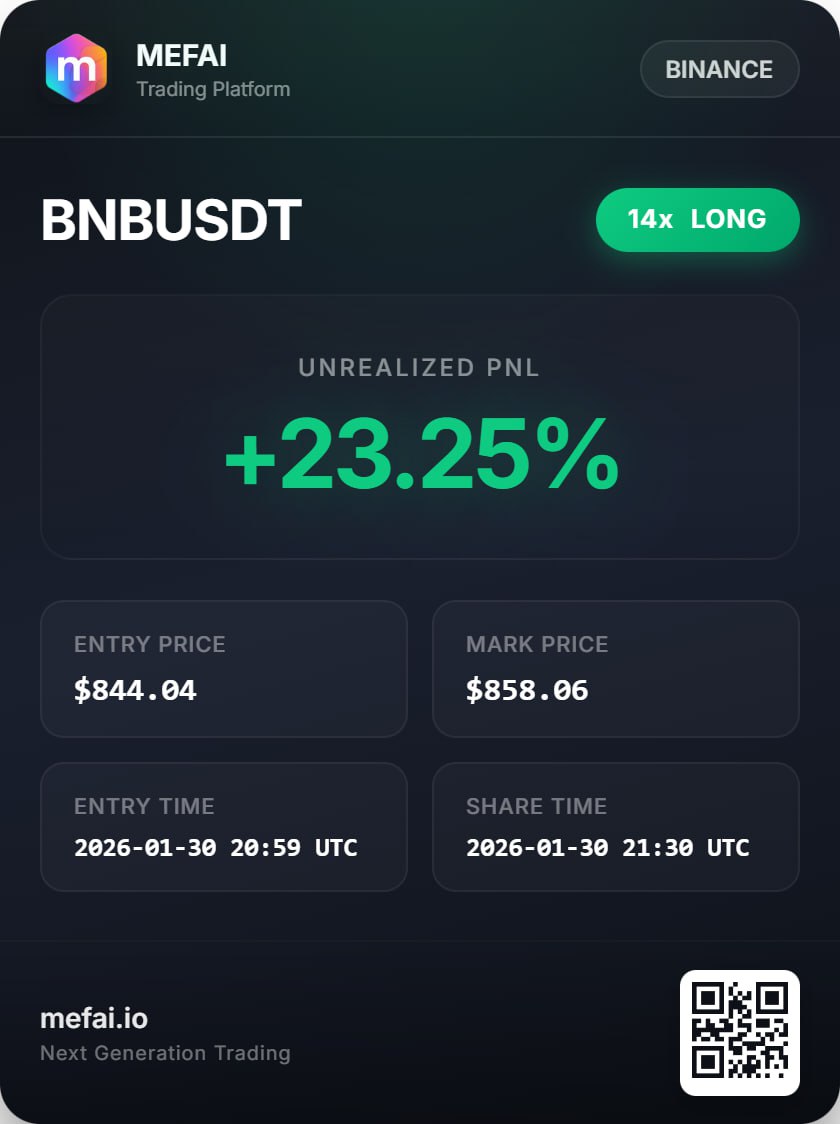
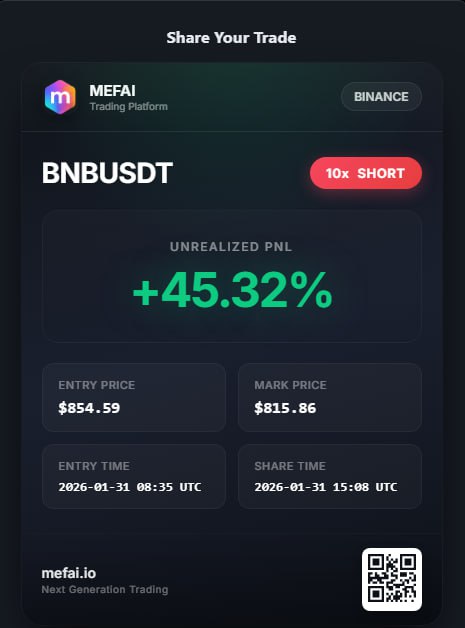
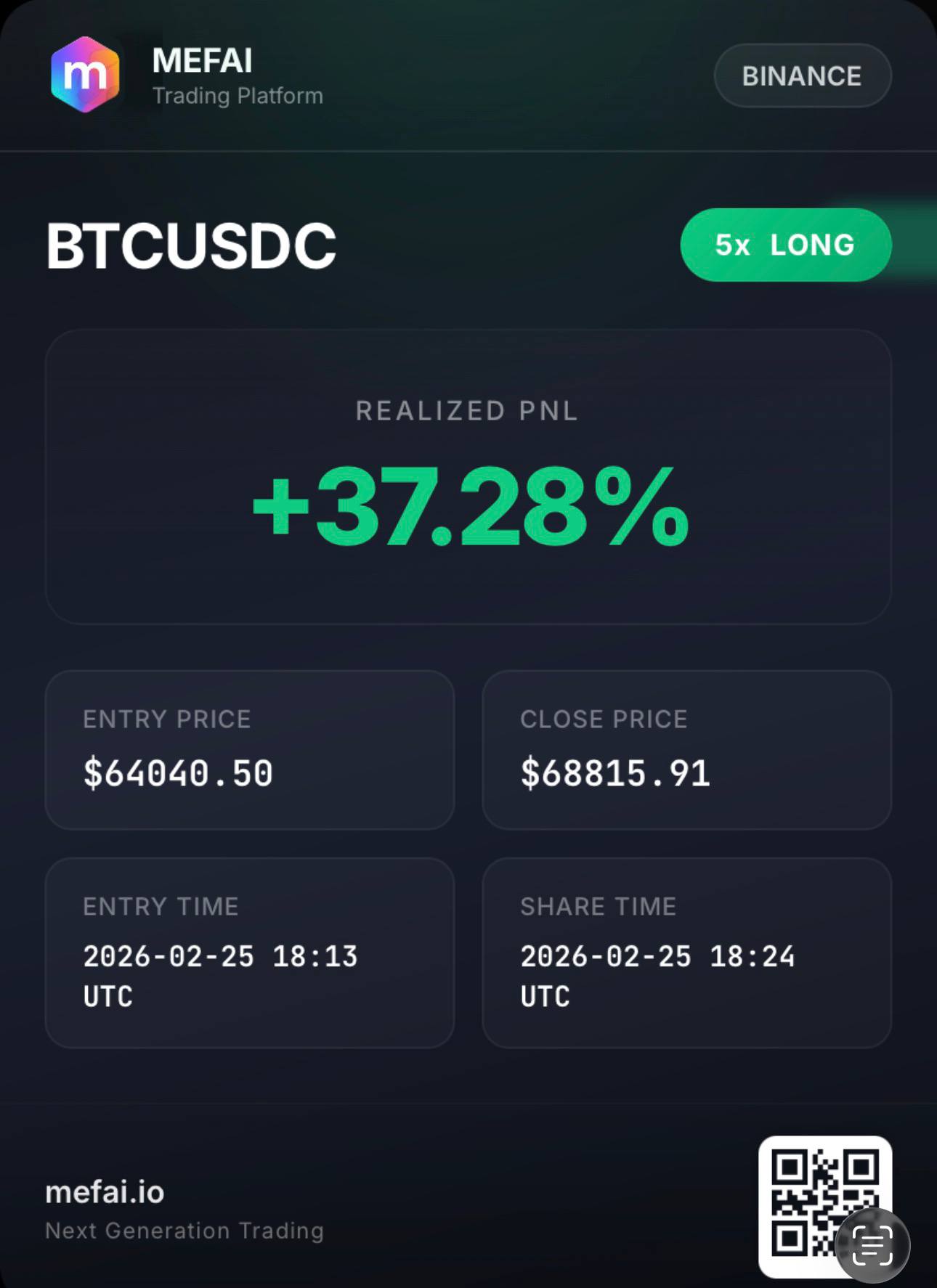
Real results from MEFAI's AI. Get $50 off the Pro plan.
Sponsored · Past performance is not indicative of future results. Not financial advice.


Mistake 7: Not testing the prompt engineering effort required
Some tools promise one-click results but require elaborate prompt engineering to get usable images. Others provide sliders or presets that reduce the need for tweaking. If your team lacks prompt expertise, a tool with a steep learning curve can waste hours before producing anything acceptable.
Run a small pilot with your actual team members. Measure how long it takes to generate a usable image set, including prompt refinement and iteration. Ask whether the tool provides prompt libraries, templates, or community examples tailored to your domain. The less prompt engineering required, the faster your team can move from idea to asset.
Mistake 8: Choosing a closed ecosystem that locks you in
Some generators store your images only in their proprietary gallery, with no export path except downloads. Others use custom file formats or embed metadata that is hard to parse. If you later want to switch tools, migration can mean re-generating every image or losing access to previous versions. Closed ecosystems also limit your ability to automate workflows with external scripts or services.
Before you commit, verify that you can export images in standard formats and that the tool provides an API or SDK for integration. Check whether you retain rights to your prompts and outputs. A tool that offers clear export and API access gives you flexibility to change tools or scale workflows without vendor lock-in.
Mistake 9: Neglecting privacy and data handling for sensitive projects
Some generators send prompts and images to cloud servers for processing, which may not meet the privacy requirements of healthcare, finance, or government projects. Others store your data indefinitely or share it with third parties. If your prompts contain confidential product names or internal concepts, you need a tool that offers on-premises or private-cloud options.
Ask about data residency, encryption, and retention policies. If you handle regulated data, look for tools with SOC 2 or ISO 27001 certifications. Some vendors offer enterprise plans with private deployments, which can be essential for compliance. Privacy is not an afterthought—it is a prerequisite for certain use cases.

Mistake 10: Assuming all models are equal for your domain
Not every model excels at every subject. Some are optimized for portraits, others for landscapes or technical diagrams. A tool that produces beautiful faces may struggle with accurate text rendering or UI mockups. If your domain is specialized—medical illustrations, architectural visualization, or e-commerce product shots—you need a model that has been fine-tuned or validated for that domain.
Before you choose, test the tool on your specific subject matter. If you need accurate anatomy, test with medical prompts. If you need clean UI mockups, test with interface design prompts. Domain fit reduces the need for post-processing and increases the quality of your final assets.
How to choose the right AI image generator: a practical checklist
Start by listing your core use cases: solo creator, team workflow, commercial product, or app integration. Next, define your must-haves: output formats, licensing, privacy, and performance. Then, run a small pilot with two or three tools that meet your criteria. Compare the results not just on quality, but on speed, cost, and ease of integration.
If you are a solo creator focused on social media, prioritize tools with strong prompt libraries and easy sharing. If you are a team building a brand library, look for style controls, batch generation, and clear commercial licenses. If you are a developer integrating images into an app, verify API stability, rate limits, and export options. The tool that wins your pilot should align with your workflow, not just your aesthetic preferences.
What to watch next: trends that will change the market
Expect more models to offer fine-tuning and style references, making it easier to lock brand consistency without heavy editing. Licensing clarity will improve as vendors standardize terms for commercial use and indemnification. Privacy-focused options will grow as regulations tighten, giving teams safe ways to use sensitive data. Integration with design tools will deepen, reducing friction between generation and compositing.
Watch for announcements about native CMYK support, improved text rendering, and better handling of complex scenes. These improvements will reduce the need for post-processing and expand the range of professional use cases. As the market matures, the biggest differentiator will be not just image quality, but the entire workflow around it—licensing, integration, and reliability.
Final verdict: avoid the pitfalls, pick with purpose
The most common mistakes—prioritizing viral examples, ignoring formats and licensing, underestimating costs, and overlooking workflow fit—are all avoidable with a disciplined selection process. The right AI image generator should feel like an extension of your workflow, not a black box that forces you to adapt to its limitations. By defining your needs, testing rigorously, and verifying licensing and integration, you can choose a tool that scales with your projects and protects your rights. Start small, validate at each step, and let your real use cases—not marketing claims—drive the decision.
More in Artificial Intelligence

AI-Powered Crypto Exploits: What the Release of Claude Mythos Fable 5 Means for Blockchain Security
Anthropic’s new Fable 5 model lowers the barrier to finding smart-contract vulnerabilities, raising risks for DeFi and crypto users. Here’s what changed and what you can do.
AI Writing Tools for Beginners: Your Essential Guide to Getting Started
Discover how AI writing tools can supercharge your content creation. This guide explains the basics, compares top beginner-friendly options like Jasper and Copy.ai, and offers clear criteria to choose
Free vs Paid AI Writing Tools: What's Actually Worth Your Money
Deciding between free and paid AI writing tools depends on your volume, quality needs, and workflow. Free tiers handle basic tasks well, but paid plans unlock longer content, advanced features, and br