
Free vs Paid AI Coding Assistants: What’s Actually Worth Paying For?
By Mag-Info Tech editorial · 2026-06-10

Why AI coding assistants are becoming essential for developers
AI coding assistants have moved from novelty to necessity for most developers. They don’t replace engineers, but they do automate repetitive tasks, surface edge cases, and help teams move faster—especially in complex codebases. Free versions of tools like GitHub Copilot, Amazon CodeWhisperer, and Cursor can handle many daily tasks, from writing boilerplate code to explaining legacy functions. But as projects scale, teams expand, or security and compliance needs grow, free tiers often hit limits. The question isn’t whether to use an AI assistant, but when—and which plan—actually delivers enough return to justify the cost.
The core value of these tools lies in their ability to act as a pair programmer: suggesting completions, generating tests, refactoring, and even helping debug across multiple files. But not all free tiers are equal. Some cap usage, others limit advanced features, and a few restrict support or integrations. Paid tiers typically unlock higher usage, better context awareness, organizational controls, and stronger privacy guarantees. The challenge is knowing which upgrade is worth it for your workflow.
What free AI coding assistants can do today
Most leading AI coding assistants offer robust free tiers that cover the basics for individual developers. GitHub Copilot’s free plan, for example, provides inline code suggestions and chat within supported IDEs, helping with syntax, logic, and even API usage. Amazon CodeWhisperer’s free version integrates with popular IDEs and supports multiple programming languages, offering real-time suggestions and security scans on public code repositories. Cursor’s free tier includes basic completions and chat, making it suitable for solo developers or small projects.
These free tools excel at accelerating routine tasks: writing unit tests, generating documentation, translating between languages, or explaining unfamiliar code. They’re particularly useful for junior developers or those learning a new stack, as they provide instant feedback and examples. For small teams or side projects, free tiers can reduce context switching and help maintain momentum without upfront costs.
However, free tiers come with constraints. Usage limits often cap the number of suggestions or chat interactions per month. Some tools restrict access to newer models or advanced features like multi-file reasoning, custom instructions, or enterprise-grade security scans. Others limit support or exclude certain integrations, which can matter when collaborating across teams or using specialized tooling.
Where free tiers start to fall short
For teams working on proprietary or sensitive code, free tiers may not meet security or compliance requirements. Many free plans do not include data privacy controls sufficient for regulated industries, leaving code exposed to third-party model training or data retention policies that conflict with internal policies. Additionally, free tiers rarely offer administrative dashboards for managing access, usage reports, or audit logs—features essential for team leads or security teams.
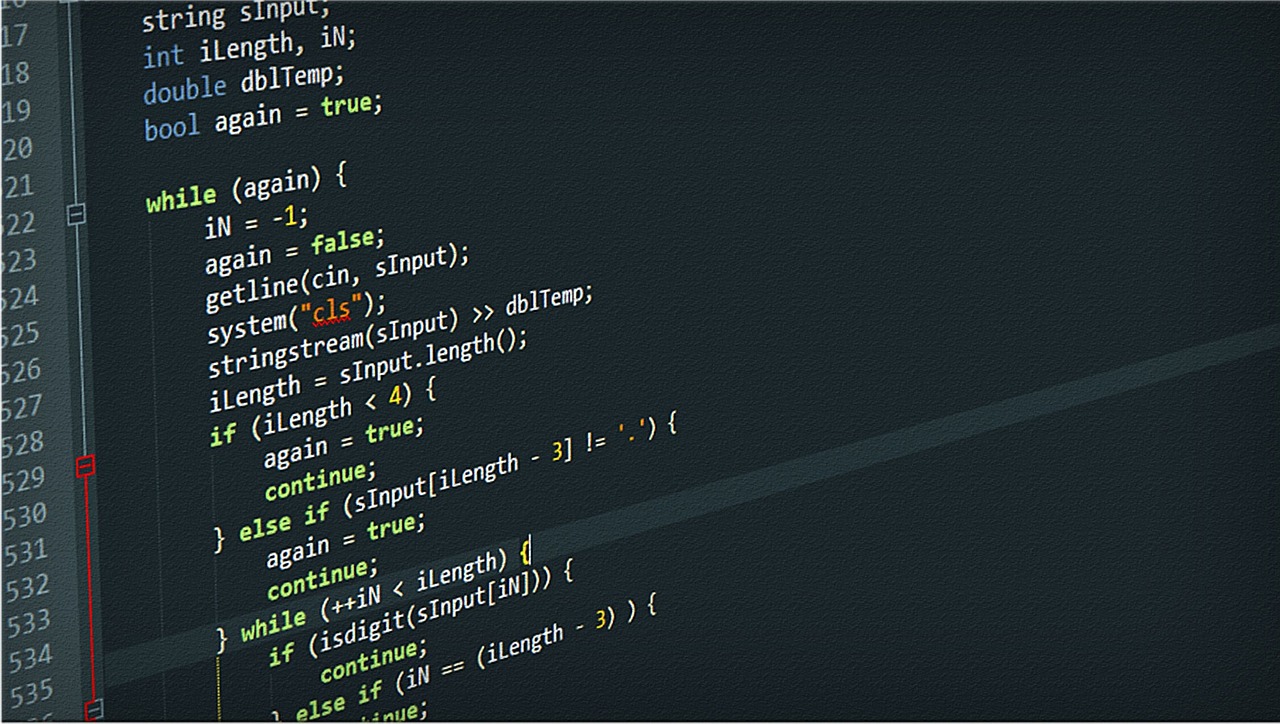
Another common pain point is context. Free versions often provide suggestions based only on the current file or a limited buffer, making them less effective in large or interconnected codebases. They may not understand project-specific patterns, architecture decisions, or internal libraries without explicit prompting. This leads to generic suggestions that require heavy manual review.
Performance and reliability can also degrade under load. Free tiers may throttle requests during peak usage, introducing latency that disrupts flow. For teams working across time zones or with global dependencies, inconsistent performance becomes a productivity bottleneck.
What paid plans typically unlock
Paid AI coding assistants usually expand context windows, increase usage limits, and add organizational controls. GitHub Copilot Pro, for instance, increases suggestion throughput and adds priority support and access to newer models. Business and Enterprise plans include centralized billing, usage analytics, and policies for code privacy—allowing organizations to block external model training or enforce data retention rules.
Amazon CodeWhisperer’s paid tiers add support for private code repositories, enabling secure, in-VPC suggestions without sending data to external servers. This is critical for organizations handling financial, healthcare, or government data. Cursor’s Pro plan unlocks deeper context understanding, allowing the assistant to reason across multiple files and maintain project state over longer sessions.
Security and governance features are a major differentiator. Enterprise plans often include SAML/SSO integration, audit logs, and compliance certifications. Some tools offer dedicated support channels, SLAs, and custom model fine-tuning—useful for companies with unique stacks or internal knowledge bases.
Comparing leading AI coding assistants: free vs paid
GitHub Copilot remains the market leader, with a free tier that covers basic completions and chat. Its paid plans target individuals and teams with higher usage, better privacy controls, and enterprise features like policy enforcement and IP indemnification. For solo developers or open-source contributors, the free tier may suffice. But for companies building proprietary software, the Pro or Enterprise tiers are often justified by reduced risk and improved collaboration.
Amazon CodeWhisperer offers a strong free tier focused on security and compliance. Its paid plans are particularly attractive to organizations already using AWS, as they integrate with private repositories and support in-VPC inference. This reduces exposure to external data handling while maintaining high suggestion quality. Teams in regulated sectors should evaluate CodeWhisperer’s privacy posture closely—its enterprise features are designed for data-sensitive environments.
Cursor has gained popularity for its IDE-native design and deep context integration. Its free tier is generous, but the Pro plan unlocks advanced reasoning and project-level understanding. This makes Cursor ideal for developers working in large, monorepo-style codebases where context matters. The paid tier is especially valuable for teams that rely on consistent, high-quality suggestions across complex systems.
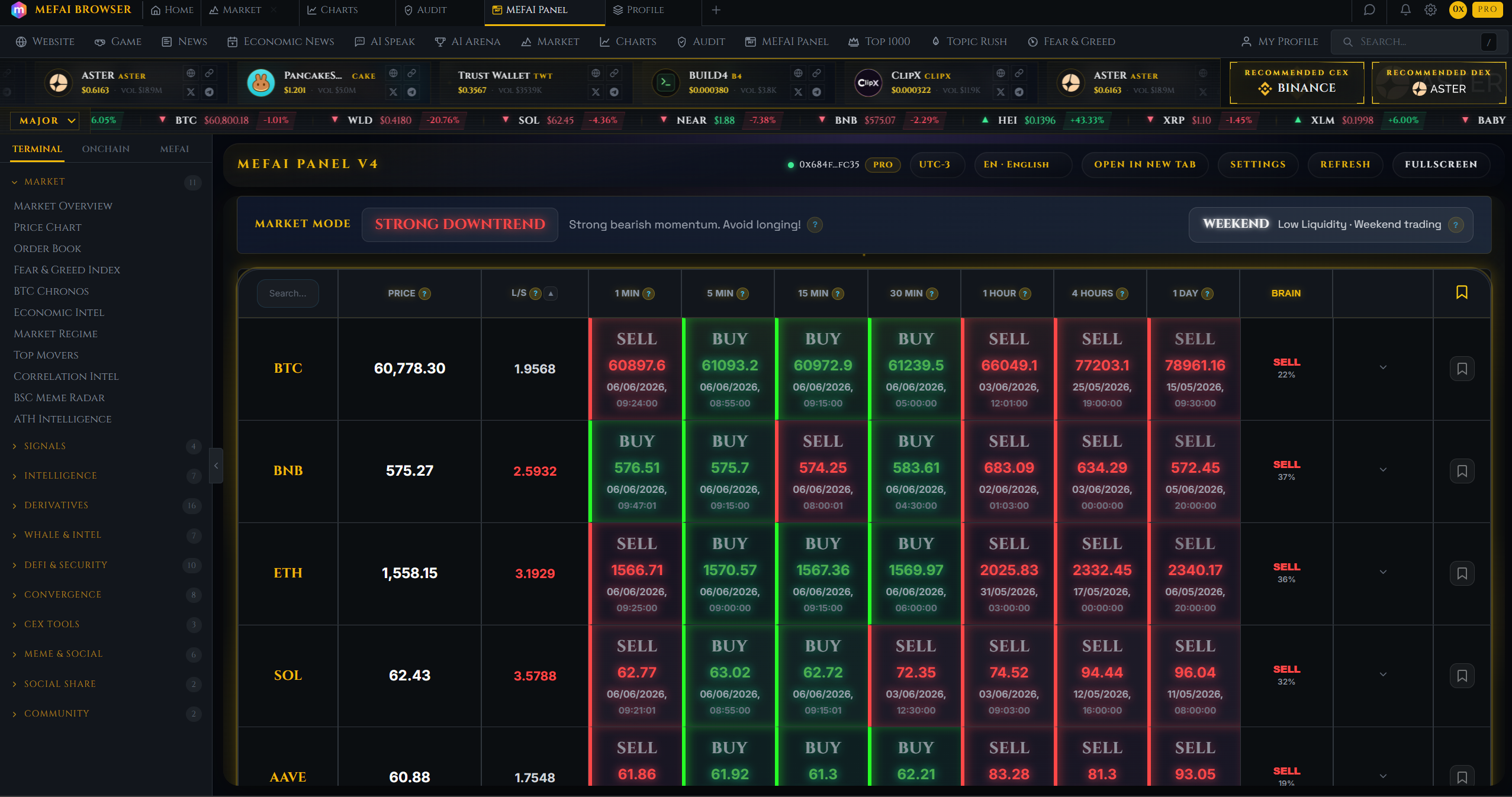
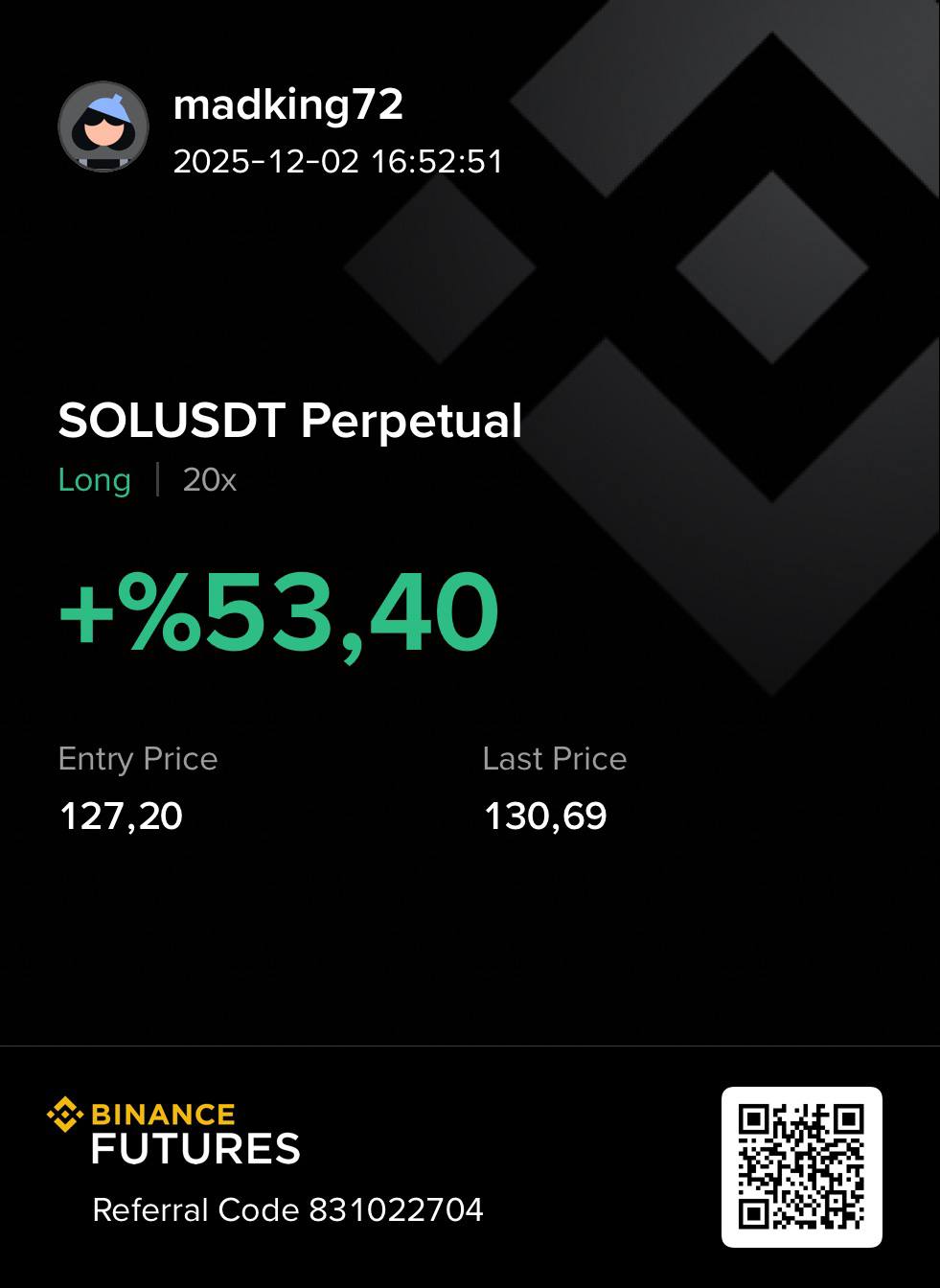
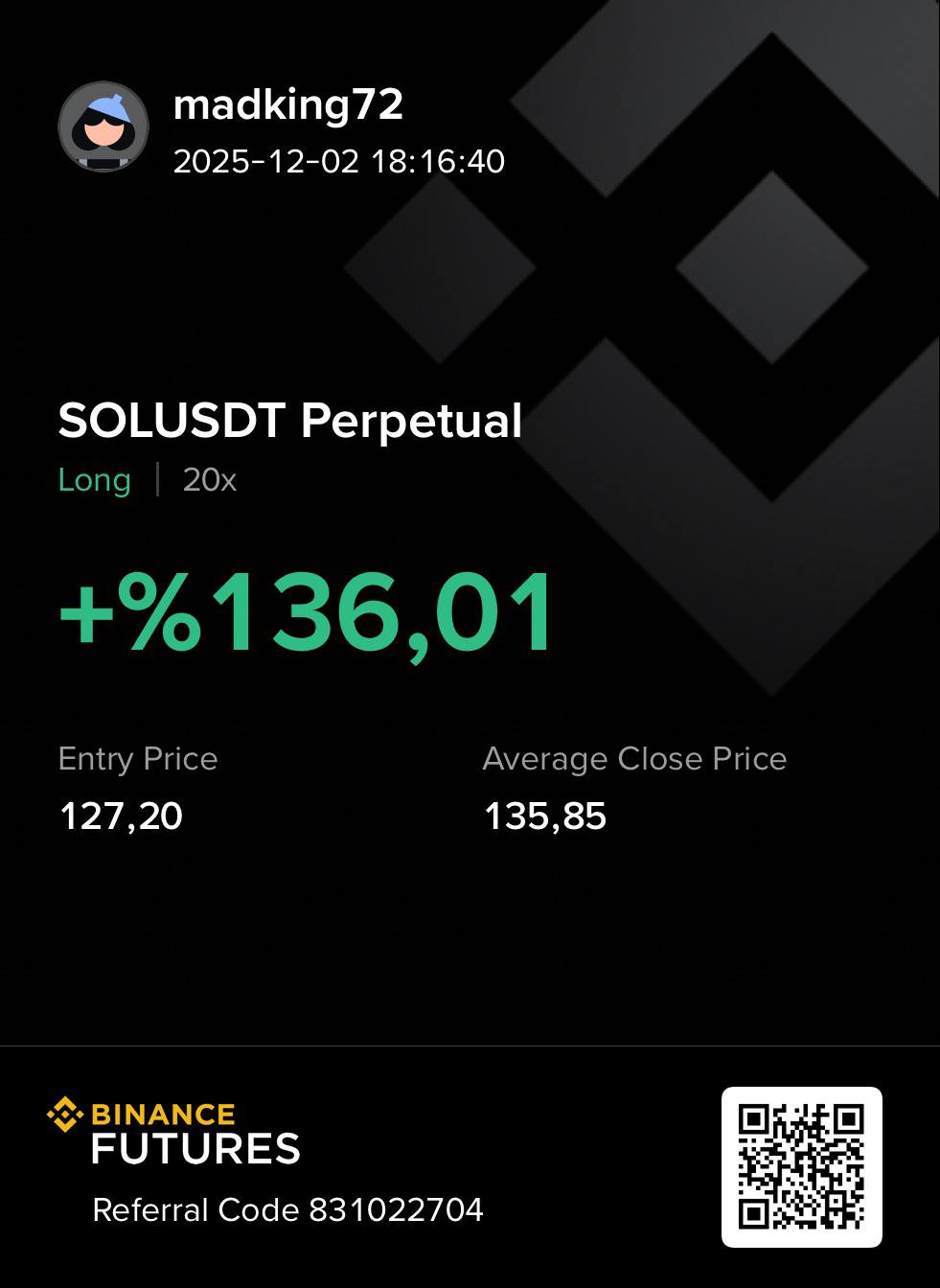
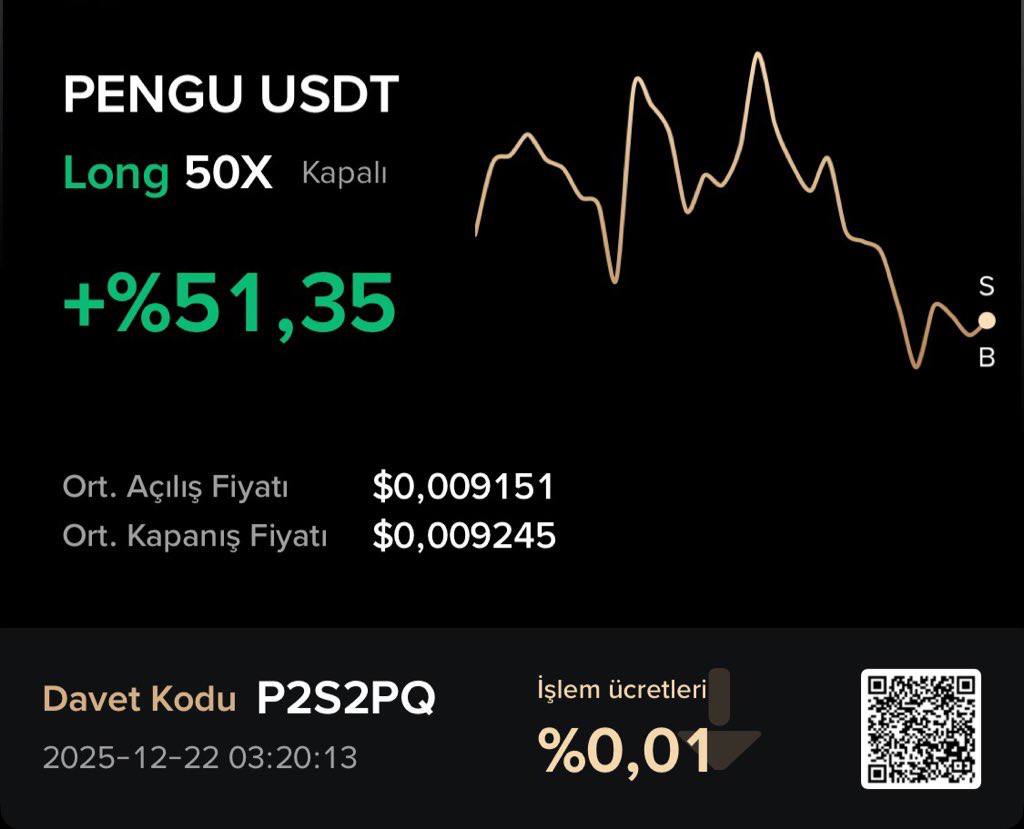

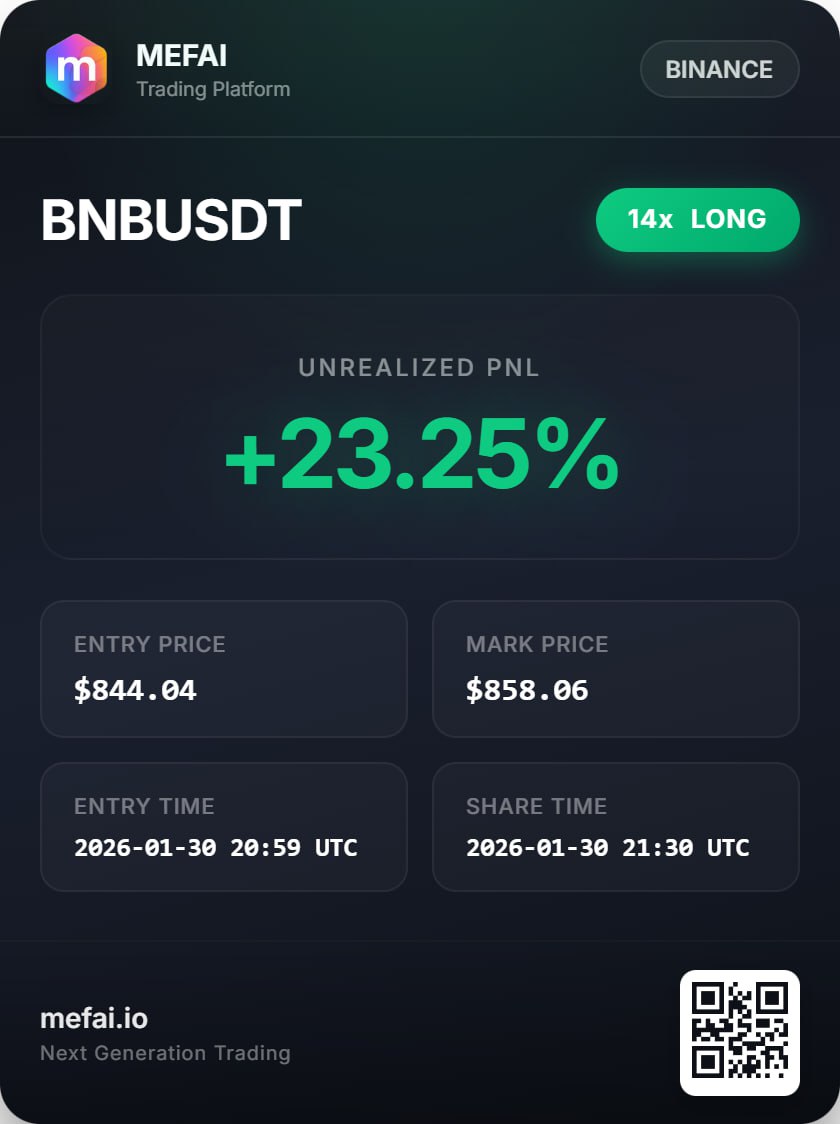
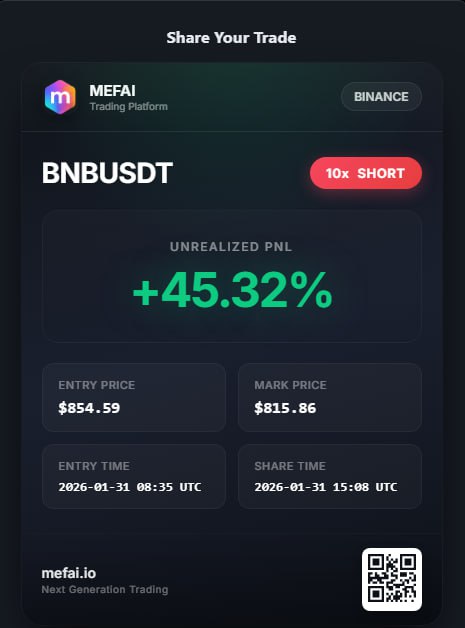
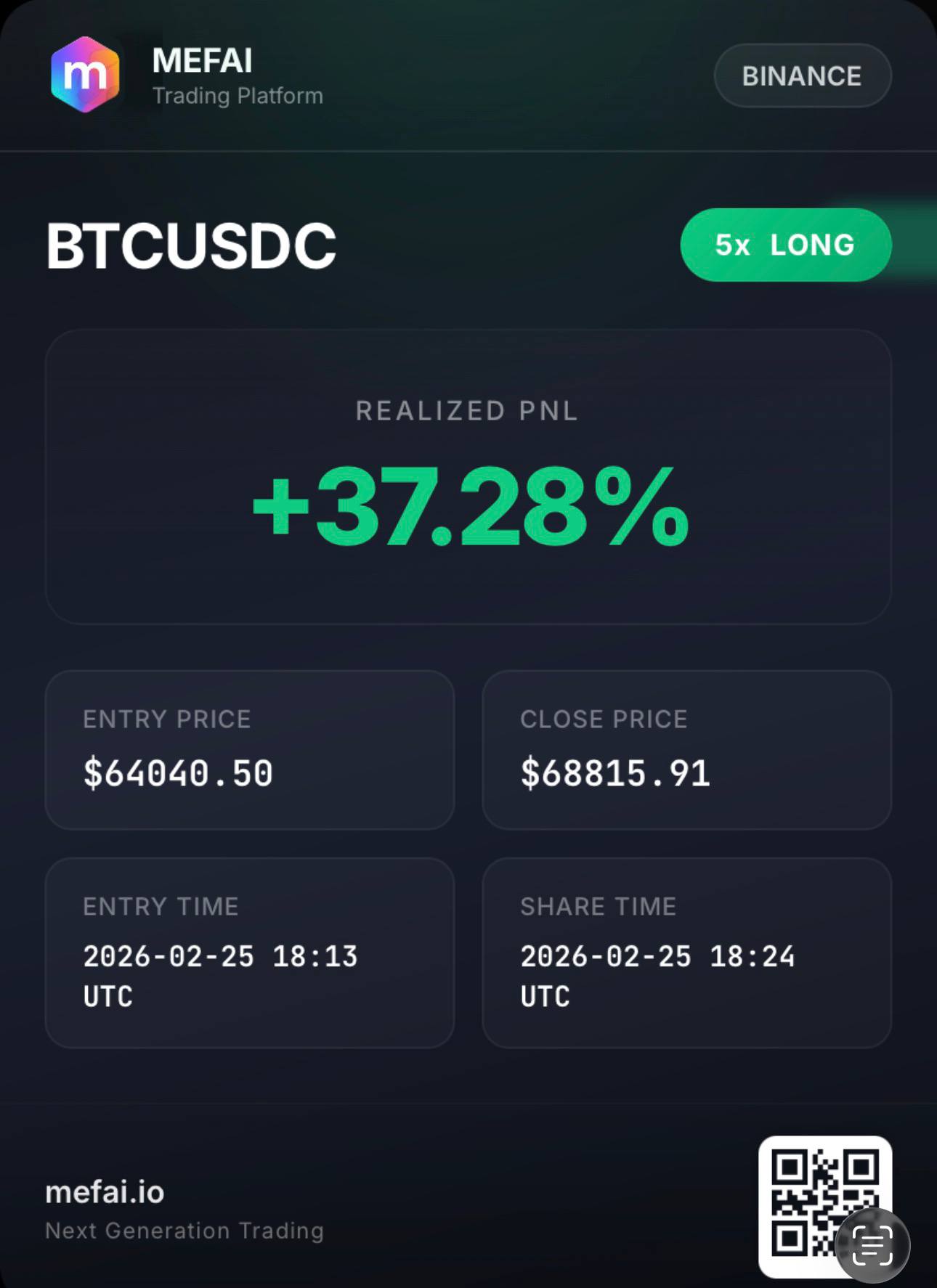
Real results from MEFAI's AI. Get $50 off the Pro plan.
Sponsored · Past performance is not indicative of future results. Not financial advice.


Other tools like Tabnine and Replit Ghostwriter also offer free tiers with varying degrees of functionality. Tabnine emphasizes privacy and on-prem deployment options in its paid plans, appealing to enterprises wary of cloud-based models. Replit Ghostwriter’s free tier is tightly integrated with the Replit cloud IDE, making it convenient for browser-based development but less flexible for local setups.
When upgrading to paid is worth it
Upgrading is justified when free tiers start to constrain productivity or introduce risk. For teams working on proprietary code, the privacy and compliance features in paid plans are often non-negotiable. If your organization requires data residency, audit trails, or SSO integration, free tiers simply won’t meet the standard.
Another trigger is scale. If your team is growing or your codebase is expanding, free usage caps can become a bottleneck. Paid plans typically offer higher suggestion quotas, faster response times, and better model access—all of which reduce friction during code reviews, onboarding, and refactoring.
Teams building mission-critical systems—like financial platforms, healthcare applications, or infrastructure tools—should prioritize paid plans with strong SLAs and support. The cost of downtime or errors far outweighs the subscription fee, making reliability and responsiveness key selection criteria.
Hidden costs: what to watch beyond the price tag
Even if a paid plan fits your budget, integration and training costs can add up. Some tools require custom configuration for private repositories or on-prem deployment, which may need dedicated DevOps or security teams. Others impose learning curves, especially when adopting new IDE plugins or workflows.
Data egress and storage can also become a factor. Tools that cache or store prompts and responses may increase cloud costs or require additional compliance reviews. It’s important to review data handling policies and estimate long-term storage needs before committing to a plan.
Finally, consider vendor lock-in. Some tools integrate tightly with specific ecosystems (e.g., GitHub, AWS, or VS Code). While this improves performance, it can make migration difficult if your needs change. Evaluate portability and export options before standardizing on a single provider.

How to choose the right plan for your needs
Start by auditing your workflow. If you’re a solo developer or working on small projects, a free tier may cover 80% of your needs. Focus on tools with strong language support, low latency, and minimal setup overhead. Test them in your primary IDE and measure how much time they save on routine tasks.
For teams, prioritize privacy, compliance, and scalability. Compare data handling policies, audit capabilities, and admin controls across providers. Run a pilot with a subset of developers to evaluate real-world performance before rolling out organization-wide.
If your stack is complex or proprietary, look for tools that support private repositories or on-prem deployment. Ensure the assistant can understand your internal libraries, APIs, and architectural patterns. The best tool is one that feels like it was trained on your codebase—not just public repositories.
Evaluate support and reliability. Paid plans often include faster response times, dedicated engineers, and uptime guarantees. For teams shipping daily, these matter more than marginal cost differences.
The bottom line: when to pay, and when to stay free
Free AI coding assistants are more capable than ever, and for many developers, they’re all that’s needed. If you’re writing scripts, prototyping, or learning, start with the free tier of GitHub Copilot, CodeWhisperer, or Cursor. Measure how much time they save and how often their suggestions are accurate. If the value is clear and usage is growing, consider upgrading.
Pay when privacy, scale, or reliability becomes a concern. If your code is proprietary, your team is growing, or your systems are mission-critical, the controls and guarantees of a paid plan are worth the investment. The right tool should reduce cognitive load, not add compliance headaches.
Ultimately, the best AI coding assistant is the one that fits your workflow without friction. Test free tiers thoroughly, pilot paid plans with a small group, and scale only when the value is proven. The goal isn’t to chase every feature—it’s to write better code, faster, with confidence.
More in Artificial Intelligence

AI-Powered Crypto Exploits: What the Release of Claude Mythos Fable 5 Means for Blockchain Security
Anthropic’s new Fable 5 model lowers the barrier to finding smart-contract vulnerabilities, raising risks for DeFi and crypto users. Here’s what changed and what you can do.

AI Writing Tools for Beginners: Your Essential Guide to Getting Started
Discover how AI writing tools can supercharge your content creation. This guide explains the basics, compares top beginner-friendly options like Jasper and Copy.ai, and offers clear criteria to choose

Free vs Paid AI Writing Tools: What's Actually Worth Your Money
Deciding between free and paid AI writing tools depends on your volume, quality needs, and workflow. Free tiers handle basic tasks well, but paid plans unlock longer content, advanced features, and br