AI Agents in 2026: What’s Changing, Who Needs Them, and How to Choose the Right Platform
By Mag-Info Tech editorial · 2026-06-10

Why AI Agents Matter More in 2026
Autonomous AI agents are no longer experimental demos—they’re becoming core infrastructure for businesses and developers. In 2026, the focus has shifted from “can it run?” to “how reliably can it operate in production?” The meaningful change isn’t just smarter models, but how platforms integrate planning, memory, tool use, and safety into end-to-end workflows. For organizations, this means agents can now handle multi-step tasks across apps, APIs, and even legacy systems without constant human handoffs. For developers, it means building agents is faster, but choosing the right platform is more critical than ever because the wrong choice can lock you into brittle automation or unexpected costs.
The market is also consolidating around a few architectural patterns: orchestration-first platforms, code-first agent frameworks, and domain-specific agent suites. Each serves different teams—engineering, operations, or business users—with trade-offs in control, scalability, and ease of use. Understanding these patterns is the first step to making a durable decision that won’t need to be revisited in six months.
What’s New in AI Agents in 2026
Agents in 2026 are defined by three durable shifts: persistent memory, built-in tool orchestration, and governance layers. Persistent memory means agents retain context across sessions, so they don’t restart from scratch each time. This is essential for tasks like customer support or internal process automation where continuity matters. Built-in tool orchestration allows agents to call APIs, query databases, and trigger workflows without requiring custom glue code. Governance layers—like usage limits, approval gates, and audit trails—are now standard, reflecting the need for compliance in regulated industries.
Another notable change is the rise of “hybrid agents” that combine rule-based logic with LLM reasoning. These agents can fall back to deterministic paths when needed, reducing hallucinations and improving reliability. They’re especially useful in finance, healthcare, and logistics where mistakes carry high costs. Finally, multi-agent systems are becoming mainstream: teams of specialized agents collaborate on complex goals, like drafting a contract, reviewing code, and scheduling deployment in parallel. This shift mirrors how software teams operate, and it’s making AI agents viable for enterprise-scale automation.
Platform 1: LangGraph for Developers Who Need Control
LangGraph is a framework for building stateful, multi-agent systems using a graph-based workflow. It’s aimed at engineers who want fine-grained control over agent logic, tool integration, and failure handling. With LangGraph, you define agents as nodes in a graph and connect them with edges that represent decisions or data flow. This model makes it easier to debug complex agent behavior and scale from prototypes to production. It also supports persistent memory through external stores like Redis or PostgreSQL, so agents can retain context across restarts.
Who it’s best for: Teams building custom automation, research prototypes, or domain-specific agents where flexibility outweighs ease of use. It’s not ideal for non-technical users, but for developers, it strikes the right balance between power and maintainability. The trade-off is steeper learning curve and more boilerplate code compared to no-code platforms. If your workflows are highly variable or require custom integrations, LangGraph’s graph model is a durable choice.
Practical takeaway: Start with small agent graphs to validate logic before scaling. Use external memory stores early to avoid refactoring later. Consider pairing LangGraph with a monitoring layer to track agent decisions and costs.

Platform 2: Microsoft Copilot Studio for Business Teams
Copilot Studio is Microsoft’s low-code platform for building and deploying AI agents within Microsoft 365 and Dynamics ecosystems. It’s designed for business analysts, IT admins, and citizen developers who need to automate workflows without writing code. The platform includes prebuilt connectors to SharePoint, Outlook, Teams, and Power Platform, so agents can interact with familiar tools. It also supports custom connectors for internal APIs and databases, making it flexible enough for most line-of-business automation.
Who it’s best for: Organizations already using Microsoft tools who want to extend automation without adding new infrastructure. It’s ideal for HR, finance, and operations teams that need agents to handle approvals, data entry, and notifications. The trade-off is limited customization and vendor lock-in to the Microsoft ecosystem. If you rely heavily on Excel, Teams, or Power BI, Copilot Studio integrates seamlessly. For teams outside Microsoft’s orbit, it may feel restrictive.
Practical takeaway: Map your existing workflows to Copilot Studio’s connectors before building agents. Use its built-in governance features to set approvals and audit trails. Pilot with a single team first to validate ROI before scaling.
Platform 3: CrewAI for Multi-Agent Collaboration
CrewAI is a Python framework focused on multi-agent systems where specialized agents work together to achieve goals. Each agent has a defined role, goal, and tools, and the framework manages task delegation, conflict resolution, and progress tracking. It’s built for developers who want to orchestrate teams of agents without managing low-level coordination. CrewAI emphasizes role specialization, so agents can act as researchers, writers, reviewers, or planners depending on the task. This model mirrors real-world teams and reduces the need for monolithic agents.
Who it’s best for: Teams building complex, multi-step workflows like content creation, software development, or project planning. It’s particularly useful when tasks require different skills or knowledge domains. The trade-off is higher resource usage and complexity compared to single-agent systems. If your use case is simple automation, CrewAI may be overkill. But for collaborative problem-solving, it delivers significant value.
Practical takeaway: Start by defining clear roles and goals for each agent. Use CrewAI’s built-in tools for delegation and progress tracking. Monitor agent interactions closely in early stages to catch misalignment or inefficiencies.
Platform 4: AutoGen for Conversational and API-Based Agents
AutoGen is an open-source framework from Microsoft Research for building conversational agents and API-driven workflows. It supports both single-agent and multi-agent systems, with a focus on natural language interfaces and tool use. AutoGen agents can call functions, APIs, and even other agents, making it versatile for customer support, data analysis, and internal tools. It’s designed to be modular, so you can swap models, tools, or orchestration logic as needed. The framework also includes safety features like input validation and rate limiting.
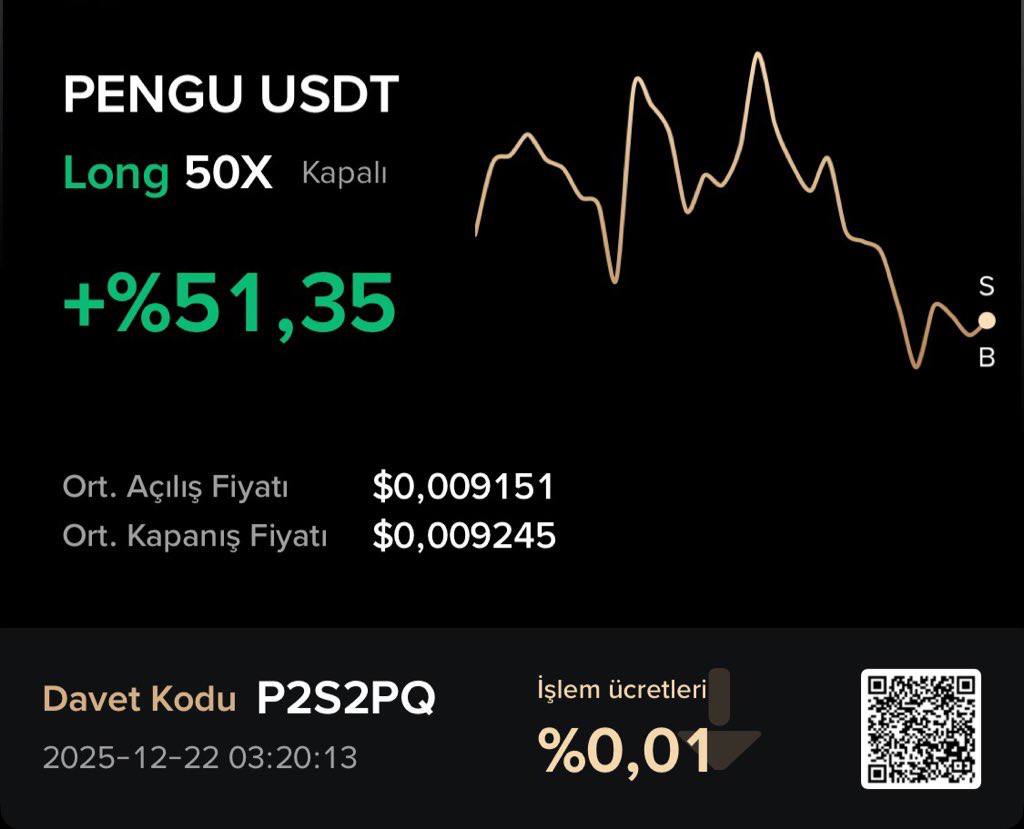

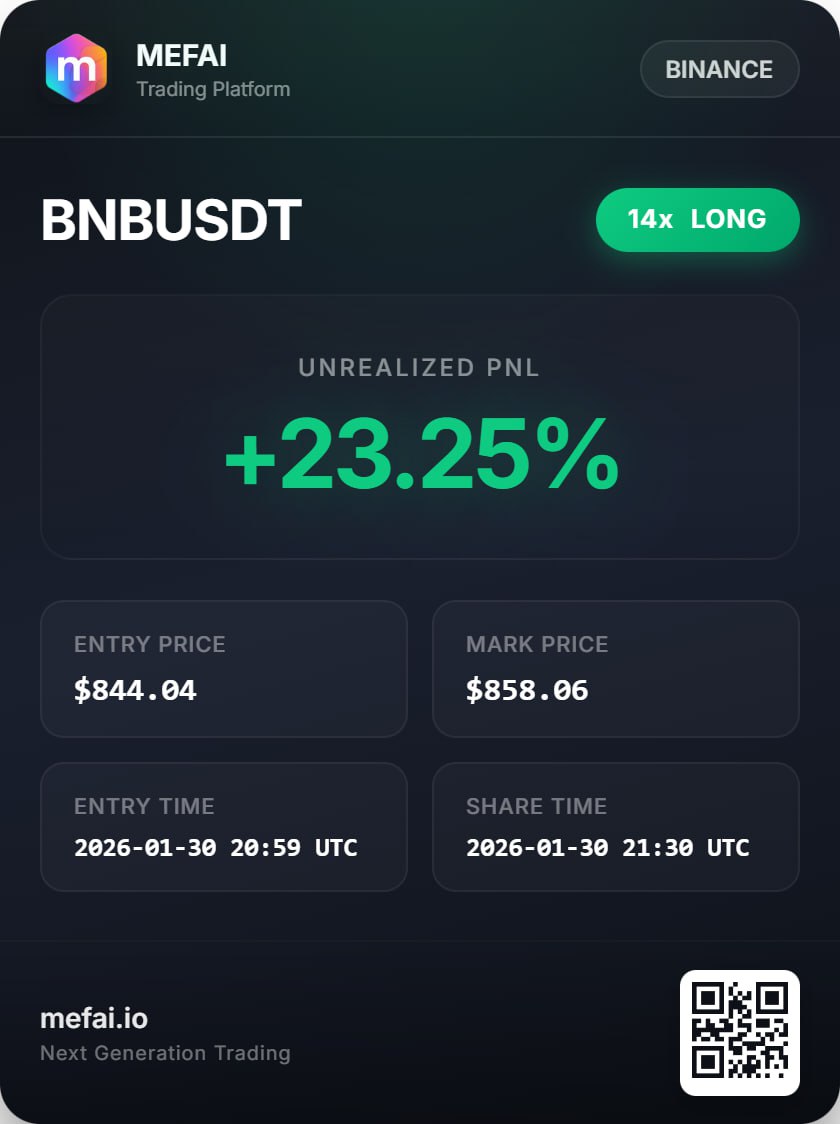
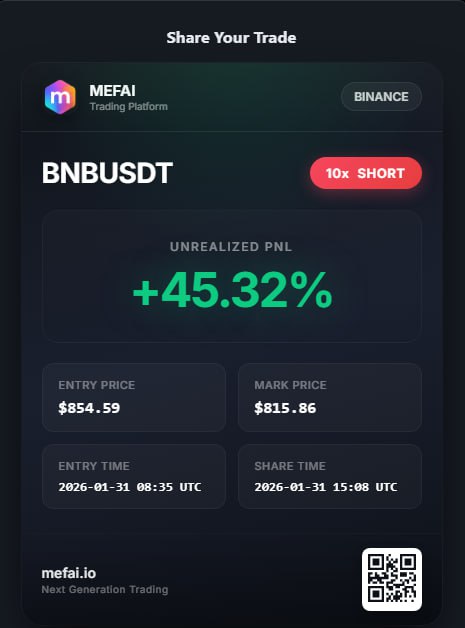
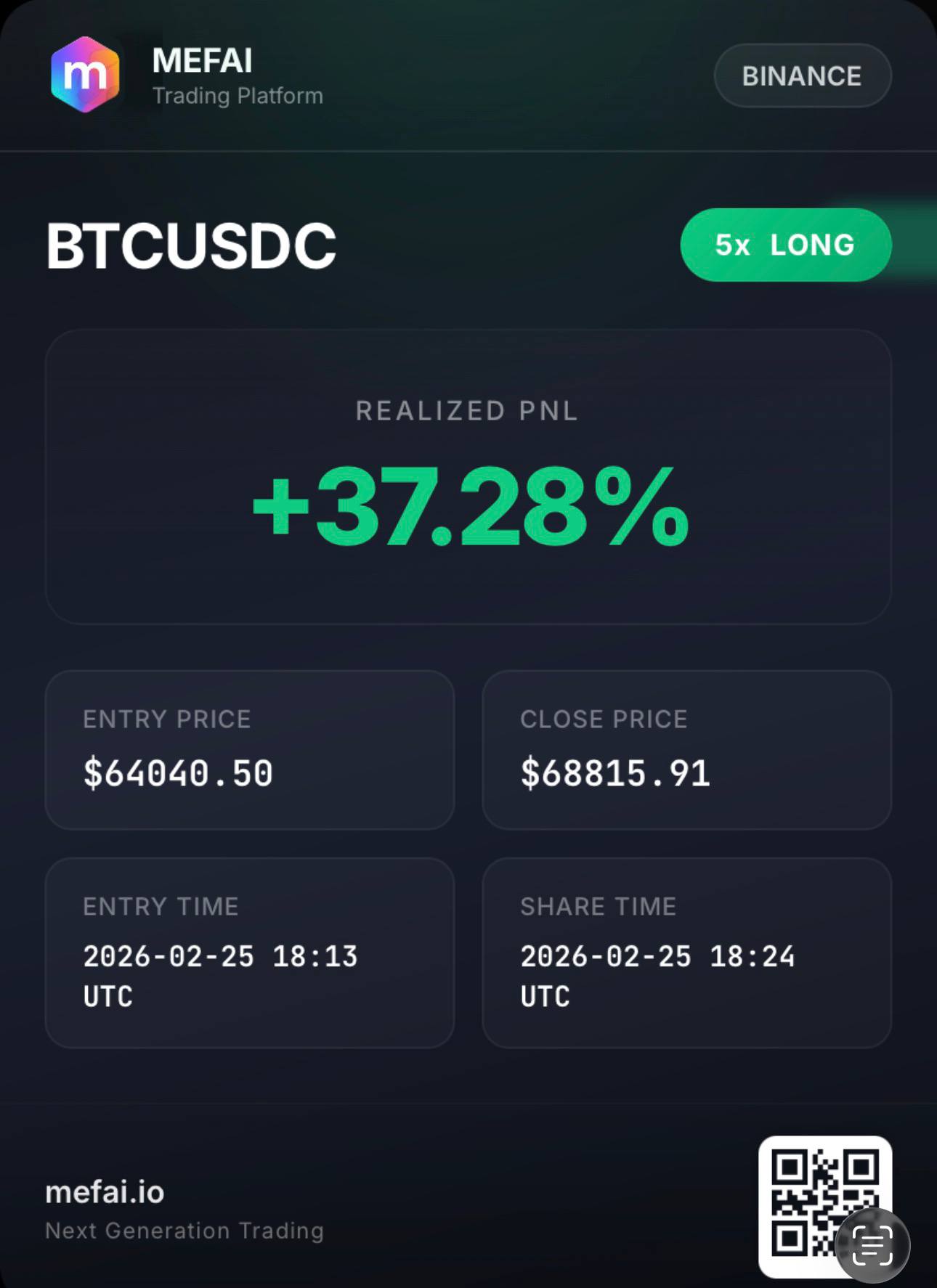
Real results from MEFAI's AI. Get $50 off the Pro plan.
Sponsored · Past performance is not indicative of future results. Not financial advice.
Who it’s best for: Teams building user-facing agents or systems that need to integrate with external APIs and services. It’s a good fit for developers who want a balance between flexibility and structure. The trade-off is that it requires more setup than no-code platforms. If your primary interface is chat or voice, AutoGen’s conversational focus is a strength. For purely backend automation, other frameworks may be simpler.

Practical takeaway: Use AutoGen’s model-switching capabilities to test different LLMs for the same task. Implement robust input validation and monitoring to catch errors early. Consider pairing it with a frontend layer for user interactions.
Platform 5: SuperAGI for End-to-End Agent Operations
SuperAGI is a platform for building, testing, and deploying autonomous agents with a focus on reliability and observability. It includes features like persistent memory, tool orchestration, and real-time monitoring, which are essential for production use. The platform supports both code-based and no-code agent creation, making it accessible to a range of users. It also includes a marketplace for prebuilt agents and tools, so teams can accelerate development. SuperAGI emphasizes agent autonomy, allowing agents to retry failed tasks or escalate issues without human intervention.
Who it’s best for: Teams that need production-grade agents with minimal setup. It’s suitable for operations, DevOps, and IT teams that want to automate incident response, log analysis, or infrastructure tasks. The trade-off is vendor-specific tooling and potential lock-in. If you need deep customization or integration with niche systems, you may outgrow SuperAGI quickly. But for standard automation use cases, it’s a strong choice.
Practical takeaway: Start with SuperAGI’s prebuilt agents to validate use cases before building custom ones. Use its monitoring dashboard to track agent performance and costs. Plan for data export and integration with your existing observability stack.
Key Selection Criteria: How to Choose the Right Platform
The first criterion is your primary use case. If you need multi-agent collaboration, CrewAI or LangGraph are top choices. For business workflows in Microsoft ecosystems, Copilot Studio is ideal. If you’re building conversational agents or API integrations, AutoGen is a strong fit. For production-grade autonomy with minimal setup, SuperAGI is worth evaluating. Avoid choosing based on hype or feature lists alone—map your actual workflows to the platform’s strengths.
The second criterion is team expertise. No-code platforms like Copilot Studio are best for non-technical users, while frameworks like LangGraph and CrewAI require Python and orchestration skills. AutoGen and SuperAGI sit in the middle, requiring some technical setup but offering more flexibility than no-code tools. If your team lacks development resources, prioritize platforms with strong documentation and community support. If you have engineering bandwidth, code-first frameworks give you long-term control.

The third criterion is ecosystem integration. Copilot Studio shines in Microsoft environments, while LangGraph and CrewAI integrate with any system via APIs. AutoGen and SuperAGI offer connectors to common services but may require custom work for niche tools. Consider your existing stack and future needs—vendor lock-in can be costly if your requirements evolve. Also, evaluate governance features: audit trails, approvals, and usage limits are non-negotiable in regulated industries.
Finally, consider cost and scalability. No-code platforms often have per-seat or usage-based pricing, which can become expensive at scale. Code-first frameworks are more cost-effective for large deployments but require upfront investment in development. Multi-agent systems like CrewAI consume more resources than single agents, so plan your infrastructure accordingly. Start small, measure ROI, and scale only after validating the agent’s performance and reliability.
What to Watch Next in AI Agents
The next wave of innovation will focus on three areas: memory efficiency, real-time collaboration, and safety at scale. Memory efficiency is critical for agents that operate continuously—expect advances in vector databases, context caching, and adaptive memory compression. Real-time collaboration will enable agents to work alongside humans in dynamic environments, like surgery or emergency response, where timing and coordination matter. Safety at scale will drive the adoption of formal verification, sandboxing, and fail-safe mechanisms to prevent cascading errors.
Another trend to watch is the rise of “agent-native” applications—software built from the ground up to be operated by agents. These apps will expose APIs, schemas, and hooks designed for agent interaction, reducing the need for brittle scraping or reverse-engineered integrations. Platforms that support agent-native development will have a competitive edge. Finally, expect consolidation in the market as enterprises standardize on a few core platforms. This will reduce fragmentation but may increase vendor lock-in risks.
Bottom Line: Which AI Agent Platform Should You Choose?
If you’re a developer building custom multi-agent systems, start with LangGraph or CrewAI. They offer the control and flexibility needed for complex workflows. If you’re a business team embedded in Microsoft 365, Copilot Studio is the most practical choice. For conversational agents or API integrations, AutoGen strikes the best balance between structure and flexibility. If you need production-grade agents with minimal setup, SuperAGI is a strong contender.
Regardless of platform, begin with a narrow use case and validate performance before scaling. Measure reliability, cost, and user satisfaction—these metrics matter more than raw feature counts. The AI agent landscape is evolving fast, but the platforms that prioritize governance, integration, and real-world reliability will define the next era of automation. Choose wisely, and plan for iteration as your needs and the technology mature.
More in Artificial Intelligence

AI-Powered Crypto Exploits: What the Release of Claude Mythos Fable 5 Means for Blockchain Security
Anthropic’s new Fable 5 model lowers the barrier to finding smart-contract vulnerabilities, raising risks for DeFi and crypto users. Here’s what changed and what you can do.

AI Writing Tools for Beginners: Your Essential Guide to Getting Started
Discover how AI writing tools can supercharge your content creation. This guide explains the basics, compares top beginner-friendly options like Jasper and Copy.ai, and offers clear criteria to choose

Free vs Paid AI Writing Tools: What's Actually Worth Your Money
Deciding between free and paid AI writing tools depends on your volume, quality needs, and workflow. Free tiers handle basic tasks well, but paid plans unlock longer content, advanced features, and br