The Most Common Mistakes When Choosing AI Agents — And How to Avoid Them
By Mag-Info Tech editorial · 2026-06-10

Introduction
Organizations are racing to deploy AI agents and autonomous automation platforms, but many run into avoidable pitfalls that lead to stalled projects or costly rework. Whether you’re evaluating tools for customer support triage, internal workflow orchestration, or data extraction, the same missteps recur: overestimating capabilities, underestimating integration costs, and ignoring governance. This guide examines the five most frequent mistakes when choosing AI agents and offers practical criteria to help you select the right platform for your context.
Mistake 1: Assuming the agent can do everything without clear boundaries
A common trap is to expect a single AI agent to handle broad, open-ended tasks across multiple systems. Teams often start with a broad mandate—“automate our customer onboarding”—without defining where the agent’s role begins and ends. In practice, agents excel at narrow, well-defined subtasks: extracting structured data from PDFs, routing tickets by intent, or summarizing long documents. They struggle with open-ended reasoning that requires real-time human judgment or cross-team workflows that span CRM, ERP, and identity systems.
Concrete implications follow directly. If a platform’s documentation emphasizes “end-to-end process automation” without concrete examples of discrete actions, it’s likely overpromising. The better approach is to map your process into discrete steps—data ingestion, classification, handoff, notification—and then match each step to an agent or tool that specializes in it. Ask vendors for case studies that show bounded, measurable outcomes rather than sweeping claims.
Mistake 2: Underestimating integration complexity with existing systems
Many teams focus on the agent’s conversational interface or reasoning engine but overlook how it will connect to databases, APIs, and legacy systems. A customer-support agent might need to query a ticketing system, enrich data from a CRM, and push updates back—each integration introduces latency, authentication, and error-handling requirements. Platforms that only support REST APIs or lack prebuilt connectors force custom development, which can double or triple implementation time.
Practical selection criteria include: built-in connectors for your core systems (e.g., Salesforce, Zendesk, SAP), support for OAuth2 and API keys, and tools for mapping fields and handling retries. Some platforms offer “low-code” visual mappers, while others require Python scripts; choose the level of abstraction that matches your team’s skills. Ask for a sandbox environment where you can test connectivity and error scenarios before committing.
Mistake 3: Ignoring observability and control in production
Teams often prototype agents quickly and then face unexpected behavior in production: loops, hallucinations, or silent failures. Without proper monitoring, these issues can go undetected until customers complain or compliance teams flag anomalies. Many platforms provide basic logs, but few offer granular tracing across steps, performance dashboards, or rollback capabilities for failed runs.
Look for platforms that include:
- Step-level tracing and correlation IDs for debugging long-running workflows
- Real-time dashboards showing latency, error rates, and token usage
- Sandbox-to-production promotion paths with approval gates
- Audit trails for regulatory or compliance needs

If a vendor’s demo glosses over “how we monitor things,” it’s a red flag. Ask for a live demo of the observability interface and request documentation for their alerting and escalation policies.
Mistake 4: Overlooking security, privacy, and compliance from day one
AI agents frequently process sensitive data—customer PII, financial records, or intellectual property—yet many teams treat security as an afterthought. Common gaps include sending data to third-party cloud agents without encryption, storing prompts or outputs in unsecured logs, or failing to implement data residency controls. Regulated industries face additional constraints: HIPAA, GDPR, and SOC 2 require documented controls, access logging, and data deletion policies.
Key criteria include:
- On-premises or VPC deployment options for sensitive workloads
- Built-in data redaction and PII detection in prompts and outputs
- Role-based access control and audit trails for every action
- SOC 2 Type II or ISO 27001 certifications
Ask vendors for their data processing agreements and incident response playbooks. If they cannot explain how they handle subpoenas or data subject requests, reconsider.
Mistake 5: Choosing for features instead of team fit and maintainability
It’s tempting to pick the platform with the most connectors, the fastest inference, or the slickest chat interface. But if your team lacks Python skills, a code-heavy platform will slow you down. Conversely, a low-code tool may hit a wall when you need custom logic for a niche use case. Maintainability hinges on matching the platform’s abstraction level to your team’s expertise and growth trajectory.
Practical evaluation steps:
- Run a two-week proof of concept with your actual data and workflows
- Involve the engineers who will maintain the system, not just the champions
- Assess the vendor’s learning resources, community support, and professional services
- Clarify licensing: seat-based, usage-based, or enterprise tiers—and how costs scale
If a platform’s pricing page is vague or its documentation assumes deep ML knowledge, it’s a sign that ongoing maintenance will be harder than promised.
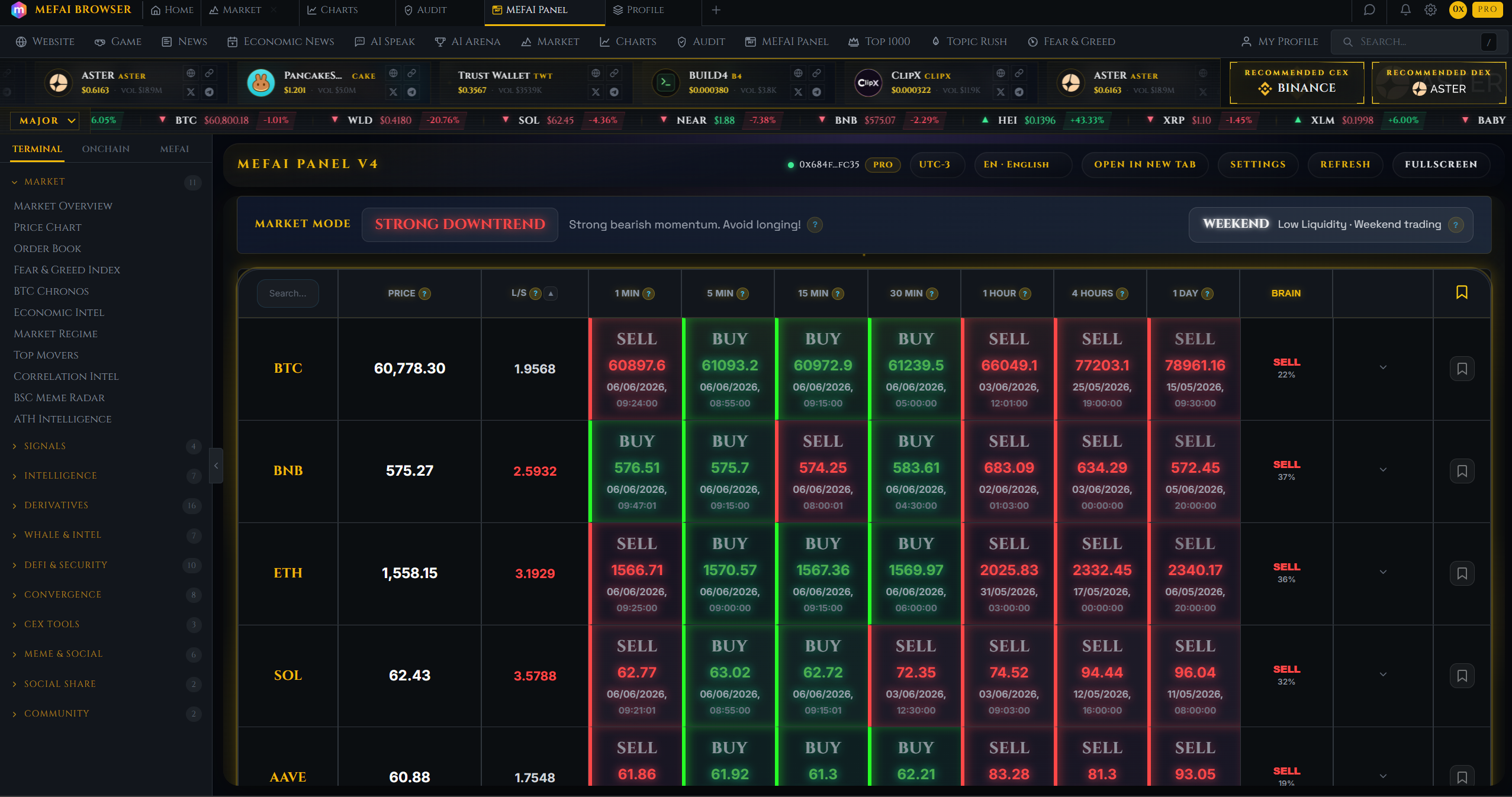
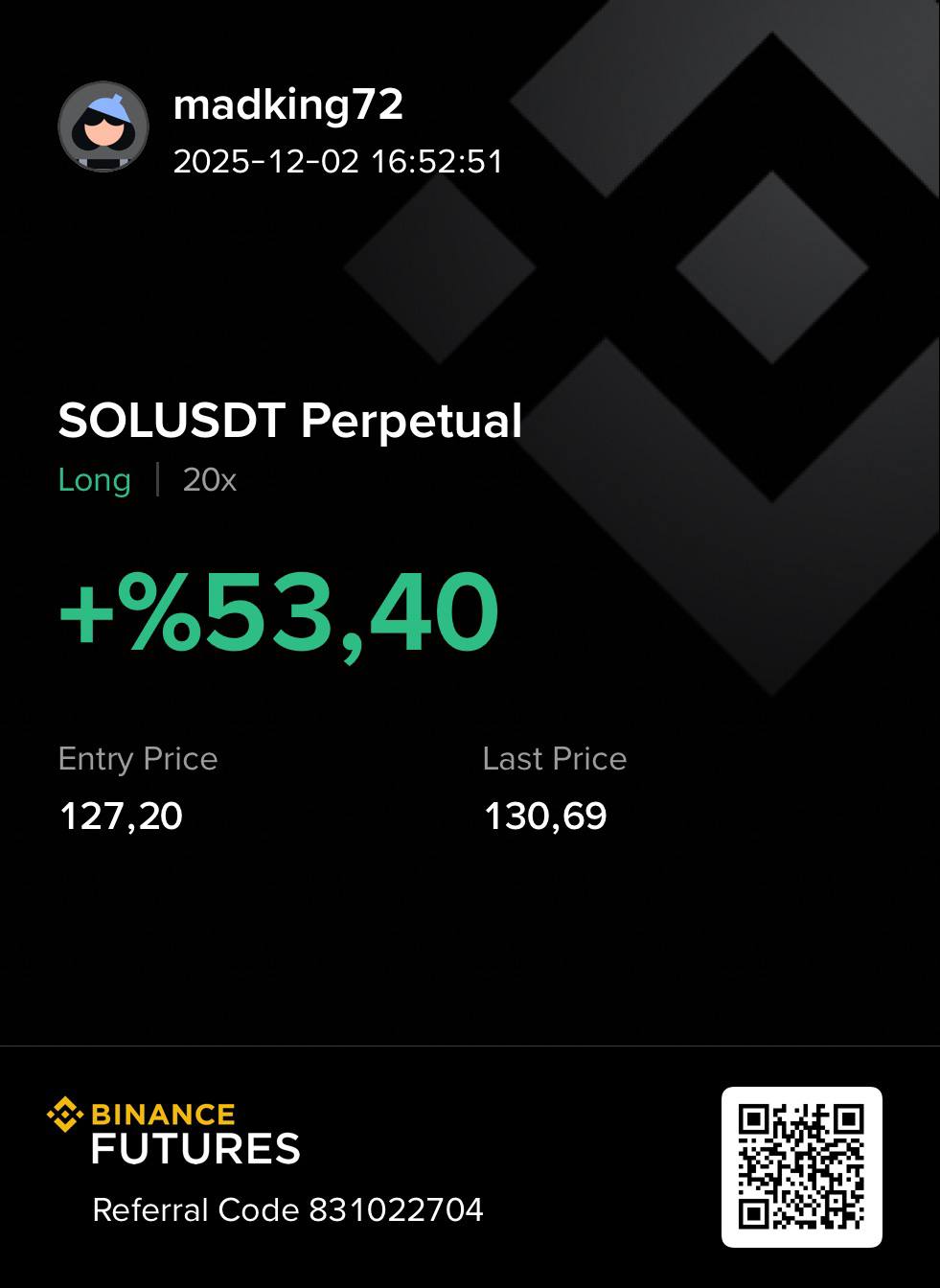
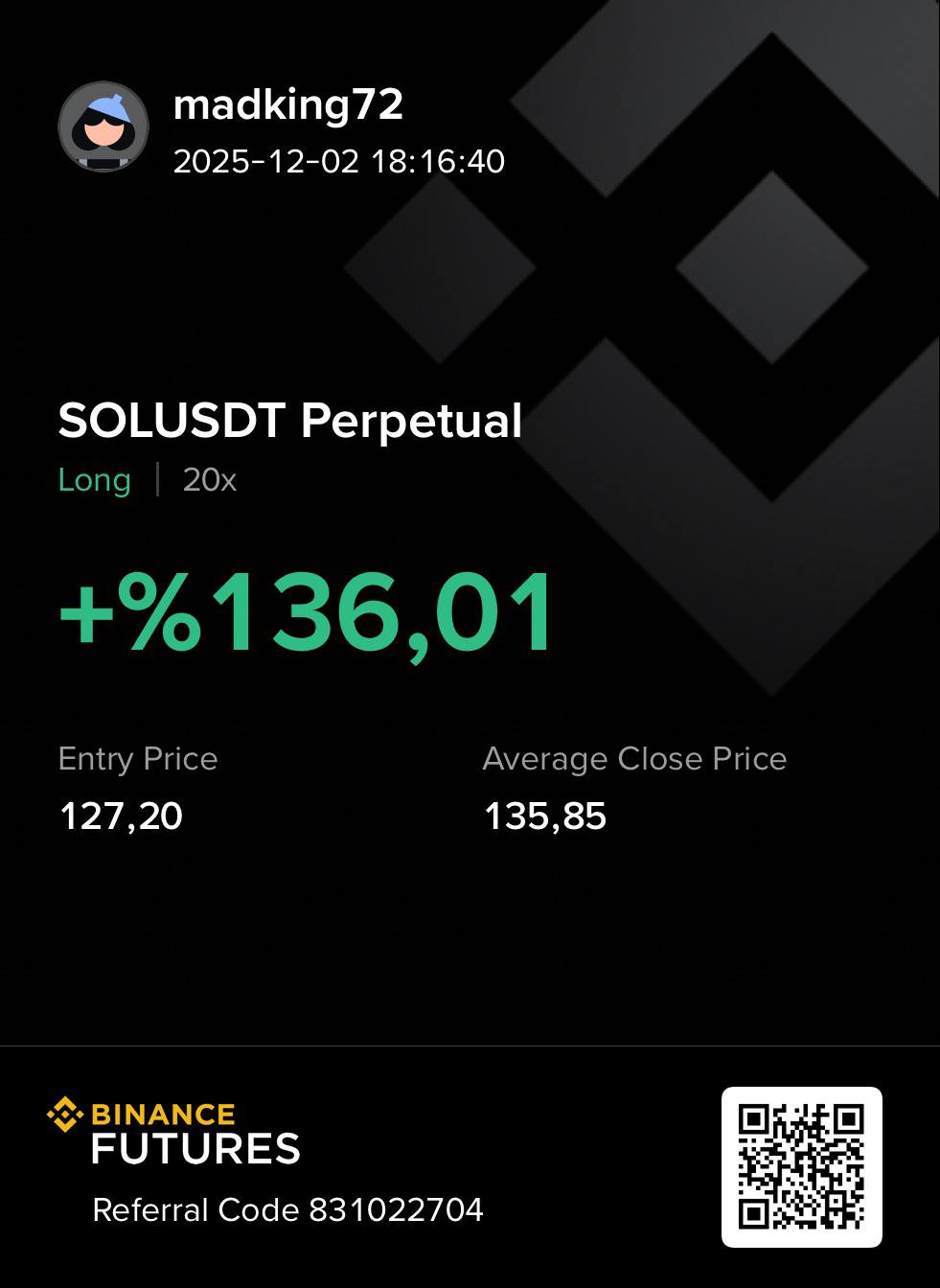


Real results from MEFAI's AI. Get $50 off the Pro plan.
Sponsored · Past performance is not indicative of future results. Not financial advice.


How to compare platforms in practice
Start by documenting your top three use cases in concrete terms. For each, list the systems involved, data flows, and success metrics. Then evaluate platforms against these durable criteria:
- Scope clarity: Does the platform encourage bounded, measurable tasks?
- Integration depth: Are connectors available for your core systems?
- Observability: Can you trace every step and alert on anomalies?
- Security posture: Are controls aligned with your regulatory needs?
- Team fit: Does the abstraction level match your skills and growth?
Create a short scoring rubric and weight each criterion by your priorities. For example, a healthcare workflow might prioritize security and audit trails, while a startup may prioritize speed of deployment and cost predictability.
Platform profiles and who they suit best
LangChain/LangGraph (open source)
Best for: Teams that want full control and are comfortable writing code in Python or TypeScript. LangChain provides composable components for agents, tools, and memory, but leaves integration, security, and observability to you. It’s ideal when you need to customize reasoning loops or integrate with niche APIs, but demands strong engineering discipline.
Microsoft Power Automate with AI Builder
Best for: Business users in Microsoft-centric environments who need low-code automation with built-in AI models. It offers prebuilt connectors for Dynamics 365, SharePoint, and Teams, and includes basic AI models for classification and extraction. It’s less flexible for custom reasoning but accelerates simple workflows with minimal setup.
n8n (open source)
Best for: Mid-size teams that want self-hosted, code-friendly automation with a visual workflow editor. n8n supports AI nodes for LLMs and vector search, and can be deployed in your own VPC. It’s a good middle ground between low-code and full customization, but lacks enterprise-grade observability out of the box.
CrewAI
Best for: Teams building multi-agent systems where specialized agents collaborate on a task, such as research, design review, or code generation. CrewAI emphasizes role definitions, handoffs, and memory sharing, making it easier to orchestrate several agents without writing complex orchestration code.

SuperAnnotate AI Agents
Best for: Enterprises that need human-in-the-loop workflows with strong data governance. SuperAnnotate combines annotation tools with agentic automation, making it suitable for labeling pipelines, quality assurance, and compliance-heavy environments.
Red flags during vendor evaluation
- Vendor claims “works with any system” but lacks documented connectors or APIs
- Demo shows only sanitized examples, not your actual data or systems
- Pricing is opaque or tied to ambiguous “AI credits”
- Documentation assumes deep ML expertise without offering beginner guides
- No clear path for on-premises or air-gapped deployment
If multiple red flags appear, consider a smaller pilot or a different vendor. The cost of switching later is far higher than the time spent upfront.
Practical next steps before you buy
- Inventory your systems: List every database, API, and SaaS tool the agent will touch.
- Define success: Pick one bounded process and set a measurable KPI (e.g., “reduce first-response time by 30%”).
- Run a sandbox test: Use sample data to simulate the full workflow from trigger to outcome.
- Stress-test integration: Simulate API timeouts, rate limits, and malformed data.
- Draft a runbook: Document escalation paths, rollback steps, and who gets paged when the agent fails.
Final verdict: Choose deliberately, not quickly
The most successful AI agent deployments begin with clear boundaries, realistic expectations, and a focus on integration, security, and maintainability. Avoid the temptation to chase feature breadth or flashy demos. Instead, match the platform’s strengths to your team’s skills, your systems’ constraints, and your regulatory requirements. The right choice today will still be the right choice six months from now—because you planned for change, not just speed.
More in Artificial Intelligence

AI-Powered Crypto Exploits: What the Release of Claude Mythos Fable 5 Means for Blockchain Security
Anthropic’s new Fable 5 model lowers the barrier to finding smart-contract vulnerabilities, raising risks for DeFi and crypto users. Here’s what changed and what you can do.

AI Writing Tools for Beginners: Your Essential Guide to Getting Started
Discover how AI writing tools can supercharge your content creation. This guide explains the basics, compares top beginner-friendly options like Jasper and Copy.ai, and offers clear criteria to choose

Free vs Paid AI Writing Tools: What's Actually Worth Your Money
Deciding between free and paid AI writing tools depends on your volume, quality needs, and workflow. Free tiers handle basic tasks well, but paid plans unlock longer content, advanced features, and br