
Free vs Paid AI Agents: What Is Actually Worth Paying For
By Mag-Info Tech editorial · 2026-06-10

Why AI Agents Are Moving From Labs Into Real Workflows
AI agents—software that plans and executes multi-step tasks with little or no human input—are shifting from demos to daily use. Free platforms let individuals and small teams automate repetitive work such as data entry, report generation, and customer follow-ups. Paid tiers unlock scale, reliability, and features that matter when agents run around the clock or handle sensitive data.
For buyers, the choice is rarely “free or paid” in absolute terms. Instead, it hinges on how much autonomy, oversight, and integration you need. This guide compares widely used free and paid AI agent platforms, explains what each tier delivers, and offers criteria to help you decide when upgrading is justified.
What “Free” AI Agents Usually Include
Free AI agent platforms typically provide a hosted environment where you can design simple workflows—data extraction, email sorting, scheduling—using natural language or low-code interfaces. They cap compute time, execution frequency, or the number of concurrent agents. Storage and integrations are limited to popular services, and support is community-based or ticket-based with long response times.
These tiers suit solo professionals or small teams testing automation without budget risk. You can validate whether an agent can reliably perform a task before committing resources. The catch is that free plans rarely offer guarantees on uptime, data privacy controls, or audit trails—features that become critical once the agent touches customer data or internal systems.
What Paid Plans Add: Reliability, Scale, and Control
Paid tiers usually remove compute caps, allow scheduled or event-driven execution, and add connectors to enterprise tools such as CRMs, databases, and identity providers. They include stronger authentication, role-based access, logging, and sometimes private deployment options. Support moves to dedicated channels with service-level agreements.
For growing teams, the difference is not just “more” but “safer and more predictable.” If an agent fails at 2 a.m., a paid plan typically offers faster incident response and documented recovery steps. Teams also gain the ability to run multiple agents in parallel, route errors to dashboards, and enforce policies such as “do not export data outside the EU.” Without these controls, free tiers can quickly become liabilities rather than cost savers.
Platform-by-Platform Comparison
1. LangGraph (Free & Cloud/Enterprise)
LangGraph is an open-source framework for building stateful, multi-agent systems. The free tier is the open-source codebase you can run on your own hardware or a free cloud notebook. You get the full agent orchestration model but must supply your own compute, storage, and integrations.

Paid tiers start when you move to managed cloud or on-premises deployments. Managed cloud removes the need to provision servers and adds built-in monitoring, secrets management, and role-based access. On-premises licenses let regulated industries keep data behind their firewalls. Choose the free route if you have DevOps capacity and want full control; choose paid if you need turnkey reliability and compliance features.
2. Microsoft Power Platform with Copilot Studio (Free & Per-App Plans)
Copilot Studio lets you build AI agents that live inside Power Apps and Power Automate. The free environment includes 25 runs per user per day and basic connectors to Microsoft 365. You can prototype agents that summarize emails or update SharePoint lists without leaving the Microsoft ecosystem.
Paid plans raise the daily run limit, add AI model selection, and unlock premium connectors such as Salesforce or SAP. They also include governance dashboards and audit logs required for enterprise audits. If your agents stay inside Microsoft tools and your volume is low, the free plan can cover daily tasks. Once you need to scale or connect to external systems, the per-app pricing becomes cost-effective compared with building custom middleware.
3. Zapier with AI Steps (Free & Starter/Professional)
Zapier’s free plan lets you chain up to 100 tasks per month and includes one AI step per Zap. That is enough to add a text summary or classification to a workflow, but not to run a multi-step agent. Starter and Professional tiers increase task limits and allow multiple AI steps per Zap, plus faster polling intervals and error handling.
For small businesses, the free tier can handle light AI augmentation. If you need agents that react to events in real time or maintain conversation history across steps, the paid tiers add the necessary stability and throughput. The main limitation is that Zapier’s AI steps are narrow—focused on text transformation rather than autonomous planning—so teams with complex logic often outgrow the platform quickly.
4. n8n (Free & Cloud/Enterprise)
n8n is an open-source workflow automation tool with an AI node. The self-hosted free version gives you the full feature set except for n8n-hosted cloud extras. You can build agents that fetch data, call LLMs, and update databases without vendor lock-in.
Paid plans add managed hosting, high availability, and enterprise features such as LDAP integration and audit trails. If your agents must run 24/7 with minimal downtime, the cloud or enterprise tiers remove the operational burden of patching and scaling. The open-source core remains the same, so you can still export workflows and avoid lock-in even on paid tiers.
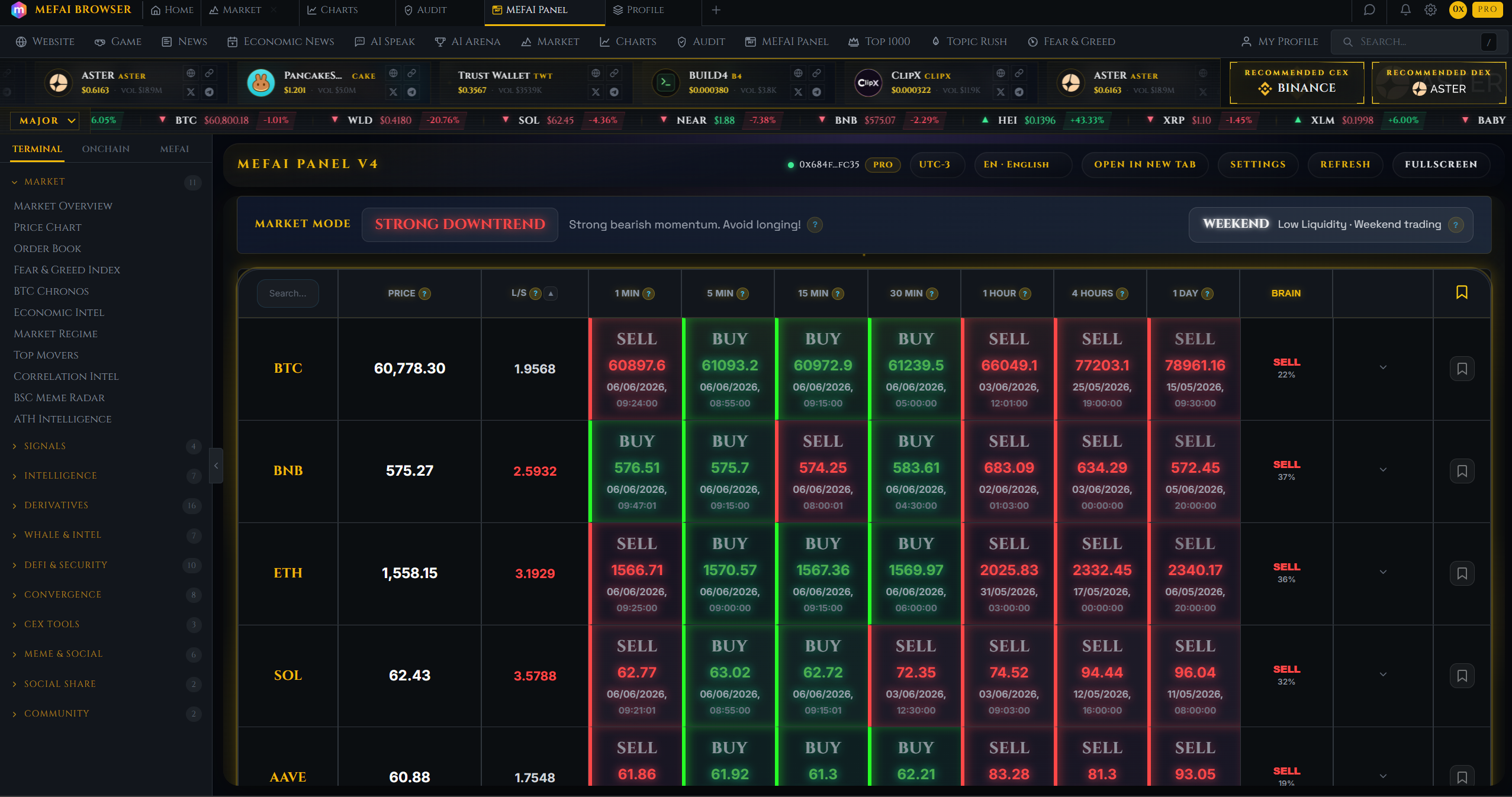
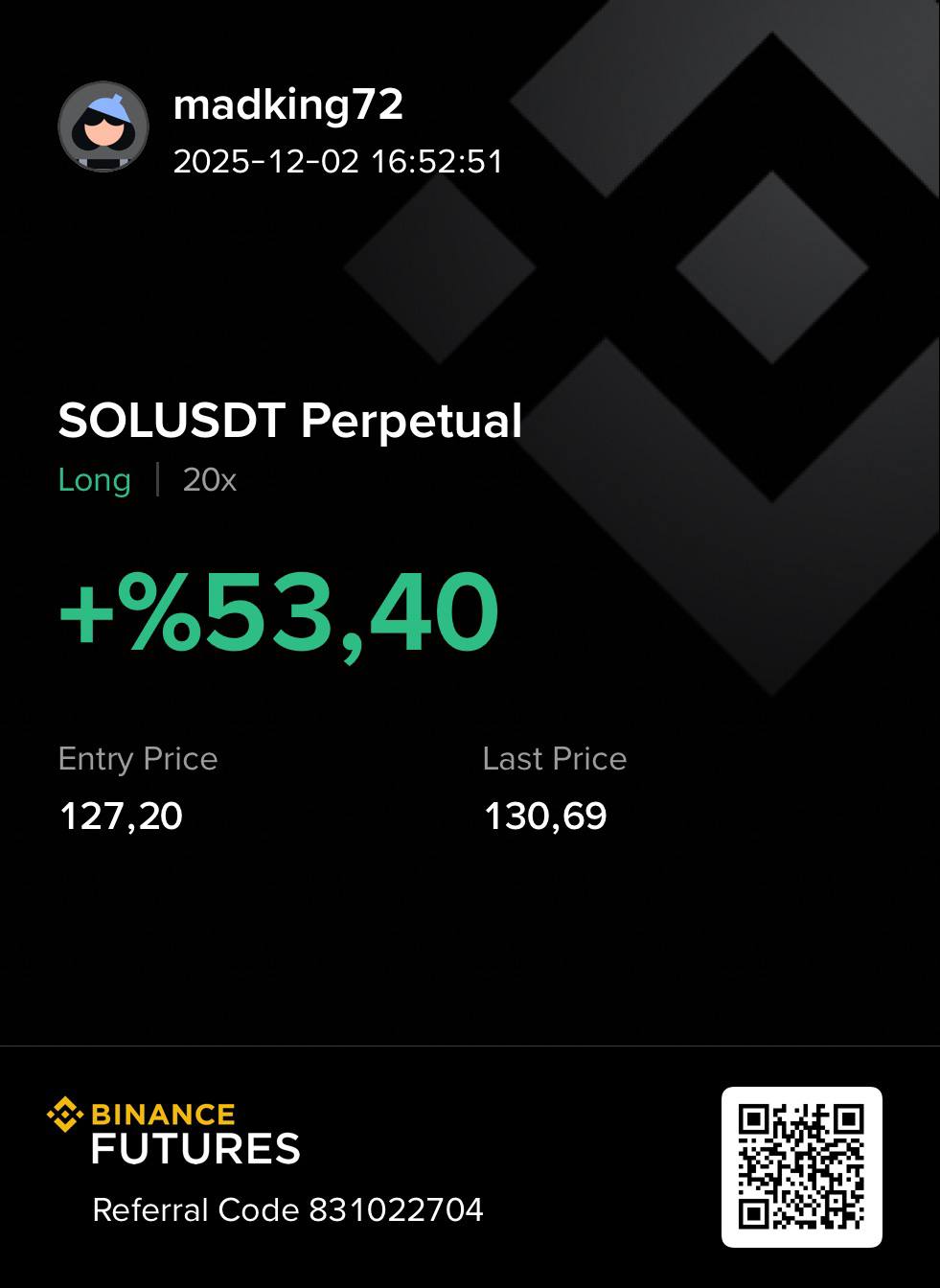
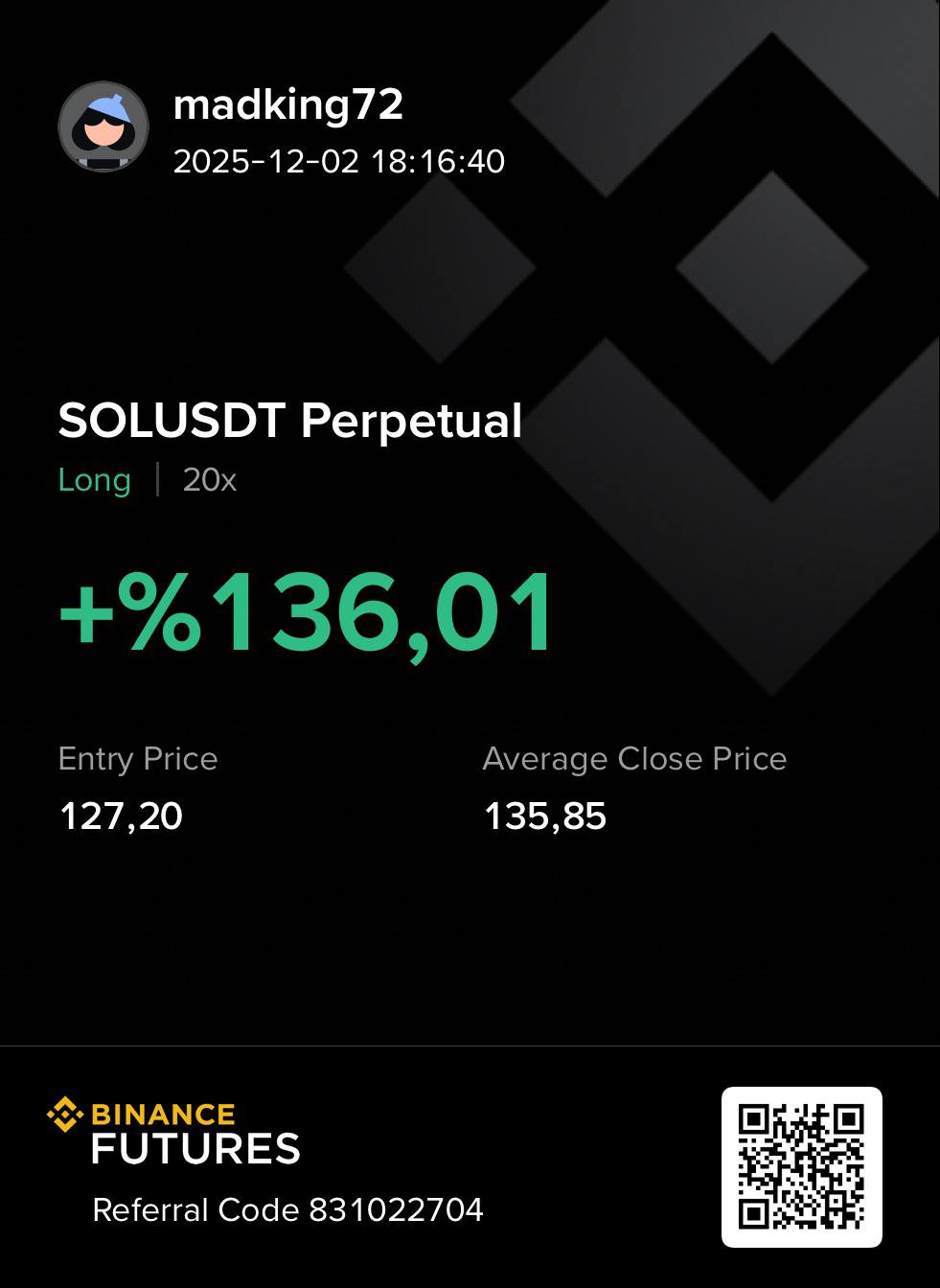


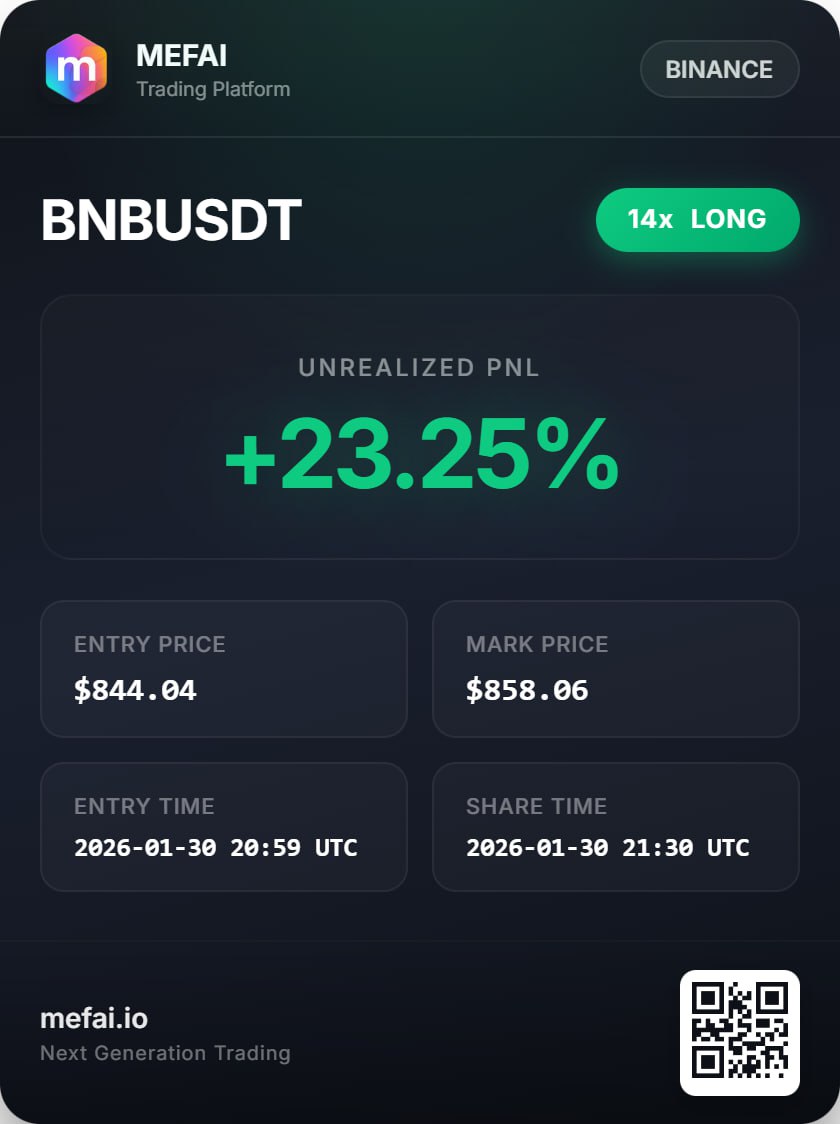
Real results from MEFAI's AI. Get $50 off the Pro plan.
Sponsored · Past performance is not indicative of future results. Not financial advice.

5. SuperAGI (Free & Cloud/Enterprise)
SuperAGI emphasizes autonomous agents that can chain multiple tools and self-improve. The free cloud tier allows one agent with limited compute time and basic tool integrations. You can experiment with agents that browse websites, summarize documents, and send Slack messages.
Paid tiers increase compute budgets, add long-term memory, and unlock advanced tooling such as code execution and API call scheduling. For research teams or startups prototyping agentic products, the free tier is a sandbox. When agents need to run for hours and maintain state across days, the paid plans provide the headroom and reliability required for production.
Hidden Costs and When Free Becomes Expensive
Free tiers can hide three real costs. First, time spent troubleshooting compute limits or integration failures that paid support could resolve faster. Second, data leakage risks when agents lack proper secrets management or logging—incidents that are cheap on small scale but costly when exposed. Third, opportunity cost: if an agent fails at a critical moment because the free tier throttled it, the lost productivity can dwarf the price of a paid plan.
Teams that should skip free tiers include those handling customer data, running agents after business hours, or needing audit trails for compliance. Conversely, teams that only need occasional, daytime automation with no sensitive data can often stay on free plans indefinitely.
How to Decide: Practical Selection Criteria
-
Task complexity and autonomy
- Simple, single-step automations (extract data, format text) usually fit free tiers.
- Multi-step agents that plan, retry, and adapt need paid reliability and monitoring.
-
Data sensitivity and compliance
- If agents touch PII, financial records, or regulated content, paid plans with access controls and audit trails are non-negotiable.
-
Volume and uptime
- Free tiers cap runs per day or throttle during peak times. If you need continuous operation or burst capacity, paid plans remove those ceilings.

-
Integration surface
- Free tiers often restrict connectors to a handful of popular services. Paid tiers open enterprise systems (ERP, CRM, identity) and allow custom APIs.
-
Support and incident response
- Free support is community or ticket-based with no guarantees. Paid tiers provide SLAs and dedicated channels, critical when an agent fails at 3 a.m.
-
Exit strategy and lock-in
- Open-source agents on self-hosted infrastructure give you portability. Vendor-managed agents may lock you into proprietary formats, so review export options before committing.
When a Single Paid Plan Is Enough
A small business that runs five agents handling customer onboarding can often satisfy its needs with one paid plan that covers compute, connectors, and support. The key is to measure the agent’s real usage—not the theoretical maximum—and pick the tier that comfortably exceeds it. Over-provisioning is cheaper than outages.
When to Mix Free and Paid
You can prototype agents on free tiers, then move only the production workloads to paid. For example, a marketing team might build and test agents in Zapier’s free tier, then migrate the top performers to a Professional plan once they handle live leads. This staged approach reduces risk and lets you validate ROI before scaling.
What to Watch Next: Trends That Will Shift the Balance
Two trends are rapidly changing the free-vs-paid calculus. First, model pricing is dropping, which will let free tiers offer more compute without raising prices. Second, open-source agent frameworks are maturing, giving teams more control and fewer vendor dependencies. Over the next year, expect free tiers to expand capabilities while paid tiers differentiate on governance, security, and scale.
Bottom Line: Pay for What You Cannot Afford to Lose
Free AI agent platforms are excellent for learning and low-stakes automation, but they trade reliability, privacy, and support for zero cost. Paid tiers are worth the investment when agents touch business-critical data, run continuously, or must meet compliance requirements. Start with free where you can, but budget for a paid plan as soon as you need dependability or broader integrations. The right choice is not about the price tag—it’s about the cost of failure.
More in Artificial Intelligence

AI-Powered Crypto Exploits: What the Release of Claude Mythos Fable 5 Means for Blockchain Security
Anthropic’s new Fable 5 model lowers the barrier to finding smart-contract vulnerabilities, raising risks for DeFi and crypto users. Here’s what changed and what you can do.

AI Writing Tools for Beginners: Your Essential Guide to Getting Started
Discover how AI writing tools can supercharge your content creation. This guide explains the basics, compares top beginner-friendly options like Jasper and Copy.ai, and offers clear criteria to choose

Free vs Paid AI Writing Tools: What's Actually Worth Your Money
Deciding between free and paid AI writing tools depends on your volume, quality needs, and workflow. Free tiers handle basic tasks well, but paid plans unlock longer content, advanced features, and br