AI Agents Compared: How to Choose the Right Platform for Your Needs
By Mag-Info Tech editorial · 2026-06-10

What an AI Agent Platform Actually Does
An AI agent platform turns a large language model from a chat-based assistant into a program that can complete multi-step tasks on its own. Instead of copying prompts back and forth, you define goals or workflows and let the agent decide which tools to call, which APIs to invoke, and when to ask for human approval. These platforms differ in how much control you retain, how much autonomy you grant, and how much integration they offer with the rest of your software stack.
For individuals, the priority is usually simplicity and low setup friction. Teams need audit logs, role-based access and versioning so multiple people can safely share the same agents. Budget-conscious users look for transparent pricing that scales with usage rather than headcount. Power users want fine-grained control over memory, tools, orchestration and custom code hooks. The rest of this guide maps these profiles to real platforms and explains the trade-offs.
How to Evaluate Any AI Agent Platform
Before comparing specific tools, decide which criteria matter most in your context. Autonomy is the first dimension: some platforms let agents run end-to-end, while others pause for human sign-off at each step. Tooling integration is the second: does the platform connect natively to your database, CRM, email, Slack, or do you need to write custom functions? Memory and context retention is the third: can the agent remember long-running conversations or does it start fresh each time? Finally, governance and safety features—such as approval gates, usage limits, and audit trails—determine whether the platform is suitable for regulated or multi-user environments.
Cost structure also shapes the choice. Some platforms price by messages or tokens, others by agent runs or compute minutes. Hidden costs can appear when you need premium connectors or higher rate limits. Security posture matters too: SOC 2, HIPAA, or GDPR compliance may be mandatory depending on your industry. Finally, extensibility—APIs, SDKs, and open-source options—lets you adapt the platform as your needs evolve. Use these criteria to shortlist platforms that fit your profile before digging into the details.
Best for Solo Creators and Small Projects: LangChain Templates
LangChain Templates is the easiest way to turn a prompt into a working agent without managing infrastructure. The project maintains a public repository of reusable templates—from research assistants that browse the web and summarize articles, to data analysts that query SQL databases and generate charts. You can clone a template, swap in your own data sources, and run it locally or in a cloud notebook. Because the code is open source, you can inspect and modify every step, which is valuable when you need to debug or extend behavior.
This option suits solo creators who want full control without heavy setup. The trade-off is that you shoulder all the hosting, scaling, and security responsibilities. If your agent hits a rate limit or needs a proprietary API key, you handle the integration yourself. For budget users, the only cost is compute time on your own cloud account. For power users, the open templates provide a starting point for custom orchestration logic, memory stores, and tool chaining. In short, LangChain Templates is ideal when autonomy and transparency outweigh turnkey convenience.

Best for Teams That Need Governance and Sharing: Microsoft Copilot Studio
Microsoft Copilot Studio adds enterprise-grade controls on top of a conversational AI agent. Teams can publish agents to Microsoft Teams, SharePoint, or custom web apps, and set approval workflows so sensitive actions require human review. Role-based permissions let you restrict who can edit or deploy agents, while usage analytics show which prompts and tools are being used most. The platform integrates natively with Power Platform, Dynamics 365, and Azure services, which reduces the need for custom connectors.
This platform is strongest for organizations already using Microsoft 365 and Azure. The built-in governance features make it suitable for departments handling customer data, internal requests, or regulated workflows. The downside is vendor lock-in: if you later need to move agents outside the Microsoft ecosystem, exporting workflows can be cumbersome. Teams that prioritize compliance, collaboration, and tight integration with existing tools will find Copilot Studio the most practical choice.
Best for Developers Who Want Maximum Control: CrewAI
CrewAI is a Python framework that structures agents as a “crew” of specialized roles—researcher, writer, reviewer—each with its own tools, memory, and goals. You define the crew’s hierarchy, the handoff rules between agents, and the final deliverable. Because everything runs in code, you can version-control the agent definitions, test different prompts, and deploy to any Python environment. The framework also supports long-running tasks, parallel execution, and custom evaluation metrics.
Developers who need fine-grained orchestration and reproducibility gravitate toward CrewAI. The trade-off is that you must write and maintain the orchestration logic yourself. If your workflow is complex—multiple agents, conditional branches, external APIs—CrewAI gives you the levers to make it work. The framework is open source, so you can inspect the internals and extend them. Solo developers and small teams comfortable with Python will get the most out of CrewAI, while non-technical users may find the learning curve steep.
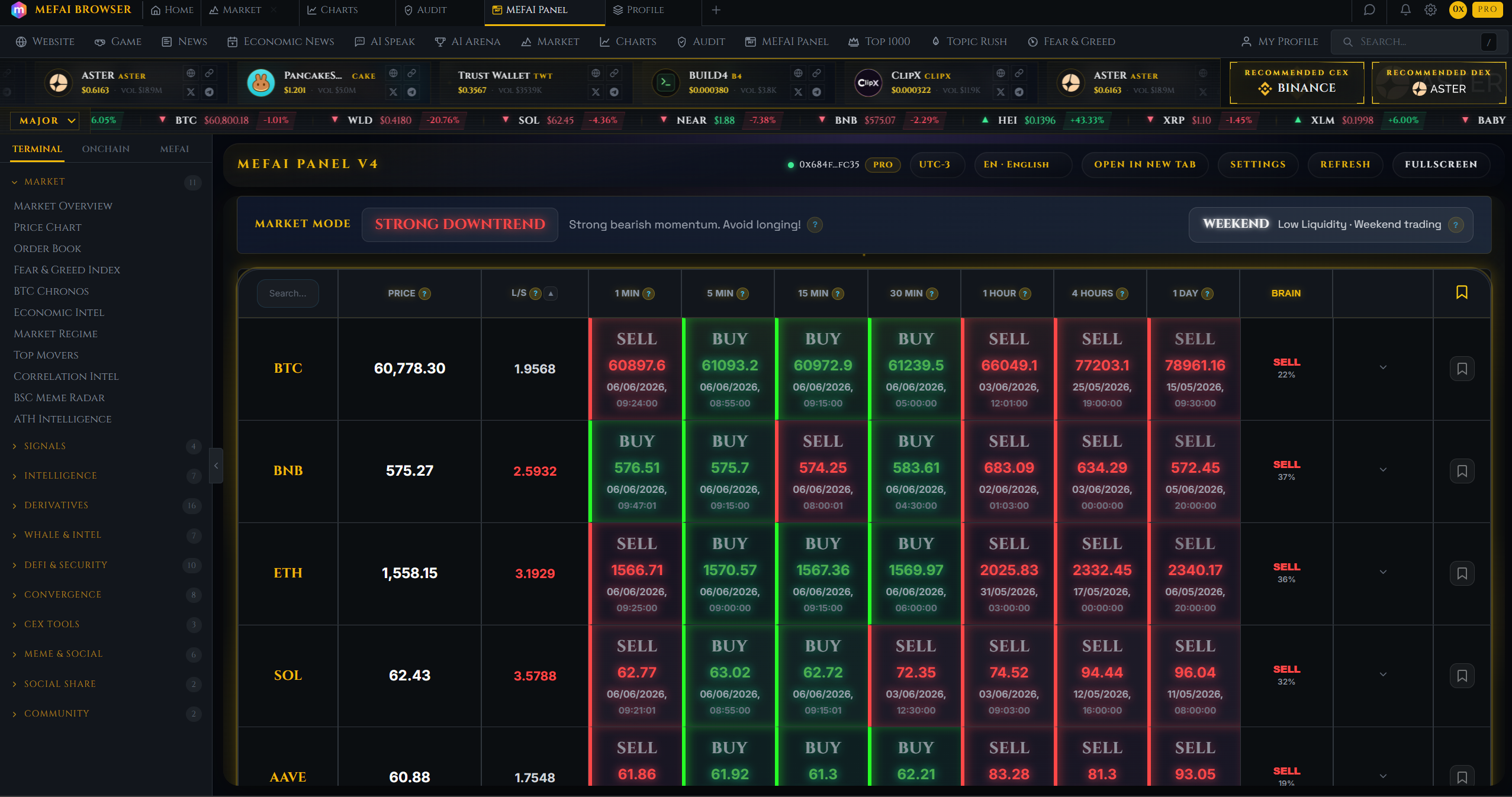
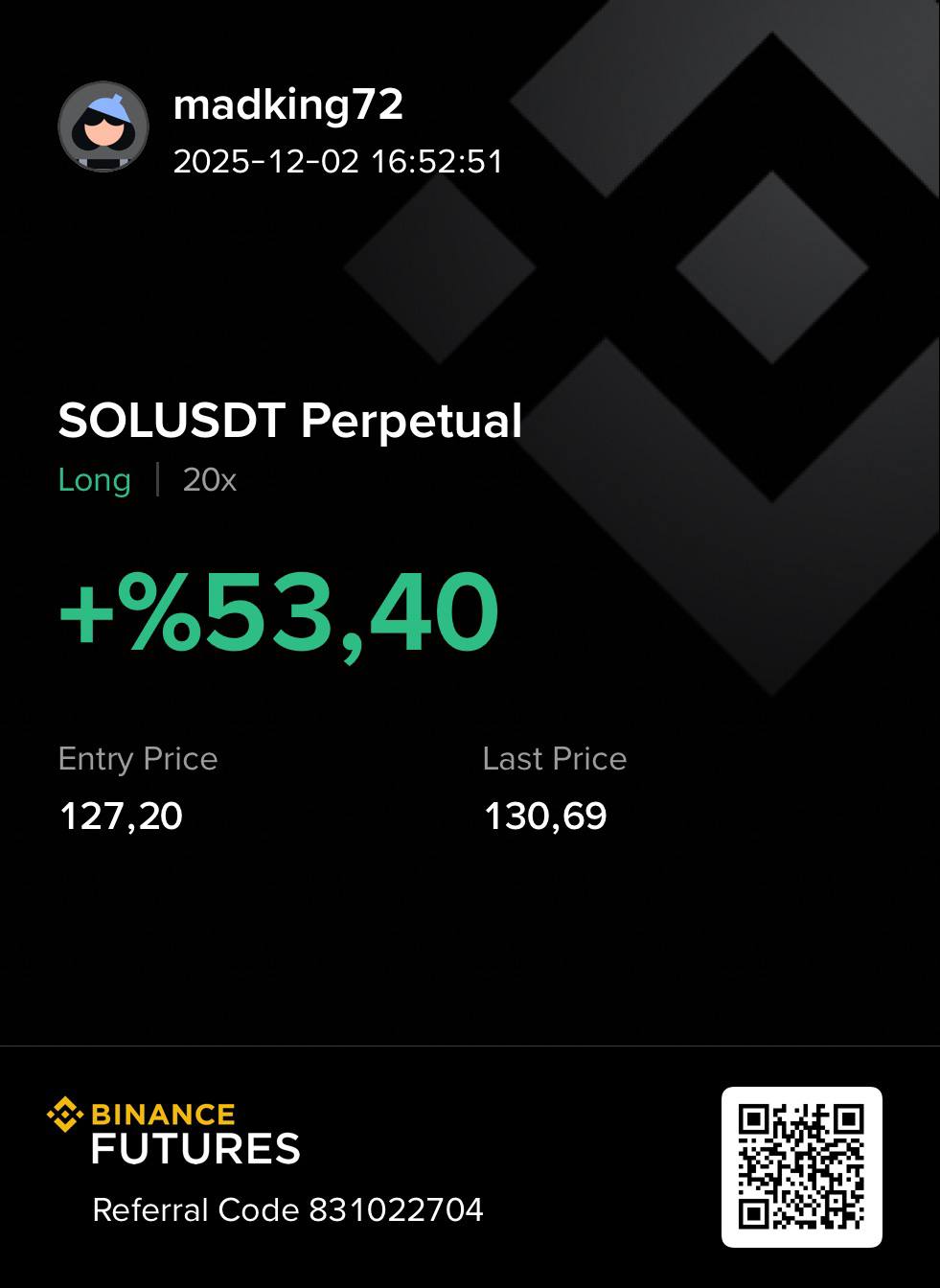
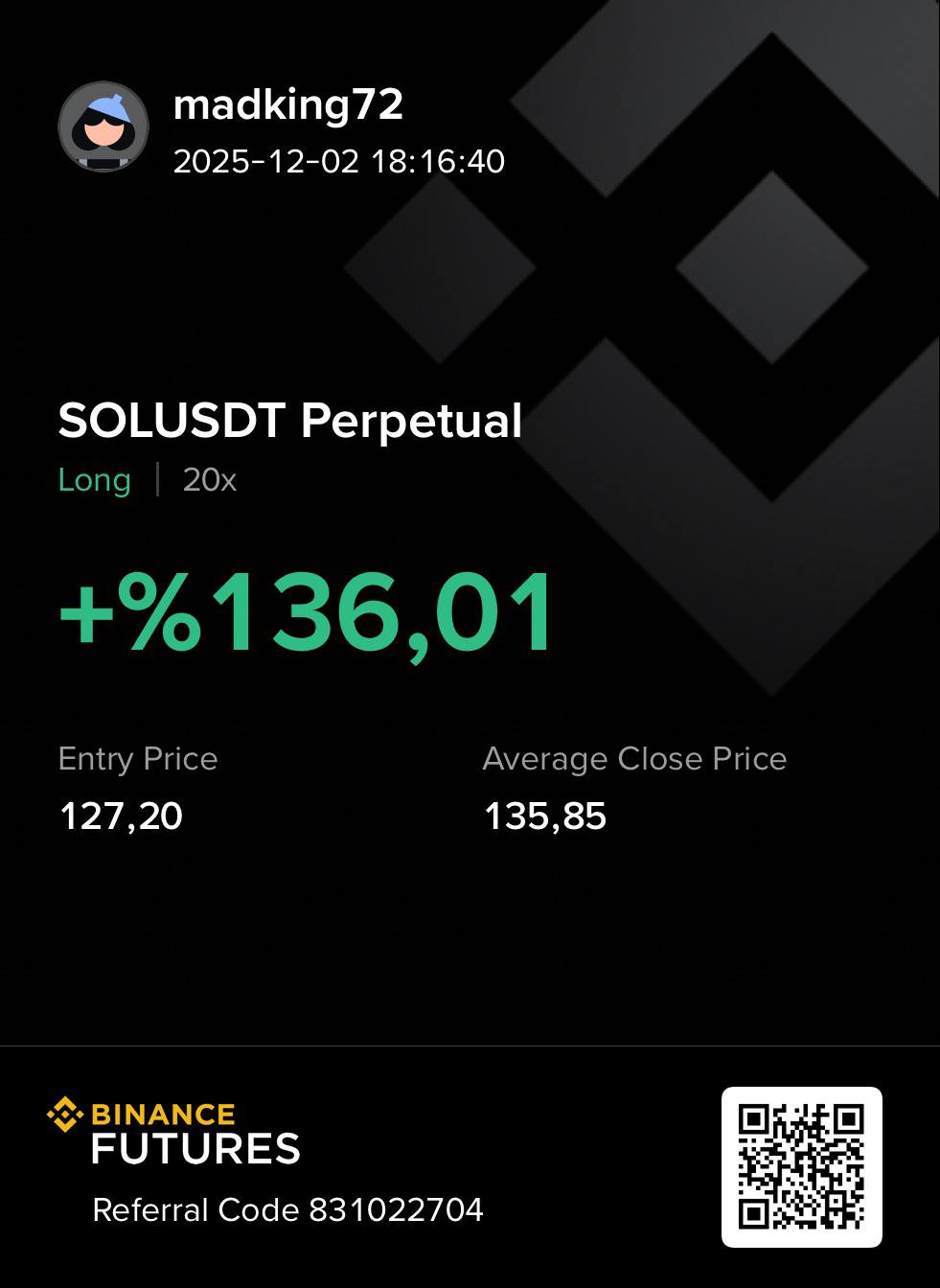


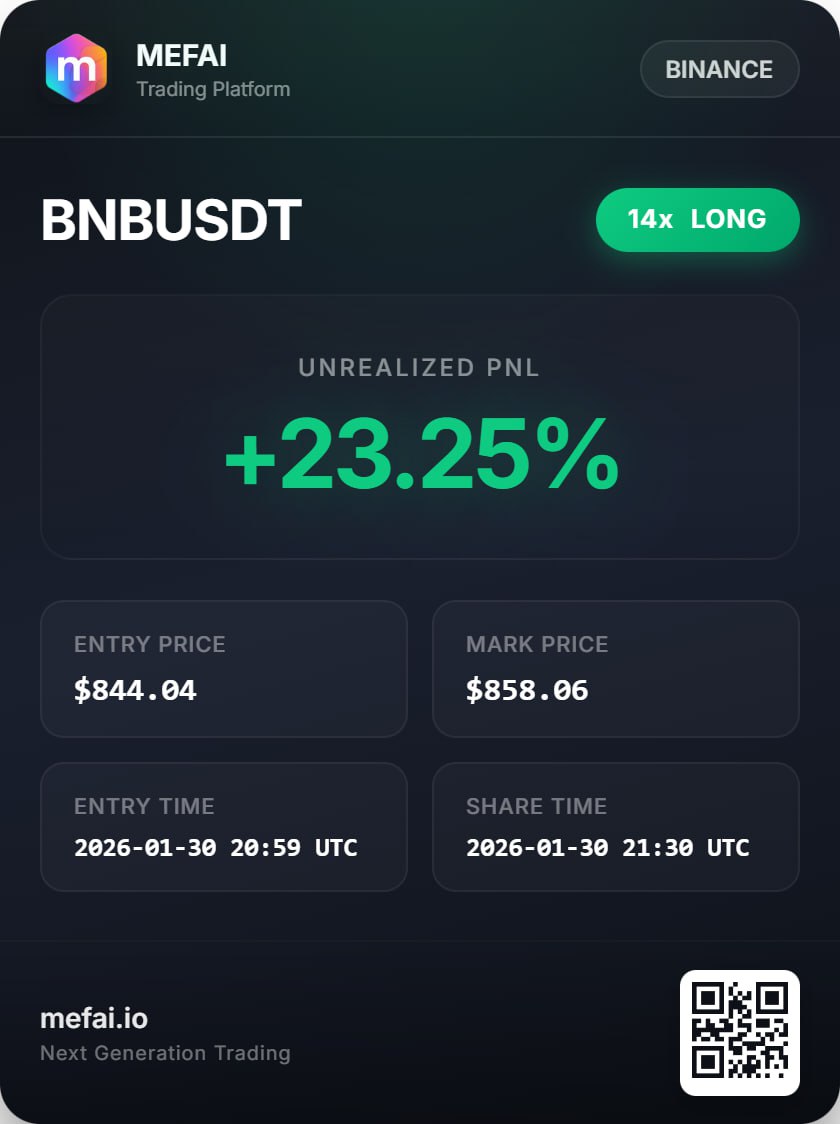
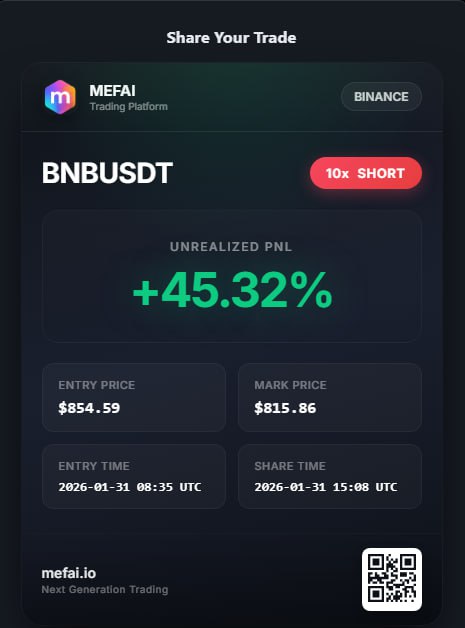
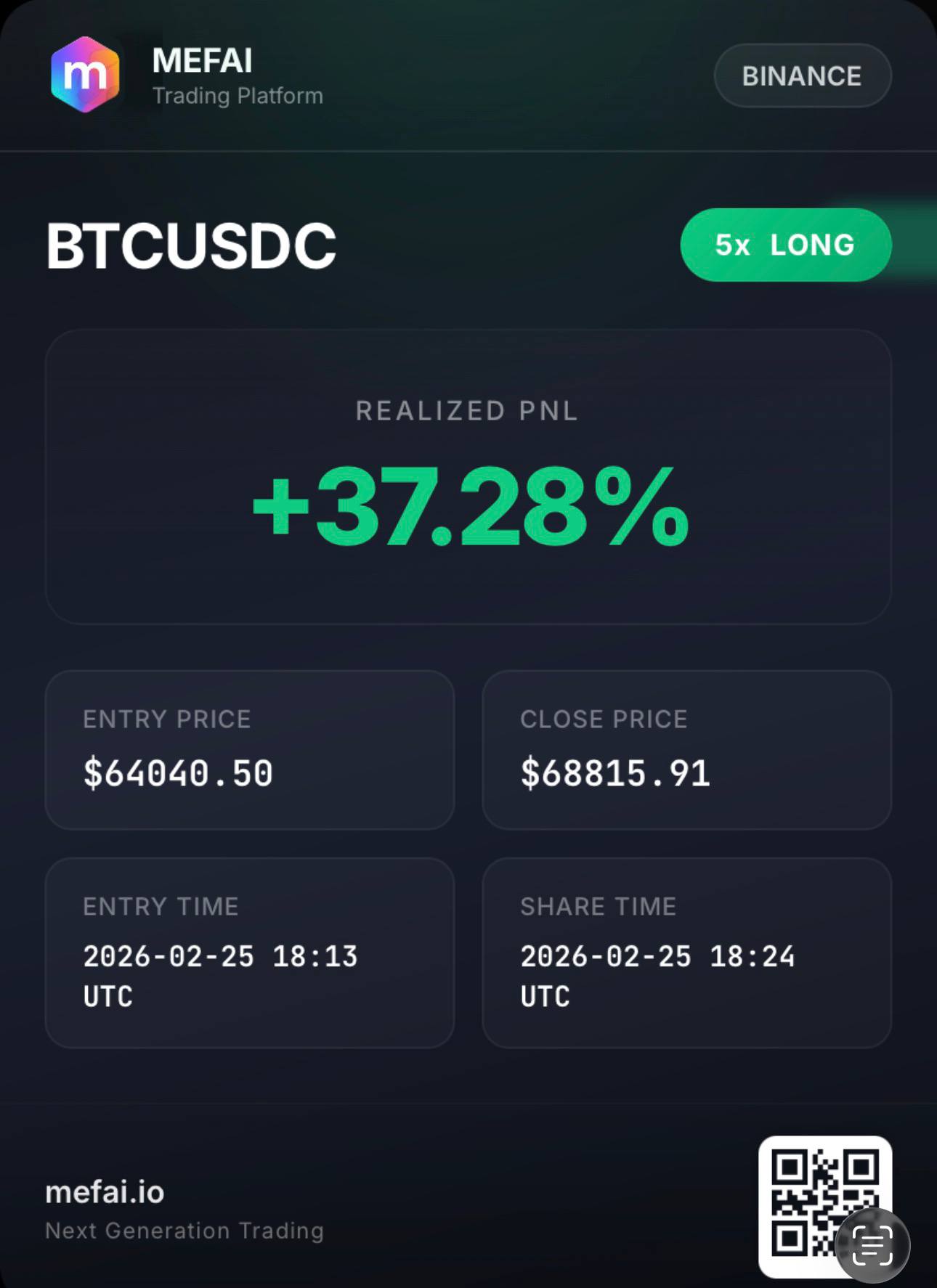
Real results from MEFAI's AI. Get $50 off the Pro plan.
Sponsored · Past performance is not indicative of future results. Not financial advice.

Best for Budget-Conscious Users: SmythOS
SmythOS positions itself as a no-code agent builder with a free tier and transparent pay-as-you-go pricing. You can assemble agents visually by dragging blocks for data sources, logic gates, and API calls, then deploy them as APIs or chatbots without writing code. The platform includes built-in memory, error handling, and retry logic, which reduces boilerplate. For users who outgrow the visual builder, SmythOS offers an SDK to drop into custom applications.
This option is compelling for individuals and small teams that want turnkey agents without heavy engineering. The free tier covers light usage, and pricing scales predictably as you add more agents or compute time. The limitation is flexibility: if your workflow requires custom Python modules or niche integrations, you may hit the platform’s boundaries. Budget users who value speed and cost control over unlimited extensibility will find SmythOS the best fit.
Best for Power Users Who Need Deep Customization: AutoGen
AutoGen is a Microsoft Research framework for building multi-agent conversations where agents can be LLMs, humans, or tools. You define the agents, their roles, and the conversation protocol—debate, collaboration, or hierarchical handoffs. Because the framework is code-first, you can customize memory backends, tool permissions, and even the orchestration algorithm itself. AutoGen also supports asynchronous execution, so agents can work in parallel across multiple tasks.
Power users who need to prototype novel agent architectures or run large-scale simulations choose AutoGen. The framework’s strength is its research orientation: you can experiment with different agent personalities, consensus mechanisms, and evaluation metrics. The downside is that you must build everything from scratch—there are no prebuilt templates or no-code interfaces. If your goal is to push the boundaries of agent behavior rather than deploy a production workflow, AutoGen is the right sandbox.
Best for Enterprise Automation at Scale: n8n AI Agents
n8n is an open-source workflow automation tool that recently added AI agent capabilities. You can chain prompts, APIs, databases, and conditional logic into a single workflow, then expose it as an API endpoint or a chat interface. The platform supports parallel branches, error handling, and scheduled runs, making it suitable for high-volume, repeatable processes. Because it is open source, enterprises can self-host or extend it with custom nodes.
This platform is ideal for operations teams that already use n8n for RPA and want to layer AI on top without migrating stacks. The AI nodes let you insert LLM calls at any point in the workflow, so you can summarize inputs, generate drafts, or classify outputs. The trade-off is that the AI features are relatively new, so documentation and community support are still catching up. Enterprises that value self-hosting, auditability, and integration with existing automation tooling will find n8n AI Agents the most pragmatic choice.

Best for No-Code Teams That Need Fast Deployment: Bardeen AI
Bardeen AI focuses on browser-based automation: you record a sequence of clicks and inputs, then insert AI steps to extract data, classify content, or generate text. The platform turns those recordings into reusable playbooks that can run on schedule or on demand. Teams can share playbooks, set permissions, and track usage without writing code. Bardeen also offers one-click integrations with popular SaaS apps like Notion, Airtable, and Gmail.
Teams that spend most of their day in the browser—marketing, sales ops, recruiting—benefit from Bardeen’s low-friction approach. The AI steps are added as visual blocks, so non-technical users can configure agents without prompts or code. The limitation is scope: Bardeen excels at web-based tasks but lacks deep connections to databases, APIs, or custom services. If your workflow lives inside the browser and you need rapid deployment, Bardeen AI is the simplest path.
How to Decide Which Platform Fits Your Needs
Start by listing the tasks you want the agent to perform. If they are personal, experimental, or require full transparency, clone a LangChain template or spin up a CrewAI crew in your own environment. If you need to share agents across a team and maintain governance, Microsoft Copilot Studio or n8n AI Agents will give you the necessary controls. For budget-conscious users, SmythOS offers a free entry point with predictable pricing. Power users who want to innovate should evaluate AutoGen. Finally, if your workflow is web-centric and you need no-code deployment, Bardeen AI can ship a working agent in minutes.
Before committing, run a small pilot: define a concrete goal, measure success, and note where the platform either accelerates the work or becomes a bottleneck. Watch for hidden costs—premium connectors, rate limits, or compute surcharges—and confirm that the platform’s security posture matches your requirements. Once the pilot succeeds, you can scale usage confidently. The right platform is the one that turns your agent idea into reliable, repeatable results without forcing you to compromise on autonomy, cost, or control.
More in Artificial Intelligence

AI-Powered Crypto Exploits: What the Release of Claude Mythos Fable 5 Means for Blockchain Security
Anthropic’s new Fable 5 model lowers the barrier to finding smart-contract vulnerabilities, raising risks for DeFi and crypto users. Here’s what changed and what you can do.

AI Writing Tools for Beginners: Your Essential Guide to Getting Started
Discover how AI writing tools can supercharge your content creation. This guide explains the basics, compares top beginner-friendly options like Jasper and Copy.ai, and offers clear criteria to choose

Free vs Paid AI Writing Tools: What's Actually Worth Your Money
Deciding between free and paid AI writing tools depends on your volume, quality needs, and workflow. Free tiers handle basic tasks well, but paid plans unlock longer content, advanced features, and br