
Microsoft’s Xbox 25th Anniversary Console Signals a Shift in Collector Strategy
By Mag-Info Tech editorial · 2026-06-08

Microsoft has released a special-edition Xbox Series X console and matching controller in translucent green to mark the 25th anniversary of the Xbox brand. The design draws directly from the original Xbox released in 2001, updating the aesthetic for the current generation while maintaining the iconic aesthetic cues that defined the first console. The console’s Xbox button glows green, and the controller carries the same translucent finish, creating a unified visual identity that distinguishes this limited run from standard hardware.
This edition is not a full retro remake but a modern console packaged with nostalgic styling. It targets collectors and long-time fans rather than casual players, reflecting Microsoft’s growing emphasis on premium, limited-run products as a revenue stream. The move suggests a strategic pivot toward monetizing brand heritage, aligning with broader trends in gaming where hardware exclusivity and collectibility are becoming as important as performance.
From Nostalgia to Monetization: Why Microsoft Is Banking on Limited Editions
The translucent green Xbox Series X is not just a cosmetic refresh—it is a deliberate attempt to monetize nostalgia. Microsoft has historically relied on software and subscriptions for revenue, but the introduction of collector-focused hardware indicates a new phase in its consumer strategy. By revisiting the visual language of the original Xbox, the company taps into the emotional connection many gamers have with the brand’s early years. This emotional pull is a powerful marketing tool, especially when paired with a limited production run that creates artificial scarcity.
The decision to use translucent materials is particularly noteworthy. Translucent designs have been used in gaming peripherals and consoles before, often to signal premium status or special editions. In this case, the effect elevates the console from a standard piece of hardware to a display-worthy object. This aligns with the broader industry trend of treating gaming consoles as lifestyle products rather than mere gaming devices. For Microsoft, this is a low-risk way to test consumer appetite for premium hardware without overhauling its entire product line.
Design Language as Brand Strategy: How Visual Identity Shapes Perception
The anniversary console’s design is rooted in the original Xbox’s bold, angular aesthetic. The original console was large, heavy, and unmistakable, with a front-facing disc tray and a distinctive green Xbox logo. The new edition preserves these elements while modernizing the form factor. The translucent green finish is not just decorative—it signals a continuity of brand identity across generations. This visual consistency helps reinforce the Xbox brand in a crowded market where Sony’s PlayStation and Nintendo’s Switch dominate consumer attention.

For collectors, visual identity is everything. A console that visually references the past while performing like the present bridges the gap between nostalgia and modernity. This dual appeal is critical in a market where younger gamers may not remember the original Xbox but still recognize its cultural significance. By leveraging this shared visual language, Microsoft can appeal to both demographics: older fans who want to relive the past and younger players who appreciate the legacy of the brand.
The Collector Market: A Growing Revenue Stream for Gaming Hardware
The gaming industry has seen a steady rise in the collector market, with companies like Sony and Nintendo already capitalizing on limited-edition hardware. Microsoft’s move to introduce a 25th-anniversary console is a clear acknowledgment of this trend. Limited editions are no longer side projects—they are strategic products designed to drive pre-orders, sustain hype, and generate secondary market demand. The translucent green Xbox Series X is likely to appreciate in value over time, especially if production is strictly limited and demand outstrips supply.
This strategy also serves a broader purpose: it helps Microsoft differentiate its hardware in a market where technical specifications are increasingly similar across brands. When the Xbox Series X and PlayStation 5 have comparable performance, the ability to offer a unique, visually distinct product becomes a key differentiator. For Microsoft, this is not just about selling a console—it is about selling an experience tied to brand identity and exclusivity.
Hardware vs. Software: Balancing Collectibility with Core Gaming
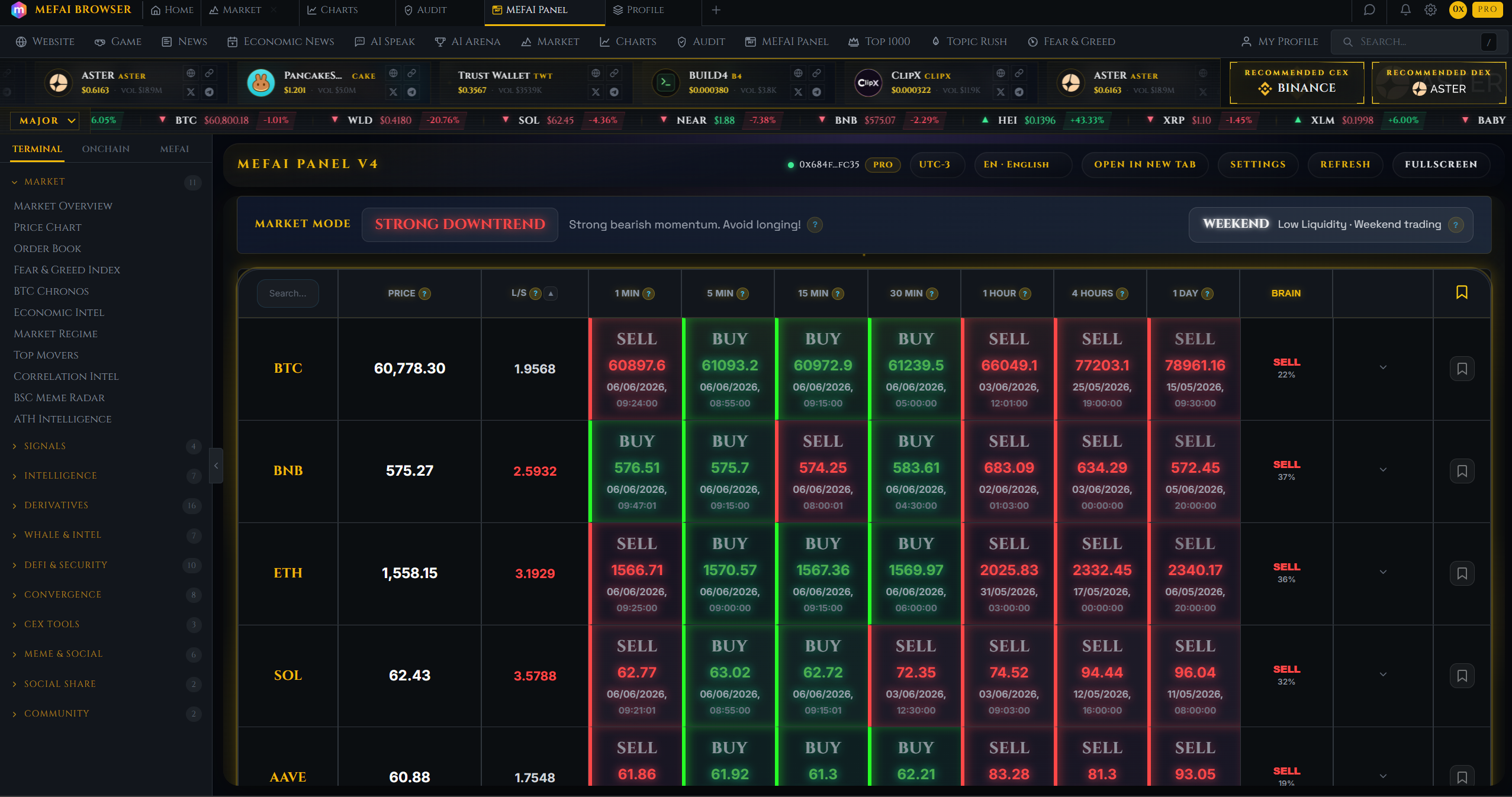


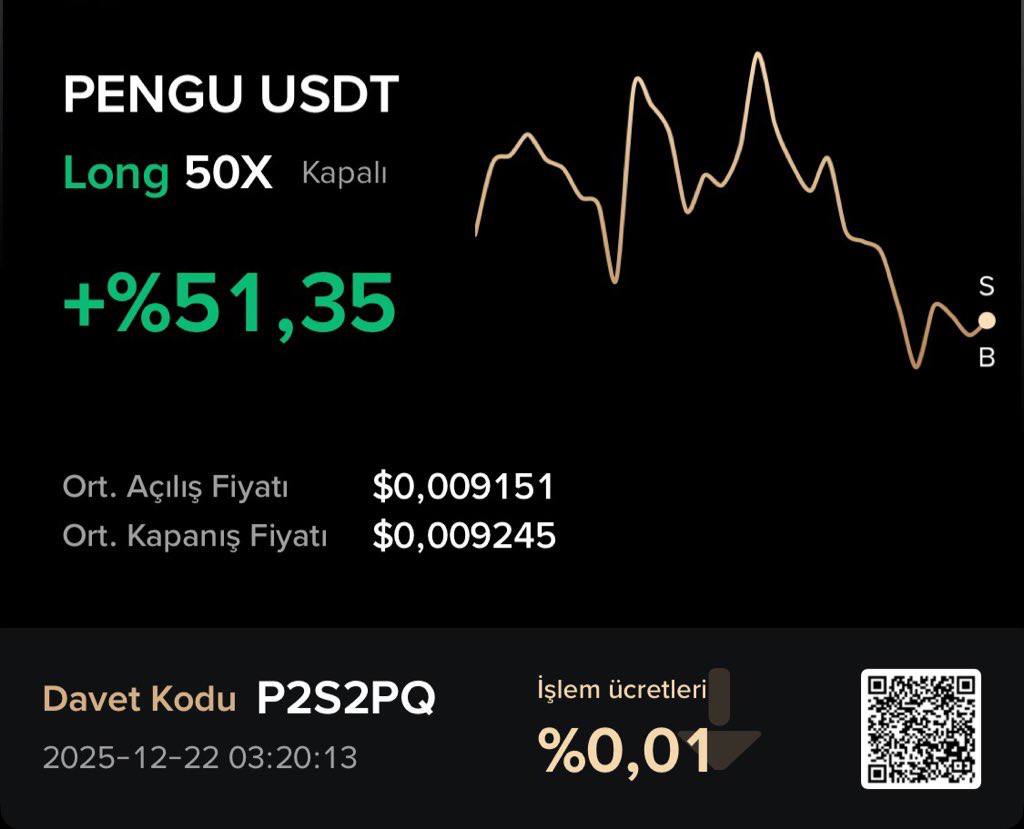


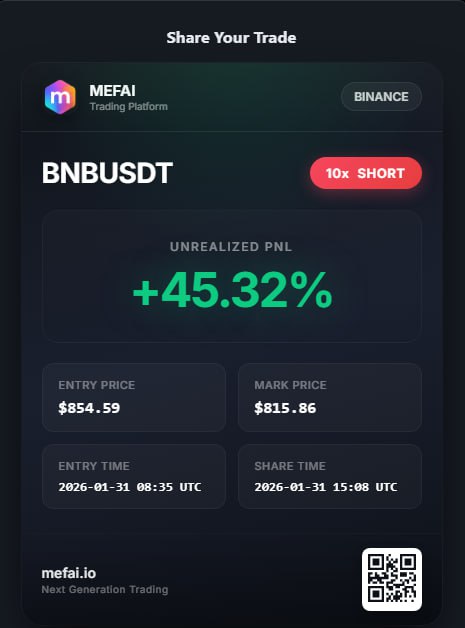
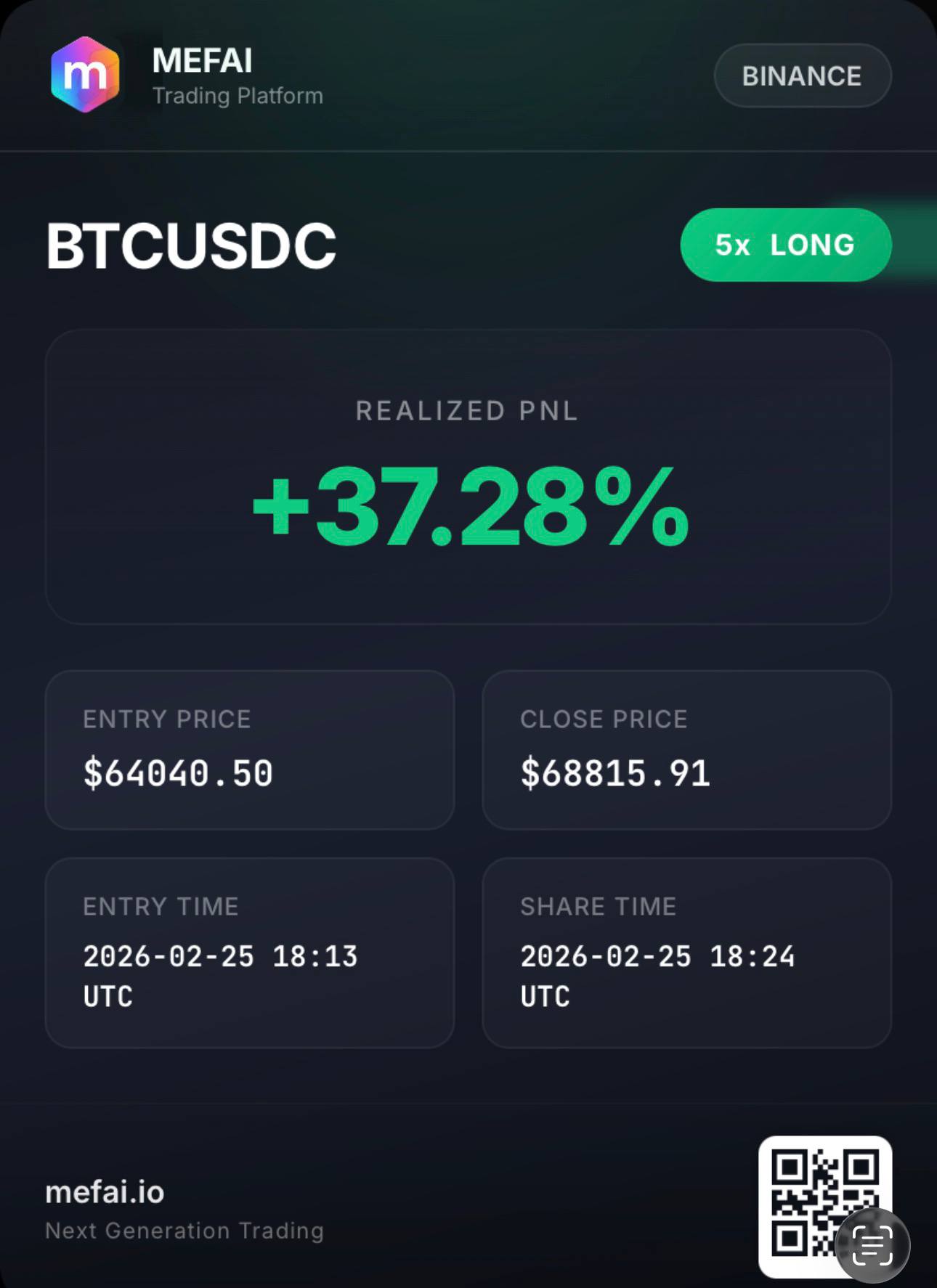
Real results from MEFAI's AI. Get $50 off the Pro plan.
Sponsored · Past performance is not indicative of future results. Not financial advice.

While the anniversary console is a bold statement, it raises questions about Microsoft’s priorities in the gaming ecosystem. The company has long positioned itself as a software and services company, with Xbox Game Pass as its flagship offering. However, the introduction of premium hardware suggests a shift toward a more diversified revenue model. This could indicate that Microsoft is exploring new ways to monetize its brand beyond subscriptions and game sales.

For consumers, this means more choices but also more complexity. Gamers who prioritize performance may still opt for the standard Xbox Series X or S, while collectors and enthusiasts may gravitate toward limited editions. The challenge for Microsoft will be ensuring that these special editions do not cannibalize its core hardware sales. If the collector market grows too aggressively, it could lead to a fragmentation of the user base, with different audiences prioritizing different aspects of the Xbox ecosystem.
The Role of Translucency in Modern Gaming Hardware
Translucent materials have become a hallmark of premium gaming products. From Razer’s green-lit peripherals to Asus’ ROG-themed motherboards, translucency is often associated with high-end, visually striking designs. In the case of the Xbox 25th anniversary console, the translucent green finish serves multiple purposes. It creates a sense of exclusivity, enhances the console’s aesthetic appeal, and reinforces the nostalgic connection to the original Xbox.
This design choice also has practical implications. Translucent materials can be more expensive to produce than standard plastics, which means Microsoft is making a deliberate investment in the visual and tactile experience of the console. For a company that has historically prioritized cost efficiency, this shift signals a willingness to invest in premium hardware as a way to stand out in a competitive market. It also sets a precedent for future collector editions, where design and materials could become as important as technical specifications.
What This Means for Consumers and the Broader Gaming Market
For consumers, the translucent green Xbox Series X is a clear signal that Microsoft is taking the collector market seriously. It is an invitation to engage with the brand on a deeper level, beyond just gameplay and performance. For collectors, this edition offers a tangible connection to the brand’s history, while for casual players, it serves as a reminder of the Xbox legacy. The limited nature of the release also creates a sense of urgency, encouraging fans to act quickly to secure a piece of gaming history.

In the broader gaming market, this move reflects a broader shift toward treating hardware as a lifestyle product. Consoles are no longer just machines for playing games—they are objects of desire, status symbols, and collectibles. Microsoft’s anniversary console is a testament to this evolution, blending nostalgia with modern design to create a product that appeals to multiple audiences. As the gaming industry continues to mature, we can expect to see more companies adopting similar strategies, leveraging design and exclusivity to drive sales and engagement.
What to Watch Next: The Future of Collector Editions in Gaming
The success of the Xbox 25th anniversary console will likely influence Microsoft’s future hardware strategy. If this edition sells out quickly and generates significant buzz, we can expect to see more limited-run consoles, perhaps tied to other milestones or franchises. The company may also explore collaborations with artists or designers to create even more exclusive variants, further blurring the line between gaming hardware and collectible art.
For competitors like Sony and Nintendo, this move is a reminder that hardware design and exclusivity matter. If Microsoft can successfully monetize nostalgia and collectibility, others may follow suit, leading to a new wave of premium, limited-edition consoles. For consumers, this means more choices but also a need to be discerning. Not every special edition will hold its value, and not every collector’s item will be worth the investment. The key will be to focus on editions that offer both aesthetic appeal and genuine exclusivity.
The translucent green Xbox Series X is more than just a celebration of 25 years—it is a statement about the future of gaming hardware. By embracing collector culture and leveraging design as a core part of its brand identity, Microsoft is positioning itself for a new era of hardware monetization. For gamers and collectors alike, this is an exciting development that underscores the growing importance of visual identity and exclusivity in the gaming industry.
More in Software & SaaS

Uber and Wayve to Launch Robotaxi Service in London: What It Means for Riders and the Future of Urban Transport
Uber is preparing to deploy Wayve autonomous vehicles on London streets, opening a rider interest list ahead of a launch slated for later this year in one of its largest global markets.

The Definitive Buyer's Guide to Productivity Software (2026 Edition)
A comprehensive guide to choosing productivity software in 2026, comparing notes, docs, focus, and workflow tools to match your specific needs and avoid common mistakes.

The Definitive 2026 Buyer's Guide to the Best No-Code Tools
This guide cuts through the noise to compare the leading no-code platforms for building apps, automations, and websites in 2026, helping you pick the right one for your project and skills.