
Google’s Wear OS 7 update brings Live Updates and a battery boost to Pixel Watches
By Mag-Info Tech editorial · 2026-06-17

Google has started rolling out Wear OS 7 to Pixel Watch 2, 3 and 4 owners, bringing two headline features: Live Updates for real‑time information and a measurable battery life improvement. Live Updates surface ongoing events such as sports scores, delivery tracking and flight status directly on the watch face or in notifications, so wearers can glance down and see the latest without opening an app. The update also includes under‑the‑hood optimizations that Google says extend daily battery life by roughly one hour compared with Wear OS 6 on the same hardware. Pixel Watch users will see these changes immediately, while Wear OS 7 reaches other watch makers later in 2025.
The Live Updates capability is powered by Android’s existing Live Activities framework, which was extended to Wear OS so that watch software can subscribe to the same live data feeds already used by phones. That means when your phone receives a push notification for a live sports match or an Uber Eats order in progress, the same update can appear on the watch within seconds. Google has added specific templates for common scenarios—sports, food delivery, rideshares, flights—and opened the door for third‑party developers to build their own Live Update tiles. Early testing shows delivery updates are among the most reliable, while sports scores can lag by a minute or two during peak traffic. For wearers who rely on their watch as a heads‑up display, this removes the need to pull out a phone mid‑run or meeting.
Battery gains come from deeper integration between Wear OS 7 and the Pixel Watch’s power‑management chip. Google worked with chip partner Silicon Labs to tune CPU frequency scaling and display refresh rates so the watch spends less time in high‑power states when the screen is on. In typical daily use—mixed notifications, occasional heart‑rate checks, and one short workout—the Pixel Watch 2 now lasts about 28–30 hours on a charge compared with 26–28 hours before. That extra margin is most noticeable on Pixel Watch 3 and 4, which already shipped with a larger battery, pushing daily endurance toward 32–34 hours. Users who stream music or keep Always‑On Display active will still see the biggest drain, but the update puts the Pixel line closer to the two‑day‑plus endurance of some Wear OS watches from other brands.

Alongside the system update, Google confirmed that Pixel Watch users will receive new AI‑powered widgets powered by the same Gemini Intelligence engine coming to Android phones. These widgets will surface contextual information—like a summary of your next meeting or the fastest route home—without requiring manual setup. Google has not provided a specific rollout window beyond “later in 2025,” but the feature will require Wear OS 7 and the latest Pixel Watch companion app. For developers, Google is releasing a Wear OS 7 SDK that adds APIs for Live Update tiles and battery‑saver modes, giving makers tools to optimize their apps for the new power profile.
For current Pixel Watch owners, the update arrives as an over‑the‑air package that weighs roughly 120 MB and installs in about five minutes while the watch is on the charger. The rollout is staged, so only a fraction of users will see the notification today; full availability is expected within two weeks. Owners who want to check can open Settings > System > System update on the watch. If the update isn’t offered immediately, waiting 48 hours usually triggers the push. Once installed, Live Updates can be toggled on or off per app in the Wear OS settings, and the battery‑life improvements take effect automatically.
Early feedback from beta testers highlights three practical takeaways. First, Live Updates work best when the watch and phone are on the same Wi‑Fi network or paired via Bluetooth 5.2; users on older Bluetooth stacks sometimes report delays. Second, the battery boost is most obvious when the Always‑On Display is set to dim after 10 seconds instead of staying fully lit. Third, some third‑party apps that haven’t updated their Wear OS code yet will show static notifications rather than live tiles, so checking for app updates in the Play Store is worthwhile. Overall, the update feels like a meaningful step toward making the Pixel Watch a more independent companion device rather than a phone extension.
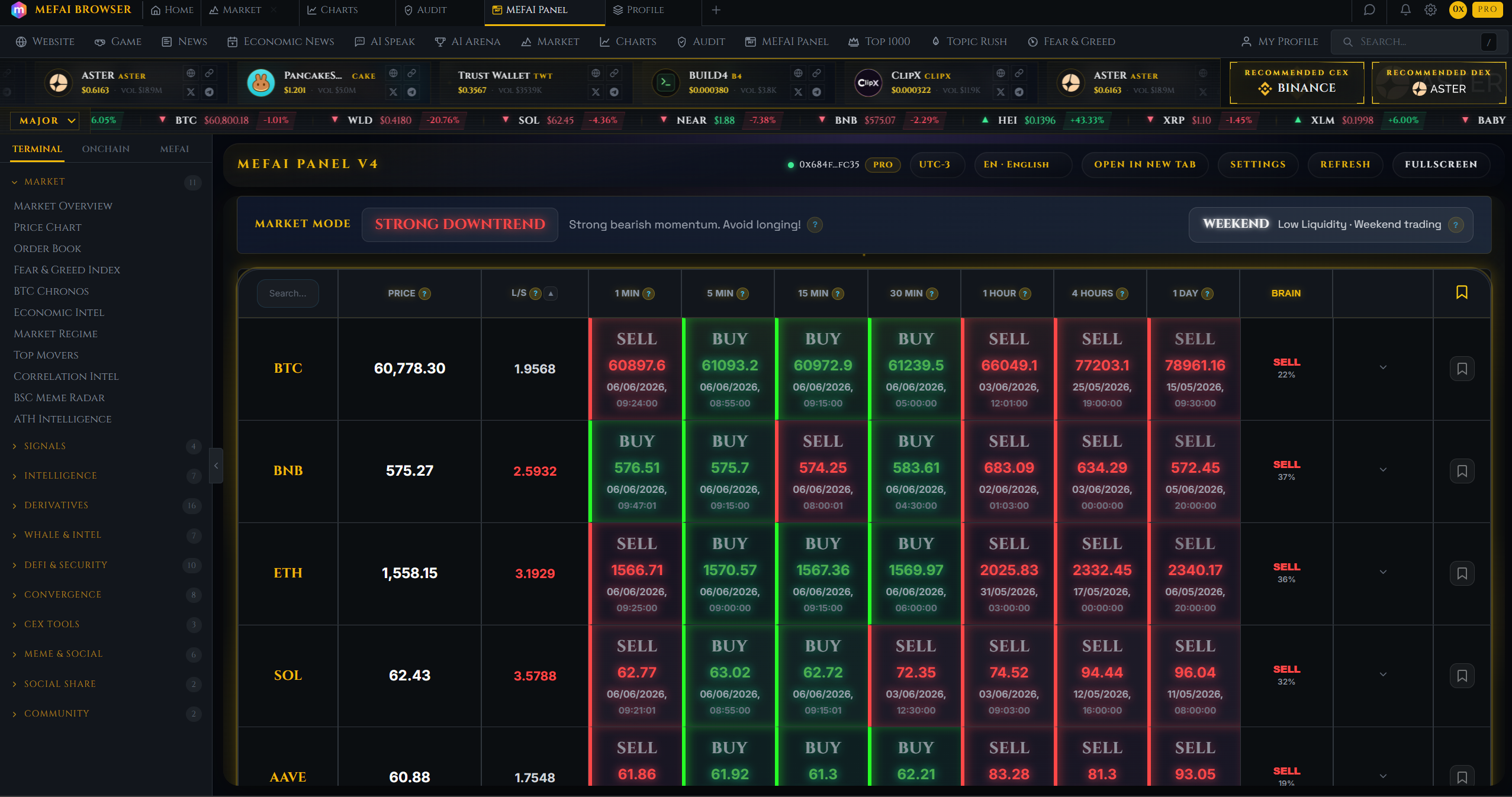

Real results from MEFAI's AI. Get $50 off the Pro plan.
Sponsored · Past performance is not indicative of future results. Not financial advice.


What to watch next
• Wider Wear OS 7 rollout: Google’s release notes indicate that Wear OS 7 will expand to watches from Samsung, Fossil, Mobvoi and others starting in the second quarter of 2025. Brand‑specific features and staggered rollouts mean Pixel Watch users may see updates sooner than owners of competing devices.
• AI widgets and Wear OS 4.1: The upcoming AI widgets will require both Wear OS 7 and the latest Wear OS 4.1 firmware on the Pixel Watch line. Users should ensure their companion app is updated to avoid compatibility gaps.
• Developer momentum: With the new SDK in place, expect a wave of Live Update tiles from fitness, navigation and messaging apps. Developers using the Jetpack Wear library will find it easier to port existing Live Activities to the watch form factor.
• Battery‑saver APIs: Google is encouraging other Wear OS makers to adopt the same power‑management profiles, so future watches may show similar gains if they integrate the same chip‑level optimizations.
For Pixel Watch owners, the update is a clear value add today, especially for those who want up‑to‑the‑minute delivery or sports updates without reaching for a phone. The battery improvement is incremental but meaningful in a category where every extra hour matters, and the promise of AI widgets later this year keeps the roadmap interesting. If you own a Pixel Watch, check for the update and, while you wait, update your companion app and top‑prioritized apps to ensure the smoothest experience once Wear OS 7 lands on your wrist.
More in Software & SaaS

xAI’s Unpermitted Gas Turbines Spark Legal Fight Over Clean Air Act, National Security Claims
A NAACP lawsuit alleges xAI operated dozens of unpermitted gas turbines for a Mississippi data center powering Grok, while the US government claims shutting them down threatens national security and A
HPE’s Free VM Essentials Offer Is a Strategic Move in the VMware Battle—But Is It Enough?
HPE is giving away VM Essentials for a year as a direct challenge to VMware’s rising costs, but the offer’s limits and broader market dynamics raise questions about long-term impact.

Meta Adds AI Search Mode on Facebook That Uses Public Posts
Meta’s new AI Mode search on Facebook surfaces answers by analyzing public posts, blending AI-generated content with traditional search results.