
Valve’s Steam Controller Delays Reveal a Broader Shift in Gaming Hardware Strategy
By Mag-Info Tech editorial · 2026-06-19
Valve’s recent update on Steam Controller reservations has laid bare the long tail of supply chain disruptions and shifting market dynamics in gaming hardware. Customers who placed reservations years ago are now seeing shipment estimates that stretch as far as 2027, a timeline that underscores how prolonged component shortages, logistical bottlenecks, and evolving consumer preferences have upended initial expectations. While the company now provides clearer visibility into delivery windows—grouping orders into three distinct timeframes—this transparency comes with a sobering acknowledgment: the dedicated gaming controller market is no longer a priority. The move is less about fulfilling backorders and more about recalibrating Valve’s role in the gaming ecosystem, away from hardware and toward software and platform control.
What makes this situation particularly notable is not just the delay itself, but the way it reflects broader trends across the gaming industry. Once a bold experiment in redefining PC gaming input, the Steam Controller has become a symbol of how quickly ambitions can stall when supply chains, cost structures, and user behavior shift. For consumers, the delays are a reminder of the risks inherent in pre-ordering niche hardware. For Valve, it’s a strategic inflection point—one that raises questions about the future of its hardware ambitions and the sustainability of building physical products in an era dominated by digital distribution and subscription services.
The New Reality: Staggered Shipments and Transparent Delays
Valve’s decision to categorize Steam Controller reservations into three shipping windows—by September 2026, by December 2026, or in 2027—represents a pragmatic response to a years-long backlog. This approach replaces vague promises with concrete, albeit distant, timelines. For customers, the news is a mixed bag: some will receive their controllers within two years, while others may wait nearly four years from their original reservation. The staggered system suggests that Valve has managed to secure limited production slots and is distributing them based on reservation priority or component availability. However, the absence of exact dates within each window introduces a layer of uncertainty—customers still cannot pinpoint delivery with precision, which complicates planning for gaming setups or travel.
The delays also highlight the fragility of long-term hardware commitments in a market where software and services increasingly dictate user engagement. Steam, Valve’s digital distribution platform, has thrived by focusing on software delivery, community features, and cloud-based gaming. The Steam Controller, by contrast, required dedicated hardware engineering, custom firmware, and a novel input method (the Steam Input system) that could work across a variety of devices. While innovative, the controller never achieved mainstream adoption, and its development was further complicated by global supply chain disruptions that began in 2020. These disruptions affected everything from semiconductor availability to shipping container capacity, making it difficult for even well-funded companies to meet hardware demand on schedule.
Why the Steam Controller Struggled to Meet Demand
The Steam Controller was announced in 2015 as part of Valve’s vision to unify PC and console-style gaming experiences. It featured dual trackpads, haptic feedback, and deep integration with Steam’s Big Picture mode, allowing users to play games without a traditional controller. However, the product’s complexity and niche appeal created several challenges. The dual trackpads and haptic feedback required precise manufacturing tolerances, while the custom Steam Input software demanded continuous updates to maintain compatibility with new games. These factors increased production costs and extended development timelines.

Additionally, the gaming market evolved rapidly during the controller’s gestation period. Cloud gaming services like Xbox Cloud Gaming and Nvidia GeForce Now reduced the need for dedicated local hardware, while subscription models such as Xbox Game Pass shifted spending away from one-time purchases toward recurring fees. The rise of mobile gaming and touch-based interfaces further diminished the perceived necessity of a dedicated controller for many players. By the time the Steam Controller was ready for mass production, the window for its success had narrowed significantly. The pandemic-era supply chain crisis only exacerbated these issues, delaying component sourcing and assembly.
What This Means for Consumers and Resellers
For consumers who reserved a Steam Controller years ago, the updated shipping estimates are a double-edged sword. On one hand, Valve is providing clarity where there was previously silence—a rare and valuable gesture in an industry known for opaque pre-order policies. On the other hand, the delays force buyers to reconsider their gaming setups. Those who planned to use the controller for specific games or as part of a living-room gaming PC may now need to adopt alternative input methods, such as Xbox or PlayStation controllers, or rely on keyboard and mouse. The extended wait also raises concerns about the controller’s long-term relevance: will it still meet performance expectations by 2026 or 2027, given how quickly gaming peripherals and software evolve?
Resellers and secondary markets could see an opportunity in the interim. Controllers that do ship may become collector’s items or command premium prices on resale platforms. However, the risk of obsolescence looms large. If Valve ultimately cancels remaining orders or pivots away from hardware entirely, early adopters could be left with unsellable inventory. This scenario is not unprecedented in tech history—companies have abandoned niche hardware lines after years of delays, leaving customers stranded. For now, consumers are advised to monitor Valve’s official communications closely and consider whether alternative controllers can meet their needs in the interim.
Valve’s Strategic Pivot: From Hardware to Software Ecosystem
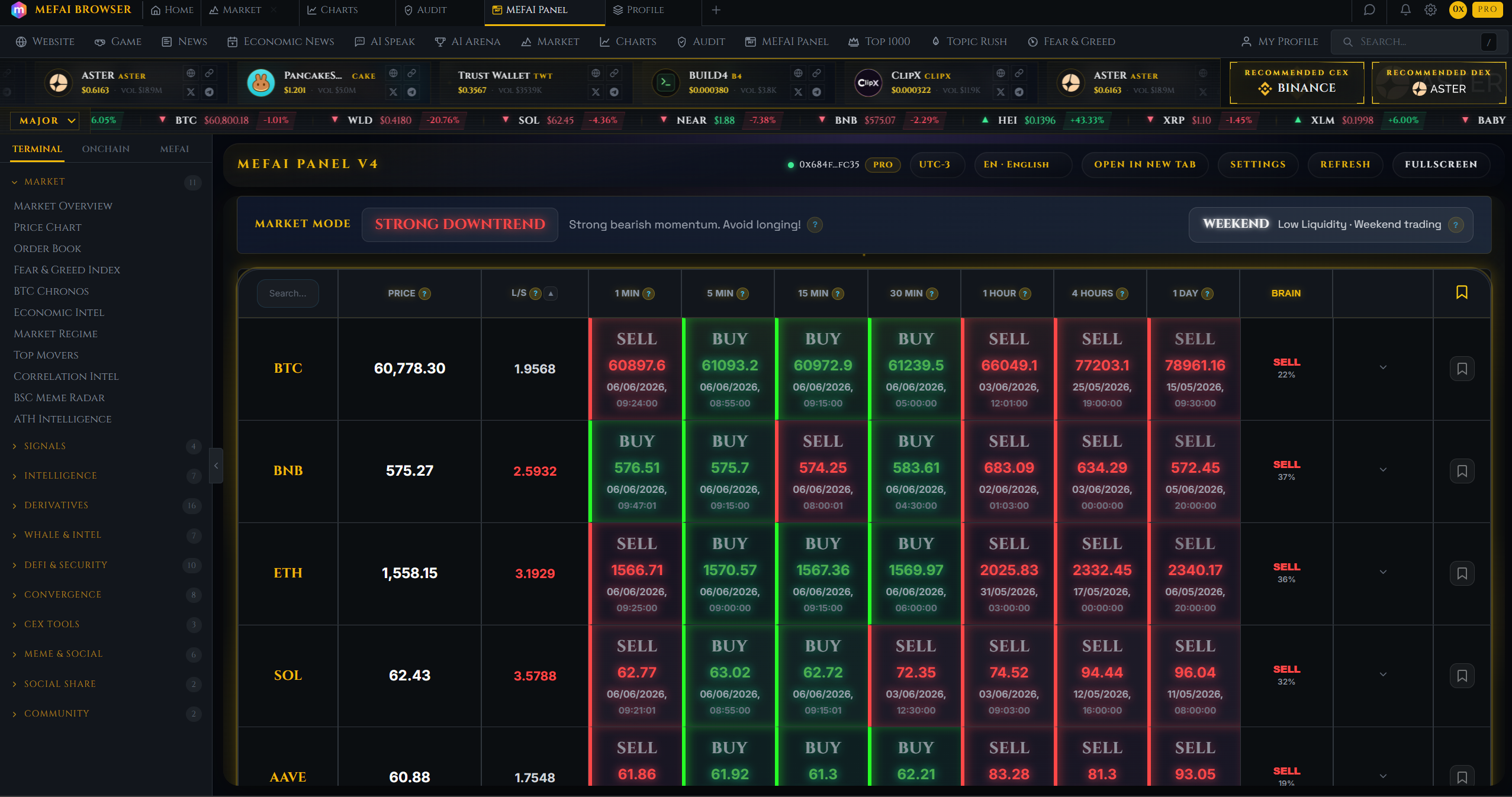
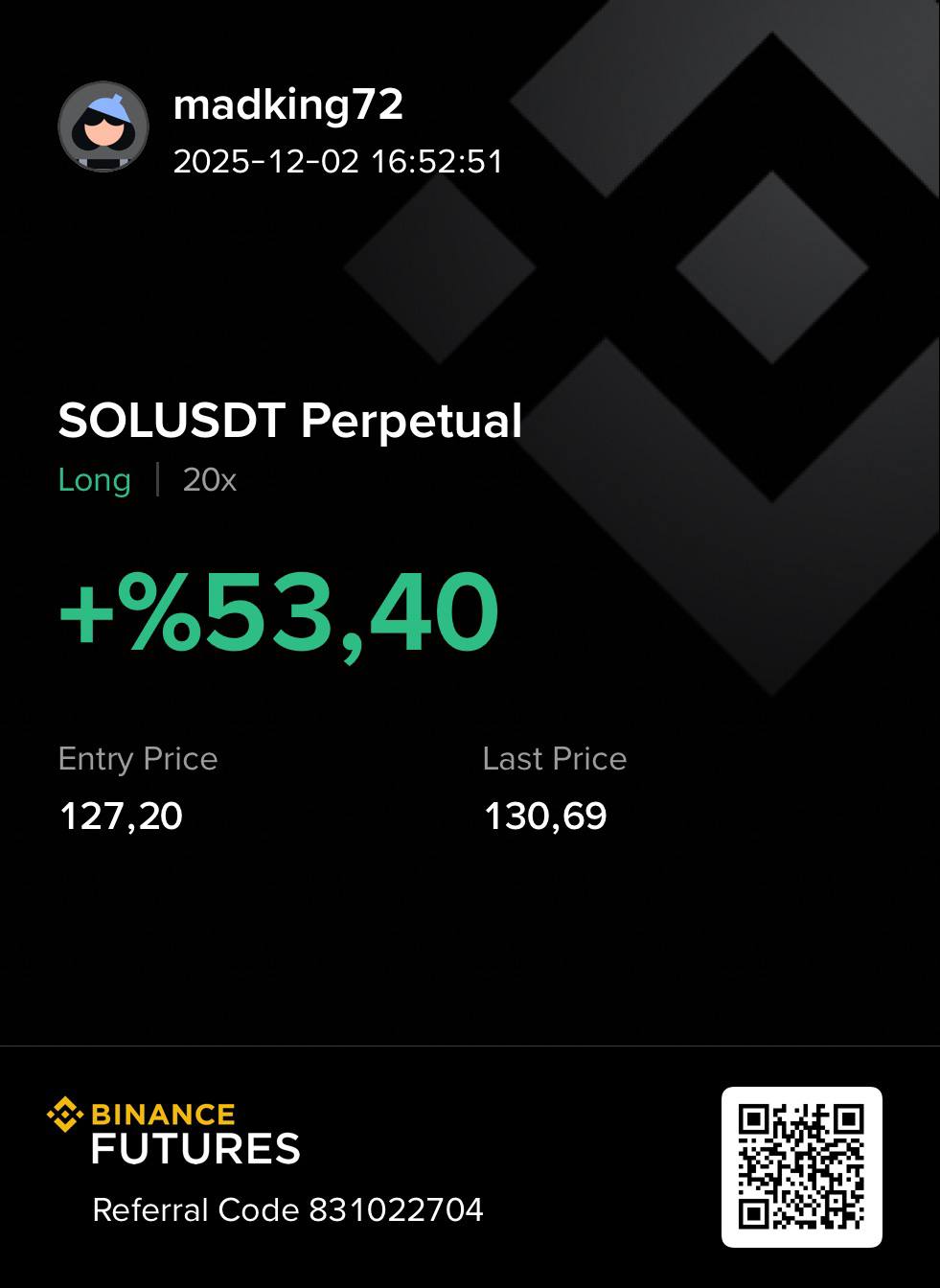
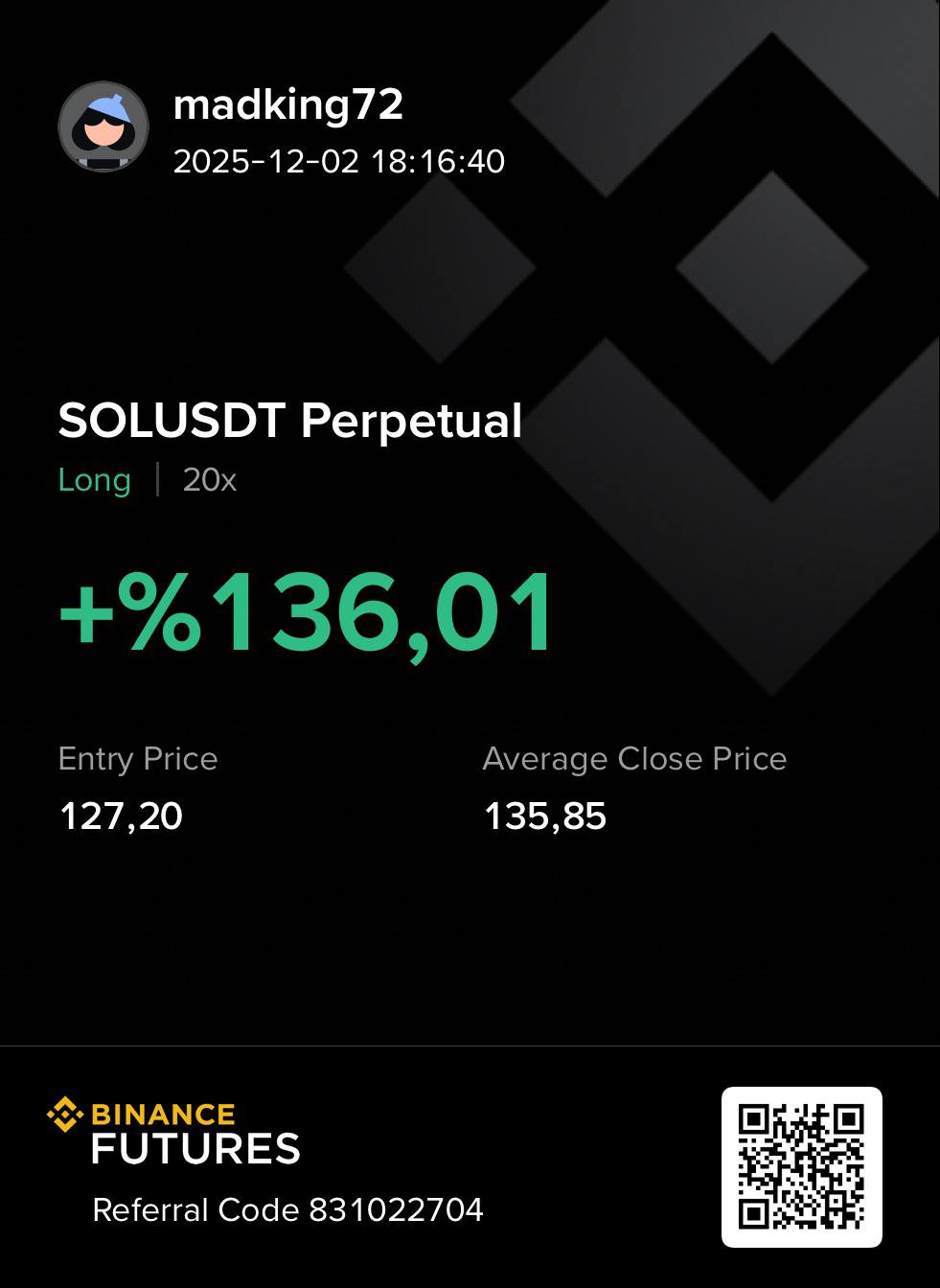
Real results from MEFAI's AI. Get $50 off the Pro plan.
Sponsored · Past performance is not indicative of future results. Not financial advice.

Valve’s handling of the Steam Controller delays reveals a deeper strategic shift. The company has long been associated with hardware experiments—from the Steam Deck to the Steam Controller—but its core strength lies in software and platform control. The Steam Deck, a handheld gaming PC, has been far more successful than the Steam Controller, blending Valve’s software expertise with commodity hardware components. This suggests that Valve is increasingly focusing on devices that leverage its existing strengths in operating systems, storefront integration, and cloud services rather than pioneering entirely new input methods.

The Steam Controller’s struggles may have reinforced this lesson. Building innovative hardware is capital-intensive, risky, and increasingly difficult in a supply chain landscape dominated by geopolitical tensions and component shortages. By contrast, software platforms like Steam and Proton can scale globally with minimal marginal cost. Valve’s decision to provide transparent—but distant—shipment windows for the Steam Controller may be less about fulfilling the backlog and more about gracefully exiting a hardware line that no longer aligns with its strategic priorities. This approach allows Valve to honor existing commitments without overextending resources on a product with diminishing returns.
Broader Implications for the Gaming Hardware Industry
Valve’s situation is not unique. Other companies have scaled back or canceled hardware initiatives due to supply chain constraints and shifting market demands. For instance, companies that invested heavily in VR headsets during the mid-2010s faced challenges when component costs remained high and consumer adoption lagged. Similarly, companies that bet on foldable smartphones or niche gaming peripherals have had to reassess their strategies. The gaming hardware market, in particular, is highly sensitive to economic cycles, technological disruption, and platform holder policies (such as Microsoft’s acquisition of Activision Blizzard or Sony’s focus on PlayStation exclusives).
The Steam Controller delays also highlight the growing importance of modularity and software-defined inputs. Modern gaming platforms increasingly rely on software layers that can emulate controllers, remap inputs, or support third-party devices. This reduces the need for dedicated hardware and allows users to adapt existing peripherals to new use cases. Valve’s Steam Input system, which enables users to configure almost any controller to work with Steam games, exemplifies this trend. By decoupling input methods from hardware, Valve can maintain flexibility without bearing the full cost of manufacturing custom devices.
What to Watch Next: Signals of Valve’s Hardware Future
Several signals could indicate whether Valve plans to continue investing in hardware or double down on software and platform services. First, the company’s next major hardware release—whether a successor to the Steam Deck or a new peripheral—will reveal its appetite for physical products. If Valve focuses on iterative improvements to the Steam Deck rather than radical new designs, it would suggest a preference for proven, scalable hardware lines. Second, Valve’s communication around the Steam Controller’s remaining backlog will be telling. If the company begins offering refunds or alternatives to customers, it could signal an intent to close the chapter on this product line.

Another key area to monitor is Valve’s work on operating systems and software platforms. The company’s investment in Linux-based gaming (via Proton and SteamOS) and its push for cloud gaming integration demonstrate a commitment to reducing hardware dependencies. If Valve continues to expand these software layers, it would reinforce the idea that the future of gaming lies in flexible, software-defined experiences rather than rigid, dedicated hardware. Finally, partnerships with manufacturers or original equipment vendors (OEMs) could indicate whether Valve plans to outsource hardware development while retaining control over software and services.
Practical Advice for Gamers and Enthusiasts
For gamers considering whether to wait for the Steam Controller or explore alternatives, the following steps can help clarify the best path forward:
- Assess your setup needs: If you primarily game on a desktop or console, a traditional controller (Xbox, PlayStation, or Nintendo Switch Pro) may suffice. The Steam Controller’s unique trackpads are impressive but not essential for most titles.
- Evaluate cloud gaming options: Services like Xbox Cloud Gaming, GeForce Now, or Amazon Luna allow you to stream games to various devices, reducing the need for dedicated hardware. If you’re open to cloud-based gaming, a simple controller or even touch controls might meet your needs.
- Monitor Valve’s official channels: Valve typically announces hardware updates via its blog and Steam community pages. Watch for updates on Steam Controller shipments, refund policies, or new hardware releases.
- Consider the Steam Deck: If you’re looking for a portable PC gaming solution, the Steam Deck remains Valve’s flagship hardware product. Its modular design and strong software support make it a more future-proof investment than the Steam Controller.
- Explore third-party alternatives: Companies like 8BitDo and Razer offer controllers with customizable firmware and Steam Input compatibility. These devices can replicate many of the Steam Controller’s features without the wait or risk of obsolescence.
Ultimately, Valve’s staggered Steam Controller shipments are more than a logistical headache—they are a case study in the challenges of hardware innovation in a software-dominated world. For consumers, the delays underscore the importance of flexibility and adaptability in gaming setups. For Valve, the situation provides an opportunity to refocus on areas where it excels: software, platforms, and ecosystem control. As the gaming industry continues to evolve, the lessons from the Steam Controller’s struggles may well shape the next generation of gaming hardware—and the companies that dare to build it.
More in Software & SaaS

Bose’s Push Into Media: Can a Hardware Maker Build a Sustainable Content Business?
Bose is launching a record label, podcast network and film studio under Bose Studios, betting its brand and hardware can create a sustainable media business beyond speakers and headphones.

What a Glitchy Philly Duo’s Debut EP Says About AI’s Role in Modern Music Creation
A Philadelphia brother-sister duo’s genre-mashing debut EP shows how AI tools are quietly reshaping music production, from sound design to distribution.

Federal Grants Revive Repeatedly Cited Coal Plants Despite Environmental Violations
Federal grants are funding coal plants with histories of Clean Air and Clean Water Act violations, reversing planned closures and extending operations despite persistent pollution issues.