Prime Day Gaming Deals: Where to Focus Your Savings on Switch 2, PS5, and Xbox Games
By Mag-Info Tech editorial · 2026-06-24

Prime Day is a reliable moment to refresh a console library with recent titles at reduced prices, and this year’s event is no exception. Discounts are concentrated on games released in the last few years for the Nintendo Switch 2, PlayStation 5, and Xbox Series X|S. Most offers target physical copies, but digital versions occasionally undercut those prices, creating an opportunity to pick up or complete sets at lower cost. For players building a backlog or looking to gift a favorite title, the timing is practical; for those already invested in a platform, it’s a chance to expand a collection without stretching budgets.
The discounts are not on the consoles themselves—expect no price cuts on the Switch 2, PS5, or Xbox Series X|S hardware during Prime Day. Instead, retailers are focusing on software, accessories, and bundles. This strategy aligns with seasonal shopping habits: many players use Prime Day to update their libraries ahead of summer releases or holiday sales. For parents, gift-givers, or completists, the window offers a clear value proposition, especially when combined with fast shipping and easy returns through Amazon Prime.
How the Discounts Are Structured Across Platforms
Retailers typically cluster deals by platform, making it easier to compare offers within ecosystems. For the Nintendo Switch 2, discounts are strongest on first-party Nintendo titles and popular third-party releases from the past two years. These include major Nintendo franchises and well-reviewed indie games that have sold consistently since launch. On PlayStation 5, the focus is on first-party Sony exclusives and high-demand third-party blockbusters, many of which have seen price drops of 20–30 percent during past Prime Day events. Xbox Series X|S deals skew toward Microsoft first-party titles and multiplatform releases, with additional discounts on Xbox Game Pass subscriptions and add-ons.
Physical copies are the most visible bargains, often listed at or below wholesale cost to clear inventory before new releases. Digital versions are less frequently discounted, but when they are, the savings can be meaningful—sometimes matching or beating physical prices after accounting for tax and shipping. This creates a trade-off: physical copies offer resale value and collectibility, while digital versions provide instant access and cloud saves. Players should check both formats before purchasing, especially for titles they plan to keep long-term.
What to Prioritize: First-Party vs. Third-Party Titles
First-party exclusives from Nintendo, Sony, and Microsoft usually see the deepest discounts during Prime Day. These games drive platform loyalty and are often bundled with demos or bonus content. Examples include Nintendo’s first-party sports, adventure, and Mario titles; Sony’s narrative-driven exclusives; and Microsoft’s open-world and RPG releases. These games tend to hold their value better over time, making them solid investments even if played years later.

Third-party titles are also discounted, but the depth and duration of deals vary by publisher. Ubisoft, EA, and Activision frequently participate, offering price reductions on annual releases or popular franchises. However, these discounts are often short-lived and may not recur until Black Friday or holiday sales. Players should prioritize third-party games they’ve been eyeing for months, as the savings are real but not guaranteed to repeat soon.
Digital vs. Physical: Which Format Wins on Prime Day?
Physical copies dominate Prime Day listings, especially for new and recent releases. Retailers use these discounts to clear excess stock and make room for new arrivals. Physical games also benefit from Amazon’s fast shipping and easy returns, which can be decisive for buyers who want immediate access or the option to resell later.
Digital versions, when discounted, can be a better deal—especially for players who already own consoles and prioritize convenience. Digital purchases are instant, carry no risk of damage or loss, and can be redeemed across multiple consoles if the platform allows. However, digital discounts are less frequent and may require manual price checking across multiple storefronts. Players should compare Amazon’s digital price against other platforms like PlayStation Store, Xbox Store, and Nintendo eShop to confirm the best offer.
Accessories and Bundles: Extra Value Beyond Games
Prime Day isn’t just about games—accessories and bundles often see meaningful discounts. Controllers, headsets, carrying cases, and charging docks are frequently bundled with games at reduced prices. For example, a game plus a Pro Controller or an extra DualSense may cost less than buying them separately at full price. These bundles are especially useful for gift-giving or upgrading equipment ahead of a new title.
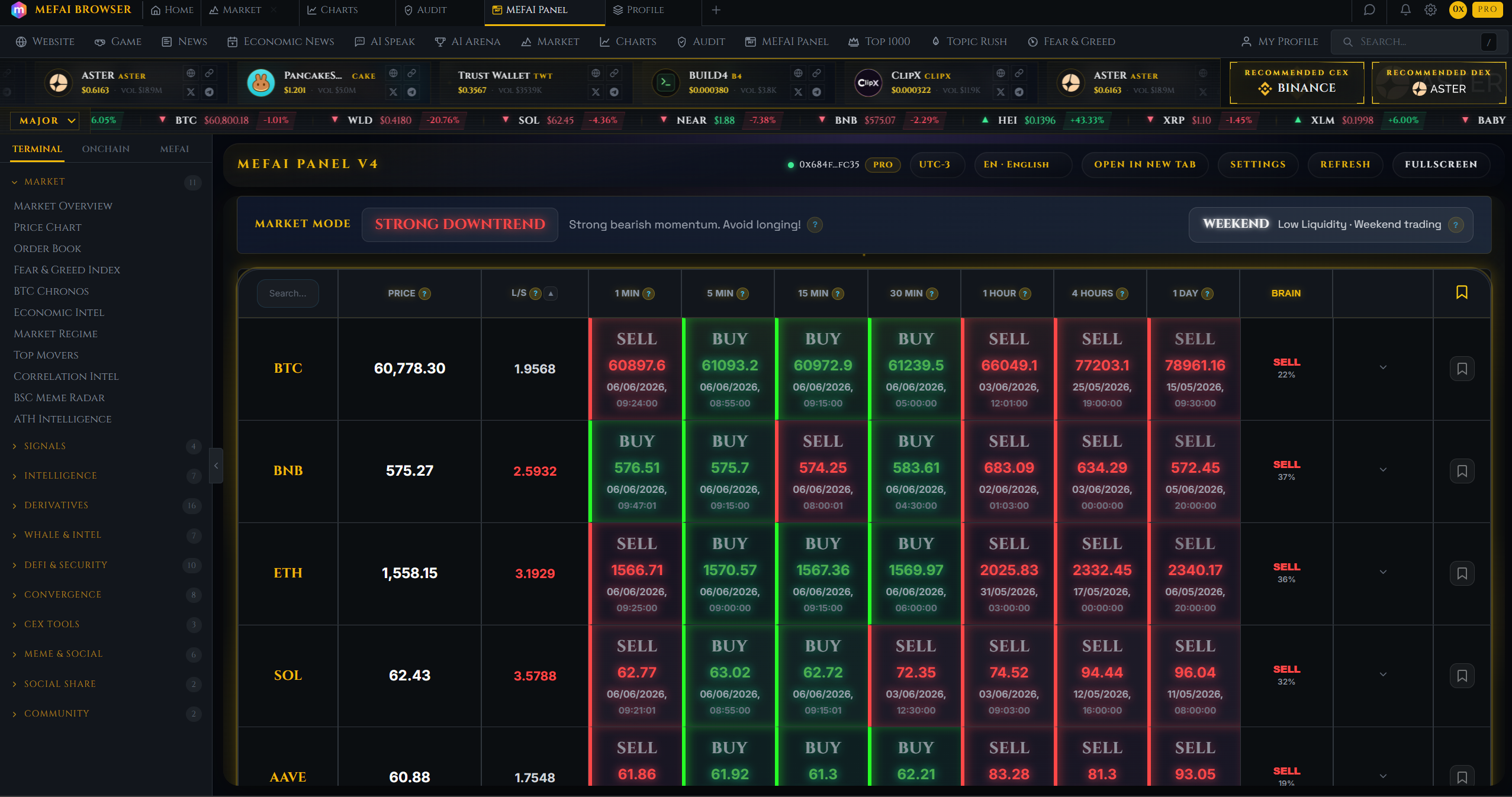
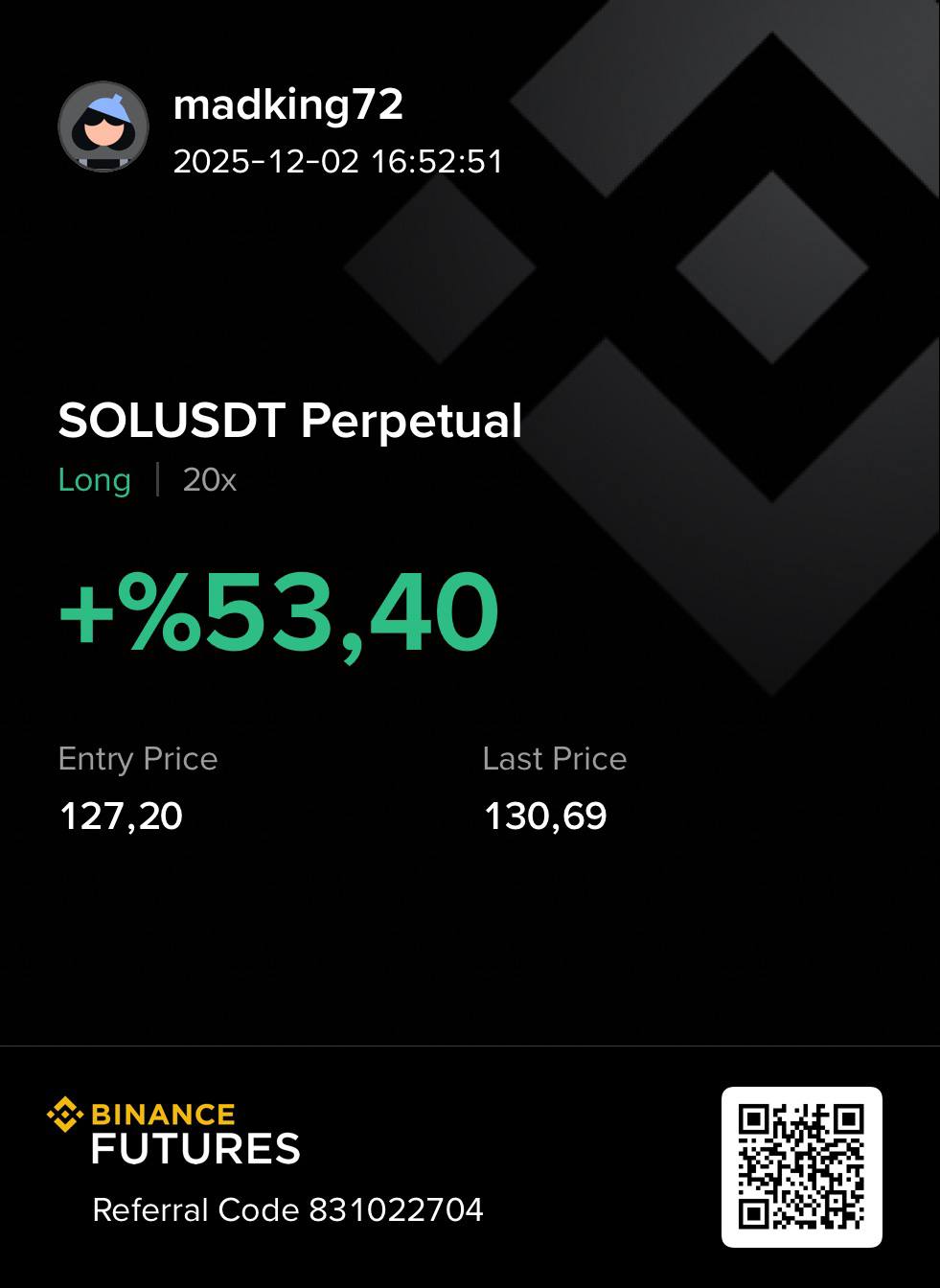
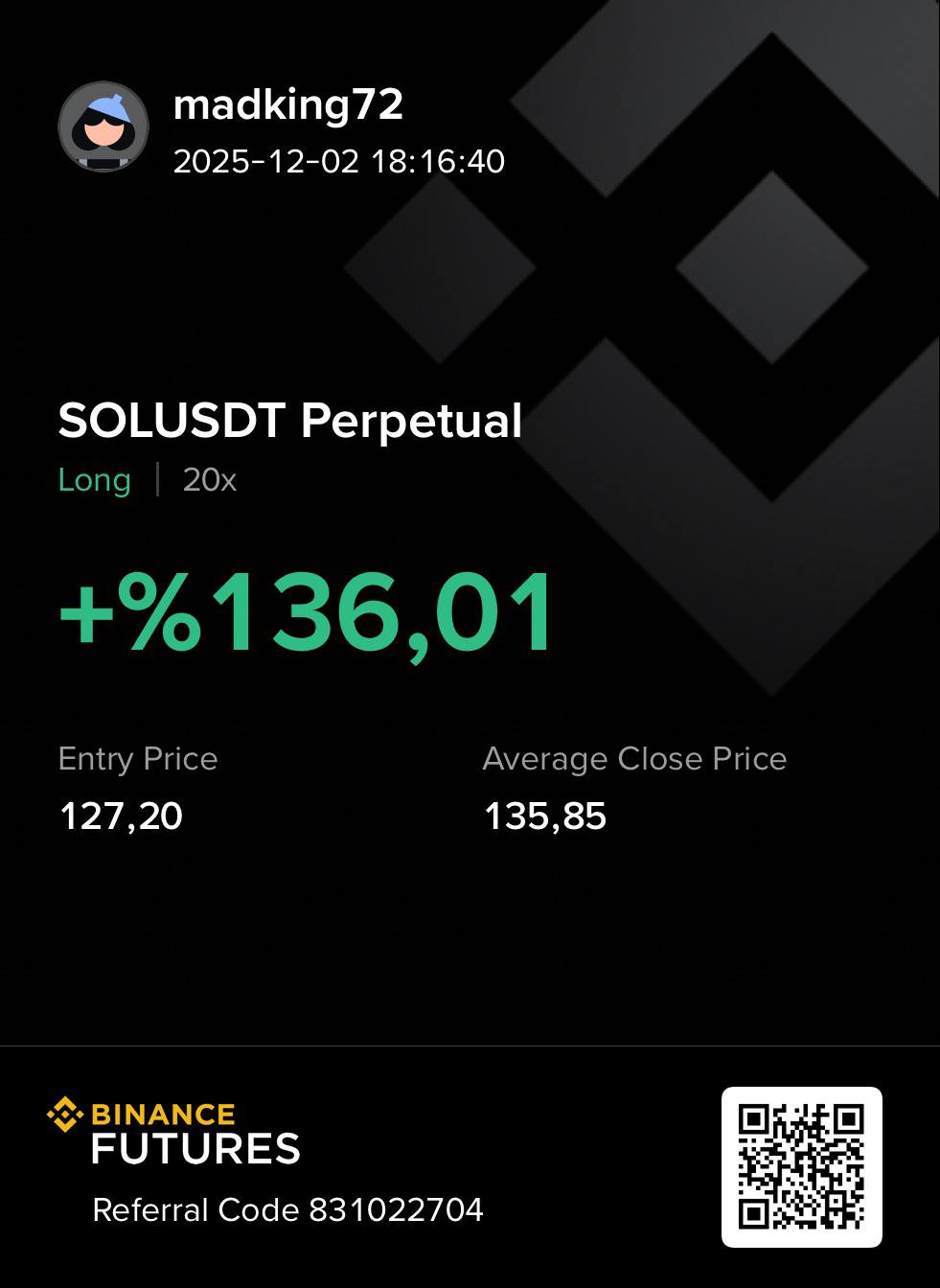
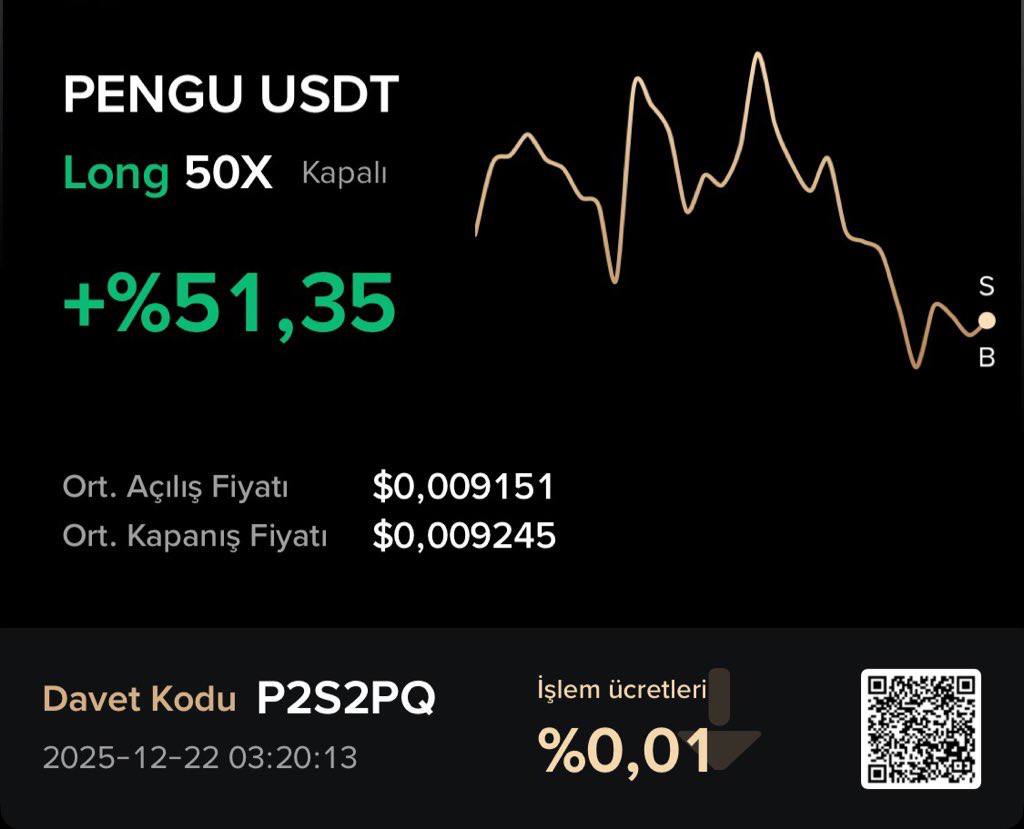
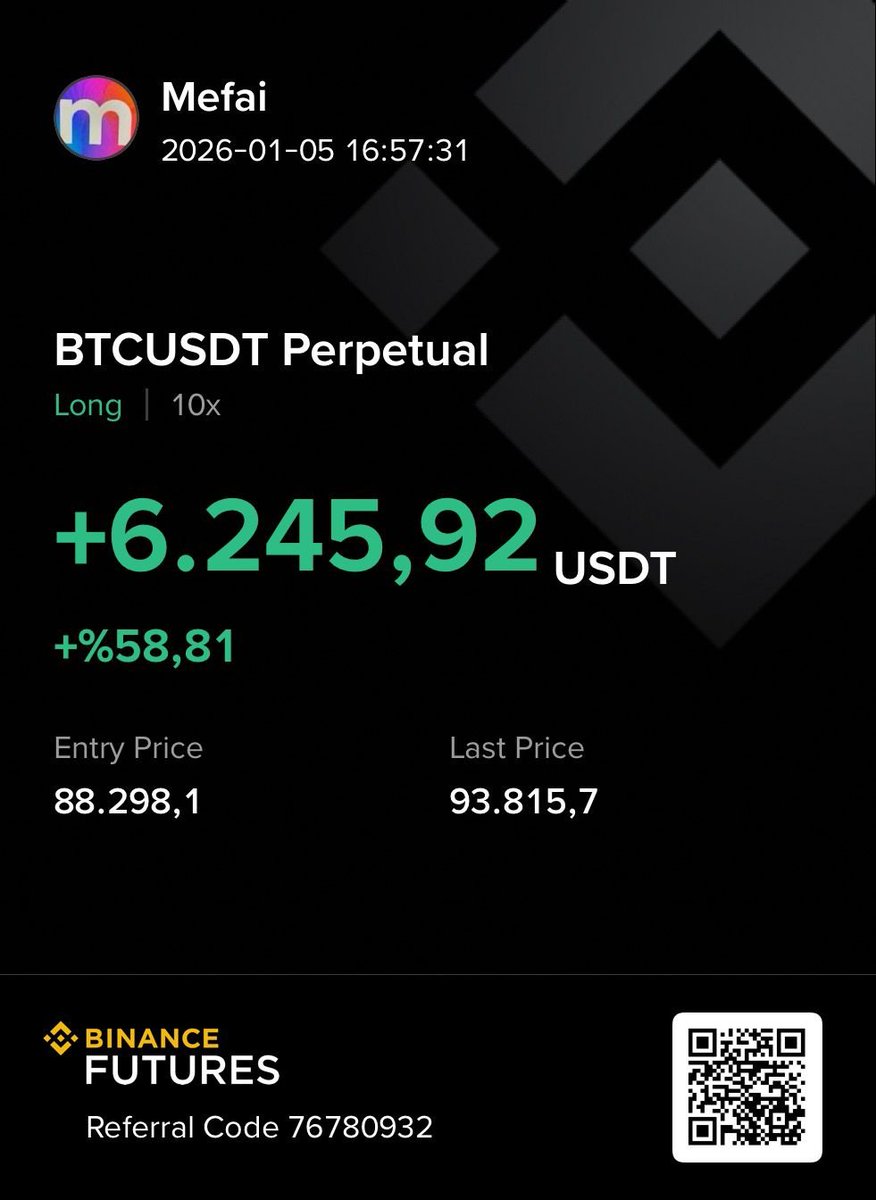
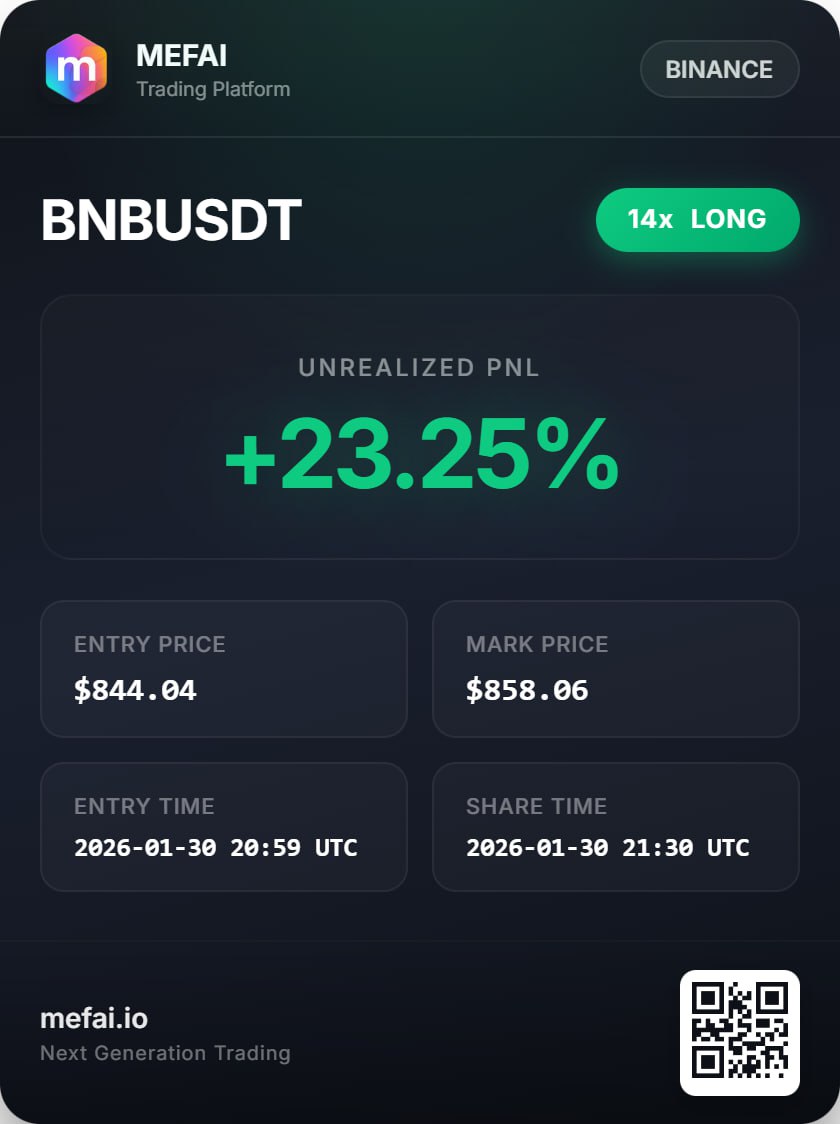
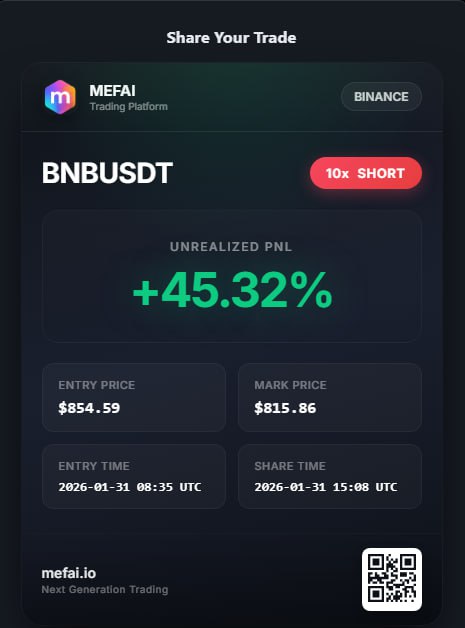
Real results from MEFAI's AI. Get $50 off the Pro plan.
Sponsored · Past performance is not indicative of future results. Not financial advice.


Storage expansions are another smart buy during Prime Day. External SSDs for PS5 and Xbox Series X|S can drop below $80, offering a cost-effective way to store more games without deleting old saves. Nintendo Switch 2 owners should look for microSD cards with high-speed ratings, as the system supports expandable storage for digital downloads. These accessories have long lifespans and can be used across multiple devices, making them practical investments.
How to Avoid Common Prime Day Pitfalls
The biggest risk during Prime Day is overbuying due to perceived urgency. Retailers use countdown timers and “limited-time” labels to create pressure, but most game discounts are available for at least 24 hours. Players should resist impulse purchases on titles they haven’t researched or don’t genuinely want. A discounted game that sits unplayed is not a real saving.
Another trap is assuming all platforms are equally discounted. In practice, Sony and Microsoft often lead with deeper cuts on first-party titles, while Nintendo’s discounts are more modest and focused on first-party releases. Xbox benefits from Game Pass promotions, which can include free months or discounted add-ons. Buyers should compare prices across platforms before committing, especially if they own multiple consoles.
What Comes Next: Price Patterns After Prime Day
Historical patterns suggest that prices on discounted games tend to stabilize or rise slightly in the weeks after Prime Day, with new lows more likely during Black Friday or holiday sales. However, some titles—especially those tied to seasonal events or new releases—may see flash sales or price drops again in late summer or early fall. Players who miss Prime Day should monitor price-tracking sites and set alerts for specific games.

For collectors and completionists, physical copies of recent releases are the safest bet, as they retain resale value and are less prone to regional price fluctuations. Digital buyers should watch for regional pricing differences and seasonal sales like Steam Summer Sale or Xbox Ultimate Game Sale, which can offer deeper discounts outside of Prime Day.
Practical Takeaways for Shoppers
Start by making a shortlist of games you’ve been waiting to buy or play. Check both physical and digital versions on Amazon, comparing prices after tax and shipping. Use price-tracking tools or browser extensions to monitor fluctuations before and during Prime Day.
Focus on first-party exclusives and high-demand third-party titles, as these are most likely to see meaningful discounts. If you’re buying for someone else, consider a gift card or a bundle that includes a game and an accessory—this adds perceived value without increasing cost.
Finally, set a budget and stick to it. Prime Day’s convenience and urgency can lead to overspending, especially with free shipping and easy checkout. Prioritize games that offer long-term replay value or are tied to ongoing platforms, and avoid buying duplicates unless you’re certain the offer is exceptional.
The Prime Day gaming window is brief but predictable. By approaching it with a plan, comparing formats, and focusing on value—not just price—players can build stronger libraries without breaking the bank.
More in Software & SaaS

How Prime Day Discounts Affect Software and SaaS Buyers: What to Watch and When to Buy
Prime Day’s software and SaaS discounts are limited but can reveal long-term pricing trends; here’s what buyers should track and when to act.

Prime Day Discounts Bring Robot Vacuums Within Reach — What to Look for Before You Buy
Prime Day discounts make advanced robot vacuums from Roborock, Dreame and others more affordable, but performance, navigation and battery life still matter most.
Apple Watch SE 3 Hits $199: Why This Budget Model Now Looks Like a Steal
The Apple Watch SE 3 price has fallen to $199, making it a rare budget smartwatch with modern health and connectivity features that were once premium-only.