
Why Experimental Music Tools Are Becoming a New Frontier for Software Creators
By Mag-Info Tech editorial · 2026-06-21

Experimental music is no longer confined to dusty studios and avant-garde circles. It’s now a visible force on YouTube, Twitch, and streaming platforms, where creators like Hainbach blend science, nostalgia, and DIY engineering to craft sounds that defy traditional synthesis. His approach—using telephone line testing devices, modular synths, and even Swiss Army knives as rhythmic triggers—isn’t just performance art; it’s a signal that the tools of experimental music are evolving from boutique hardware into software ecosystems. For indie developers, this shift represents a growing niche: creators who crave unorthodox instruments and workflows are pushing software makers to build plugins, virtual instruments, and AI-assisted tools that turn unconventional inputs into playable music.
What’s driving this trend isn’t just artistic rebellion—it’s accessibility. Where once only engineers with access to rare gear could make these sounds, today’s software can emulate telephone line oscillators, emulate the unpredictable behavior of analog circuits, or even translate everyday objects into MIDI triggers. For creators who document their processes on platforms like YouTube, the ability to build custom instruments in software means faster iteration, lower costs, and the freedom to share techniques globally. That’s a powerful combination for a community that thrives on experimentation and transparency.
The Rise of the “Dark Souls” of Synthesis: Why Creators Seek Hard Mode Tools
Hainbach’s description of his workflow as the “Dark Souls of synthesis” isn’t hyperbole—it’s a reflection of the steep learning curve and deliberate constraints that define experimental sound design. Unlike mainstream digital audio workstations (DAWs), which prioritize efficiency and polished workflows, experimental tools often demand manual patching, signal routing through obscure modules, and tolerance for instability. These constraints aren’t bugs; they’re features. They force creativity out of predictable patterns and into uncharted territory.
For software developers, this presents an opportunity to cater to a growing audience of creators who view limitations not as obstacles, but as creative fuel. Tools that simulate the drift of analog circuits, the noise of aging telephone lines, or the unpredictable behavior of vacuum tube amplifiers are no longer novelties—they’re becoming essential for artists who want to replicate the tactile imperfections of vintage gear in a digital environment. The demand isn’t just for emulation, either. It’s for tools that can turn unconventional inputs—like a Swiss Army knife tapping on a table or a laser pointer modulating a light sensor—into musical data. That kind of flexibility requires software that can adapt to real-world signals, not just MIDI notes.
The implications for developers are clear: the market for experimental audio tools is expanding beyond hobbyists into a professional tier of creators who need reliable, creative software that doesn’t dumb down the process. Whether it’s a plugin that emulates the erratic behavior of a 1970s telephone line or a DAW extension that turns any audio input into a playable instrument, the tools of tomorrow are being shaped by artists who refuse to accept the limitations of traditional interfaces.
From Lab Gear to Plugins: How Software Is Emulating the Unpredictable
One of the most striking aspects of Hainbach’s work is his use of scientific instruments—like oscilloscopes and signal generators—as sound sources. These devices were never designed to make music, yet their analog behavior—drift, distortion, and instability—creates textures that digital synthesis often struggles to replicate. Software developers have taken notice. Today, there are plugins that simulate the behavior of these instruments, offering creators a way to access that sonic palette without needing a lab full of gear.
For example, software like Voltage Modular and Cherry Audio’s Synths have built ecosystems around virtual modular synths that mimic the idiosyncrasies of analog circuits. But the trend is moving further into the realm of emulation. Tools like Ripple Audio’s Synth1 and u-he’s Zebra2 don’t just replicate classic synthesizers—they offer features that encourage experimentation, such as self-modulating oscillators and feedback loops that can destabilize the sound in controlled ways. These aren’t just tools for making music; they’re instruments for exploration.

The shift toward emulating unpredictable systems is also evident in the rise of “glitch” and “bit-crushing” plugins, which intentionally introduce artifacts into audio signals. These tools aren’t just for sound design—they’re becoming part of the compositional process. For creators who document their workflows on platforms like YouTube, the ability to show real-time sound generation using these tools adds a layer of immediacy and transparency that resonates with audiences hungry for authenticity. It’s not enough to simulate perfection anymore; creators want tools that embrace imperfection as a creative force.
The YouTube Effect: How Streaming Is Fueling Demand for Niche Tools
Hainbach’s presence on YouTube isn’t incidental—it’s catalytic. His videos, which often blend tutorials, performances, and behind-the-scenes looks at his gear, have helped normalize experimental music as a form of entertainment. For every viewer who tunes in to hear a piece of music, there’s another who stays to learn how it was made. That audience is hungry for tools that match the creativity on display, and software developers are responding.
The YouTube ecosystem rewards creators who share their process, which in turn drives demand for the tools they use. When a creator like Hainbach demonstrates how to turn a telephone line tester into a sequencer, viewers don’t just want to hear the result—they want to replicate the process. That creates a feedback loop: creators push the boundaries of what’s possible with software, and developers build tools to meet those new demands. It’s a cycle that benefits both sides.
For indie developers, this represents a low-barrier entry into a growing market. Unlike traditional music software, which often requires massive investment in marketing and distribution, experimental tools can thrive in niche communities. A plugin that emulates a rare piece of lab equipment or a DAW extension that turns a smartphone into a controller can find an audience through word-of-mouth, YouTube tutorials, and streaming platforms. The key is authenticity: creators who genuinely innovate, rather than rehashing existing concepts, are the ones who build loyal followings.
Swiss Army Knives and Everyday Objects: The New Frontier of Input Devices
One of Hainbach’s most striking techniques is using everyday objects—a Swiss Army knife, a laser pointer, a piece of paper—as musical triggers. This isn’t just performance art; it’s a challenge to traditional notions of what a musical instrument can be. For software developers, this opens up a new frontier: tools that can turn any input into a playable signal.
The technology behind this isn’t new—devices like the Makey Makey have been around for years, allowing users to turn conductive objects into controllers. But the integration of these ideas into music software is accelerating. Tools like TouchOSC and Lemur allow creators to design custom interfaces that map unconventional inputs to MIDI or OSC signals. Meanwhile, AI-assisted tools are beginning to emerge that can analyze audio from any source—like a Swiss Army knife tapping on a table—and convert it into musical data in real time.
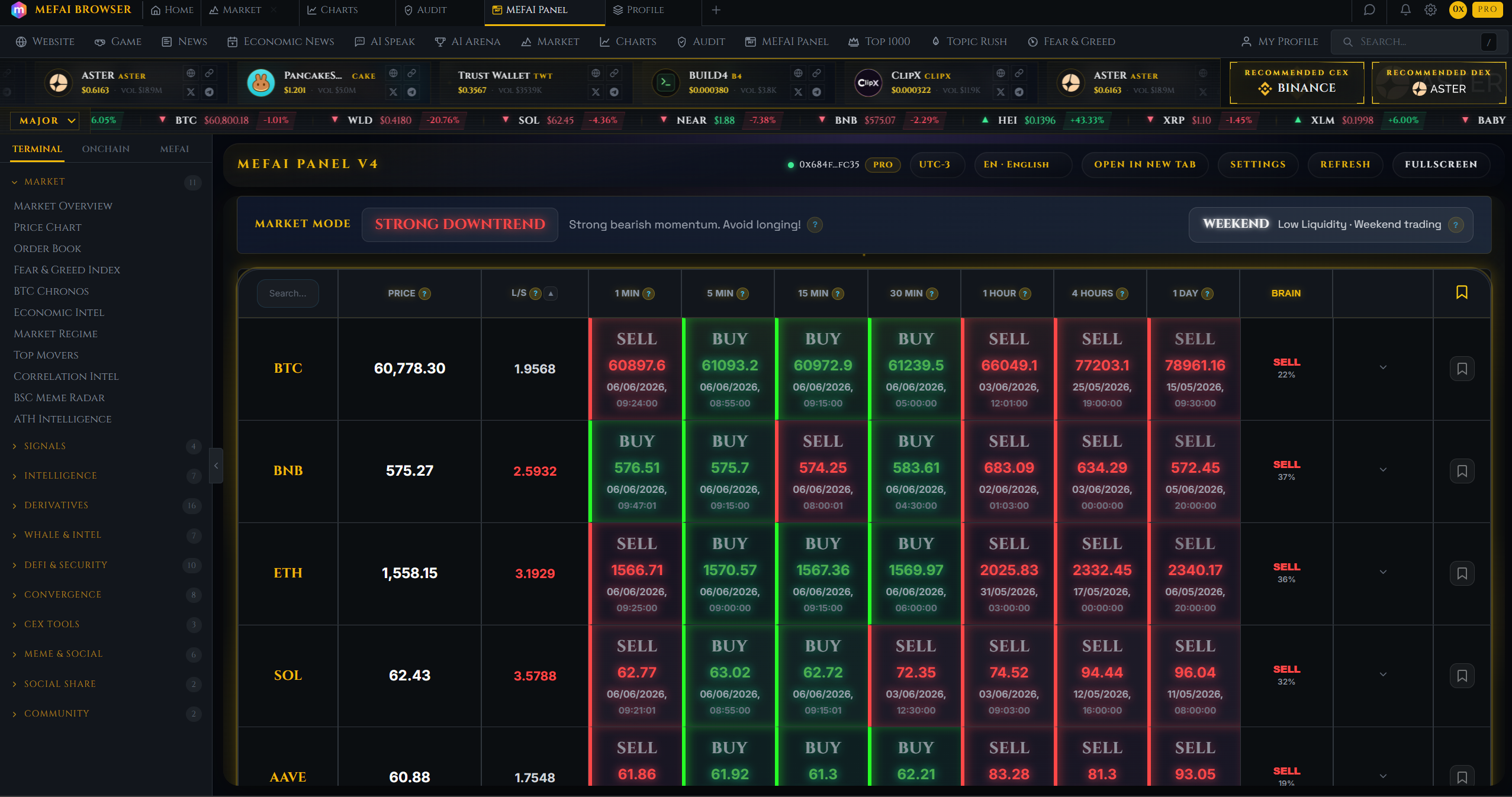





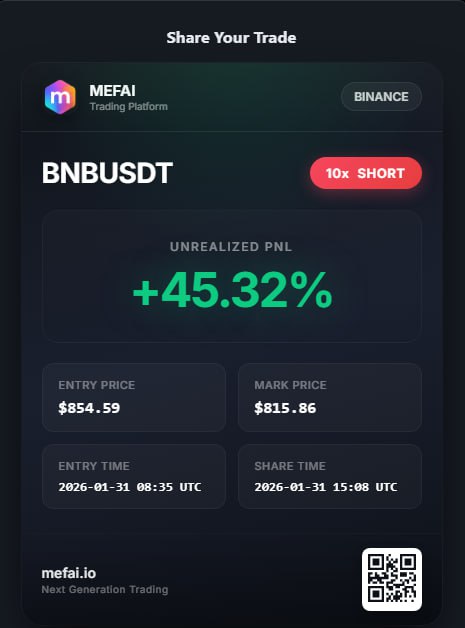
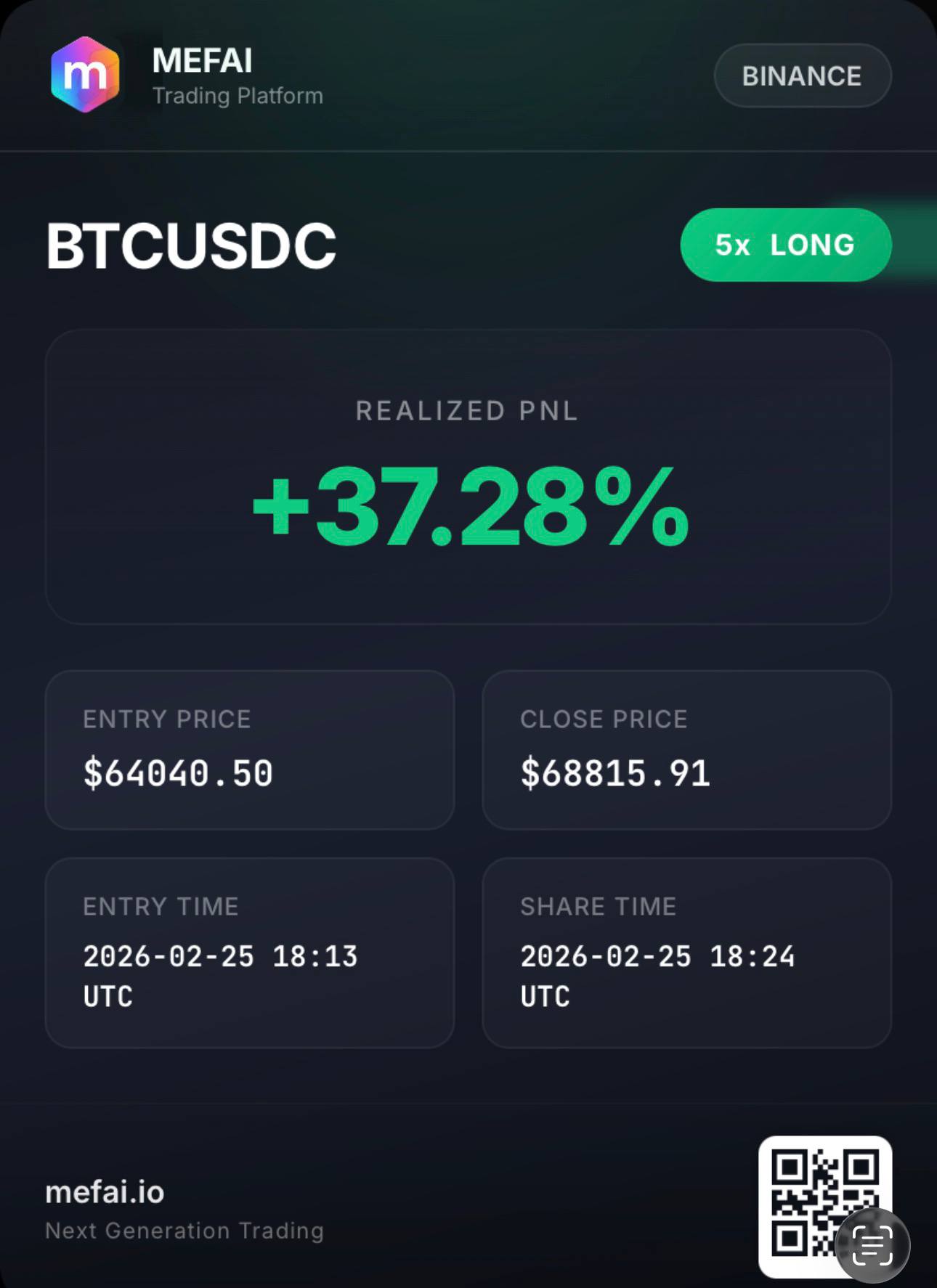
Real results from MEFAI's AI. Get $50 off the Pro plan.
Sponsored · Past performance is not indicative of future results. Not financial advice.

The implications for live performance are particularly exciting. Imagine a performer using a laser pointer to trigger samples, a Swiss Army knife to modulate effects, and a smartphone to control the overall mix—all processed through a single software interface. This isn’t science fiction; it’s already happening in experimental circles. For developers, the challenge is building software that’s flexible enough to handle these unconventional inputs while remaining stable and intuitive enough for live use.
The Business of Experimental Music: Opportunities for Indie Developers
The experimental music software market is still small compared to mainstream DAWs like Ableton Live or FL Studio, but it’s growing. According to industry analysts, the market for niche audio plugins and virtual instruments has seen steady year-over-year increases, driven in part by the rise of content creators who document their processes online. For indie developers, this represents an opportunity to carve out a niche in a space that’s underserved by major players.
One of the key advantages of targeting experimental musicians is that they’re often early adopters of new technology. They’re willing to pay for tools that offer unique features, even if those features come with a steeper learning curve. This creates a market where indie developers can thrive by focusing on innovation rather than mass appeal. Tools like Cableguys’ TimeShaper, which offers advanced modulation capabilities, or Output’s Portal, which turns any audio into a playable instrument, prove that there’s real demand for software that pushes boundaries.
Another advantage is the low cost of entry. Unlike traditional music software, which often requires expensive development cycles and marketing budgets, experimental tools can be built by small teams or even solo developers. The rise of open-source audio frameworks like JUCE and Faust has made it easier than ever to prototype and deploy audio plugins. For developers with a background in music or engineering, this is an opportunity to turn a passion for sound into a sustainable business.
Challenges and Considerations for Developers Entering the Space
While the opportunities are clear, developing software for experimental musicians isn’t without its challenges. One of the biggest is striking the right balance between innovation and usability. Experimental tools often require steep learning curves, which can alienate casual users. Developers need to design interfaces that are intuitive enough for beginners to experiment with, while still offering the depth that advanced users crave.
Another challenge is the lack of standardization in the experimental music community. Unlike mainstream DAWs, which have well-defined workflows and file formats, experimental tools often use custom mappings, proprietary formats, or unconventional signal routing. This can make interoperability a challenge, especially for creators who want to integrate multiple tools into a single workflow. Developers need to consider how their software will fit into existing ecosystems—or risk creating silos that limit adoption.
Finally, there’s the question of authenticity. The experimental music community is deeply skeptical of tools that feel gimmicky or inauthentic. Developers who build software that merely replicates existing concepts without adding something new are unlikely to gain traction. The key is to focus on solving real problems for creators—whether that’s emulating the unpredictability of analog gear, enabling new forms of input, or providing workflows that encourage exploration.

What’s Next: AI, Real-Time Processing, and the Future of Experimental Tools
The next frontier for experimental music software is likely to be driven by AI and real-time processing. Tools that can analyze audio in real time and suggest creative modifications—like turning a noise source into a melodic pattern—are already beginning to emerge. AI could also help bridge the gap between unconventional inputs and traditional music software, making it easier for creators to integrate Swiss Army knives, laser pointers, and other objects into their workflows.
Another area of growth is in hardware-software integration. Devices like the Teenage Engineering OP-1 and Korg’s NTS-1 are blurring the lines between hardware and software, offering creators new ways to interact with sound. For developers, this represents an opportunity to build tools that work seamlessly with these devices, or even create virtual instruments that emulate their behavior.
Ultimately, the rise of experimental music tools reflects a broader shift in how we create and consume music. Creators are no longer content with polished, predictable sounds—they want tools that reflect the unpredictability and creativity of the real world. For software developers, this is an invitation to build the instruments of tomorrow, today. Whether it’s a plugin that turns a telephone line into a sequencer or a DAW extension that maps everyday objects to musical data, the future of music software isn’t just about efficiency—it’s about exploration.
Practical Takeaways for Creators and Developers
For creators who want to dive into experimental music tools, the first step is to identify the workflows that excite you. Are you drawn to the sound of analog drift? Look for plugins that emulate vintage gear. Interested in unconventional inputs? Explore tools that support OSC or custom MIDI mappings. And don’t be afraid to experiment—many of these tools are designed to encourage exploration, not perfection.
For developers, the key is to focus on solving real problems for creators. Build tools that enable new forms of expression, whether that’s emulating the unpredictability of lab gear or enabling real-time processing of unconventional inputs. And don’t overlook the power of community—engage with creators on platforms like YouTube and Twitch, and be open to feedback. The experimental music community is small, but it’s passionate, and it’s hungry for innovation.
The tools of experimental music are no longer confined to the fringes. They’re becoming a mainstream force, driven by creators who refuse to accept the limitations of traditional interfaces. For software developers, this is an opportunity to build the future of music—one plugin, one experiment, one Swiss Army knife at a time.
More in Software & SaaS

Bose’s Push Into Media: Can a Hardware Maker Build a Sustainable Content Business?
Bose is launching a record label, podcast network and film studio under Bose Studios, betting its brand and hardware can create a sustainable media business beyond speakers and headphones.
What a Glitchy Philly Duo’s Debut EP Says About AI’s Role in Modern Music Creation
A Philadelphia brother-sister duo’s genre-mashing debut EP shows how AI tools are quietly reshaping music production, from sound design to distribution.

Federal Grants Revive Repeatedly Cited Coal Plants Despite Environmental Violations
Federal grants are funding coal plants with histories of Clean Air and Clean Water Act violations, reversing planned closures and extending operations despite persistent pollution issues.