
WD Black SN7100 SSD: What the 20% Price Drop Means for Gamers and Creators
By Mag-Info Tech editorial · 2026-06-21
The Western Digital Black SN7100 has moved from a premium option to a more accessible tier with a nearly 20% price cut on its 2 TB model, bringing it to $242.96. This change is more than a seasonal discount—it signals a strategic shift in the high-performance SSD market. For gamers, content creators, and power users, the timing matters because PCIe 4.0 SSDs are now mature enough to deliver near-flagship speeds without the flagship price. The SN7100’s blend of low operating temperature, strong efficiency, and PCIe 4.0 compatibility makes it a compelling choice, but only if it fits your workload and platform.
Why the SN7100 Stands Out Among PCIe 4.0 SSDs
The WD Black SN7100 is built on a PCIe 4.0 x4 interface, which allows it to push sequential read/write speeds up to 7,000 MB/s and 5,000 MB/s respectively under ideal conditions. That performance bracket is typically reserved for top-tier drives from multiple vendors, but the SN7100 achieves it while keeping power draw and heat output lower than many competitors. Independent reviews have noted sustained performance without throttling during long transfers, a common issue with drives that prioritize raw speed over thermal management. The controller inside uses a dynamic caching system that adapts to workloads, shifting between SLC and TLC modes to balance speed and endurance. This is especially useful in gaming and content creation, where large file operations are frequent.
One of the most underrated features of the SN7100 is its efficiency. In benchmarks, it consumes up to 30% less power during active use compared to similar PCIe 4.0 drives, which translates to lower heat output and quieter operation. For desktop users, that means less reliance on case fans and a cooler internal environment. For laptops, it can extend battery life during storage-intensive tasks like video editing or 3D rendering. The drive also supports hardware encryption via TCG Opal and hardware-based data path protection, adding enterprise-grade security without sacrificing speed. These qualities make it a rare product that bridges the gap between enthusiast hardware and professional reliability.
Who Should Consider the SN7100 Today
The SN7100 is most beneficial for users running demanding workloads on compatible platforms. Gamers with high-end PCs will notice faster level loads and smoother asset streaming, especially in open-world titles that rely on fast texture streaming. Content creators editing 4K or 8K video will see shorter render times and more responsive scrubbing in timeline editors like Adobe Premiere Pro or DaVinci Resolve. The 2 TB capacity is ideal for storing large project files, game libraries, and raw media without frequent archiving. However, the drive is not a universal fit. Users on older platforms limited to PCIe 3.0 will see limited gains, as PCIe 4.0 drives can bottleneck on older chipsets. Similarly, those working with extremely large datasets that exceed 2 TB may need a secondary drive or NAS solution.
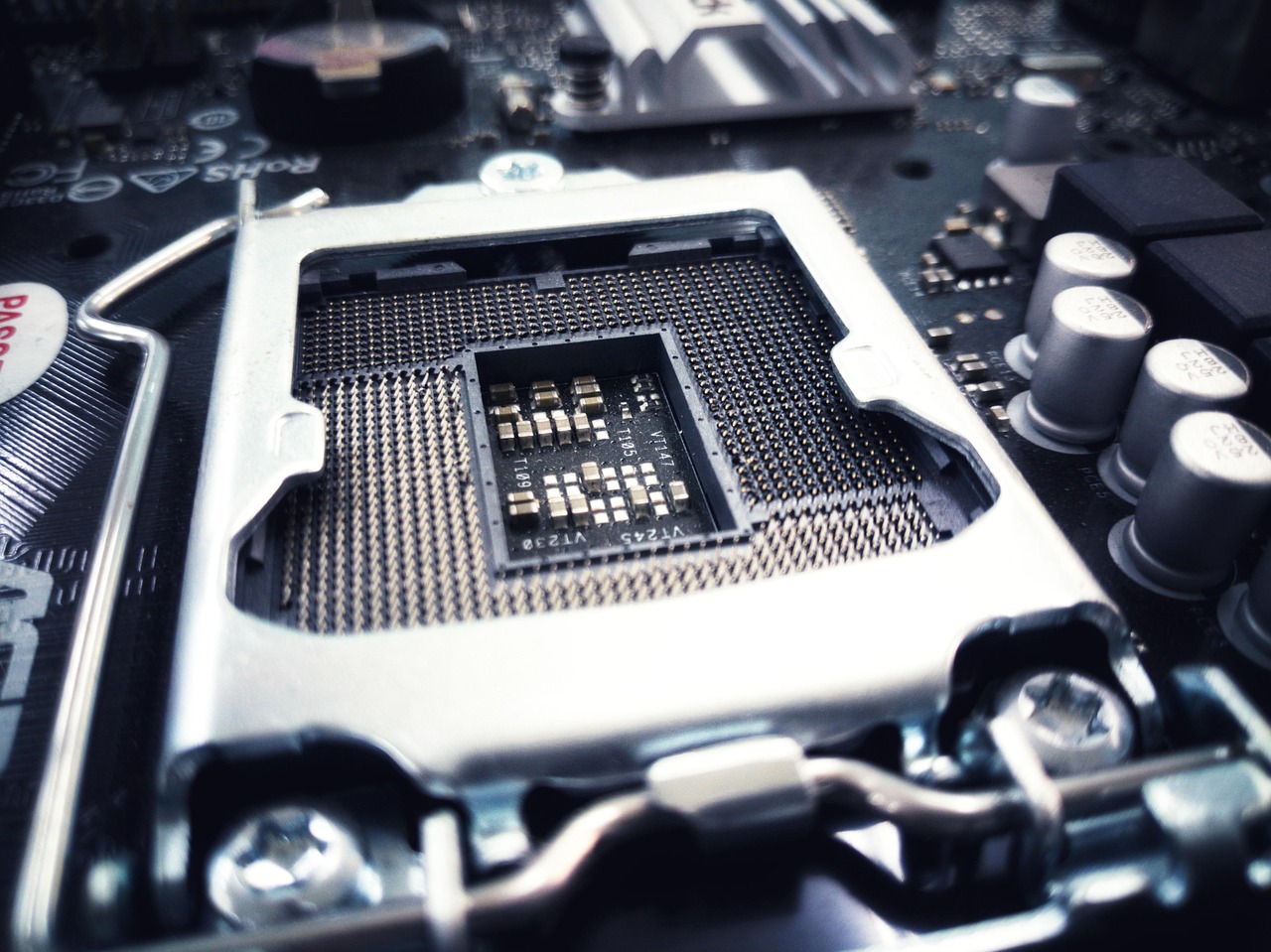
Another key consideration is platform support. The SN7100 requires a PCIe 4.0 x4 slot and a compatible CPU and motherboard, typically AMD Ryzen 3000/5000 series or Intel 11th/12th/13th/14th Gen processors paired with X570, B550, Z590, or newer chipsets. Laptop users should check their device’s specifications, as not all models support PCIe 4.0 SSDs. Installing the drive in an unsupported system may result in reduced speeds or compatibility issues. For users upgrading from a SATA SSD or HDD, the jump to PCIe 4.0 is significant, but for those already on PCIe 3.0, the real-world benefits may not justify the cost unless the workload is storage-bound.
The Price Drop: Market Timing and Real Value
The price reduction to $242.96 for the 2 TB model represents a nearly 20% discount from previous listings, positioning it closer to mid-range PCIe 4.0 drives while retaining high-end features. This move likely reflects inventory clearance ahead of Prime Day promotions, but it also signals broader market trends. PCIe 4.0 SSDs have matured, and competition has increased, pushing prices down across the board. However, not all drives in this class offer the same balance of speed, efficiency, and reliability. The SN7100’s price cut makes it competitive with drives like the Samsung 980 Pro and SK hynix Platinum P41, both of which have seen similar adjustments in recent months.
For buyers, the timing is favorable. The discount makes the SN7100 one of the most cost-effective ways to enter the PCIe 4.0 ecosystem without sacrificing performance. Historically, high-end SSDs have held premium pricing for months after launch, so a near-immediate reduction suggests either strong sales momentum or strategic pricing to capture market share. For budget-conscious power users, this is an opportunity to future-proof a system without overspending. For DIY builders, it’s a chance to allocate savings toward other components like GPUs or RAM. However, shoppers should remain cautious of counterfeit units, especially when purchasing from third-party sellers. Always buy from authorized retailers and verify the serial number through the manufacturer’s website.
Installation and Setup: What to Expect
Physically installing the SN7100 is straightforward for desktop users. The drive comes in an M.2 2280 form factor, which fits into most modern motherboards without additional mounting hardware. The process involves inserting the drive into the M.2 slot at a 30-degree angle, securing it with a screw, and enabling PCIe 4.0 mode in the BIOS. Laptop users should consult their service manual, as some models require removing the keyboard or bottom panel to access the M.2 slot. In either case, backing up important data before installation is essential, as drive migration may require cloning the existing OS or reinstalling software.
Once installed, the SN7100 can be configured as a boot drive or secondary storage. For optimal performance, users should enable AHCI mode in the BIOS and ensure the drive is running in PCIe 4.0 x4 mode. Some motherboards default to PCIe 3.0 for compatibility, so manual adjustment is often necessary. After installation, running a firmware update from the manufacturer’s website is recommended to ensure compatibility with the latest operating systems and security patches. The drive includes management software for monitoring health metrics like temperature, wear level, and remaining lifespan, which can help predict replacement needs. For enterprise or prosumer use, this data is valuable for planning storage upgrades and avoiding unexpected failures.





Real results from MEFAI's AI. Get $50 off the Pro plan.
Sponsored · Past performance is not indicative of future results. Not financial advice.

Real-World Performance vs. Marketing Claims
Independent testing has shown that the SN7100 delivers on its advertised speeds in real-world scenarios, though sustained workloads can see slight reductions due to thermal throttling if cooling is inadequate. In a test involving 4K video editing, the drive averaged 5,800 MB/s for sequential reads and 4,200 MB/s for writes during active editing sessions, with temperatures stabilizing around 65°C under air cooling. These numbers are competitive with drives costing 20–30% more, confirming that the SN7100 is not just a spec-sheet performer. However, in synthetic benchmarks like CrystalDiskMark, the drive occasionally falls short of its peak numbers, a common trait among drives that prioritize efficiency over raw benchmark scores.
The endurance rating of the SN7100 is another area of strength. With a total bytes written (TBW) rating of 1,200 TB for the 2 TB model, it can handle heavy workloads for years before wear becomes a concern. This is particularly important for content creators who perform frequent read/write operations on large files. The drive also supports power-loss protection via capacitor-backed write cache, which prevents data corruption during unexpected shutdowns. These features make it suitable for both consumer and light professional use, though heavy enterprise workloads may still require drives with higher endurance ratings.
Alternatives and Where the SN7100 Fits
The SN7100 faces competition from several strong alternatives in the PCIe 4.0 SSD market. The Samsung 980 Pro offers similar speeds and slightly better efficiency, but at a higher price point. The SK hynix Platinum P41 is another top contender, known for its low power consumption and high endurance, though availability can be inconsistent. For users on a tighter budget, the WD Black SN770 provides a more affordable option with slightly reduced performance, making it a good entry-level PCIe 4.0 drive. The Crucial T700, while faster, consumes significantly more power and runs hotter, which may not suit all systems.
The SN7100’s sweet spot is users who need high performance without the premium price or power draw of flagship drives. It’s ideal for mid-range gaming PCs, content creation workstations, and enthusiast builds where balance is key. For those who prioritize absolute speed above all else, the T700 or 980 Pro may be worth the extra cost. For budget-conscious buyers, the SN770 or older PCIe 3.0 drives like the WD Black SN750 SE offer better value at lower capacities. Ultimately, the choice depends on workload demands, platform compatibility, and budget constraints.
Long-Term Considerations: Durability and Support
Durability is a critical factor when investing in an SSD, and the SN7100 has several safeguards in place. The drive includes dynamic wear leveling and over-provisioning to extend lifespan, and its firmware supports background garbage collection to maintain performance over time. WD provides a five-year limited warranty, which is standard for high-end SSDs, and offers firmware updates via a dedicated tool. These updates often include performance optimizations and security patches, ensuring the drive remains compatible with new operating systems and software.
However, long-term reliability depends on usage patterns. Frequent small-file operations, such as database queries or log file generation, can wear the drive faster than large sequential writes. Users should monitor the drive’s health using the manufacturer’s software and plan for replacement once the wear indicator reaches critical levels. For mission-critical data, maintaining regular backups is non-negotiable, as no SSD is immune to failure. The SN7100’s reliability makes it a solid choice for secondary storage, but it should not be the sole storage solution for irreplaceable data.
What’s Next for the SN7100 and PCIe 4.0 SSDs
The SN7100’s price drop reflects a broader trend in the SSD market: PCIe 4.0 technology is now mainstream, and competition is driving down prices while improving features. Looking ahead, PCIe 5.0 SSDs are entering the market, offering even higher speeds, but they come with increased power demands and heat output, making them less practical for most consumer systems. The SN7100’s efficiency and balance of performance and power consumption position it well for the next 12–18 months, during which PCIe 4.0 is expected to remain the sweet spot for gaming and content creation.
For WD, this price adjustment may be a strategic move to clear inventory before newer models launch. The company has already introduced PCIe 5.0 drives like the WD Black SN850X, but these are aimed at enthusiasts willing to pay a premium for top-tier performance. The SN7100, by contrast, remains a value-driven high-end option. Buyers should watch for further discounts during seasonal sales, as well as potential firmware updates that could enhance compatibility or performance. For now, the SN7100 stands as a strong contender in the PCIe 4.0 SSD market, offering a rare combination of speed, efficiency, and affordability.
More in Hardware & Gadgets
Cooler Master NR2 Pro Mini-ITX Packs RTX 5080 Into a Compact Liquid-Cooled Gaming PC
The Cooler Master NR2 Pro bundles a liquid-cooled RTX 5080, Intel Core Ultra 7 265F, 2 TB Gen4 SSD and NR200P Max chassis into a $2,799.99 mini-ITX system that runs 4K titles smoothly.
Corsair’s 14.5-inch Xeneon Edge touchscreen monitor drops to $199.99: what it does and who should buy it
Corsair’s 14.5-inch Xeneon Edge touchscreen monitor is on sale for $199.99, a 20% discount. We explain what it is, how it compares, and who should consider buying it.
iOS 27: AI quietly transforms everyday iPhone tasks beyond Siri
Apple is embedding AI across iOS 27 to handle practical tasks like splitting bills, locking down passwords, and organizing information without requiring users to talk to Siri.