
Skytech’s $1,499 RTX 5060 Ti Gaming PC: What It Means for 1440p Gamers and Builders
By Mag-Info Tech editorial · 2026-06-14
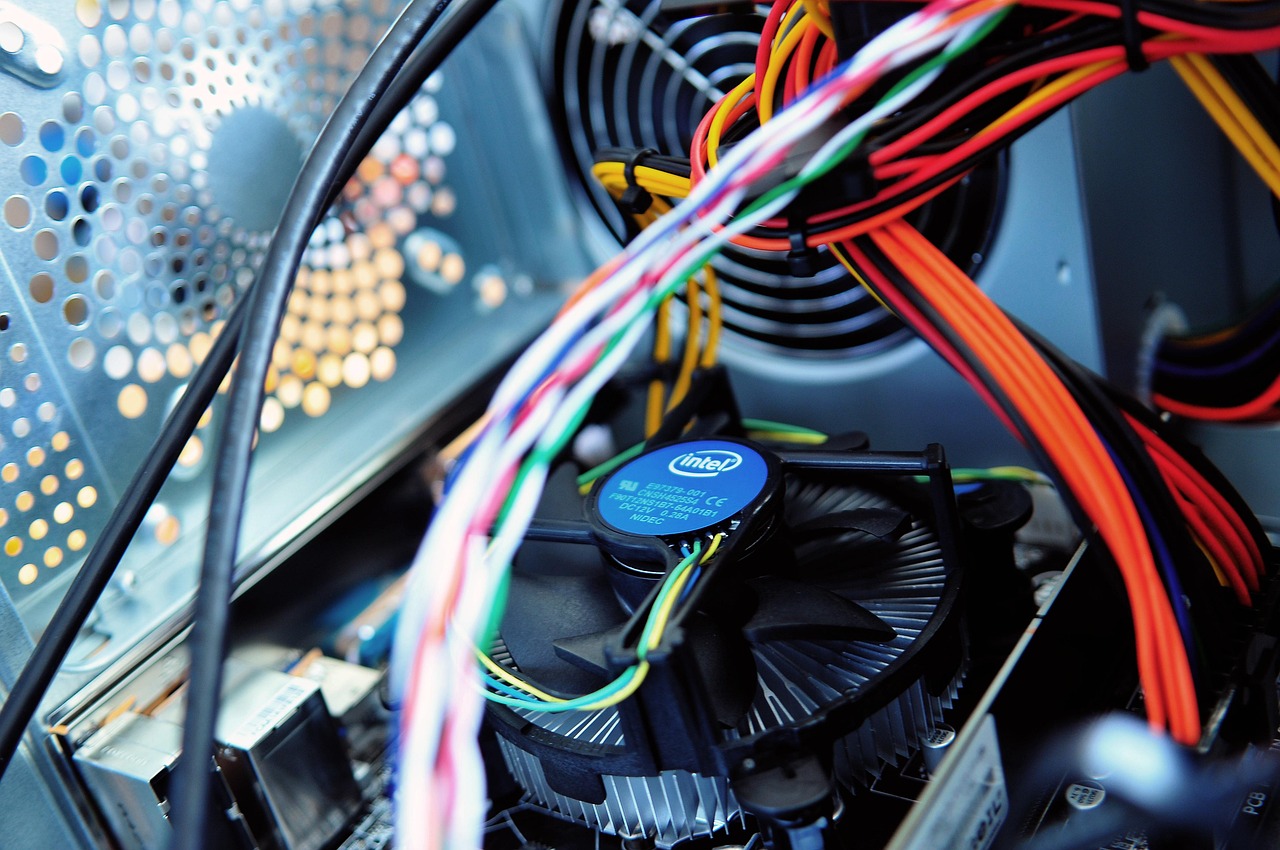
A $1,500 prebuilt that beats many custom builds on paper
Skytech’s newly discounted desktop delivers a mainstream 1440p gaming package at a sticker price most enthusiasts would expect to pay only for the graphics card alone. The system combines an Nvidia RTX 5060 Ti with 16GB of GDDR7 memory, an AMD Ryzen 7 7800X3D processor, 32GB of DDR5 RAM, a 2TB NVMe SSD and a 750 W 80+ Gold PSU. All of that is bundled into a mid-tower case with front USB-C and RGB lighting, arriving preinstalled and ready to plug in. For buyers who want to skip the compatibility checks and warranty hassles of a custom build, the $1,499 figure lands well below the sum of its parts if purchased separately. Even at this price, the system still leaves room in the budget for a second SSD, extra case fans or a higher-wattage PSU if the owner plans to swap in a future GPU.
The discount arrives as retailers clear excess RTX 50-series inventory and manufacturers adjust pricing to match demand. Skytech is not the only vendor pushing aggressive promos, but the inclusion of a 16GB 5060 Ti and a 3D V-Cache CPU at this tier is uncommon. Most sub-$1,600 systems either skimp on VRAM or rely on older mid-range cards. That makes this prebuilt a rare point of comparison for anyone deciding between buying prebuilt and building from scratch. Buyers should still verify that the included PSU can handle planned upgrades, but the baseline configuration already supports high-refresh 1440p gaming in current titles at medium-to-high settings.
How the parts stack up for today’s games
The RTX 5060 Ti’s 16GB frame buffer is the headline feature. In titles like Cyberpunk 2077, Alan Wake 2 and Starfield, 16GB of VRAM is enough to keep textures and ray-tracing effects stable at 1440p without aggressive downsampling or settings tweaks. The card’s Ada Lovelace architecture also brings DLSS 3 Frame Generation, which can lift frame rates by 50–70% in supported games when paired with an RTX 50-series CPU. That can be the difference between 60 fps and 90+ fps in demanding single-player campaigns.
On the CPU side, the Ryzen 7 7800X3D remains one of the fastest gaming processors available thanks to its 3D V-Cache. In CPU-bound scenarios such as Total War or Civilization VI, the 7800X3D consistently outperforms Intel’s latest i7 and most non-3D Ryzen chips. The 8-core/16-thread configuration also handles background tasks like Discord, OBS and a web browser without stuttering. The 32GB of DDR5-6000 RAM is more than adequate today, though power users running virtual machines or heavy multitasking may add another 32GB later. Storage comes in the form of a 2TB NVMe drive, which is spacious enough for an OS, a handful of AAA titles and daily files, leaving SATA ports free for additional HDDs if needed.
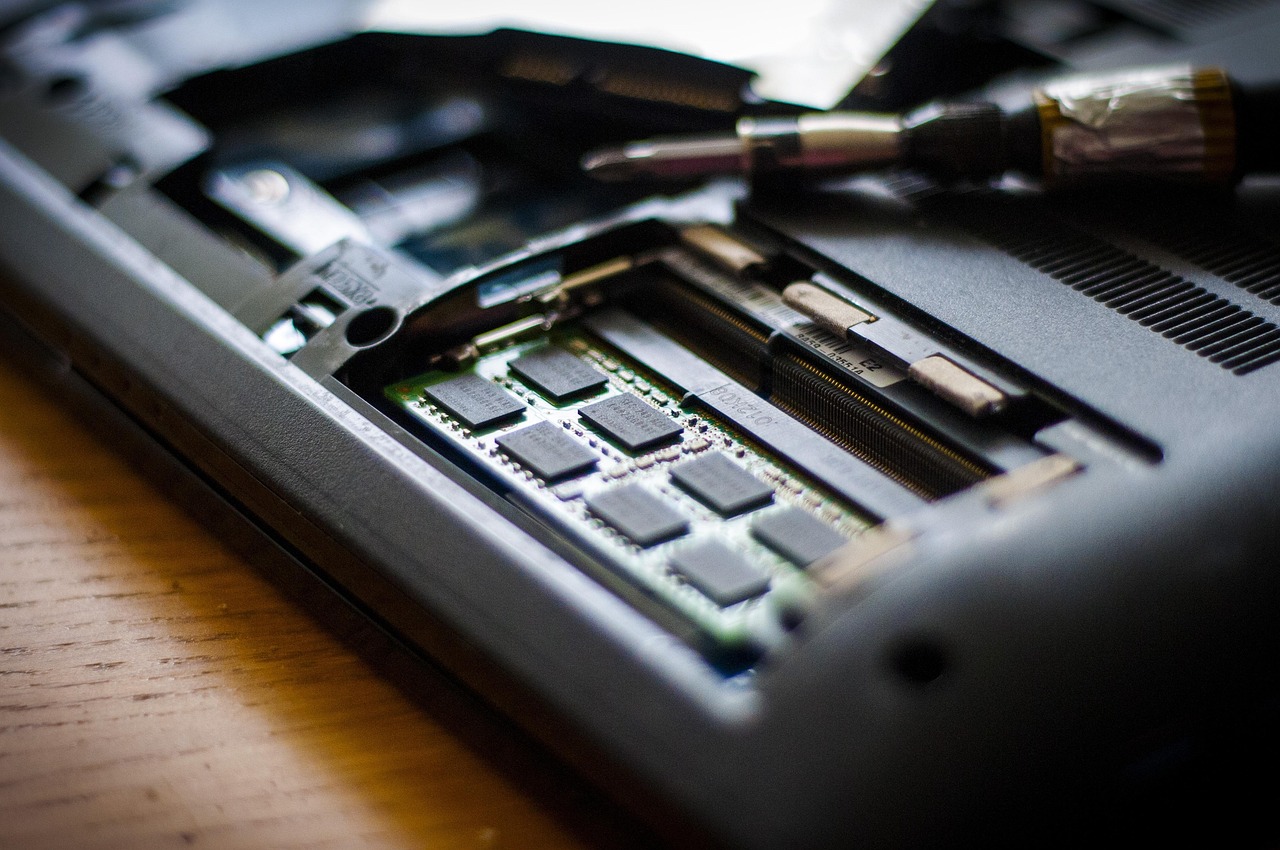
1440p performance expectations
Benchmark data from launch reviews shows the RTX 5060 Ti averaging 90–110 fps in 1440p high settings across a 2024–2025 game suite. Ray tracing at medium settings typically lands between 60–80 fps, while DLSS Quality mode can push that to 90–120 fps. The Ryzen 7 7800X3D keeps frame-time variance low, so high-refresh monitors see smooth gameplay even in fast-paced shooters. Compared with older mid-range GPUs like the RTX 3070 or RX 6800, the 5060 Ti is roughly 40–50% faster on average, while staying within the same 200–220 W power envelope. That efficiency means the prebuilt can run quietly on its stock cooler and still stay stable during long sessions.
For esports titles at 1440p, the system delivers 144+ fps in Counter-Strike 2, Valorant and Overwatch 2 at high settings, and well over 200 fps at lower settings. The jump from 1080p to 1440p becomes meaningful here: players gain sharper visuals without sacrificing the competitive advantage of high frame rates. The included 2TB SSD also reduces load times to under two seconds in many titles, which is a noticeable improvement over older SATA setups.
Prebuilt versus custom: where the savings go
Buying prebuilt saves the hours spent comparing motherboards, power supplies and case airflow. Skytech’s warranty covers the entire system for one year, with optional extensions available at checkout. That contrasts with a custom build, where buyers must coordinate individual warranties and may face compatibility issues if a part arrives DOA. On the other hand, prebuilt systems often use proprietary motherboards with fewer PCIe slots or limited M.2 ports, and the PSU may be non-modular, making future upgrades slightly more cumbersome.
When pricing a comparable custom build, a Ryzen 7 7800X3D, RTX 5060 Ti, 32GB DDR5 RAM, 2TB NVMe SSD and mid-tower case typically lands between $1,650 and $1,800 before tax and shipping. The Skytech discount therefore represents a $150–$300 saving, depending on regional pricing. The trade-off is less control over aesthetics and component selection. Buyers who want white builds, silent operation or specific RGB software will still find value in assembling their own rig. For everyone else—especially first-time builders or those who need a working PC immediately—the prebuilt route removes guesswork and potential frustration.
Real results from MEFAI's AI. Get $50 off the Pro plan.
Sponsored · Past performance is not indicative of future results. Not financial advice.


Upgrade headroom and future-proofing
The most important upgrade path is the GPU. The system’s 750 W 80+ Gold PSU can handle next-generation cards up to roughly 350 W, which covers most RTX 50-series and RX 7000-series GPUs expected through 2026. The mid-tower case has two additional 120 mm fan mounts and space for a 360 mm AIO liquid cooler if the owner later swaps the CPU for a higher-TDP model. RAM capacity is already at 32GB, but the four DIMM slots allow doubling that if needed.
Skytech bundles a Windows 11 license, so buyers can immediately start gaming without additional software costs. The included Wi-Fi 6 card ensures low-latency online play, and the front USB-C port supports fast data transfer or next-gen peripherals. For storage expansion, the motherboard offers two extra M.2 slots and four SATA ports. That means adding a 4TB HDD for media or a second 4TB SSD for game libraries is straightforward. The only potential bottleneck is the B550 chipset, which lacks PCIe 5.0 support for future GPUs and SSDs. For most users, that won’t matter until 2027 or later, but enthusiasts planning to keep a system for five-plus years may want to budget for a full motherboard and CPU swap down the line.
Who should buy this system—and who should wait
This Skytech desktop is aimed at gamers who want a high-performance 1440p rig without the hassle of building or troubleshooting. It suits streamers who need reliable capture and encoding, competitive players who want high-refresh gameplay, and content creators who run Unreal Engine or Blender alongside games. The 16GB VRAM cushion also gives it longevity for new titles arriving in 2025, especially those using virtual texturing or large open worlds.
Buyers who already own a mid-range GPU or CPU may find better value in upgrading only one component. For example, pairing an RTX 5060 Ti with an existing Ryzen 5 5600 or Intel i5-12400F can cut costs while still delivering a noticeable boost. Conversely, those stuck on older hardware like an RTX 2060 or RX 5700 will see the biggest jump in both performance and features by upgrading the entire system at once. Budget-conscious shoppers should also check regional pricing and bundle deals, as retailers frequently rotate promotions on prebuilt systems.
What to watch next in the prebuilt market
Skytech’s pricing signals a broader trend: RTX 50-series cards are dropping faster than expected, and prebuilt vendors are passing those savings to consumers. Analysts expect similar discounts on RTX 5070 Ti and RX 7900 GRE systems by mid-2025, especially as AMD and Nvidia refresh their lineups. Shoppers who can wait may see sub-$1,800 4K-capable rigs or $1,200 1080p esports builds by the end of the year.
Regional availability and import fees can swing the final price by 10–15%, so buyers should compare local retailers before purchasing. Warranty terms also vary: some vendors offer three-year coverage on parts, while others include lifetime labor. Extended warranties are worth considering if the system will see heavy daily use. Finally, keep an eye on driver updates. The RTX 5060 Ti launched with Day One drivers optimized for Cyberpunk 2077 and Alan Wake 2, but future game patches and DLSS Frame Generation improvements could unlock another 10–15% performance.
Bottom line: a smart shortcut for 1440p gamers
Skytech’s $1,499 prebuilt delivers a complete, high-end 1440p gaming experience with minimal compromise. It outperforms most custom builds at this price, includes a 16GB GPU that future-proofs against next-gen titles, and ships ready to play out of the box. The main trade-offs are slightly less upgrade flexibility and a proprietary motherboard, but for the majority of users those are minor concerns compared with the time and risk saved.
If you need a reliable PC today and plan to game at 1440p for the next three to four years, this system is a strong candidate. Compare it against local listings and consider whether you’d rather build your own for long-term flexibility or buy prebuilt for immediate performance. Either way, the arrival of discounted RTX 50-series prebuilts is good news for gamers tired of paying premium prices just to get a working machine.
More in Hardware & Gadgets
Data Center Moratoriums Spread as U.S. Pushes AI Build-Out
A record wave of local moratoriums is freezing over 75 new data centers worth $130 billion in early 2026, threatening AI expansion plans and forcing operators to rethink power, water and site selectio

AMD’s Ryzen AI Halo Desktop Takes Aim at Nvidia’s AI Developer Market with 128GB Unified Memory at $3,999
AMD launches a $3,999 developer desktop powered by Ryzen AI Max+ 395 with 128GB unified memory, undercutting Nvidia’s DGX Spark by $700 and positioning itself as a high-memory alternative for AI train

Prime Day’s Hidden Hardware Deals: What Tech Buyers Should Know
Prime Day drops prices on CPUs, GPUs, laptops and accessories — but not all discounts are equal. Here’s how to spot real savings and avoid gimmicks.