
Nvidia’s Hotter, Liquid-Cooled AI Data Centers: Why Higher Temperatures Could Cut Water Use Near Zero
By Mag-Info Tech editorial · 2026-06-23
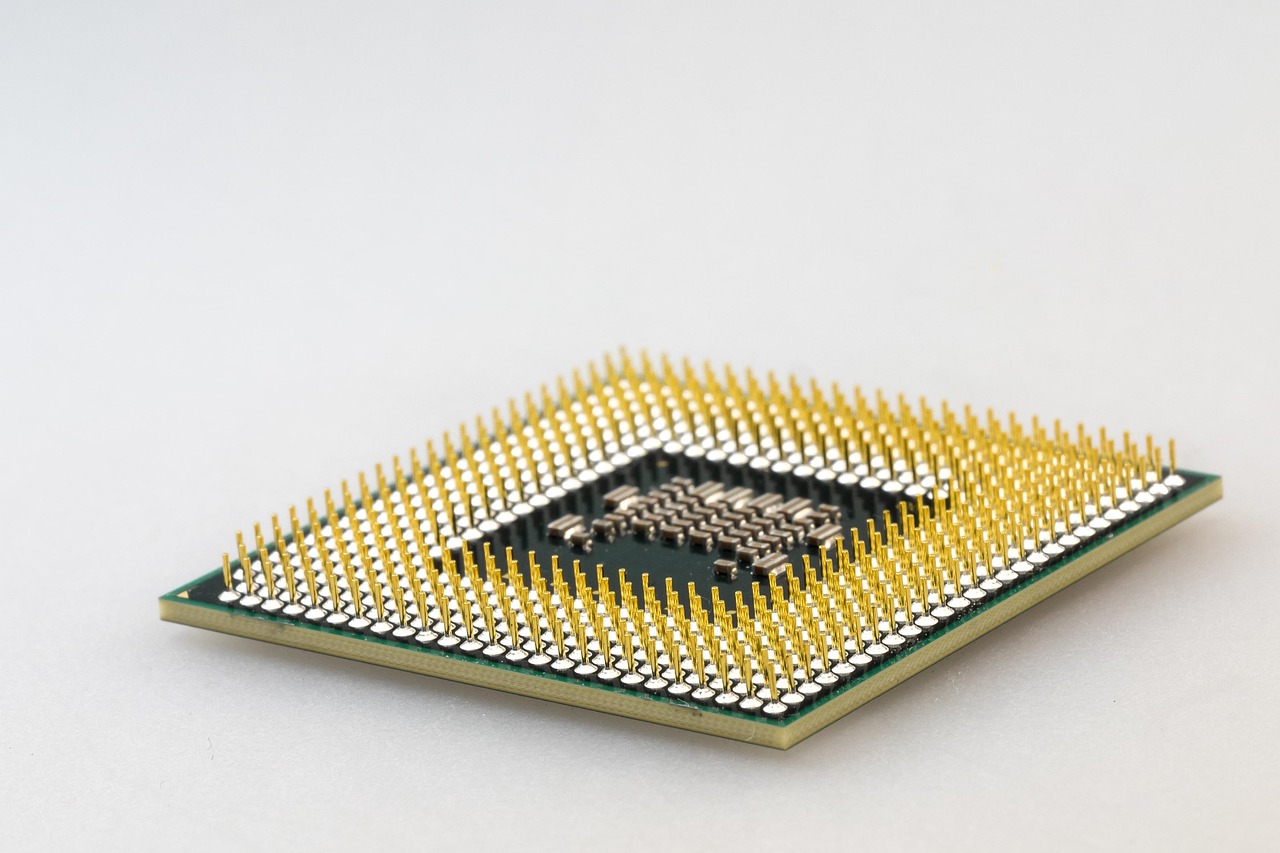
Nvidia’s latest push into AI data center design flips conventional wisdom on its head. Instead of keeping servers cool with water-intensive evaporative cooling towers, the company is promoting a fully liquid-cooled architecture that deliberately runs hardware hotter. The trade-off is intentional: higher operating temperatures allow the system to shed heat without water, cutting potable water use to “near zero,” according to Nvidia. In a landscape where data centers face growing scrutiny over energy and water consumption, this approach reframes efficiency not by minimizing heat, but by managing it differently.
The move arrives as hyperscale operators race to deploy ever larger clusters of AI accelerators. Training and inference workloads for large language models demand thousands of GPUs running at high utilization, generating kilowatts of heat per rack. Traditional air- and water-cooled data centers rely on chillers, cooling towers, and evaporative systems that consume millions of gallons of water annually. By shifting to direct-to-chip liquid cooling and raising allowable server temperatures, Nvidia’s Rubin-generation reference design aims to decouple compute performance from water dependency. For operators in water-stressed regions, this could mean building or retrofitting facilities with less environmental impact.
Why Liquid Cooling Is Becoming Essential for AI Workloads
AI accelerators like Nvidia’s upcoming Rubin chips dissipate more heat per square millimeter than traditional CPUs. A single rack of high-end GPUs can exceed 100 kilowatts, far beyond what air cooling can reliably manage without aggressive—and water-intensive—measures. Liquid cooling solves this by circulating coolant directly to heat sources, bypassing the thermodynamic limits of air. But most liquid-cooled systems still depend on external cooling towers that evaporate water to reject heat to the atmosphere. Nvidia’s innovation is to push the coolant temperature higher, enabling heat rejection through dry coolers or heat exchangers without evaporation.
This shift is not just about reducing water use; it also lowers energy consumption. Evaporative cooling towers consume electricity to run fans and pumps, and they require ongoing water treatment to prevent scaling and microbial growth. By allowing the coolant to run hotter—approaching 50°C or more—Nvidia’s design reduces the need for active refrigeration. The result is a system that can maintain stable operation while minimizing both water and power overhead. For cloud providers operating at scale, these savings compound across hundreds of thousands of servers, potentially trimming both operating costs and carbon footprints.
How Running Servers Hotter Changes the Cooling Equation
Conventional data centers target inlet air temperatures around 20–25°C to ensure safe operation. But modern servers are designed to tolerate higher internal component temperatures, provided heat is removed efficiently. Nvidia’s Rubin reference design leverages this thermal headroom by allowing coolant to absorb heat at elevated temperatures—often referred to as “warm-water cooling.” This approach enables the use of passive heat exchangers or dry coolers, which transfer heat to ambient air without water evaporation.
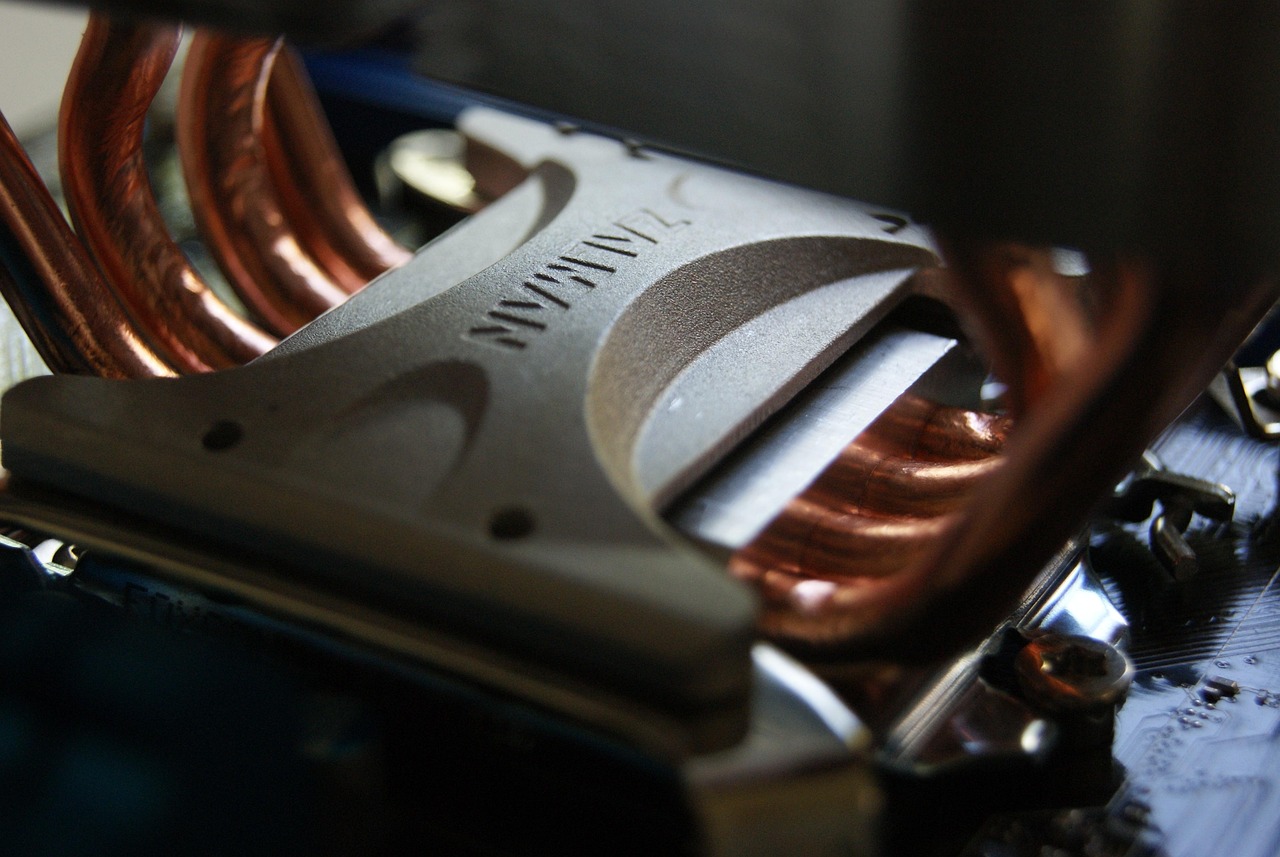
The practical implication is that data centers can be sited in regions with limited water availability or strict environmental regulations. Operators no longer need to locate near rivers, reservoirs, or municipalities willing to supply large volumes of potable water. Instead, facilities can be built closer to renewable energy sources or existing power infrastructure, reducing transmission losses and grid strain. Additionally, higher coolant temperatures simplify thermal management during seasonal temperature swings, reducing the need for redundant cooling systems.
Sustainability Pressures and the AI Data Center Backlash
Public and regulatory scrutiny of data centers has intensified over the past two years, fueled by reports of excessive water and energy consumption. In some regions, local governments have delayed or denied permits for new facilities due to concerns about resource depletion. In others, operators have faced backlash for diverting water from communities during heat waves. Nvidia’s announcement is a direct response to these pressures, offering a technical pathway to reduce dependency on evaporative cooling.
Yet, the approach does not eliminate all environmental concerns. While water use drops dramatically, energy consumption remains a factor. Liquid cooling systems still require pumps, sensors, and control systems that draw power. Moreover, the manufacturing and disposal of dielectric coolants introduce new environmental considerations. Nvidia emphasizes that its design minimizes water use to “near zero,” but it does not claim net-zero energy or carbon impact. Operators will still need to pair this cooling strategy with renewable energy sourcing and efficient power delivery to achieve broader sustainability goals.
What This Means for Hyperscale Operators and Cloud Providers








Real results from MEFAI's AI. Get $50 off the Pro plan.
Sponsored · Past performance is not indicative of future results. Not financial advice.

For companies like Meta, Google, and Microsoft—each racing to deploy millions of AI accelerators—the Rubin reference design could accelerate deployment timelines. These operators have historically relied on custom cooling solutions, but standardized reference designs reduce engineering overhead and risk. Nvidia’s approach allows them to scale AI infrastructure without reinventing thermal management for each generation of chips.
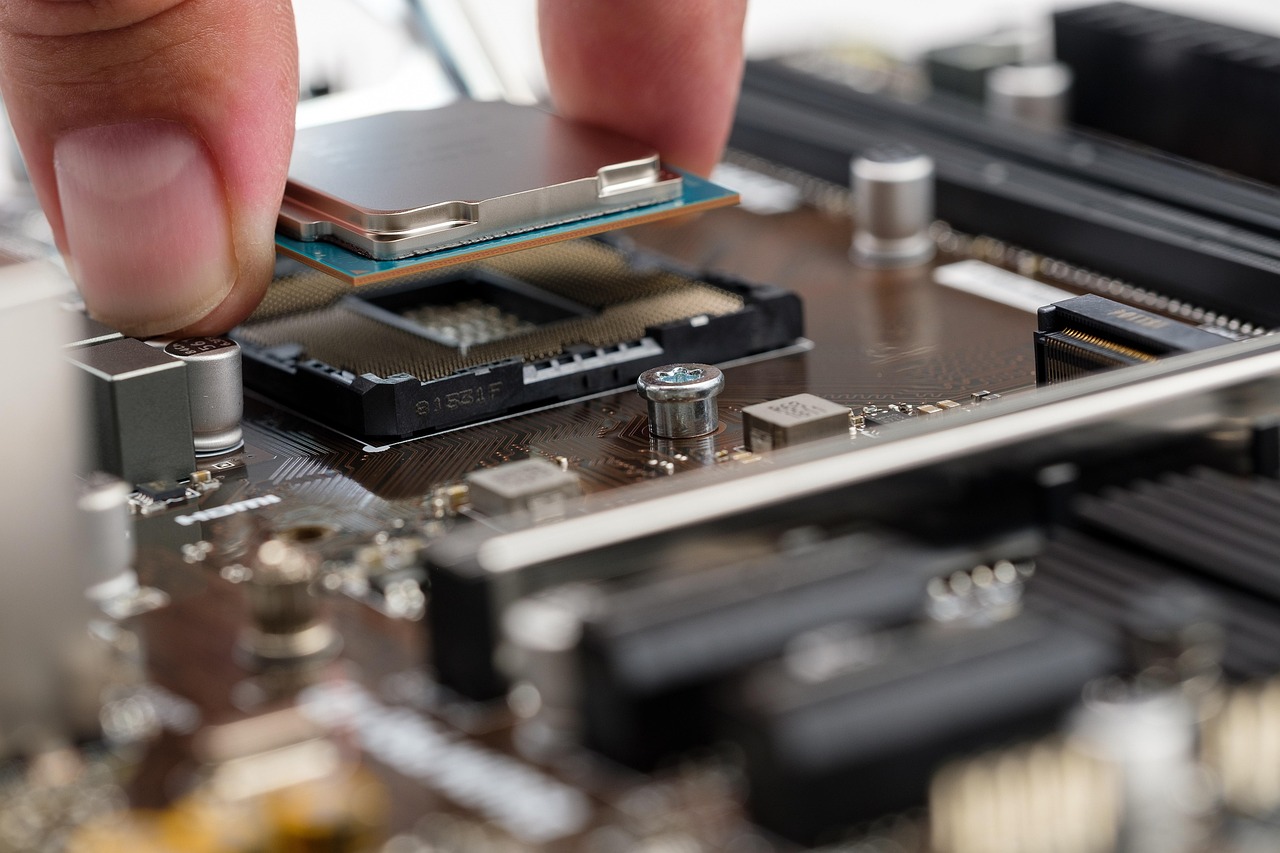
Retrofitting existing data centers may be feasible, though challenging. Many facilities were built with air-cooled infrastructure and limited liquid cooling support. Operators would need to upgrade power distribution, install coolant manifolds, and integrate monitoring systems. Still, the long-term operational savings in water and energy could justify the capital expenditure, especially in regions where water is scarce or expensive. Early adopters could gain a competitive edge by reducing both environmental impact and operational costs.
The Trade-Offs: Performance, Reliability, and Maintenance
Running servers hotter raises questions about long-term reliability. Component failure rates typically increase with temperature, though modern GPUs are designed with thermal margins that accommodate higher operating points. Nvidia asserts that its design maintains safe operating temperatures for silicon and memory, provided the cooling loop is properly maintained. Operators will need to implement rigorous monitoring for coolant flow, temperature gradients, and potential leaks.
Maintenance complexity also shifts from water treatment to coolant management. Dielectric fluids require regular filtration, pH monitoring, and periodic replacement to prevent degradation or corrosion. Unlike air-cooled systems, where failures are often visible, liquid leaks can go undetected until damage occurs. This demands investment in leak detection sensors, redundant loops, and trained personnel. For smaller operators, these requirements may offset some of the water and energy savings.
Broader Implications for AI Infrastructure and Regulation
As governments introduce stricter environmental standards for data centers, Nvidia’s approach offers a technical workaround that aligns with regulatory trends. The European Union’s Energy Efficiency Directive and emerging water-use regulations in the western United States are pushing operators toward closed-loop cooling and water conservation. Nvidia’s Rubin design provides a viable path to compliance without sacrificing performance.
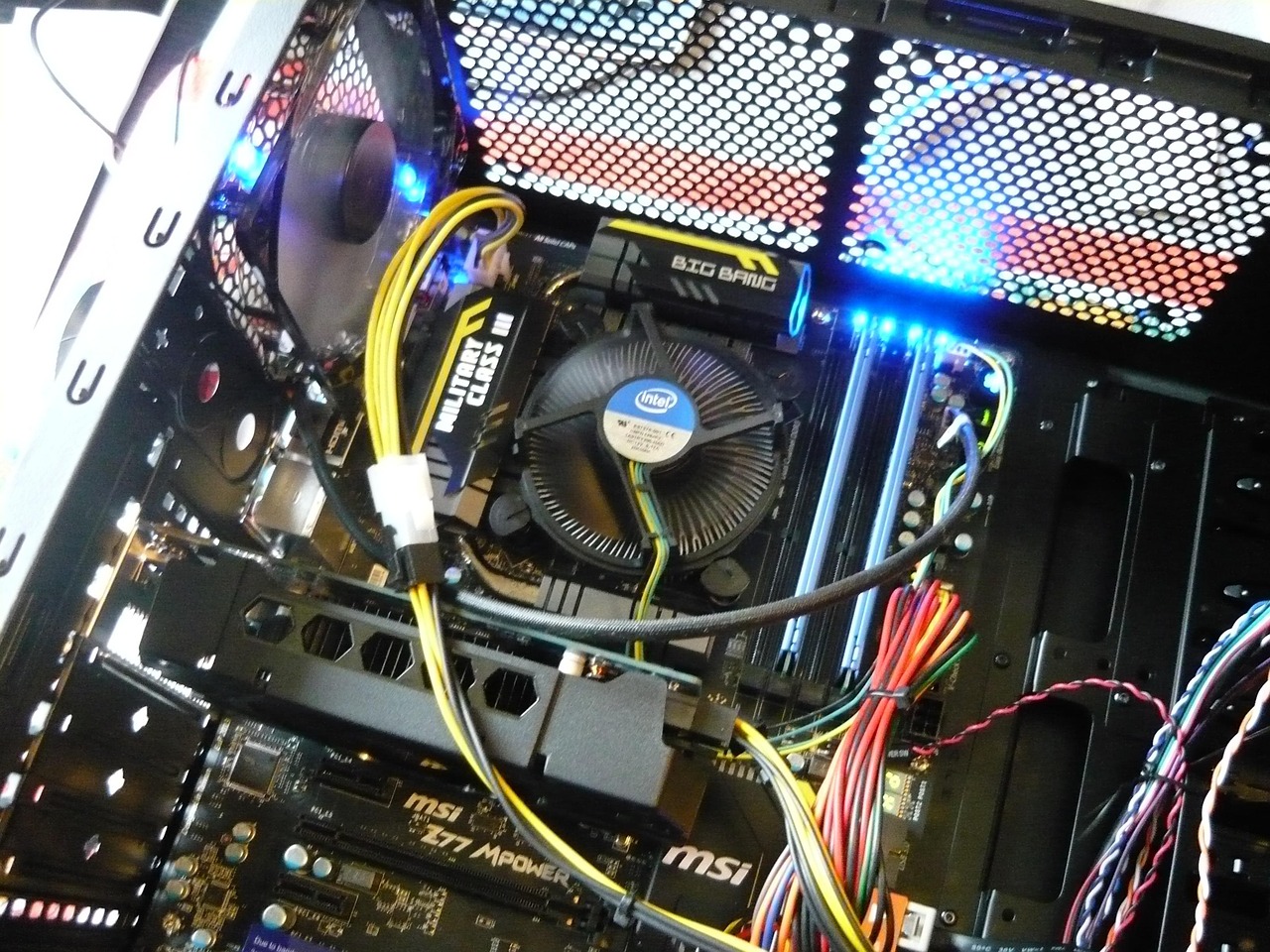
This could also influence chip design itself. Future AI accelerators may be optimized for higher operating temperatures, enabling even more efficient cooling strategies. Nvidia’s move signals a broader industry shift: sustainability is no longer just about energy efficiency, but about resource efficiency across multiple dimensions. Operators will increasingly evaluate cooling strategies not only by thermal performance, but by water use, carbon impact, and regulatory risk.
What to Watch Next: Deployment Timelines and Real-World Results
Nvidia has positioned Rubin as a reference design, meaning it will be available to partners for customization and deployment. The first wave of AI data centers using this approach is likely to appear in late 2025 or early 2026, coinciding with the broader rollout of Rubin-based accelerators. Operators will need to conduct pilot deployments to validate performance, reliability, and cost savings under real-world conditions.
Industry watchers will closely monitor water and energy usage data from these early sites. Independent audits will be essential to verify Nvidia’s claims and assess whether the approach scales effectively across diverse climates and workloads. Additionally, competitors like AMD and Intel may introduce competing cooling strategies, further accelerating innovation in thermal management.
For enterprise customers evaluating AI infrastructure, the Rubin design offers a compelling option—but one that requires careful due diligence. Operators should assess not only the cooling technology, but also the long-term maintenance requirements, compatibility with existing infrastructure, and alignment with sustainability commitments. The shift to liquid cooling is underway, and higher temperatures may be the key to making it sustainable at scale.
More in Hardware & Gadgets

Lenovo’s Legion Tower 7i Gen 10 Sale: A 33% Discount on a High-End Gaming Desktop Packed with Core Ultra 7 and RTX 5080
Lenovo has slashed the price of the Legion Tower 7i Gen 10 by 33%, bringing an RTX 5080 system with a Core Ultra 7 265K CPU and 32GB DDR5 down to $2,899.
Prime Day 2026 Gaming Chair Deals: What to Buy, What to Skip, and Why Your Back Needs This Upgrade
Amazon Prime Day 2026 brings steep discounts on Secretlab, Razer, and other premium gaming chairs—here’s how to pick the right model, avoid gimmicks, and protect your spine during long sessions.
How Drones Are Becoming First-Responder Tools in High-Risk Police Operations
Police departments are deploying drones as first responders to locate and safely disarm armed suspects, with magnet-equipped quadcopters used to remove weapons without direct physical contact.