
Crypto Mining Hardware in 2026: The Definitive Buyer's Guide to Rigs, ASICs, and Essential Gear
By Mag-Info Tech editorial · 2026-06-07
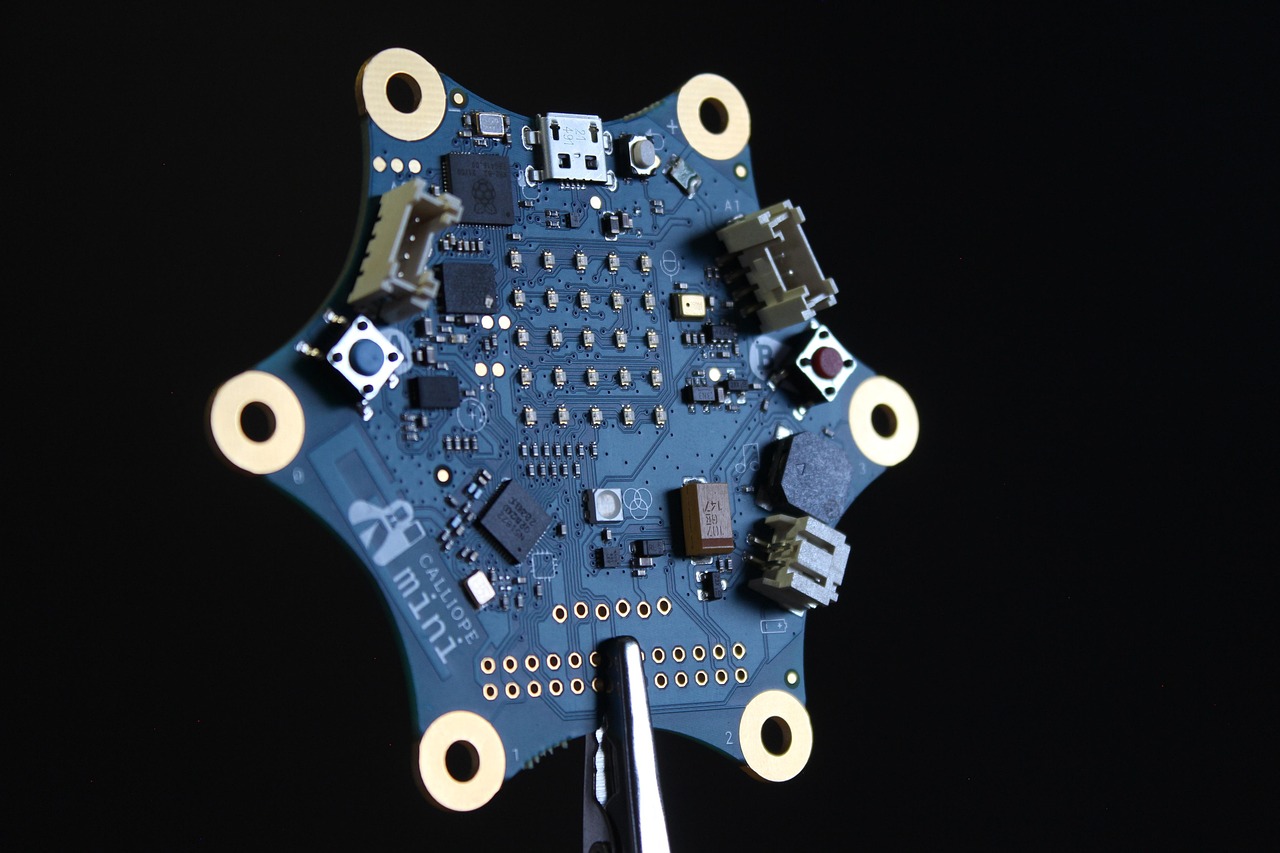
The landscape of cryptocurrency mining in 2026 is defined by a clear hierarchy: specialized Application-Specific Integrated Circuits (ASICs) dominate for established Proof-of-Work coins, while high-performance Graphics Processing Units (GPU) retain a vital niche for flexibility and emerging algorithms. Choosing the right hardware is no longer a simple matter of picking the most powerful machine; it's a strategic decision balancing capital expenditure, ongoing operational costs, technical expertise, and long-term investment viability. This guide cuts through the noise to help you navigate the current market, select the optimal tools for your specific scenario, and avoid costly pitfalls.
ASIC Miners: The Powerhouses for Bitcoin and Beyond
ASIC miners remain the undisputed champions for mining Bitcoin and other cryptocurrencies designed to resist ASIC optimization. These machines are built for a single purpose: executing the specific hashing algorithm (like SHA-256 for Bitcoin) with maximum efficiency. The leading manufacturers in this space are well-established, and their product lines represent a clear progression in power and efficiency. For serious miners focused on Bitcoin, the decision primarily revolves around choosing between offerings from the industry's top players, each of whom has a reputation for reliability and support.
The most critical metric for ASIC selection is hash rate per watt of power consumed, often expressed as joules per terahash (J/TH). Lower numbers are better, as electricity is the single largest operational expense. Miners from top-tier manufacturers consistently offer competitive efficiency ratings, but their specific strengths can differ. Some models may offer a slightly better efficiency at a higher upfront cost, while others provide a strong balance of hash rate, efficiency, and price that makes them accessible for mid-sized operations. It's essential to assess not just the headline terahash (TH/s) number, but how that performance translates into your specific electricity rate.
Beyond the core metrics, consider the manufacturer's ecosystem. This includes firmware that allows for fine-tuned overclocking and underclocking to optimize for your local conditions, as well as the availability of reliable customer service and replacement parts. The physical design also matters; newer generations often feature improved cooling solutions, such as more efficient fans or even immersion cooling compatibility, which can be crucial for maintaining performance in high-density environments. For home miners, noise output is a significant factor, and some models are designed with sound dampening in mind, making them more suitable for non-industrial settings.
GPU Mining Rigs: Flexibility and the Path to Altcoins
GPU mining has evolved from a hobbyist pastime into a sophisticated venture for those targeting a diverse range of altcoins. The core advantage of a GPU rig is its programmability; by changing the software, a single rig can mine different cryptocurrencies based on their profitability. The heart of any GPU mining setup is the choice between NVIDIA and AMD graphics cards. Both manufacturers produce powerful cards, but they often excel with different mining algorithms. NVIDIA's CUDA cores and advanced video memory (VRAM) configurations are highly sought after for many algorithms, while AMD cards have historically offered strong performance-per-dollar for specific memory-intensive coins.
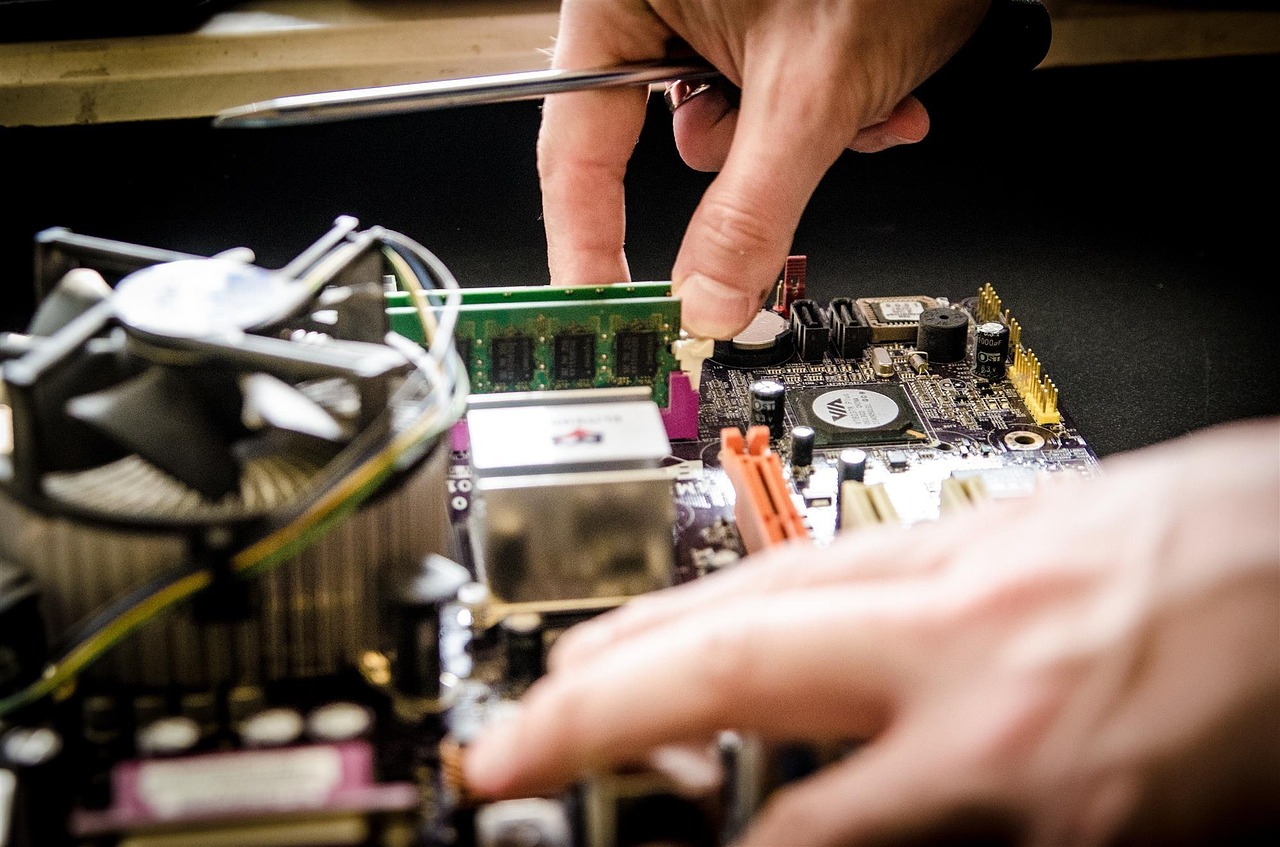
Building a GPU mining rig requires careful component selection beyond just the graphics cards. The motherboard must have enough PCIe slots (with appropriate spacing) to accommodate multiple GPUs. The power supply unit (PSU) is critically important; it must deliver stable, efficient power with enough wattage headroom for the entire system, plus a safety margin. Using a high-quality, 80 PLUS Platinum or Titanium rated PSU is a non-negotiable investment for long-term stability and cost savings. The frame or chassis needs to provide excellent airflow to keep the cards cool, often employing an open-air design with strategically placed fans.
The software stack for GPU mining is more complex than for ASICs. You'll need an operating system designed for mining, such as HiveOS or minerstat, which simplifies driver management, overclocking, and monitoring across a fleet of rigs. Selecting the right mining client software is also key, as it translates the mining protocol into instructions for your GPUs. This layer of software management is where the true power and flexibility of GPU mining lies, but it also represents a steeper learning curve compared to the plug-and-play nature of most ASICs.
Essential Supporting Infrastructure: Cooling, Power, and Networking
No mining hardware, whether ASIC or GPU, operates in a vacuum. The supporting infrastructure is just as critical to success and can determine whether your operation is profitable or a liability. Cooling is the first and most immediate concern. For a few ASICs, standard room ventilation may suffice, but a multi-unit setup generates immense heat. Solutions range from high-volume industrial fans and ducting to more advanced and efficient liquid immersion cooling systems. For GPU rigs, open-air frames and powerful case fans are standard, but the ambient temperature of the room must be managed to prevent thermal throttling, which drastically reduces hash rate and can damage hardware.
Power delivery and management form the financial backbone of mining. You must understand your total power capacity and the cost per kilowatt-hour from your utility provider. Using a dedicated sub-panel and properly rated electrical circuits is a mandatory safety measure. High-amp Power Distribution Units (PDUs) designed for data centers are the professional choice for managing power to multiple devices safely. Furthermore, a stable and robust network connection is vital. While mining doesn't require huge bandwidth, low latency and high uptime are critical to ensure your hardware is continuously submitting valid work to the pool and not losing shares. A wired Ethernet connection is always preferred over Wi-Fi for reliability.
Monitoring and management tools allow you to oversee your operation efficiently. For ASICs, manufacturer dashboards provide essential stats like hash rate, temperature, and fan speed. For a mixed or GPU-based operation, centralized management platforms are indispensable. These tools allow you to remotely monitor the health of every piece of hardware, adjust settings, receive alerts for errors or overheating, and even automate responses to common issues. Investing time in setting up a robust monitoring system prevents small problems from escalating into costly downtime or hardware failure.
Real results from MEFAI's AI. Get $50 off the Pro plan.
Sponsored · Past performance is not indicative of future results. Not financial advice.


Software, Pools, and Operational Strategy
Hardware is the muscle, but software and strategy are the brains of a mining operation. Choosing a mining pool is a fundamental decision. Pools allow miners to combine their computational power for a more consistent, albeit smaller, payout compared to solo mining. Key factors in selecting a pool include its fee structure (typically a percentage of earnings), payout methods (like PPS or PPLNS), server location (for low latency), and reputation for transparency and fairness. Diversifying your hash power across multiple pools can mitigate the risk of a single pool's issues affecting all your income.
The mining software itself is the bridge between your hardware and the blockchain network. For ASICs, this is usually a proprietary firmware embedded in the device, though some advanced users opt for custom firmware to unlock additional efficiency or features. For GPU miners, the choice of miner program (e.g., T-Rex, lolMiner, NBMiner) can impact performance and compatibility with specific coins and algorithms. Keeping this software updated is important for both security and performance. Your operating system, whether a specialized mining OS or a configured version of Linux, provides the platform for all these components to work together harmoniously.
A sound operational strategy considers the long game. This includes planning for hardware lifecycle and depreciation—ASICs in particular become obsolete as newer, more efficient models are released. It also means having a clear plan for selling mined coins. Do you hold them long-term, expecting price appreciation, or do you sell regularly to cover operational costs and secure profit? This financial strategy must be aligned with your risk tolerance and market outlook. Furthermore, staying informed about network difficulty changes and protocol updates for the coins you mine is crucial, as these events directly impact your profitability.
Common Mistakes and How to Avoid Them
Even experienced enthusiasts can fall into common traps. The most critical mistake is underestimating the total cost of ownership. The purchase price of the hardware is just the beginning; electricity, cooling, internet, maintenance, and potential repair costs must all be factored into your profitability calculations. A machine that seems profitable at a certain coin price can quickly become a money-losing device if electricity rates spike or the coin's value drops. Always run the numbers with conservative estimates for all variables before investing.
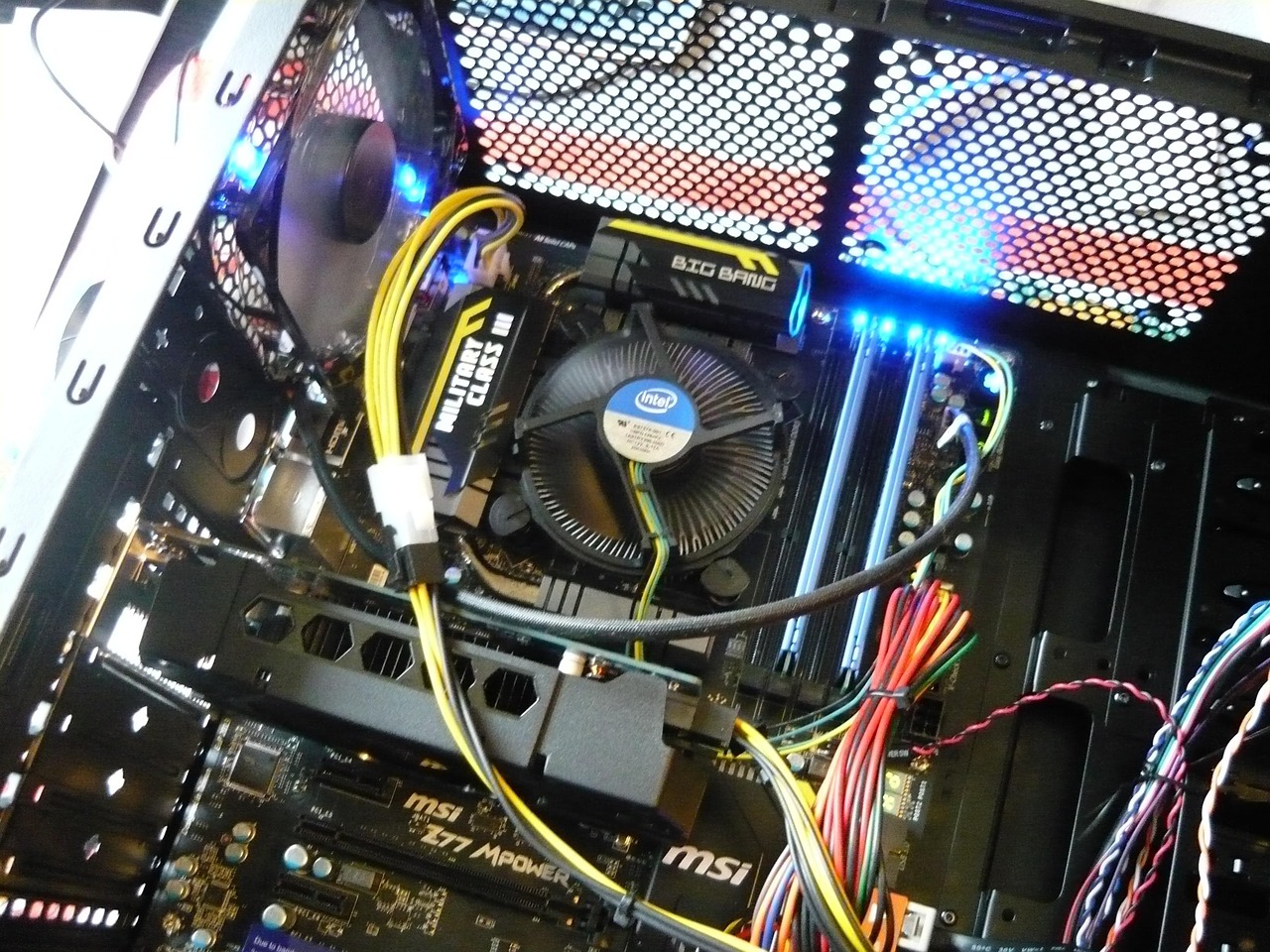
Ignoring the importance of a stable electrical and network environment is another frequent error. Using cheap, unregulated power strips for expensive mining equipment is a fire hazard and can lead to catastrophic hardware failure. Similarly, relying on a spotty Wi-Fi connection guarantees dropped connections and lost mining time. Investing in proper electrical infrastructure and a wired network connection pays for itself in prevented downtime and hardware longevity. This foundational reliability is non-negotiable for any operation beyond a single, casual device.
A third major pitfall is "hot-rod" tuning without adequate cooling. It's tempting to push hardware to its limits to maximize hash rate, but this generates excessive heat and stress. Running GPUs or ASICs at their thermal limits shortens their lifespan significantly and increases the risk of failure. A more sustainable approach is to find the efficiency sweet spot—often slightly underclocking or undervolting can yield a better hash rate per watt and keep temperatures in a safer range. Patience and a focus on long-term stability over short-term peak performance will protect your investment.
The Verdict: Choosing Your Path in 2026
The optimal choice of crypto mining hardware in 2026 is a direct function of your resources, technical comfort, and goals. For the entrepreneur focused on mining Bitcoin or a major established coin with access to low-cost power and capital, a modern, high-efficiency ASIC from a reputable manufacturer is the clear choice. It offers the best combination of raw performance and predictable, low-maintenance operation. The key is to prioritize models with excellent J/TH ratings and strong manufacturer support, viewing the purchase as a capital investment in a production asset.
For the technically adept individual or smaller operation seeking flexibility and exposure to a wider range of altcoins, a well-built GPU mining rig remains a compelling option. This path rewards those willing to engage with the software, monitor multiple variables, and adapt to changing market conditions. The barrier to entry is lower in terms of absolute cost but higher in terms of required knowledge. Success here is built on meticulous component selection, robust infrastructure, and active management.
Ultimately, whether you choose the focused power of an ASIC or the adaptable nature of a GPU rig, success in crypto mining is less about having the single "best" tool and more about assembling and operating a coherent system. Thorough research, honest financial planning, and a commitment to stable, efficient operations are the most valuable assets you can bring to this challenging and potentially rewarding endeavor. The hardware is just one part of the equation; the wisdom to deploy it properly is what separates sustained profitability from a costly lesson.
More in Hardware & Gadgets
ExpressVPN Advanced Drops to $83.72 for 28 Months: Why This 78% Discount Matters for Your Digital Privacy
Save over $300 on a 28-month ExpressVPN Advanced subscription that supports 12 simultaneous connections and includes advanced web protection tools for just $83.72 total.
ASML Employees Protest Musk’s Conference Invite: What It Means for Tech’s Political Divide
A group of ASML engineers is threatening to boycott the company’s internal tech conference over Elon Musk’s invitation, highlighting rising tensions between corporate events and public political debat

The Definitive Laptop Buyer's Guide for 2026: Navigating Work, AI, and Gaming
Your 2026 guide to choosing the best laptop for productivity, AI development, or gaming. We cut through the hype to match top-tier models like Dell XPS, MacBook Pro, Framework 16, and Razer Blade to y