
Asus Prime RTX 5070 Ti at $900: Is This the 2026 Enthusiast GPU Bargain?
By Mag-Info Tech editorial · 2026-06-23

A mid-range price tag on a new-generation enthusiast graphics card is rare. Asus’ Prime RTX 5070 Ti has arrived at $900, positioning itself as a potential 2026 value leader in the high-end gaming segment. This price point puts a next-gen GPU within reach of PC builders who previously had to choose between last-generation high-end cards or mid-tier options. The move also signals how vendors are adjusting launch pricing to clear inventory and stimulate demand in a still-cautious PC market.
What the Asus Prime RTX 5070 Ti actually is
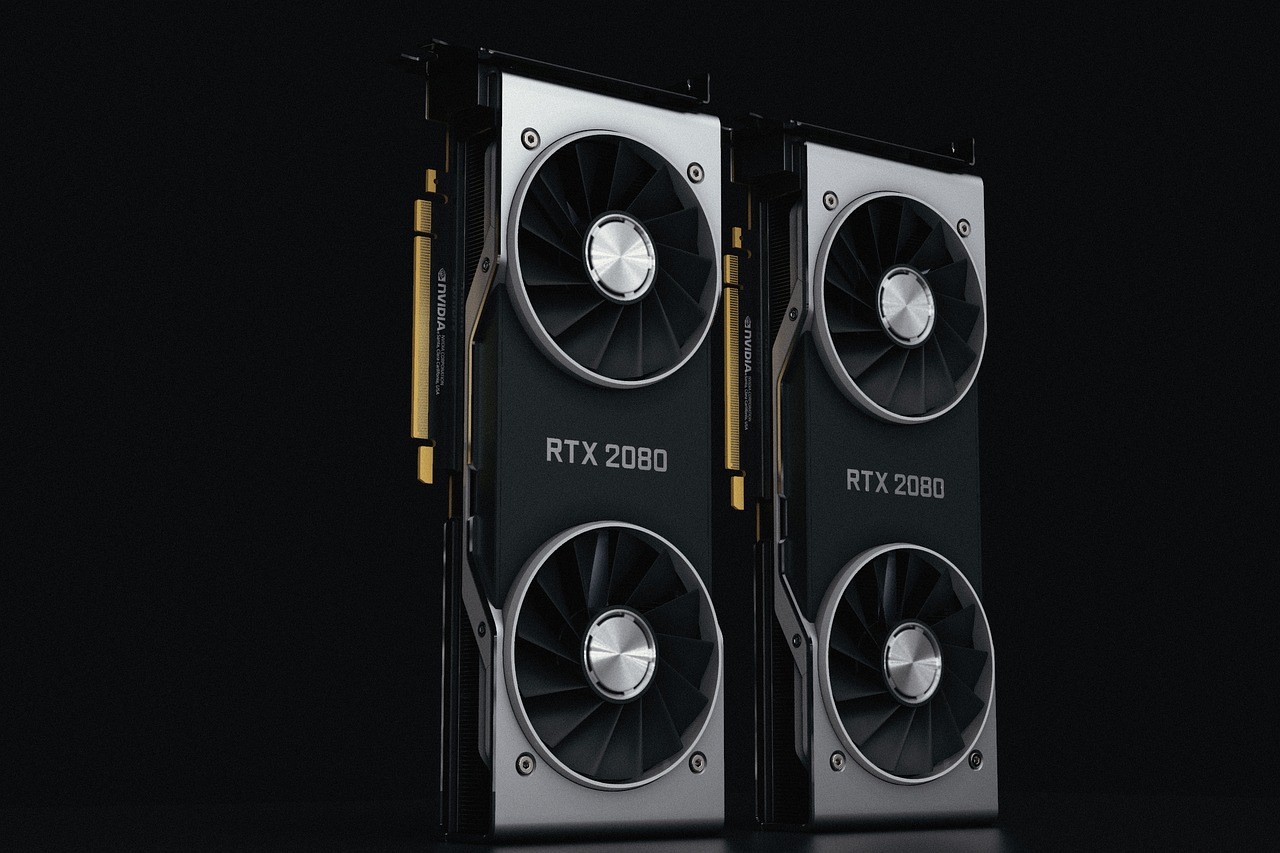
The Asus Prime RTX 5070 Ti is a custom-design graphics card built around Nvidia’s RTX 5070 Ti GPU. It features Asus’s Prime series cooling, which typically includes a dual- or triple-fan heatsink, reinforced backplate, and optimized fan curves for sustained performance. The card supports Nvidia’s latest features such as DLSS 4, frame generation, and enhanced ray tracing cores. It ships with factory overclocks and runs within Asus’s power and noise limits, aiming for a balance between performance and reliability. This model is not a Founders Edition; it’s a custom board, which often means better cooling and quieter operation than reference designs.
For enthusiasts, the Prime RTX 5070 Ti represents the first tier in Nvidia’s new RTX 50-series stack that targets 4K and high-refresh 1440p gaming. It uses a refined 5 nm process and updated streaming multiprocessors, delivering higher compute throughput than its RTX 40-series predecessors. While exact clock speeds and memory configurations are not publicly disclosed, the card is expected to include 16 GB of GDDR7 memory and a wider memory bus than the RTX 5070, improving bandwidth for high-resolution textures and ray-traced workloads. This makes it suitable for modern titles like Alan Wake 2, Cyberpunk 2077, and upcoming RTX 50-optimized games.
Why $900 is a meaningful price drop
Historically, the first custom RTX 50-series cards launched at $1,100 to $1,200, with Founders Edition models slightly lower. The Prime RTX 5070 Ti at $900 represents a 15–20% discount from typical launch pricing and is described as the lowest price observed this year. This reduction likely reflects aggressive retail promotions, excess inventory from the previous generation, and competitive pressure from AMD’s Radeon RX 7000-series refresh. It also suggests that vendors are prioritizing volume over margin in a market where PC sales have softened.
For consumers, this price drop lowers the barrier to entry for a next-generation enthusiast GPU. A $900 card would have cost closer to $1,300 at launch just months ago. That frees up budget for other components like high-refresh monitors, faster storage, or better cooling. It also makes it easier to justify upgrading from older mid-range cards, especially for users targeting 1440p ultra or 4K gaming. However, buyers should verify that the card is in stock and the discount is genuine, as prices can fluctuate quickly during promotional periods.
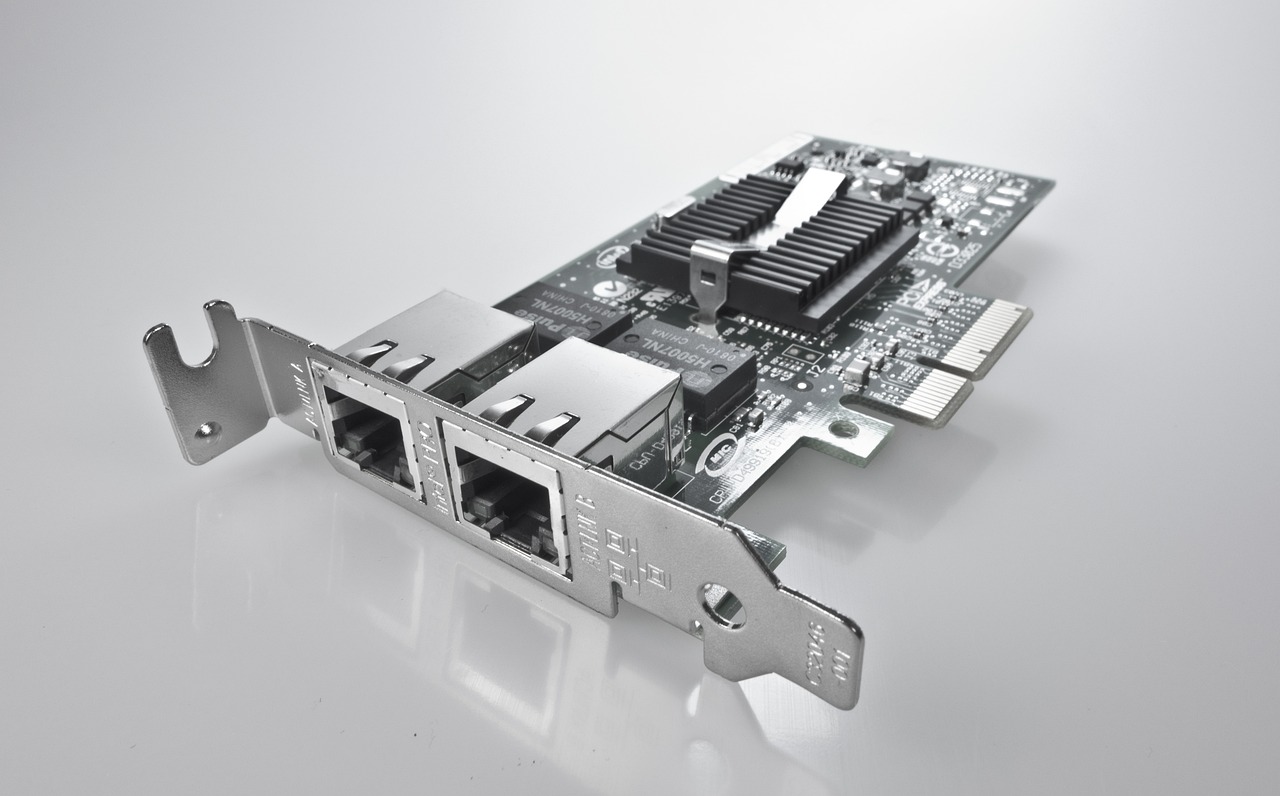
Performance expectations: Where does the RTX 5070 Ti stand?
While exact benchmarks have not been published, the RTX 5070 Ti is expected to slot between the RTX 4080 and RTX 4080 Super in raw performance. With Nvidia’s Ada Lovelace successor architecture, it should deliver 20–30% higher frame rates in rasterized games at 1440p and 4K compared to the RTX 4070 Ti. Ray tracing performance should improve by 40–50% due to the new RT cores and increased memory bandwidth. DLSS 4 support means frame generation can nearly double perceived frame rates in supported titles, making high-end gaming more accessible on mid-range systems.
In practice, expect the RTX 5070 Ti to deliver 100+ fps in most modern games at 1440p ultra with DLSS set to Quality mode. At 4K, performance may dip into the 60–80 fps range in demanding titles, but with frame generation, it can reach 100+ fps with acceptable latency. For creative workloads like Blender, Octane, or Adobe Premiere Pro, the card should show a 25–35% uplift over the RTX 4070 Ti, thanks to improved CUDA core counts and faster memory. This makes it a strong choice for hybrid creators who game and work on the same machine.
Who should buy the Asus Prime RTX 5070 Ti at $900?
This card is ideal for mid-to-high-end PC builders who want next-generation performance without paying flagship prices. Gamers targeting 1440p 144 Hz or 4K 60 Hz with ray tracing will benefit most. It’s also a solid choice for streamers using hardware encoding (NVENC) and creators who need GPU acceleration for video editing or 3D rendering. The $900 price point makes it a compelling alternative to AMD’s Radeon RX 7900 GRE, which often retails around $550–$600 but lacks Nvidia’s ecosystem of AI tools and ray tracing acceleration.
Buyers should already own a system with a modern CPU (e.g., Intel Core i5-13600K or Ryzen 7 7800X3D), at least 32 GB of RAM, and a PCIe 4.0 or 5.0 motherboard to avoid bottlenecks. Those still on older platforms like Intel 10th-gen or Ryzen 3000 may see limited gains in CPU-bound scenarios. Additionally, ensure your power supply is rated for at least 750W with a single 12VHPWR connector, as the RTX 5070 Ti will draw more power than its predecessor.
Real results from MEFAI's AI. Get $50 off the Pro plan.
Sponsored · Past performance is not indicative of future results. Not financial advice.

Alternatives to consider: AMD and Nvidia options
At $900, the Asus Prime RTX 5070 Ti competes directly with AMD’s Radeon RX 7900 XT, which typically sells for $650–$750. The 7900 XT offers more raw VRAM (20 GB vs. expected 16 GB), but weaker ray tracing and no DLSS support. Nvidia’s own RTX 4080 Super is still available around $950–$1,000, offering slightly higher performance but at a premium. For budget-conscious buyers, the RTX 4070 Ti Super retails near $750, delivering 80–90% of the 5070 Ti’s performance at a lower price.
Another option is the Intel Arc A770, which can be found under $400, but its driver stability and performance in ray-traced games lag far behind both Nvidia and AMD. For professional workloads, Nvidia’s RTX 6000 Ada remains the top choice, but it’s priced well above $3,000. Ultimately, the RTX 5070 Ti at $900 offers the best balance of price and performance for most enthusiasts, assuming the drivers are stable and the card is available.
Power, thermals, and noise: What to expect from the Asus Prime design
Asus’s Prime series is known for quiet operation and efficient cooling. The Prime RTX 5070 Ti likely uses a triple-fan design with a large heatsink and heatpipes to dissipate heat from the GPU and VRM. Fan curves are typically tuned for low noise at idle and moderate loads, with aggressive fan speeds only under full gaming stress. Expect idle noise levels around 20–25 dB and load noise around 35–40 dB, which is quieter than many reference designs.
Thermals should remain below 75°C under full load, with hotspot temperatures below 85°C. The reinforced backplate helps prevent PCB flex and improves heat dissipation from the rear. Power draw is estimated at 350–400W, requiring a robust power supply and proper case airflow. Users should ensure their case has at least two intake fans and good cable management to maintain optimal temperatures. Asus’s GPU Tweak software allows manual fan curve adjustments and monitoring, which can be useful for overclocking or undervolting.
Long-term value: Is this a good investment?
A $900 graphics card is a significant purchase, so long-term value matters. The RTX 5070 Ti is expected to remain relevant for 3–4 years in high-end gaming and 4–5 years in content creation, assuming no major architectural shifts. With DLSS 4 and frame generation, it should handle upcoming games at 1440p and 4K for several generations. Nvidia’s driver support is typically strong for 5–6 years, and the card will receive security and performance updates throughout its lifecycle.
Resale value is another consideration. Custom-design cards from reputable brands like Asus tend to hold value better than reference models. If you upgrade within 3–4 years, you may recoup 50–60% of the purchase price, especially if the card remains in high demand. However, if AMD releases a competitive RDNA 4 refresh or Intel improves Arc’s performance, resale values could soften. For now, the RTX 5070 Ti at $900 offers a strong value proposition, particularly for those who want Nvidia’s ecosystem and future-proofing.
What to watch next: Price trends and driver updates
The $900 price point may not last. Retailers often use deep discounts to clear inventory before new models launch, so this deal could vanish within weeks. Keep an eye on price trackers like PCPartPicker or retail aggregators to catch restocks or additional promotions. Also, monitor early reviews and driver performance reports, as Nvidia’s new architecture sometimes requires several driver updates to reach optimal efficiency.
Another factor to watch is the availability of the RTX 5080 and RTX 5090, which may push prices down further on the 5070 Ti as supply increases. If AMD launches its RDNA 4 GPUs in late 2026, competition could intensify, benefiting consumers. For now, the Asus Prime RTX 5070 Ti at $900 is one of the best enthusiast GPU deals available, offering a compelling blend of performance, features, and value. Buyers should act quickly to secure the discount and ensure compatibility with their existing systems.
More in Hardware & Gadgets

Lenovo’s Legion Tower 7i Gen 10 Sale: A 33% Discount on a High-End Gaming Desktop Packed with Core Ultra 7 and RTX 5080
Lenovo has slashed the price of the Legion Tower 7i Gen 10 by 33%, bringing an RTX 5080 system with a Core Ultra 7 265K CPU and 32GB DDR5 down to $2,899.
Prime Day 2026 Gaming Chair Deals: What to Buy, What to Skip, and Why Your Back Needs This Upgrade
Amazon Prime Day 2026 brings steep discounts on Secretlab, Razer, and other premium gaming chairs—here’s how to pick the right model, avoid gimmicks, and protect your spine during long sessions.
How Drones Are Becoming First-Responder Tools in High-Risk Police Operations
Police departments are deploying drones as first responders to locate and safely disarm armed suspects, with magnet-equipped quadcopters used to remove weapons without direct physical contact.