Oxford Hit by Second Breach of the Year: What the CareerConnect Hack Reveals About Third-Party Risk in Higher Ed
By Mag-Info Tech editorial · 2026-06-08

The University of Oxford, one of the world's oldest and most prestigious academic institutions, has revealed it suffered its second significant cybersecurity incident in a matter of months. The latest disclosure concerns a breach of the CareerConnect platform, a third-party service used to manage career services and connect students with employers. While the immediate impact appears contained to specific user data, the incident serves as a stark reminder of the expanding attack surface universities face and the critical vulnerabilities inherent in their extensive networks of software providers.
This breach, occurring just weeks after the university was impacted by a massive incident involving the Canvas learning management system, underscores a troubling pattern. Higher education institutions, with their complex ecosystems of students, staff, alumni, and external partners, increasingly rely on a web of specialized vendors. Each point of integration, while offering valuable functionality, also presents a potential doorway for attackers. The Oxford events of 2024 are a case study in how a breach at a single supplier can ripple across multiple prestigious institutions, testing the resilience and preparedness of even the most well-resourced organizations.
Anatomy of the CareerConnect Incident
According to the university's disclosure, the compromise of the CareerConnect platform was identified and reported by its provider, Group GTI. The breach reportedly occurred on May 28, with attackers gaining unauthorized access to the system. The compromised information included the first names, last names, and email addresses of users. For individuals—such as alumni, research staff, and employers—who accessed the platform using a local password rather than through the university's Single Sign-On (SSO) system, those encrypted passwords were also exposed. The university stated that Group GTI has since invalidated these passwords, forcing affected users to reset them upon next login.
Crucially, the investigation concluded that certain other categories of data were not compromised. This includes course enrollment information, files uploaded to the platform, appointment details, and financial data. The university emphasized that there is no evidence the university's own core systems were penetrated in this incident; the breach was isolated to the third-party provider's environment. This distinction is vital, as it delineates the direct scope of the hack from the potential downstream risks created by the leaked credentials.

The Credential Focus and Phishing Peril
A key detail provided by Group GTI is that the breach appeared specifically focused on gathering credentials. This tactic aligns with a common pattern in cybercrime, where initial breaches aim not for immediate data exfiltration for sale, but for harvesting access keys that can facilitate more extensive, targeted attacks later. Stolen usernames and passwords are the raw materials for credential-stuffing attacks, where automated systems test the same login combinations across hundreds of other websites, and for crafting highly personalized phishing emails that appear to come from trusted contacts within the university network.
The university's warning to its community about potential phishing and scam emails is therefore not a formality but a critical piece of incident response. Attackers now possess a verified list of university-associated email addresses and, for a subset, corresponding password hashes. They could use this information to impersonate university IT support, career services staff, or even fellow academics in emails urging recipients to click a malicious link or provide further sensitive details. The blend of a legitimate-seeming sender and a plausible context—like a career opportunity or a system update—makes such social engineering attempts particularly effective.
A Pattern of Third-Party Compromise
This incident is the second major cybersecurity disclosure involving Oxford University in 2024. Earlier in May, the university confirmed it was affected by a breach of Instructure's Canvas platform. That attack, attributed to the ShinyHunters cybercrime group, was part of a far larger operation claiming to have stolen data from nearly 9,000 educational institutions worldwide. While the scale of the Canvas breach was enormous, the resolution involved Instructure negotiating with the attackers, who ultimately returned the stolen data and provided proof of its destruction.
The juxtaposition of these two events highlights the multifaceted risk landscape. The Canvas breach was part of a wide-scale, opportunistic campaign targeting a dominant platform used across the education sector. The CareerConnect breach, while affecting multiple UK universities including King's College London and the University of Manchester, appears to have been a more focused compromise of a specific vendor's infrastructure. Together, they demonstrate that universities are vulnerable both to sector-wide platform attacks and to breaches within the supply chains of more specialized, niche service providers.
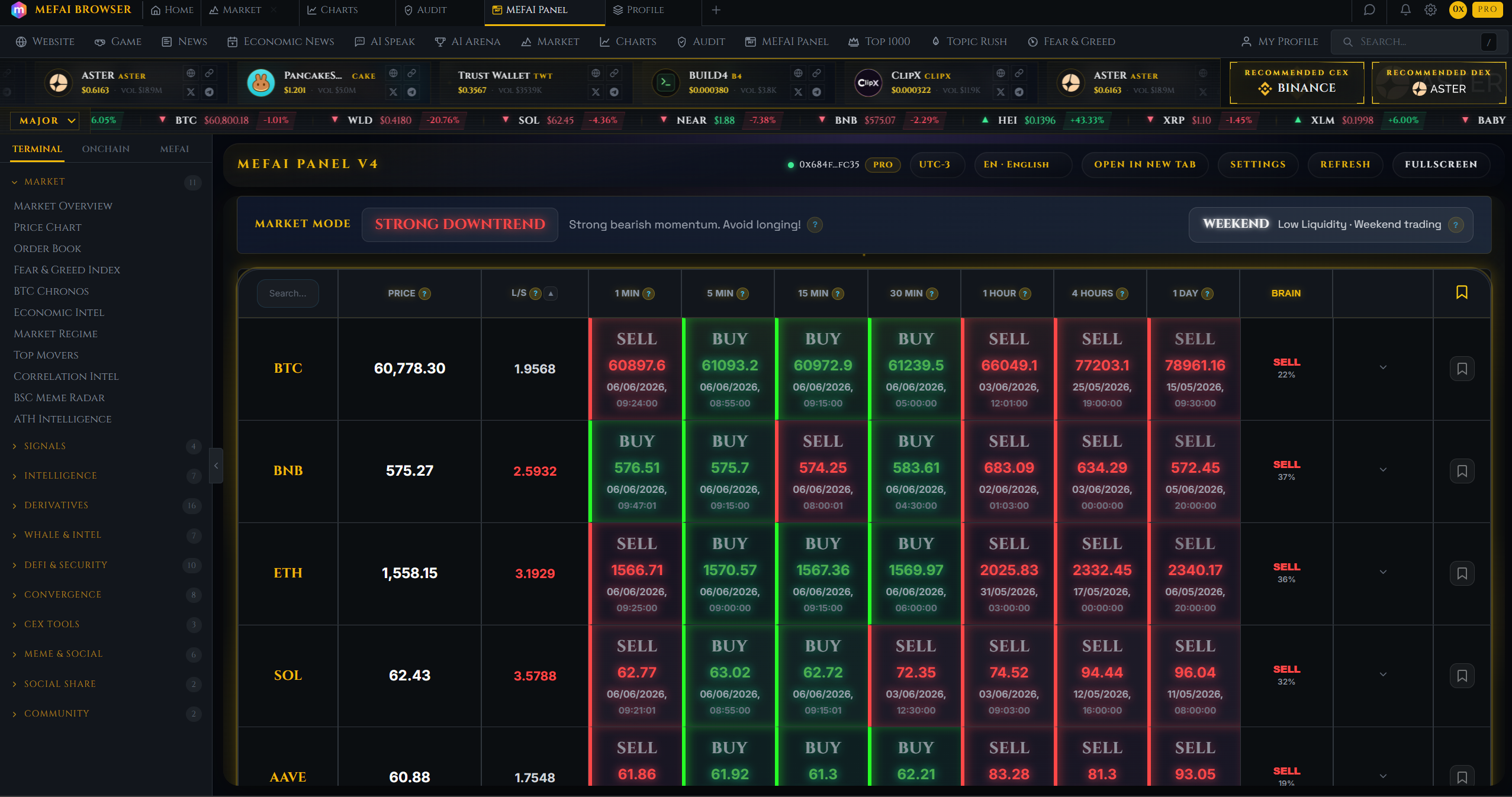




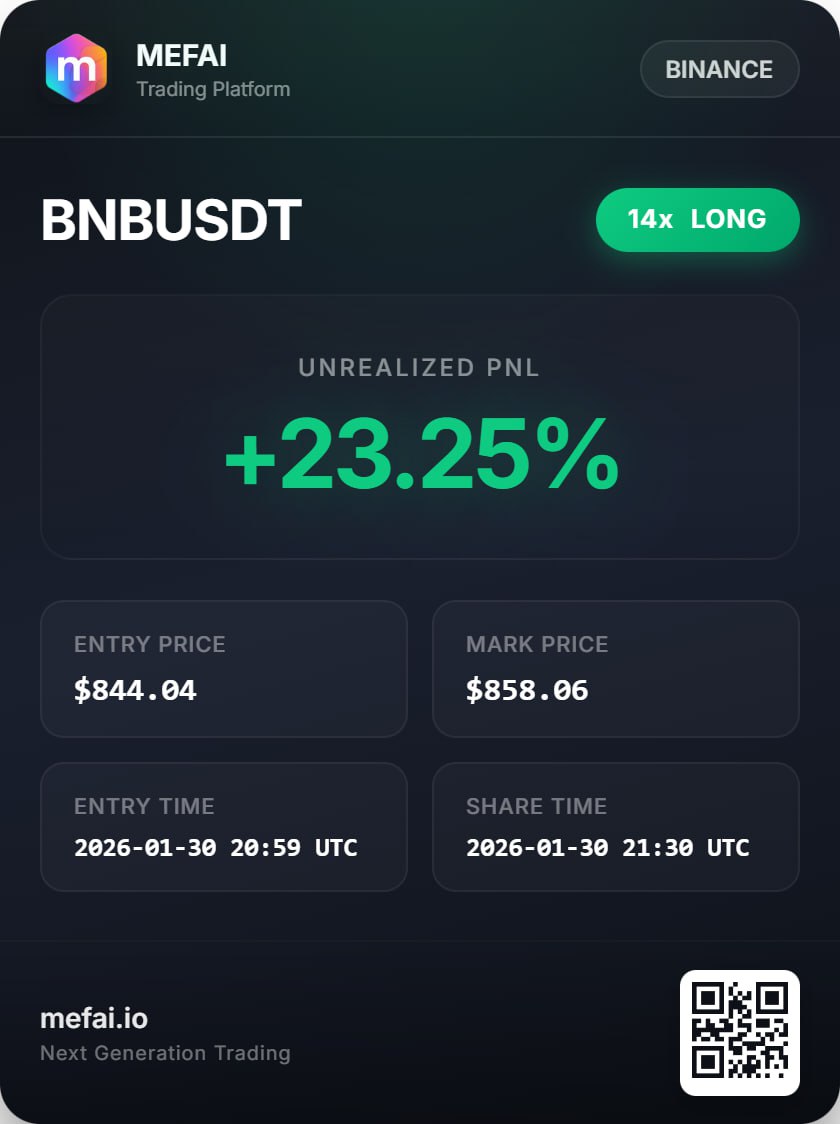
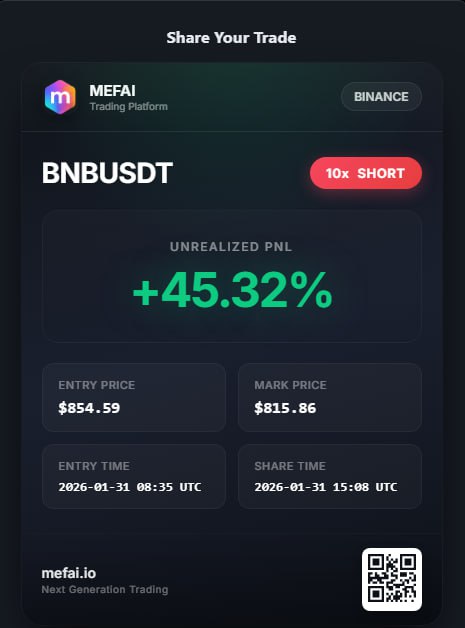
Real results from MEFAI's AI. Get $50 off the Pro plan.
Sponsored · Past performance is not indicative of future results. Not financial advice.


The Third-Party Risk Conundrum
Modern universities operate like large corporations, deploying a vast array of software-as-a-service (SaaS) solutions for everything from student records and learning management to career services and research collaboration. Each vendor must be vetted for security, but the sheer volume creates a formidable management challenge. A breach at any one of these partners, no matter how robust the university's own defenses are, can expose sensitive institutional and personal data.
The CareerConnect incident exemplifies this "weakest link" problem. The platform itself held data critical to the career aspirations of students and the recruitment efforts of employers. A successful attack here doesn't just expose data; it can disrupt vital services, erode trust with students and alumni, and damage the university's relationships with corporate partners who share their own employee data for recruiting purposes. The contractual and reputational fallout from such a breach can be extensive, even if the technical impact is contained.
Proactive Defense in a Connected Ecosystem
For readers—whether IT administrators, cybersecurity professionals, or individuals in the education sector—these events offer clear, actionable lessons. First, the principle of least privilege must be rigorously applied. Systems like CareerConnect, which may not be core to academic instruction, should be isolated where possible, with stringent controls on what data they can access from the central university environment. The fact that Oxford notes no compromise of its core systems is a positive sign, but it must remain the standard.

Second, the universal adoption of Single Sign-On (SSO) for all university-integrated platforms is imperative. The fact that compromised passwords were limited to users who did not use SSO highlights the security benefit of centralized authentication. Institutions should mandate SSO for all staff, students, and, where feasible, for external users like alumni, removing the weaker link of locally managed passwords on third-party sites.
Looking Ahead: Vigilance and Verification
For the affected individuals at Oxford and the other impacted institutions, the immediate steps are clear: reset any passwords for the CareerConnect platform and remain hyper-vigilant for phishing attempts. Scrutinize the sender of any email requesting credentials or personal information, and verify requests through official channels before acting.
For the institutions themselves, the response must extend beyond public statements. A thorough audit of all third-party vendor agreements, security practices, and data sharing protocols is now essential. Incident response plans need to be tested not just for breaches of internal infrastructure, but for scenarios where a key supplier is compromised. The frequency of such incidents in higher education suggests that proactive, rather than reactive, cybersecurity governance is no longer optional.
The University of Oxford's接连 two incidents in 2024 serve as a high-profile bellwether for the sector. As educational institutions digitize further, their resilience will be defined not only by the strength of their firewalls but by the security posture of their entire digital ecosystem. The path forward demands greater consolidation of services, ruthless reduction of redundant systems, and a new level of depth in vendor risk management. In an interconnected world, security is a shared responsibility, and a breach in one corner can quickly become a crisis for all.
More in Cybersecurity & Privacy
Wazuh Cloud: How a Managed SIEM/XDR Cuts Alert Fatigue and Scales Security Operations
Security teams face alert overload, complex hybrid environments and high false-positive rates that slow detection and response. Wazuh Cloud removes infrastructure overhead with a fully managed SIEM/XD

Best VPN in 2026: The Definitive Buyer's Guide for Privacy, Streaming & Security
Navigating VPN choices in 2026? This guide breaks down the top services for privacy, streaming, and security, with clear criteria to pick the right one for you.

The Best Password Managers: The Definitive 026 Buyer's Guide
Compare top password managers like Bitwarden, 1Password, and Dashlane. Learn key security features, platform support, and who each option suits best for optimal digital safety.