
Maine’s Breach Portal Shutdown Shows How Fake Disclosures Can Poison Cybersecurity Data
By Mag-Info Tech editorial · 2026-06-13
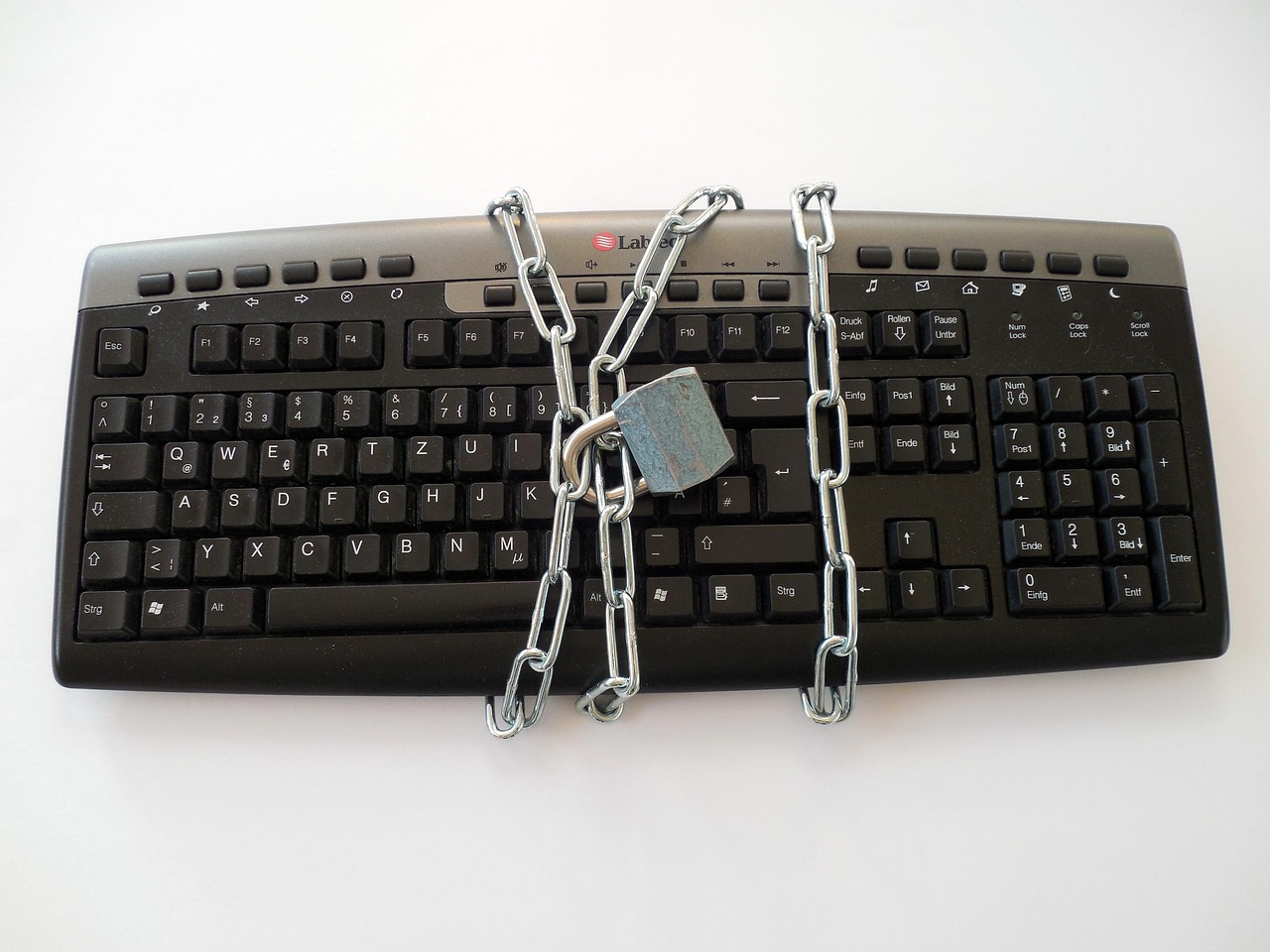
Maine’s public breach portal taken offline after fraudulent filings surface
Maine’s Office of the Attorney General has temporarily suspended public access to its data breach reporting portal after false breach notices were submitted under the names of Discord and VRChat. The state confirmed that the filings were hoaxes and have since been removed from the public database. While companies can still submit breach notifications through the service, members of the public must now request copies directly from the Attorney General’s Office. The shutdown highlights how the automatic publication of breach disclosures can be exploited to spread misinformation and damage an organization’s reputation.
The incident underscores a growing tension between transparency and integrity in cybersecurity reporting. Public breach databases are widely used by journalists, researchers, and threat intelligence teams to track new security incidents and hold organizations accountable. When these systems are abused, the result is not just noise but real harm to companies that may face unjustified reputational damage, regulatory scrutiny, or even stock price volatility. For cybersecurity professionals, this episode serves as a reminder that automated publication pipelines require guardrails to prevent abuse without sacrificing transparency.
How the fraudulent filings were submitted and discovered
According to the Maine Attorney General’s Office, the false breach reports were submitted using the names of fictitious employees at VRChat and Discord. VRChat confirmed the filing was fraudulent and unrelated to the company. The state’s portal had been configured to publish submitted breach notices automatically, meaning the hoaxes appeared publicly before being reviewed or flagged. Once discovered, the Attorney General’s Office removed the false disclosures and took the portal offline to review its procedures.
The mechanism behind the abuse was straightforward: an unknown entity filled out the breach notification form with fabricated details and the names of real companies. Because the system published submissions immediately, the misinformation spread quickly across the public database. This highlights a critical flaw in relying solely on automated publication without human oversight or verification. For organizations that depend on these databases for threat intelligence, the incident raises concerns about the reliability of publicly available breach data.
The role of public breach databases in cybersecurity monitoring
Public breach databases play a crucial role in cybersecurity by providing transparency into security incidents affecting organizations. Journalists, researchers, and threat intelligence firms use these portals to monitor new disclosures, track patterns in cyberattacks, and assess whether companies are reporting incidents in a timely manner. For regulators, these databases offer a window into compliance with data breach notification laws. For consumers, they provide a way to check whether their personal data may have been exposed.
However, the Maine incident demonstrates how these databases can become vectors for misinformation. When false breach reports are published, they create noise that can obscure legitimate incidents or mislead stakeholders. For example, a security team monitoring the portal for new threats might waste resources investigating a fabricated incident while missing a real, ongoing breach. The reputation of a company can also suffer immediate damage, as headlines about a “data breach” can spread quickly even if the report is later debunked. This underscores the need for verification processes in public breach reporting systems.
Why automatic publication without review is risky
The Maine portal’s automatic publication policy allowed submissions to go live without human review, which enabled the fraudulent filings to appear publicly. While this approach prioritizes transparency and speed, it also introduces significant risks. Automated systems can be gamed by bad actors seeking to spread disinformation, damage reputations, or manipulate public perception. The lack of pre-publication checks meant that the hoaxes were only discovered after they had already been published, by which time the damage was done.
This incident serves as a case study for other jurisdictions and organizations that operate similar public databases. The trade-off between speed and accuracy is a critical consideration. While real-time publication is valuable for transparency, it must be balanced with safeguards such as manual review, identity verification, or delay mechanisms to prevent abuse. For organizations that rely on these databases, the Maine incident is a reminder to cross-check breach reports through multiple sources before acting on them.
The immediate impact on companies and stakeholders
For Discord and VRChat, the fraudulent filings resulted in unwarranted reputational harm and potential reputational risks. Even though the reports were quickly debunked, the initial publication of false breach notices could have triggered panic among users, prompted regulatory inquiries, or led to negative media coverage. Companies that are falsely implicated in breach reports may face increased scrutiny from customers, partners, and regulators, all of which can have financial and operational consequences.






Real results from MEFAI's AI. Get $50 off the Pro plan.
Sponsored · Past performance is not indicative of future results. Not financial advice.

For journalists, researchers, and threat intelligence teams, the shutdown of the Maine portal means a temporary disruption in their ability to monitor new breach disclosures. These stakeholders rely on public databases to track emerging threats, assess the security posture of organizations, and inform their reporting or defensive strategies. The loss of access to this data source could slow down investigations or lead to gaps in threat intelligence. For regulators, the incident highlights the need to ensure that breach reporting systems remain both accessible and reliable.

What Maine’s review process could look like
The Maine Attorney General’s Office has indicated that it will review its reporting procedures to reduce the risk of similar abuse in the future. While specific changes have not been detailed, potential measures could include manual review of submissions before publication, identity verification for filers, or a delay between submission and public posting. These steps would add friction to the process but could significantly reduce the likelihood of fraudulent filings being published.
Another possible approach is to implement a tiered access system, where certain stakeholders—such as journalists or researchers—are granted expedited access to verified breach reports, while the general public faces a slight delay or requires a request. This would balance transparency with the need for verification. Additionally, the state could explore automated flagging systems that detect suspicious patterns in submissions, such as repeated filings from the same IP address or implausible breach details. For other jurisdictions operating similar portals, these measures offer a blueprint for securing their systems.
Broader implications for breach reporting laws and transparency
The Maine incident raises important questions about the design of breach notification laws and the infrastructure that supports them. Many U.S. states require organizations to report data breaches to regulators or the public, but the mechanisms for doing so vary widely. Some states use online portals that publish breach notices automatically, while others rely on manual review or delayed publication. The Maine case suggests that automatic publication, while transparent, may be vulnerable to abuse without additional safeguards.
For lawmakers and regulators, this incident is a reminder to consider the trade-offs between speed and accuracy in breach reporting systems. While transparency is a core principle of these laws, it must not come at the expense of reliability. The challenge is to design systems that are both accessible to the public and resistant to manipulation. This may require collaboration between regulators, cybersecurity experts, and technology providers to develop standards for secure and verifiable breach reporting.

Practical takeaways for organizations and cybersecurity professionals
For companies that may be required to report breaches, the Maine incident underscores the importance of verifying the legitimacy of any public breach databases or reporting portals they use. Organizations should cross-check breach reports through multiple sources, including official statements, regulatory filings, and direct communication with the affected company. Relying solely on a single public database can expose stakeholders to misinformation.
For cybersecurity professionals, this episode highlights the need to build redundancy into threat intelligence workflows. Instead of depending on a single source for breach notifications, teams should aggregate data from multiple reputable sources, such as industry alerts, government advisories, and trusted threat intelligence feeds. This reduces the risk of being misled by false or misleading reports. Additionally, organizations should have clear incident response plans in place to address reputational harm in the event of a false breach report.
What to watch next
The next steps from Maine’s Attorney General’s Office will be closely watched by other states and organizations operating similar breach reporting systems. If Maine implements manual review or verification measures, other jurisdictions may follow suit to prevent similar abuses. The outcome of this review could set a precedent for how breach reporting portals are designed and secured in the future.
For cybersecurity professionals, the incident is a reminder to remain vigilant about the sources of their threat intelligence. The reliance on public breach databases is unlikely to diminish, but the Maine case shows that these systems must evolve to address new risks. Watch for announcements from Maine on procedural changes, as well as any guidance from cybersecurity organizations or industry groups on best practices for secure breach reporting. The lessons from this episode will likely shape the design of breach notification systems for years to come.
More in Cybersecurity & Privacy
Arch Linux AUR Packages Hijacked: What Happened and How to Check Your System
Over 400 Arch Linux AUR packages were hijacked this month to deliver a Rust-based credential stealer and an eBPF rootkit, targeting developer workstations through compromised build scripts.

PeopleSoft Zero-Day: What the Critical SSRF Flaw Means for Enterprises and Higher Ed
A critical PeopleSoft SSRF zero-day tracked as CVE-2026-35273 is being exploited by ShinyHunters to steal data and extort victims, with hundreds of organizations affected and Oracle issuing stopgap mi
How a Missing Backup Drive Exposes Weak Spots in Japan’s Energy Sector Cyber-Physical Security
A lost external backup drive containing 10.9 million customer records at a major Japanese utility shows how physical security gaps can derail digital privacy protections.