
Inside the FBI’s Cyber Range: How a Fake Town Trains Agents for Real-World Cyberattacks
By Mag-Info Tech editorial · 2026-06-15
The FBI has quietly built a 22,000-square-foot training facility in Huntsville, Alabama, that looks like a small American town but functions like a live cyber battlefield. Dubbed the Kinetic Cyber Range, it includes a fully furnished house, a convenience store, a gas station, a hospital, and even a mock data center run by a fake power company. Agents and partners aren’t just reading about ransomware or data breaches—they’re experiencing them in real time on a miniature replica of critical infrastructure. The goal is to close the gap between classroom theory and the chaos of an actual cyber incident, where seconds count and mistakes have consequences.
This isn’t a theoretical exercise. The Kinetic Cyber Range is designed to simulate live attacks on operational technology (OT) and information technology (IT) systems, forcing responders to navigate both digital and physical consequences. When a ransomware attack locks down the fake hospital’s patient database or a denial-of-service strike takes down the gas station’s payment system, the training is immediate, immersive, and unforgiving. For a federal agency tasked with protecting national security, critical infrastructure, and public safety, this kind of hands-on experience could be the difference between a contained incident and a national crisis.
A New Kind of Training Ground: From Hogan’s Alley to Digital Warfare
The Kinetic Cyber Range draws inspiration from Hogan’s Alley, the FBI’s legendary shooting and tactical training village where agents practice high-stakes scenarios in a lifelike urban setting. But instead of physical confrontations, the new facility focuses on digital warfare. The 22,000-square-foot space is packed with realistic environments: a two-story house with working appliances, a convenience store with point-of-sale systems, a hospital with electronic health records, and a data center powered by a simulated regional utility. Even the fake power company can be manipulated to simulate grid instability during a cyberattack.
This shift reflects the growing reality that modern cyber threats don’t just target data—they threaten life, safety, and economic stability. Hospitals, utilities, and supply chains are increasingly targeted not for financial gain alone, but to cause disruption or harm. By replicating these environments, the FBI ensures that agents can practice identifying attack vectors, isolating compromised systems, and coordinating responses with local authorities—all while under realistic pressure. Unlike tabletop exercises or simulated logs, this environment reacts dynamically, with agents seeing the real-time impact of their decisions.
For cybersecurity professionals outside government, the implications are clear: the skills needed to defend critical infrastructure are evolving. The days when a firewall and antivirus were enough are long gone. Today, defenders must understand how a ransomware attack on a hospital’s MRI system could cascade into a life-threatening emergency, or how a compromised gas station’s payment network could disrupt fuel distribution. The Kinetic Cyber Range signals that even the FBI recognizes the need for this kind of immersive, operational training.
How the Cyber Range Works: Simulating Attacks on Real Systems
The Kinetic Cyber Range operates as a controlled but highly realistic simulation platform. It integrates both IT and OT environments, meaning agents interact with systems that behave like real networks, industrial control systems, and consumer-facing services. For example, compromising the fake data center could trigger a simulated power outage, affecting the entire town. Similarly, an attack on the hospital’s patient management system might delay emergency room admissions, forcing agents to triage response efforts.
The facility includes live-fire exercises where teams face active adversaries—simulated hackers who probe defenses, exploit vulnerabilities, and escalate attacks in real time. This approach mirrors real-world threat actor behavior, including multi-stage intrusions that move laterally across systems. Participants must not only detect and respond to alerts but also understand the business and operational impact of their actions. For instance, shutting down a compromised server to contain malware might save data but could also disrupt hospital operations—requiring agents to weigh technical and ethical trade-offs.
Another key feature is the ability to simulate supply chain attacks. By compromising the convenience store’s inventory system, agents can practice responding to a breach that originates from a trusted vendor. This reflects a growing trend in cybercrime, where attackers exploit third-party software or service providers to gain access to larger targets. The Cyber Range allows teams to rehearse coordinated responses with private-sector partners, a critical capability given the interconnected nature of modern infrastructure.
The Role of the Fake Power Company: Bridging Cyber and Physical Worlds
One of the most innovative aspects of the Kinetic Cyber Range is its integration of a simulated power utility. The fake regional power company can be manipulated to show fluctuating voltage, simulated outages, or even targeted attacks that mimic real-world grid incidents. This is not just a technical exercise—it’s a lesson in how cyberattacks can have kinetic consequences. When a hospital loses power during an emergency, the stakes rise dramatically.
This dual-layer simulation forces agents to think beyond IT security. They must understand how a cyber incident can trigger physical failures, and how to communicate with utility operators, first responders, and local governments during a crisis. The ability to coordinate across sectors is increasingly vital, especially as ransomware groups threaten to disrupt critical services. In 2023, for example, attacks on water treatment plants and hospitals in the U.S. showed how quickly digital breaches can escalate into public safety emergencies.
For private-sector defenders, this underscores the importance of cross-functional incident response plans. Cybersecurity teams must work closely with facilities, operations, legal, and public relations teams to manage both the technical and reputational fallout of an attack. The Kinetic Cyber Range demonstrates that training shouldn’t be siloed—it must be collaborative, realistic, and outcome-focused.
Who Uses the Cyber Range—and Why It Matters
The Kinetic Cyber Range is primarily used by FBI cyber squads, but it’s also open to state and local law enforcement, critical infrastructure operators, and private-sector partners. This collaborative model reflects a growing recognition that cyber threats transcend organizational boundaries. By training together in a controlled environment, agencies and companies can build trust, standardize response protocols, and identify gaps in coordination before a real crisis hits.
For the FBI, the facility strengthens its ability to investigate and mitigate cyber threats at scale. Agents can rehearse complex scenarios such as multi-state ransomware campaigns, supply chain compromises, or coordinated attacks on financial institutions. The hands-on experience helps them identify attack patterns, improve forensic techniques, and develop strategies to attribute and disrupt threat actors.
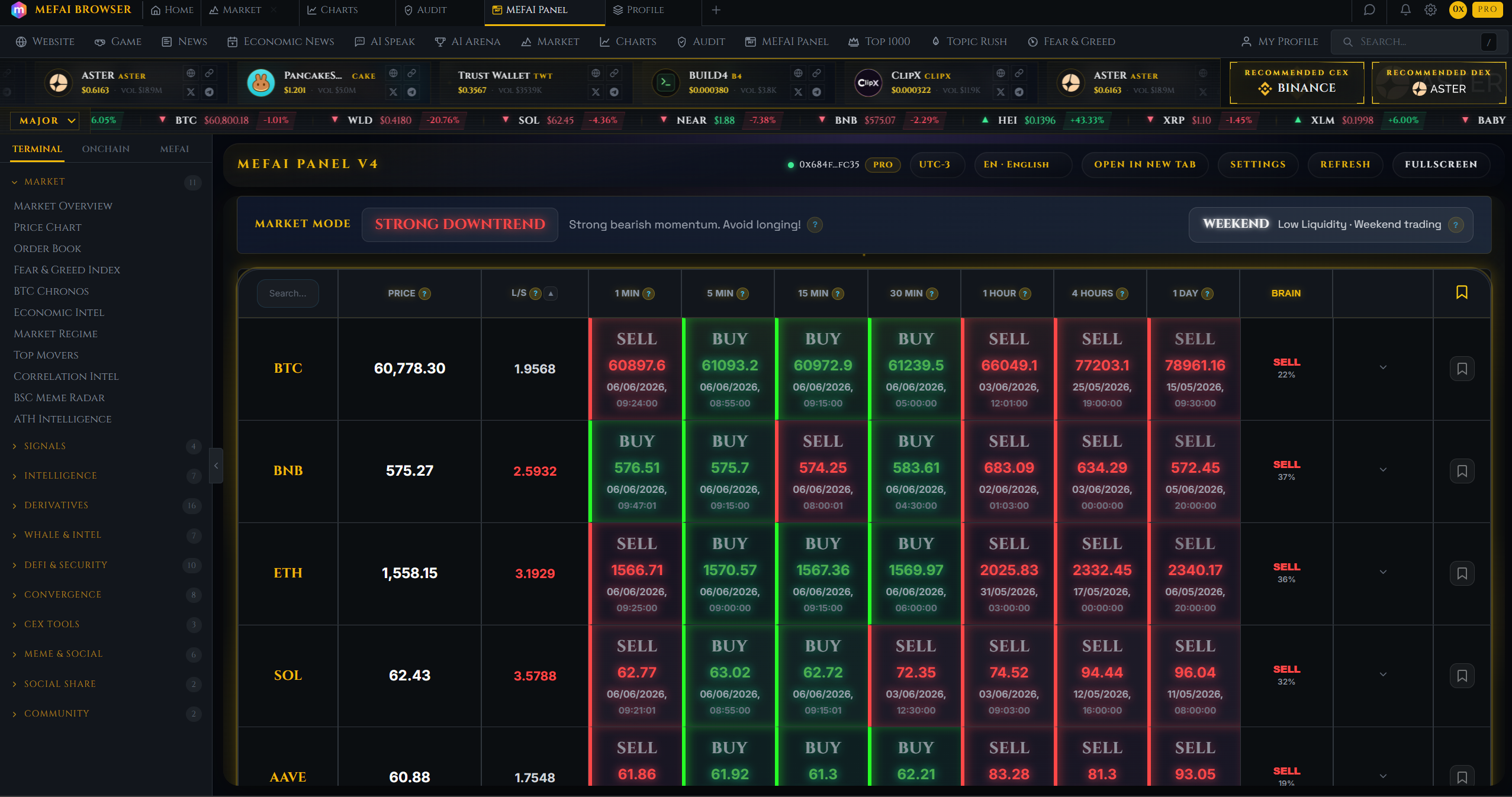




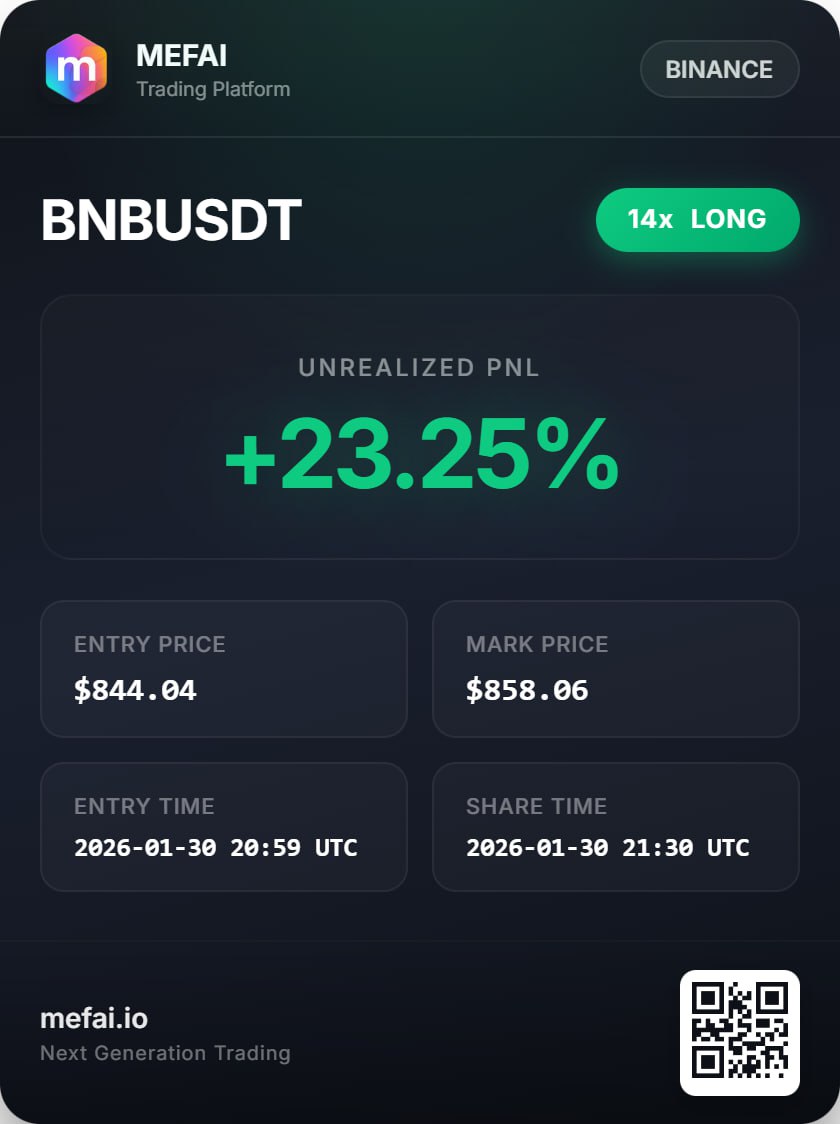
Real results from MEFAI's AI. Get $50 off the Pro plan.
Sponsored · Past performance is not indicative of future results. Not financial advice.

For private companies, participation in these exercises offers a rare opportunity to train with law enforcement in a low-risk environment. Many organizations lack the resources to simulate large-scale attacks on their own infrastructure. The Cyber Range provides a sandbox where they can test defenses, practice breach notification procedures, and receive feedback from experienced investigators. This kind of collaboration is especially valuable for sectors like healthcare, energy, and finance, which are frequent targets of sophisticated cybercriminals.
Lessons for the Private Sector: What Businesses Can Learn
The FBI’s Cyber Range isn’t just for federal agents—it offers several takeaways for businesses of all sizes. First, the need for realistic, immersive training is greater than ever. Traditional cybersecurity drills often rely on static scenarios or outdated tools. But as attacks grow more sophisticated, defenders must train under pressure, with real consequences. The Cyber Range shows that simulation doesn’t have to be expensive or complex to be effective—it just needs to be authentic.
Second, the integration of IT and OT environments is a growing requirement. Many organizations still treat cybersecurity and operational technology as separate domains, but the lines are blurring. A breach in a building management system could lead to a data leak, while an attack on a factory’s PLCs could halt production. Businesses should evaluate how their defenses perform in hybrid scenarios, where digital and physical systems interact.
Third, collaboration is key. The Cyber Range’s multi-agency approach highlights the importance of partnerships between government, law enforcement, and industry. Companies should consider joining information-sharing groups, participating in joint exercises, and building relationships with local cyber task forces. These connections can speed up incident response and provide access to critical resources during a crisis.
Finally, the human factor remains critical. Technology alone can’t stop an attack—people do. The Cyber Range emphasizes the role of decision-making under pressure, clear communication, and leadership in high-stakes situations. Businesses should invest in not just tools, but in training their teams to think strategically when responding to breaches.
Challenges and Limitations: What the Cyber Range Can—and Can’t—Do
While the Kinetic Cyber Range is a groundbreaking tool, it’s not a silver bullet. One limitation is scalability. The facility can accommodate dozens of participants at a time, but it can’t replicate the scale of a nationwide attack involving thousands of systems. Similarly, the simulated environments, though detailed, are still models. Real-world infrastructure is far more complex and interconnected, with legacy systems, third-party dependencies, and unpredictable user behavior.
Another challenge is keeping the simulations up to date. Cyber threats evolve rapidly, and the Cyber Range must constantly adapt to reflect new tactics, techniques, and procedures used by attackers. This requires ongoing investment in technology, staffing, and scenario development. For organizations considering similar training, the lesson is clear: simulation environments must be dynamic, not static.
There’s also the question of accessibility. While the FBI has opened the Cyber Range to partners, access is still limited by capacity, clearance requirements, and geographic constraints. Not every company or agency can participate. This highlights the need for more decentralized, scalable training solutions—perhaps even virtualized cyber ranges that can be accessed remotely.
The Future of Cybersecurity Training: What’s Next?
The FBI’s Cyber Range represents a step toward a new era of cybersecurity training—one that prioritizes realism, collaboration, and consequence-driven learning. As cyber threats grow in scale and sophistication, the demand for such facilities will likely increase. We may see similar ranges emerge in other countries, or even as commercial offerings for private-sector organizations.
One promising direction is the integration of artificial intelligence into training environments. AI-driven adversaries could simulate more adaptive and unpredictable attackers, forcing defenders to hone their analytical and creative problem-solving skills. Additionally, virtual reality (VR) and augmented reality (AR) could make simulations even more immersive, allowing teams to walk through a data center or hospital while responding to a breach.
For businesses, the message is clear: invest in training that reflects the real world. Whether through participation in joint exercises, adoption of simulation platforms, or development of internal cyber ranges, organizations must prepare for the worst-case scenario. The Kinetic Cyber Range isn’t just a training ground—it’s a blueprint for the future of cybersecurity readiness.
What to Watch Next
Over the coming year, watch for announcements about expanded access to the Cyber Range for private-sector partners, especially in healthcare, energy, and finance. Also, monitor for reports on how the FBI uses the facility to investigate and disrupt major cybercrime groups. On the technology side, keep an eye on developments in AI-driven cyber ranges and the integration of VR/AR into training programs.
For organizations looking to improve their own defenses, consider conducting a tabletop exercise that mimics a ransomware attack on critical infrastructure. Test your response plans, communication channels, and decision-making processes under pressure. The goal isn’t perfection—it’s resilience. And as the FBI’s Cyber Range demonstrates, the best way to build resilience is to practice in an environment where failure is an option, but not a catastrophe.
More in Cybersecurity & Privacy

Rokarolla Android Trojan Steals Banking and Crypto Credentials With 137 Commands
A new Android trojan named Rokarolla uses 137 commands to target 217 banking and crypto apps, steal credentials and SMS, and evade detection.
Malware Hidden in Steam Workshop Wallpapers Puts Gamers and Creators at Risk
Malicious wallpapers uploaded to Steam Workshop are being used to deliver backdoors, cryptominers and account hijackers to users of Wallpaper Engine, with tens of thousands of downloads before detecti
ClickFix Campaigns Add New Loaders and Fake Updates to Spread Malware
ClickFix social-engineering lures now drop three new loaders—BabaDeda, Lorem Ipsum, and Potemkin—that evade detection and install stealers and remote-access tools on education and finance networks.