
How to Choose a Password Manager: The Most Common Mistakes and How to Avoid Them
By Mag-Info Tech editorial · 2026-06-10
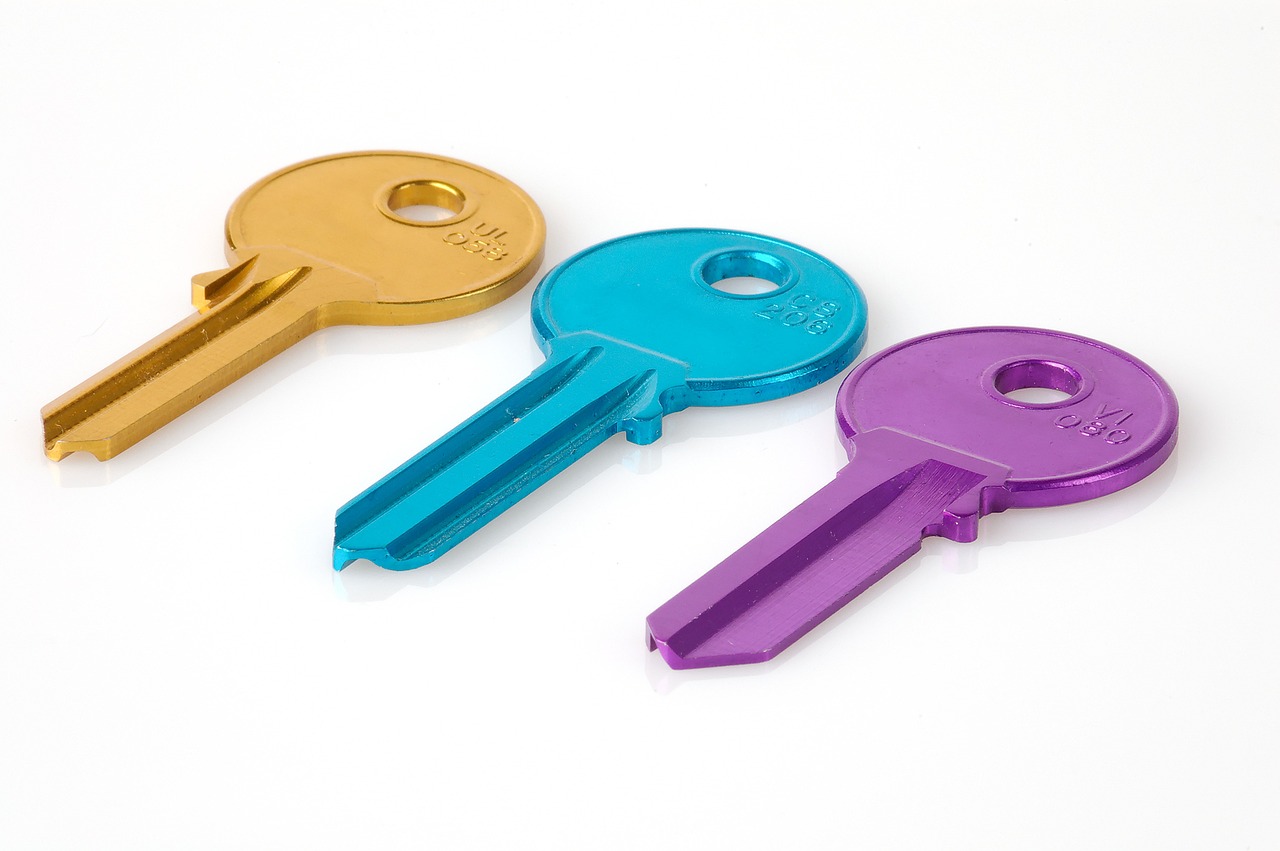
Why choosing the wrong password manager can do more harm than good
Password managers are supposed to reduce risk, but the wrong choice can create new ones. A tool that looks convenient on the surface might store your data in a way that leaves it exposed, or lock you out when you need it most. Others may not support the devices or browsers you use every day, turning a security upgrade into a daily frustration. The stakes are high: a single weak link can expose personal accounts, work systems, or even financial data. Before you choose, you need to know what usually goes wrong—and how to steer clear of those pitfalls.
The most common mistakes fall into a few clear categories: security oversights, usability traps, ecosystem limitations, and hidden costs. Some people assume all password managers are equally safe because they use encryption, without digging into how that encryption is implemented or who controls the keys. Others prioritize price or brand recognition over features that actually protect their identity and data. Many underestimate how important it is for the tool to work smoothly across phones, tablets, and computers, especially when switching between operating systems. By understanding these patterns, you can avoid them and select a password manager that truly meets your needs.
Mistake 1: Trusting encryption without checking the details
Not all encryption is created equal. Many password managers advertise “bank‑level encryption” or “AES‑256,” which sounds impressive but doesn’t tell you who holds the keys. In some products, the company itself can decrypt your vault if they receive a legal request or suffer a breach. Others use end‑to‑end encryption, meaning only you can unlock your data—even the provider cannot see it. The difference matters: if a service can access your passwords, they can be compelled to hand them over or become a target for attackers.
Another hidden risk is how the encryption keys are stored. Some services keep a copy of your master password hash on their servers, which can be cracked offline if the database is stolen. Others rely on your device’s secure enclave or hardware security module, making offline attacks much harder. Look for tools that use zero‑knowledge architecture, where your master password never leaves your device and your data is encrypted before it ever reaches their servers. Also confirm whether the product undergoes regular third‑party audits from firms like Cure53 or Bishop Fox—public reports signal transparency and help you trust the security claims.
Mistake 2: Ignoring where your data lives and who controls it
Where your password vault is stored determines both privacy and availability. Cloud‑based managers let you sync across devices automatically, which is convenient, but they also mean your data is on someone else’s servers. Some services store your vault in countries with strong privacy laws, while others may process data in regions with weaker protections or government access. If privacy is a priority—especially for journalists, activists, or professionals handling sensitive data—you may prefer a manager that supports local storage or end‑to‑end encrypted backups you control.
Even with cloud sync, the location of the company’s headquarters can influence legal exposure. A U.S.–based company may face warrants or subpoenas that a Swiss or German company would not. Some products offer optional self‑hosting, letting you run the server yourself in a private data center or on a home server. Others provide encrypted exports you can store offline on encrypted USB drives. Before you choose, map out your threat model: do you need global access, or are you comfortable with manual backups? Match the storage model to your risk tolerance and technical comfort.

Mistake 3: Overlooking cross‑platform and cross‑browser support
A password manager that only works on one operating system or browser is a liability. Many people switch between Windows, macOS, iOS, and Android daily, and some even use Linux at work. If your chosen tool doesn’t have apps for all your devices, you’ll end up copying passwords manually or using weaker alternatives—exactly what you wanted to avoid. Similarly, if it doesn’t integrate with your preferred browser, you may disable autofill or form filling, which defeats much of the convenience and security benefit.
Check the official list of supported platforms and browser extensions before you commit. Some managers offer full native apps for every major OS, while others rely on web interfaces or third‑party plugins. Pay attention to niche needs too: if you use a password manager at work, confirm it supports enterprise features like shared vaults, role‑based access, and directory integration (LDAP, SAML, SCIM). Also test the autofill behavior across different sites—some password managers struggle with complex login forms or single‑sign‑on flows. A tool that feels seamless today can become a daily annoyance if it breaks on just one site or device.
Mistake 4: Choosing convenience over identity protection features
Password managers do more than store passwords—they can help protect your digital identity. Many users only look at the password storage feature and ignore tools like secure password sharing, breach monitoring, and dark web scanning. These features alert you when your email appears in a known data breach or when a reused password is exposed online. Others offer built‑in 2FA token storage, secure notes, and even credit card monitoring. Skipping these capabilities means you might miss early warnings about compromised accounts or identity theft.
Another overlooked feature is secure sharing. If you need to share a password with a family member or colleague, using email or messaging apps is risky. A built‑in sharing tool with encryption and access controls is far safer. Some products also allow time‑limited or read‑only sharing, which reduces the risk if credentials are accidentally exposed. Before you decide, list the identity protection features you actually need—whether it’s monitoring for leaked data, encrypted document storage, or emergency access for trusted contacts—and verify they’re included in the plan you’re considering.
Mistake 5: Falling for free plans that don’t scale
Free password managers are great for basic use, but they often hit hard limits just when you need them most. Many restrict the number of devices, passwords, or shared vaults, or omit essential features like secure sharing, emergency access, or advanced 2FA support. Once you exceed those limits, you’re forced to upgrade—or compromise your security by exporting passwords to a less secure tool. Others include ads, analytics, or data collection in their free tiers, which can erode privacy even if the core encryption is solid.
Even paid plans vary widely in what they include. Some treat features like dark web monitoring or secure file storage as premium add‑ons, while others bundle them in the base price. Compare not just the cost, but what you get for it. If you’re managing work accounts, a family, or multiple devices, a mid‑tier or family plan may be more cost‑effective long‑term than a free tier that forces upgrades later. Consider the total cost of ownership over two or three years, not just the first invoice.
Real results from MEFAI's AI. Get $50 off the Pro plan.
Sponsored · Past performance is not indicative of future results. Not financial advice.


Mistake 6: Neglecting emergency access and recovery options
What happens if you forget your master password or lose access to your devices? Some password managers offer no recovery path, meaning your vault could be permanently locked. Others provide account recovery via email or security questions, which can be exploited by attackers. The safest approach is a manager that supports offline recovery keys or designated emergency contacts who can request access after a waiting period. This feature is especially important for sole proprietors, freelancers, or anyone who might be incapacitated.
Another aspect is backup and export. If a product doesn’t let you export your vault in an encrypted format, you’re locked into their ecosystem. That can be dangerous if the company shuts down, changes pricing, or suffers a breach. Look for tools that allow encrypted exports you can store offline or import into another manager. Also check the recovery process: some require identity verification via government ID, which can be slow or inaccessible in emergencies. A clear, documented recovery path is a sign of a mature, user‑centric product.
Mistake 7: Prioritizing brand or price over actual security posture
It’s easy to choose a password manager because it’s well‑known or heavily advertised, but brand recognition doesn’t equal security. Some large companies have suffered breaches or had their source code audited with critical findings that went unpatched for months. Others have misleading marketing around “military‑grade” encryption without disclosing key management practices. Price is also a poor proxy for safety: a $3‑per‑month manager might be more secure than a $12‑per‑month one, depending on architecture and audits.
Instead, focus on verifiable signals: public audit reports, bug bounty programs, transparent data handling policies, and open‑source code. Open‑source products let security researchers inspect the code, which reduces hidden backdoors or vulnerabilities. Also look at the company’s incident response history. How quickly did they disclose breaches? Did they force password resets? Did they revoke compromised keys? A transparent, responsive vendor is more important than flashy features or celebrity endorsements.
Mistake 8: Not testing the user experience before committing
A password manager can have flawless security on paper but be unusable in practice. If the autofill doesn’t work on your most‑used websites, you’ll manually type passwords—defeating the purpose. If the mobile app is slow or crashes often, you’ll disable it. If the setup process is confusing or requires advanced technical knowledge, you might skip important steps like enabling 2FA for the vault itself. Before you buy, run a trial: install the app on your primary devices, try importing passwords, and test autofill on a few critical sites.
Pay attention to how the product handles updates and migrations. Some managers make it easy to switch, while others lock you in with proprietary formats. Also check whether the product supports password hygiene features like strength analysis, reuse detection, and automatic password changing. A tool that nudges you to replace weak or reused passwords is more valuable than one that just stores them passively. User experience isn’t just convenience—it’s a security multiplier.
How to compare password managers step by step
Start by listing your must‑have features: cross‑platform support, encrypted sharing, dark web monitoring, or local storage. Then map them to your threat model: do you need protection against state surveillance, corporate data collection, or opportunistic hackers? Next, evaluate each candidate against the criteria above—encryption model, key control, audit history, platform support, recovery options, and pricing tiers. Use free trials or free plans to test real‑world usage on your devices. Avoid products that don’t offer transparent documentation or clear terms of service.
When you narrow down your choices, compare their identity protection features side by side. Some managers integrate with credit bureaus for identity theft alerts, while others focus on dark web monitoring. If you travel internationally or use public Wi‑Fi, prioritize tools with built‑in VPNs or encrypted Wi‑Fi protection. For teams or families, look at shared vaults, role‑based permissions, and emergency access. Finally, read recent user reviews—not just the top ratings—to spot recurring issues like sync failures, support delays, or billing surprises.
Quick guide: Which password manager fits your needs?
If you need maximum privacy and control, consider a zero‑knowledge, open‑source manager with local storage and self‑hosting options. These tools minimize third‑party exposure and let you audit the code yourself. For families or small teams, look for shared vaults, secure sharing, and emergency access with multiple recovery contacts. If you rely on multiple devices and browsers, prioritize products with native apps for all major platforms and reliable autofill across sites.
For professionals handling sensitive data, choose a manager with strong audit history, bug bounty programs, and encrypted backups you control. If you’re on a tight budget, start with a reputable free plan, but be ready to upgrade when you need more devices or features. Avoid managers that monetize through ads, analytics, or data resale—these practices undermine your privacy even if the encryption is solid.
Final checklist before you decide
- Verify zero‑knowledge architecture and who controls the encryption keys
- Confirm cross‑platform and cross‑browser support for all your devices
- Check audit reports and incident response history from third parties
- Test autofill and import/export on your most‑used websites
- Evaluate identity protection features like breach monitoring and secure sharing
- Review recovery options and backup formats for emergencies
- Compare pricing tiers and feature limits across at least two years
- Run a free trial or use the free plan to validate real‑world usability
A password manager should reduce your risk, not add to it. By avoiding these common mistakes and focusing on security, privacy, and usability, you can choose a tool that protects your digital life today and adapts as your needs change.
More in Cybersecurity & Privacy

Proto6 Vulnerabilities in protobuf.js Put Node.js Apps at Risk of Code Execution and Crashes
Six Proto6 vulnerabilities in protobuf.js can lead to remote code execution or denial-of-service in Node.js apps that deserialize untrusted Protobuf data, Google Cloud libraries, messaging bots and CI

VPN for Beginners: How to Choose Your First Privacy Tool
A practical, evergreen guide to VPNs for newcomers: what they do, what to look for, and six beginner-friendly services compared by use case.

Free vs Paid VPN: What’s Actually Worth Paying For in 2025
A practical guide to deciding when a free VPN is enough and which paid plans deliver real privacy, streaming and security benefits you can rely on.