
Password Managers for Beginners: How to Choose Your First Secure Vault
By Mag-Info Tech editorial · 2026-06-10

Why a password manager is the first security step every beginner should take
If you have ever reused the same simple password across websites or written one down on a sticky note, you are already at risk. A password manager acts as a secure digital vault that stores all your login details in an encrypted form and fills them in automatically when you visit a site or app. For newcomers, the biggest benefit is removing the need to remember dozens of complex passwords while dramatically improving security. Instead of weak, reused passwords, the manager can generate strong, unique passwords for every account and sync them across your devices. This eliminates the two most common causes of breaches—password reuse and phishing that tricks users into entering credentials on fake sites. Once set up, a manager runs quietly in the background, so you get stronger security without changing how you use the internet.
The first practical step is to recognize that not all password managers work the same way. Some are built into web browsers, while others are independent apps with extra features like secure sharing or encrypted notes. Choosing the right one depends on your habits and the devices you use most. If you primarily browse on a phone, look for a manager with a polished mobile app and easy autofill. If you work across Windows, macOS, Linux, Android and iOS, pick one with broad, reliable sync. Beginners should also consider how easy it is to import existing passwords and whether the service offers clear guidance for getting started. The goal is to pick a tool that fits your routine so you actually use it every day.
What to look for as a beginner: the essential features that matter
The most important feature is strong encryption. Look for managers that use AES-256 or equivalent encryption standards and have independent security audits. This ensures your vault remains locked even if the company’s servers are compromised. Another critical feature is zero-knowledge architecture, which means the company cannot see or decrypt your passwords—only you can. This is a standard among reputable managers, but it’s worth confirming in the product’s documentation.
Next, consider ease of use and cross-platform support. A beginner-friendly manager should offer straightforward import tools to bring in passwords from browsers or other managers without manual typing. It should also provide reliable autofill and automatic password capture so you don’t have to manually add every new login. Check that the manager supports all the devices and browsers you use regularly, including mobile apps with biometric login (fingerprint or face ID). Some services limit certain features to paid tiers, so clarify what’s included in the free version if you want to start without paying. Finally, look for built-in breach monitoring that alerts you if any stored password appears in a known data leak—this adds an important layer of proactive protection without requiring extra setup.
Built-in browser managers: the easiest way to start with no extra app
Most people already have a password manager built into their browser. Chrome, Safari, Firefox and Edge all include basic managers that automatically save and fill passwords. For absolute beginners, this is the fastest way to get started because there’s nothing new to install or configure. The browser manager works seamlessly with the sites you already visit and syncs across devices if you’re signed in with your browser account. It also handles basic password generation and breach alerts in most modern browsers. This makes it ideal for users who want security improvements without learning a new tool or paying for a premium service.
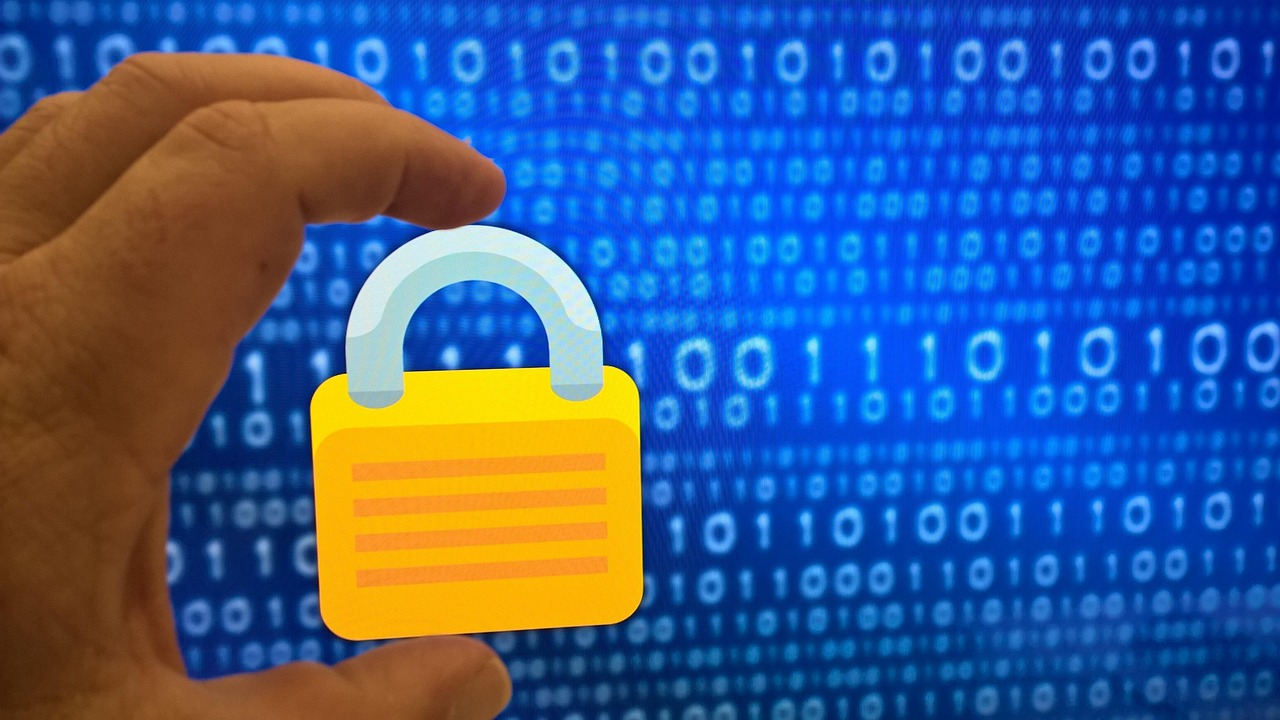
However, browser managers have limitations. They typically don’t offer secure sharing, encrypted notes, or advanced two-factor authentication options. If you need to share a password with a family member or store sensitive information beyond logins, you’ll quickly outgrow the built-in tool. Browser managers also rely on the browser’s sync infrastructure, which may not be as reliable as dedicated password vaults for users with mixed device ecosystems. Another consideration is privacy: browser managers are tied to the browser vendor, so if you switch browsers or want to reduce reliance on a single company, you may face friction when migrating passwords. For these reasons, built-in managers are best viewed as a starting point rather than a long-term solution for anyone with more than a handful of important accounts.
Dedicated managers for beginners who want more control and features
If you decide you need more than a browser manager can offer, dedicated password managers are the next step. Services like Bitwarden, 1Password and Keeper provide a full vault with secure sharing, encrypted notes, stronger two-factor authentication, and cross-platform apps that work consistently on phones, tablets and computers. These tools are designed to be user-friendly, with clear onboarding, import wizards and guided setup. They also offer family plans that make it easy to share passwords securely with household members without sending them in plain text messages.
Among the beginner-friendly dedicated managers, Bitwarden stands out for its open-source approach and generous free tier. It supports all major platforms, offers secure password sharing for small groups, and includes basic breach monitoring. 1Password is known for its polished interface and family-focused features, making it a strong choice for households that want to manage logins and sensitive documents together. Keeper emphasizes security certifications and compliance, which can be reassuring for users who handle sensitive data or work in regulated fields. All three services use zero-knowledge encryption and provide emergency access options so trusted contacts can retrieve your vault if needed. For beginners who want a clear upgrade path from a browser manager, these dedicated tools offer the right balance of simplicity and capability.
How to migrate from browser passwords to a dedicated manager without frustration
Moving your existing passwords into a dedicated manager can feel daunting, but most services automate the process. Start by installing the manager’s browser extension or mobile app and signing in with your new account. Use the built-in import tool to bring in passwords from your browser, which usually takes a few clicks. The manager will prompt you to review and confirm each entry, so you can clean up duplicates or outdated logins as you go. Some services also offer desktop apps with import wizards for CSV files if you prefer to export from your browser first.
Once your passwords are imported, enable autofill and automatic password capture so the manager starts updating itself as you log in to new sites. Next, enable two-factor authentication on your manager account itself—this is critical because it protects your vault if your master password is ever compromised. Many beginners skip this step, leaving their entire password collection exposed to a single point of failure. Finally, set up emergency access for a trusted family member or close friend so they can retrieve your vault if something happens to you. The entire migration process usually takes less than an hour, and the time saved on future logins quickly outweighs the initial effort.
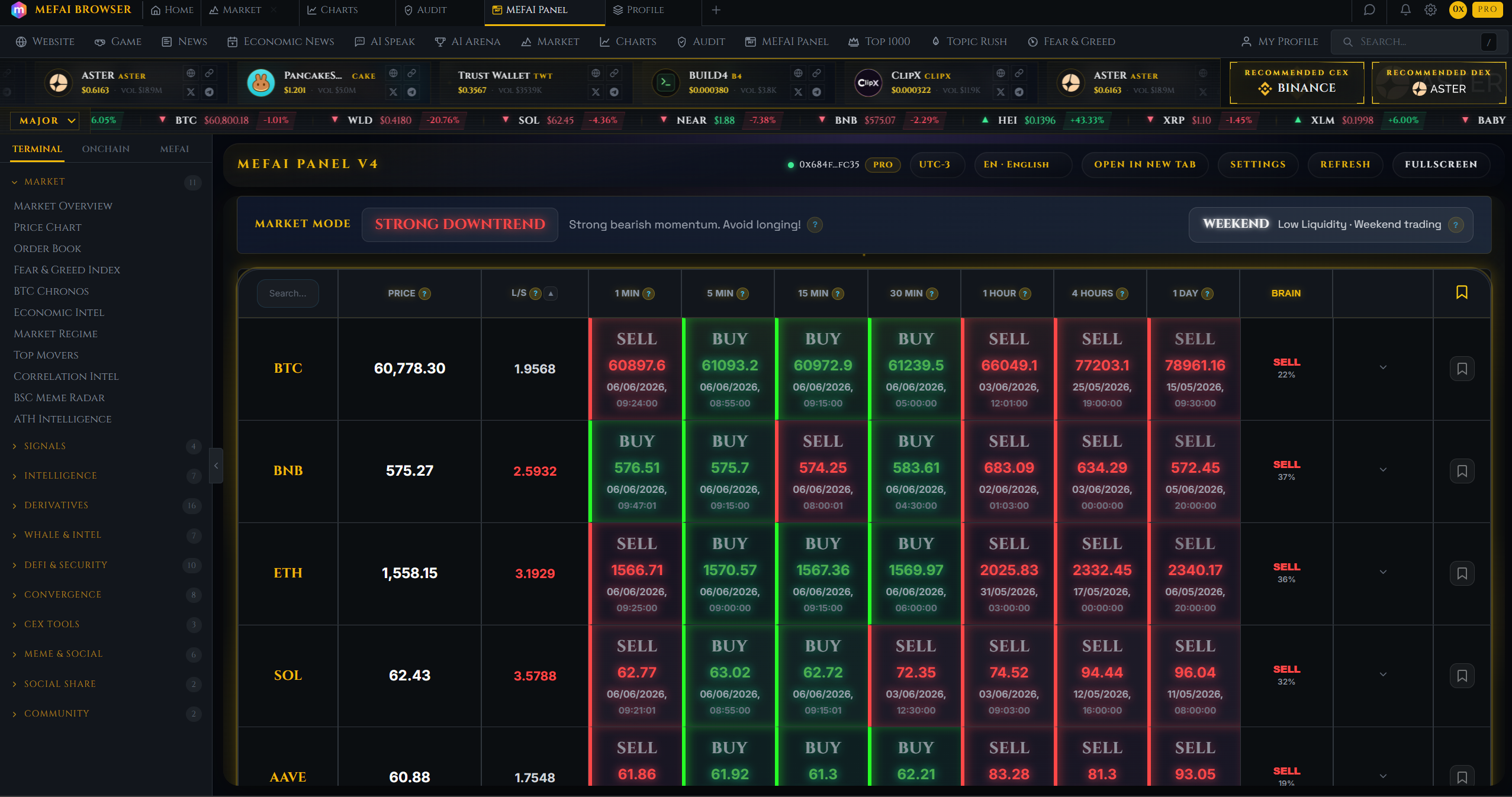
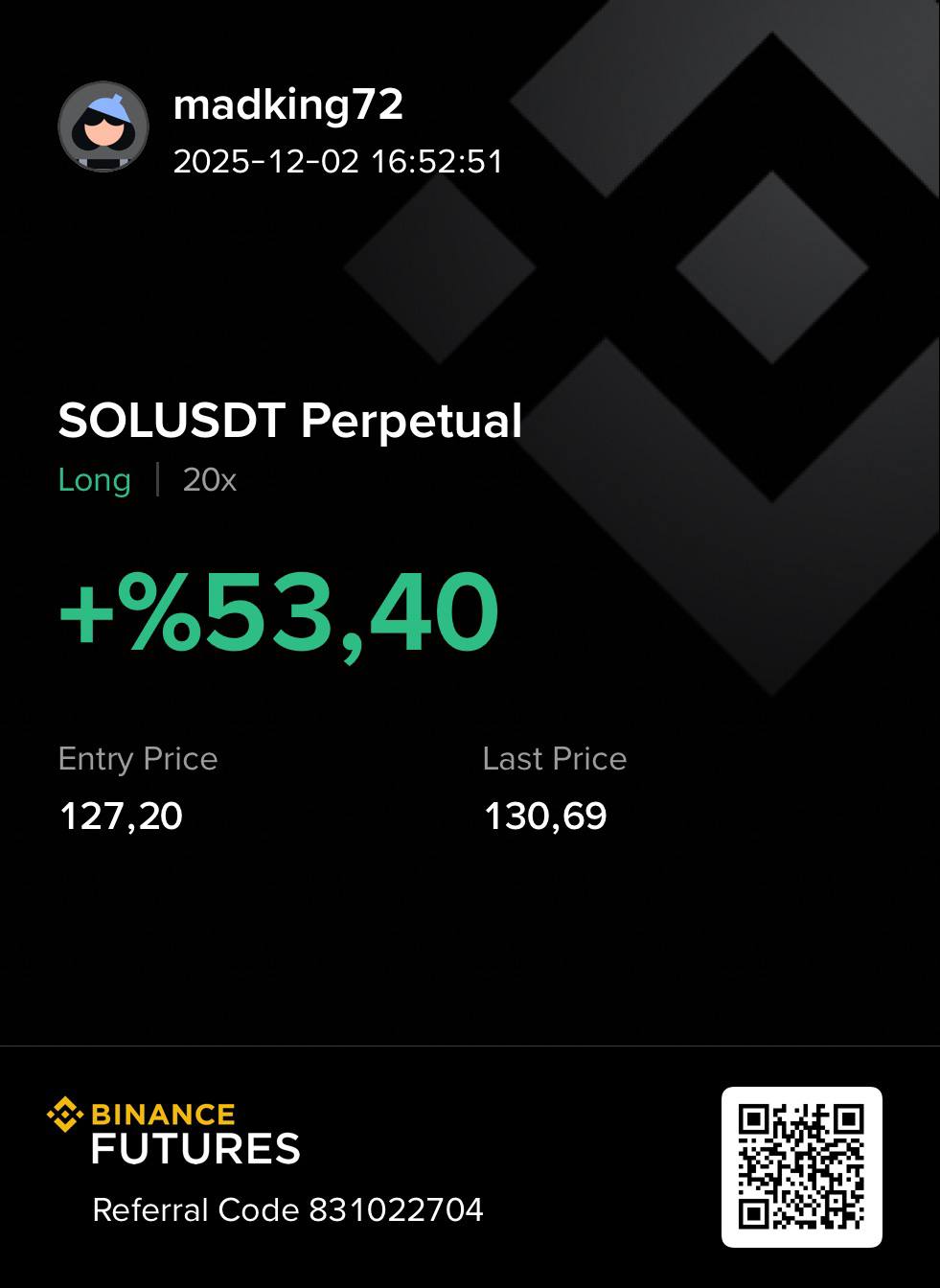
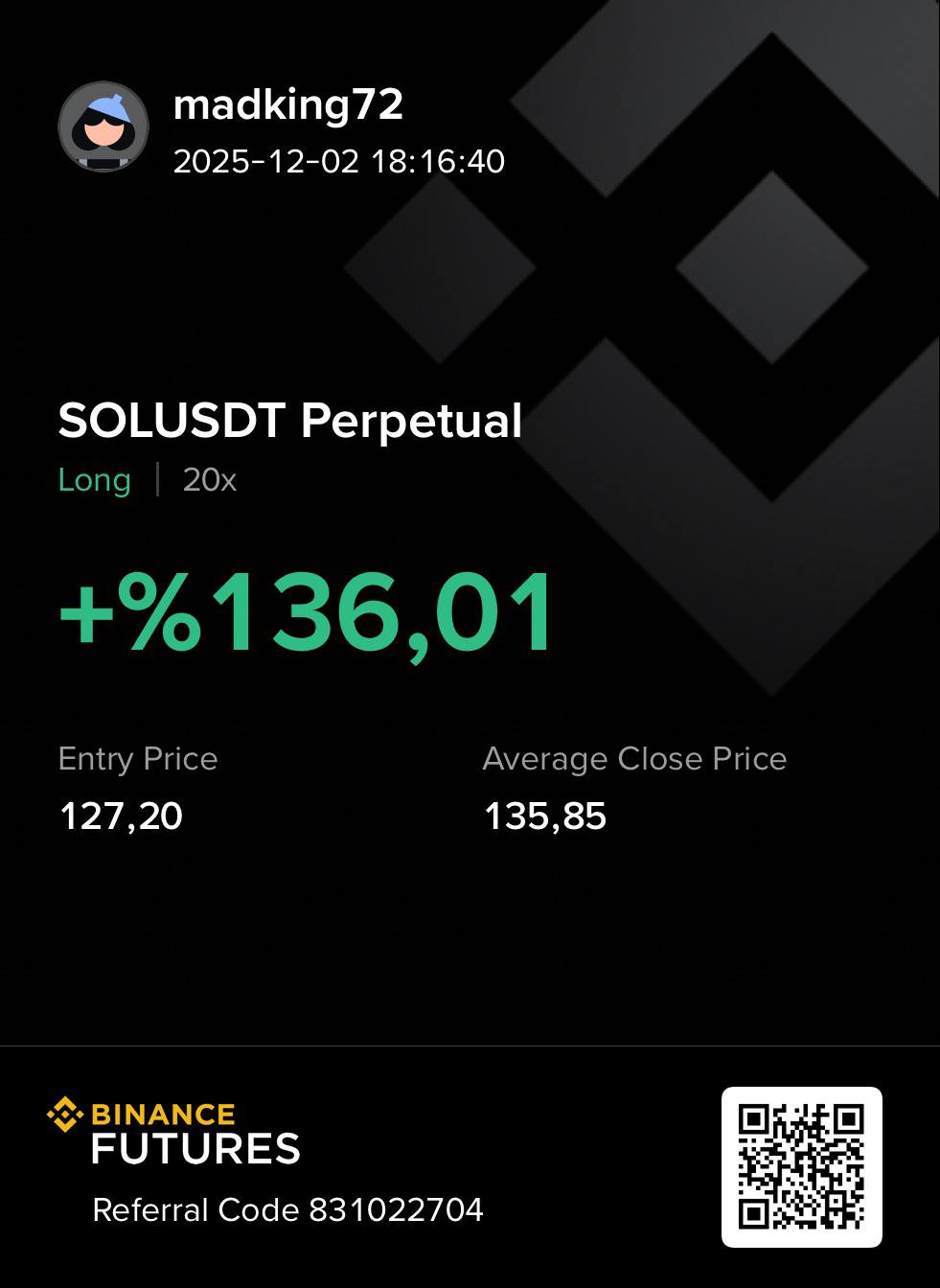
Real results from MEFAI's AI. Get $50 off the Pro plan.
Sponsored · Past performance is not indicative of future results. Not financial advice.

Mobile-first managers: the best options if you live on your smartphone
If you primarily use your phone to browse, shop and bank, a mobile-first password manager can make daily life easier. Services like LastPass, Dashlane and Enpass focus on fast autofill, biometric unlock and clean mobile interfaces. LastPass offers a free tier with unlimited password storage and basic sharing, while Dashlane emphasizes breach monitoring and a built-in VPN on premium plans. Enpass is unique in that it stores your vault locally by default but offers optional cloud sync, which appeals to users who want more control over where their data lives.
For mobile users, the key is seamless autofill and quick access to one-time codes from your authenticator app. Many mobile-first managers integrate with system-level autofill on iOS and Android, so you don’t need to open a separate app to log in. They also support biometric unlock, which is faster and more secure than typing a master password every time. When choosing a mobile-first manager, check the app’s rating and update frequency—mobile apps that are updated regularly are less likely to break after system updates. Also consider whether the service supports secure sharing and secure notes, since these features become more useful as you accumulate more logins on your phone.
Family and shared use: how to safely share passwords with household members
Sharing passwords securely with family members or roommates requires a manager that supports secure sharing without exposing plaintext passwords. Dedicated managers like 1Password, Bitwarden and Keeper allow you to create shared folders or collections where you can store logins, Wi-Fi passwords and secure notes. Each family member can access only the items they need, and you can revoke access at any time. This is far safer than sending passwords in text messages or writing them on a shared whiteboard.
When setting up shared access, start by creating a dedicated folder for household accounts like streaming services, utilities or shared devices. Assign each family member their own login to the manager, and enable two-factor authentication for all shared accounts. Avoid sharing the master password itself—use the manager’s built-in sharing features instead. For parents with children, look for managers that offer family plans with parental controls or activity logs so you can monitor usage without invading privacy. The goal is to reduce friction for daily shared logins while maintaining strong security controls.
Free vs. paid: what beginners actually need to pay for
Most dedicated password managers offer a free tier that covers basic password storage and autofill across devices. These free plans are perfectly adequate for individuals who only need to store and generate passwords. If you want to share passwords with one other person, you may need a paid plan, as free tiers often limit sharing to a single user. Paid plans typically unlock family sharing, advanced two-factor authentication, breach monitoring and encrypted storage for documents or secure notes.

For most beginners, the free tier is enough to start and learn whether a dedicated manager fits their routine. Once you accumulate more accounts or want to share passwords with family, upgrading to a paid plan is worth the cost. The key is to compare features across services and avoid paying for capabilities you won’t use. For example, if you don’t need document storage or a VPN, don’t choose a plan that bundles these extras. Focus on core features like secure sharing, reliable sync and strong encryption when deciding whether to upgrade.
Getting started in five practical steps
- Pick a manager that matches your main devices—start with the built-in browser manager if you want zero learning curve, or choose a dedicated manager like Bitwarden, 1Password or Keeper if you want more features.
- Install the app or browser extension and create a strong master password—this is the only password you’ll need to remember, so make it long and unique.
- Import your existing passwords using the manager’s import tool—most services can pull passwords directly from your browser or a CSV export.
- Enable autofill, automatic password capture and two-factor authentication on your manager account—this protects your vault from unauthorized access.
- Gradually replace reused passwords with strong, unique ones generated by the manager—start with your most important accounts like email and banking.
Once these steps are complete, your password security will improve immediately. The manager will quietly work in the background, filling in logins and alerting you to breaches. Over time, you’ll build a vault of strong, unique passwords that you never need to remember or reuse. This is the simplest way to lock down your digital life without changing how you use the internet.
Final verdict: the best starting points for beginners
If you want the simplest possible start, use the password manager built into your browser. It requires no setup and improves security right away by generating strong passwords and warning you about breaches. This is the best choice if you only need basic protection and don’t plan to share passwords or store sensitive notes.
If you want a dedicated manager with room to grow, Bitwarden is the best free option, offering strong encryption, cross-platform support and secure sharing on its free tier. 1Password is ideal for families or users who value polish and ease of use, while Keeper is a solid choice for users who prioritize security certifications and compliance. Any of these services will take your security to the next level while remaining beginner-friendly.
More in Cybersecurity & Privacy

Proto6 Vulnerabilities in protobuf.js Put Node.js Apps at Risk of Code Execution and Crashes
Six Proto6 vulnerabilities in protobuf.js can lead to remote code execution or denial-of-service in Node.js apps that deserialize untrusted Protobuf data, Google Cloud libraries, messaging bots and CI
VPN for Beginners: How to Choose Your First Privacy Tool
A practical, evergreen guide to VPNs for newcomers: what they do, what to look for, and six beginner-friendly services compared by use case.

Free vs Paid VPN: What’s Actually Worth Paying For in 2025
A practical guide to deciding when a free VPN is enough and which paid plans deliver real privacy, streaming and security benefits you can rely on.