
The Most Common Mistakes When Choosing Antivirus & Protection Software
By Mag-Info Tech editorial · 2026-06-10

Choosing antivirus software is one of the simplest ways to improve your digital safety, yet it is also one of the easiest places to make costly errors. Many users focus on flashy marketing, low prices, or brand recognition and end up with software that misses real threats, slows down their devices, or creates a false sense of security. Others buy solutions designed for businesses when they only need protection for a few personal devices. Some ignore how the software handles privacy or how it performs under real-world conditions. The result is often the same: gaps in protection, wasted money, or unnecessary frustration.
Below are the seven most common mistakes people make when choosing antivirus and endpoint security software, along with clear guidance on how to avoid each one. Whether you are protecting a single home PC, a family of devices, or a small office network, these practical criteria will help you select software that actually works.
1. Prioritizing price over protection
The first mistake is assuming that cheaper or free antivirus tools provide adequate defense. While free antivirus programs can offer basic scanning and signature updates, they often lack advanced behavioral detection, real-time cloud analysis, and ransomware shields. These gaps leave users exposed to zero-day exploits, fileless malware, and sophisticated phishing attacks. On the other end, premium suites sometimes bundle unnecessary features—like VPNs, identity theft monitoring, or tune-up tools—that inflate the cost without improving core malware detection.
Practical takeaway: Compare core protection scores from independent labs such as AV-Test or AV-Comparatives. Look for products that consistently rank in the top tier for malware detection and removal, regardless of price. If you need multiple devices covered, calculate the cost per device across a one- or two-year subscription to avoid sticker shock later.
2. Ignoring independent test results
Many buyers rely on advertisements, influencer reviews, or brand reputation alone. These sources rarely reflect real-world performance against the latest threats. Independent test labs run controlled malware samples, zero-day attacks, and false-positive tests to measure how well software detects and blocks threats without disrupting legitimate use. Products that score poorly in these tests may miss infections or flag safe files as dangerous, leading to either undetected breaches or constant pop-ups.
Practical takeaway: Check the latest quarterly reports from AV-Test and AV-Comparatives. Focus on categories relevant to your needs—Windows consumer, macOS, or Android—and note detection rates, system impact, and usability scores. If a product is absent from these reports or consistently scores below 98% detection, treat it as a red flag.
3. Overlooking real-time vs. on-demand scanning
Some users believe that running a manual scan once a week is enough protection. While scheduled scans help remove existing malware, they do nothing to stop threats the moment they appear. Real-time protection—often called on-access scanning—monitors files, downloads, emails, and websites as they are accessed. Without it, malware can execute before any scan runs, especially during phishing attacks or drive-by downloads.
Practical takeaway: Confirm that any software you consider includes real-time scanning as a default feature. Check whether it monitors web traffic, email attachments, and USB drives. If the product disables real-time scanning by default or makes it an opt-in setting, look elsewhere.
4. Choosing a one-size-fits-all product for diverse devices
Antivirus software designed for Windows PCs does not always translate well to macOS, Linux, or mobile devices. Some products apply the same detection engine across platforms, which can result in weaker performance on non-Windows systems. Others may lack features such as sandboxing, firewall integration, or ransomware rollback on macOS or Android, leaving those devices exposed.
Practical takeaway: Match the software to your operating system and use case. If you have a mix of Windows, macOS, and Android devices, choose a vendor that offers consistent protection across all platforms with centralized management. Ensure mobile editions include anti-theft, app scanning, and network protection—not just basic malware scans.
5. Neglecting performance impact and system slowdowns
Antivirus software that consumes excessive CPU, memory, or disk resources can make a fast computer feel sluggish, especially during scans or updates. Some products perform deep scans that run at inconvenient times, disrupting work or gaming. Others install background services that persist even when the main interface is closed, leading to unnecessary drain.
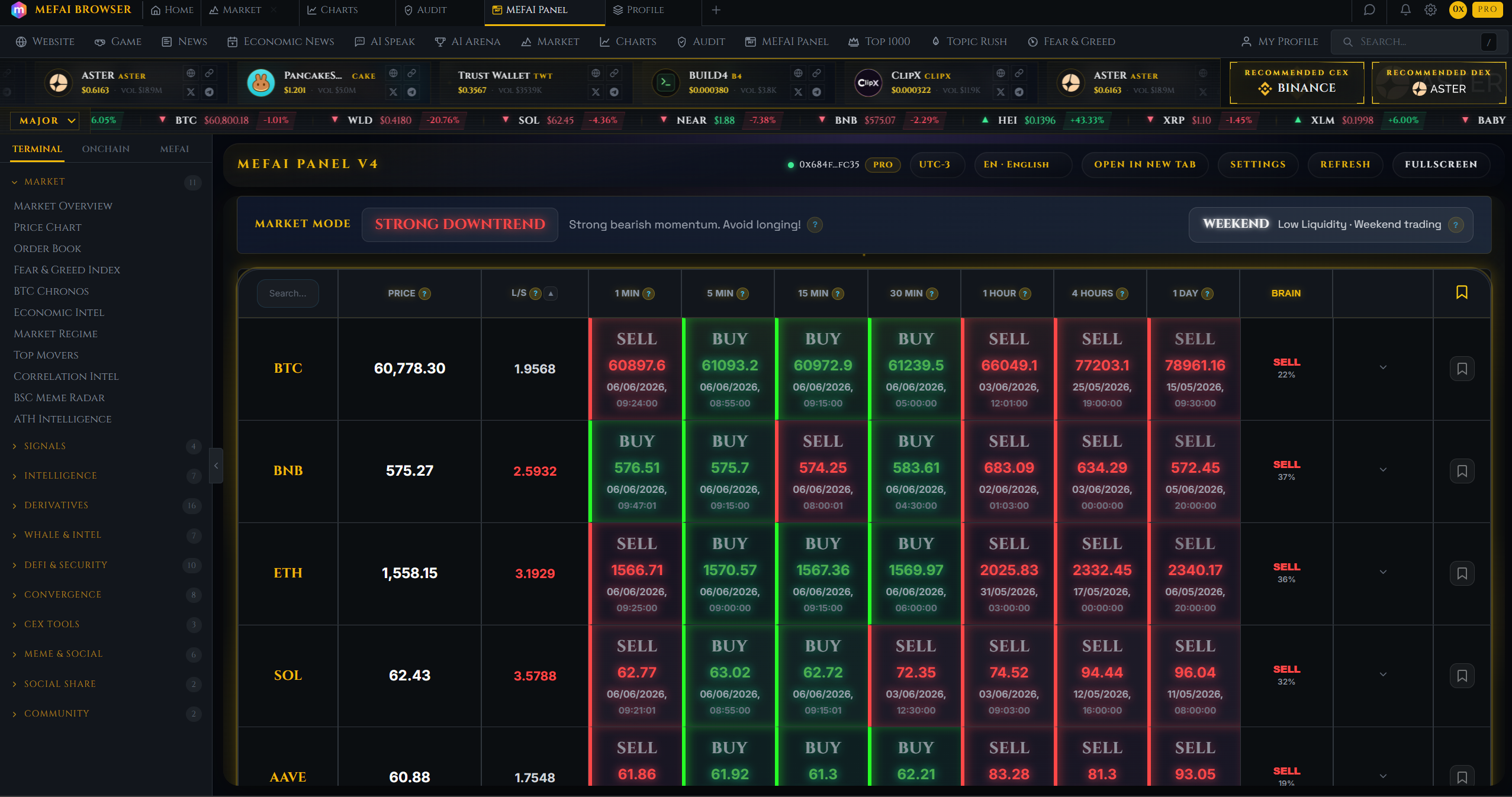
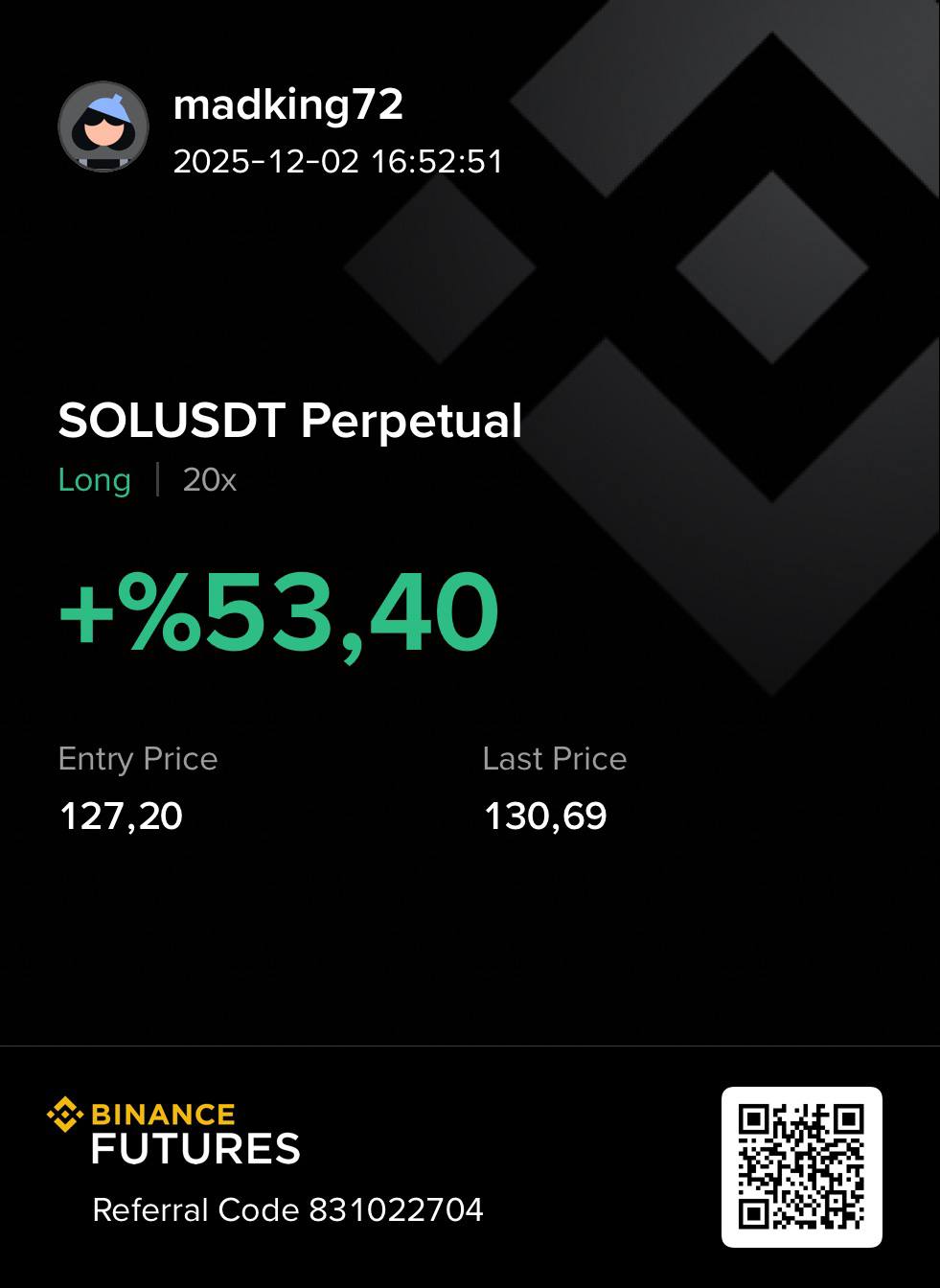
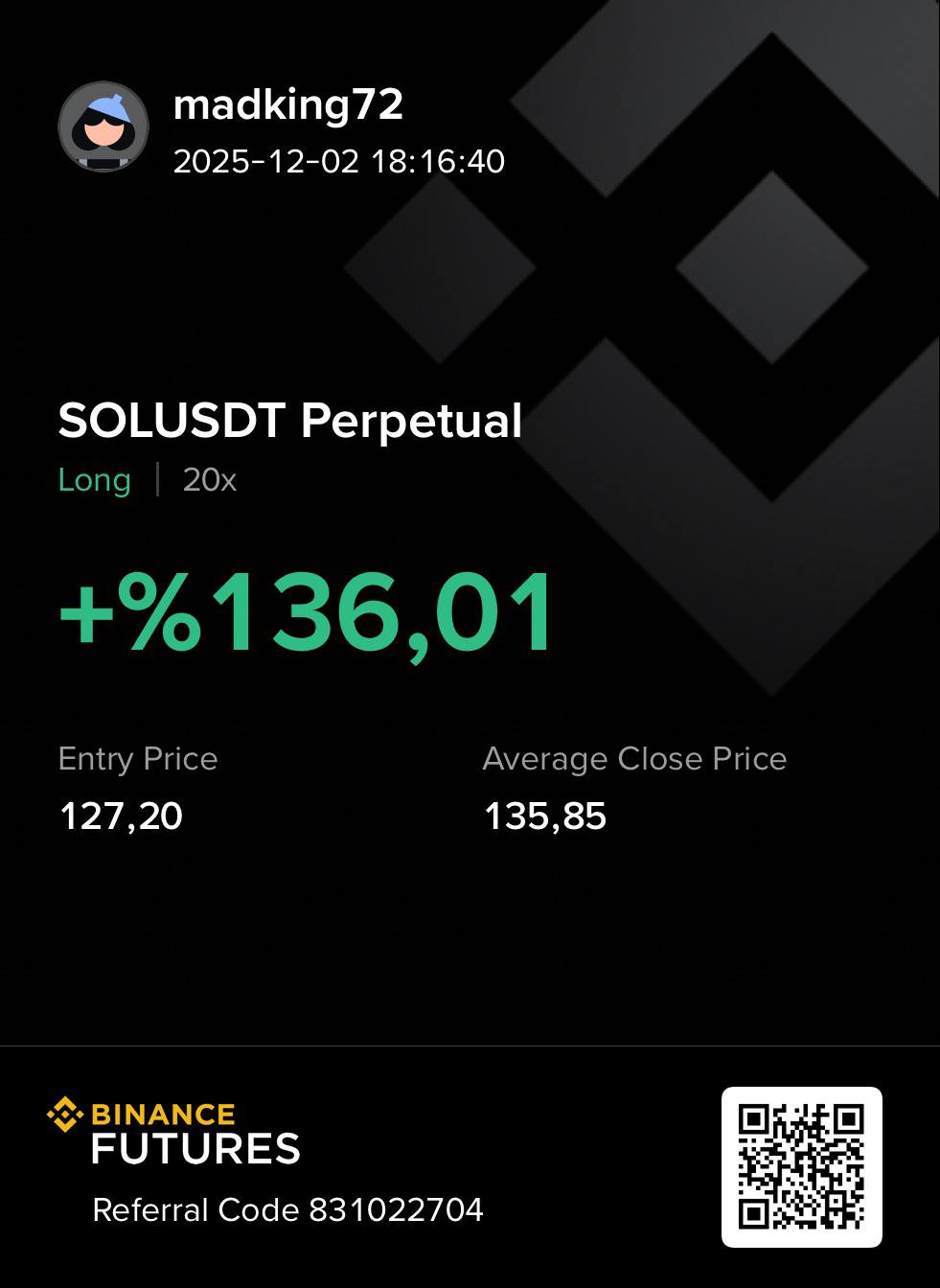

Real results from MEFAI's AI. Get $50 off the Pro plan.
Sponsored · Past performance is not indicative of future results. Not financial advice.

Practical takeaway: Look for products with lightweight engines and configurable scan schedules. Check user reviews for mentions of slowdowns during gaming, video editing, or heavy multitasking. Consider products that allow you to set scan times, pause real-time protection temporarily, or whitelist trusted applications to minimize interruptions.

6. Failing to evaluate privacy and data handling
Many antivirus products collect telemetry, scan personal files, or share data with third parties for marketing or threat intelligence. Some go further by scanning encrypted traffic or uploading suspicious files to cloud servers without clear disclosure. While this data sharing can improve detection, it may also expose sensitive documents or browsing habits to unauthorized parties.
Practical takeaway: Read the vendor’s privacy policy carefully. Look for products that minimize data collection, allow you to opt out of telemetry, and encrypt any files sent for analysis. Avoid vendors known for aggressive data monetization or opaque sharing practices. If privacy is a priority, choose software with a documented “no telemetry” mode or a privacy-focused certification.
7. Buying business-grade tools for personal or small-office use
Business antivirus suites often include advanced features like endpoint detection and response (EDR), centralized management consoles, and deployment tools that are unnecessary for home users or very small offices. These products are more complex to set up, require ongoing administration, and usually come with higher licensing costs. Meanwhile, they may lack user-friendly interfaces or mobile app support that matter to non-technical users.
Practical takeaway: Match the product tier to your environment. For a single home PC or a family of devices, choose a consumer-grade suite with a simple dashboard and automatic updates. For a small office with a few laptops and shared printers, look for a small-business plan that still offers ease of use and remote management without enterprise complexity.
How to compare the top antivirus products
With the mistakes above in mind, here is how to evaluate leading antivirus products in practice:
- Malware detection and response: Look for products that combine signature-based scanning with behavioral AI and cloud lookups. Examples include software that uses machine learning to detect unknown threats and rolls back encrypted files after ransomware attacks.
- Platform coverage: Ensure the product protects all devices you own—Windows, macOS, Android, and iOS if needed. Some vendors offer cross-platform licenses that simplify management and reduce costs.
- Real-time monitoring: Confirm that web, email, and download scanning are enabled by default and cannot be easily disabled by users.
- System impact: Choose software with minimal background footprint and user-adjustable scan schedules.
- Privacy controls: Prefer vendors with clear data-handling policies, encryption of uploaded samples, and opt-out options for telemetry.
- Support and updates: Check whether the vendor provides 24/7 support, rapid definition updates, and a history of consistent patching.

Among the well-known products that consistently meet these criteria are Bitdefender, Kaspersky, Norton, ESET, and Windows Defender (with optional enhanced features). Each has strengths in different areas:
- Bitdefender excels in detection accuracy and low system impact, making it a strong choice for users who want robust protection without slowdowns.
- Kaspersky offers advanced threat intelligence and ransomware rollback, ideal for users concerned about targeted attacks or data recovery.
- Norton provides broad platform coverage and identity theft monitoring, suitable for users who want extra layers beyond malware protection.
- ESET balances performance and customization, appealing to users who prefer fine-grained control over scans and updates.
- Windows Defender, when paired with Microsoft’s built-in security tools, can serve as a baseline for Windows users who prioritize simplicity and minimal setup.
Final checklist before you buy
Before you purchase or renew antivirus software, run through this checklist:
- Confirm the product has scored above 98% in the latest independent lab tests for malware detection.
- Verify it includes real-time scanning across web, email, and downloads without requiring manual activation.
- Check that it supports all your devices and operating systems under a single license.
- Read the privacy policy to ensure it limits data collection and encrypts uploaded files.
- Test the free trial or money-back guarantee to confirm it does not slow down your system during normal use.
- Ensure updates are automatic and frequent, ideally multiple times per day.
By avoiding the common mistakes outlined here and using the criteria above, you can choose antivirus software that actually protects your devices without unnecessary complexity or cost. The right tool should run quietly in the background, update automatically, and give you confidence—not just a checkbox on a feature list.
More in Cybersecurity & Privacy

Proto6 Vulnerabilities in protobuf.js Put Node.js Apps at Risk of Code Execution and Crashes
Six Proto6 vulnerabilities in protobuf.js can lead to remote code execution or denial-of-service in Node.js apps that deserialize untrusted Protobuf data, Google Cloud libraries, messaging bots and CI

VPN for Beginners: How to Choose Your First Privacy Tool
A practical, evergreen guide to VPNs for newcomers: what they do, what to look for, and six beginner-friendly services compared by use case.

How Password Managers Are Evolving in 2026: What to Look For and Which Tools Fit Your Needs
Password managers now store more than passwords: secure notes, passkeys, breach alerts and identity protection. We compare Bitwarden, 1Password, KeePassXC, Keeper, Dashlane and Proton Pass to help you