
Bitcoin UTXO Capitulation Points to a Potential Market Bottom
By Mag-Info Tech editorial · 2026-06-28
Bitcoin’s recent on-chain behavior is sending a familiar signal to market observers. The ratio of spent transaction outputs at a loss versus those spent at a profit has dropped to its lowest point in the current bearish cycle, a pattern that has historically aligned with market bottoms. Analysts tracking unspent transaction outputs (UTXOs) now suggest that capitulation—when investors surrender and exit positions—may be underway. If past cycles are any guide, such phases have often preceded strong recovery opportunities for long-term holders willing to accumulate during the downturn.
This UTXO-based metric reflects the emotional and financial stress of investors. When the number of outputs spent at a loss rises sharply relative to those spent profitably, it typically signals widespread selling pressure and a loss of conviction. The current reading marks the first such extreme in this correction, a development that has historically coincided with price lows. For example, the last time this ratio reached comparable levels was mid-2023, when Bitcoin traded near $26,000. That period marked the tail end of a prolonged bear market before a sustained upward move. The recurrence of this pattern now suggests the market may be approaching a similar inflection point, though the process is likely to unfold over weeks rather than days.
What UTXOs Tell Us About Market Sentiment
Unspent transaction outputs are the atomic units of Bitcoin’s accounting system. Each UTXO represents a balance that has not yet been spent in a transaction. When users spend these outputs, the price at which they were created—compared to the price at which they are spent—determines whether the transaction occurs at a profit or a loss. Tracking the ratio of profitable to unprofitable spends helps analysts gauge whether investors are exiting positions in pain or confidence.
The current decline in this ratio indicates that a growing share of Bitcoin transactions are settling at a loss, a hallmark of capitulation. Analysts note that this is not a sudden crash, but a gradual erosion of investor resolve, visible in the steady increase in loss-incurring spends. This behavior often clusters during late-stage corrections, when even long-term holders begin to question their positions. The fact that this signal has now appeared for the first time this cycle suggests the market is moving beyond typical pullbacks and entering a phase where weaker hands are being flushed out.
Historical analysis supports the idea that such capitulation phases are not just emotional events, but structural ones. During the 2018–2019 and 2022 bear markets, similar UTXO-based indicators preceded local and cycle lows. In both cases, the market spent months grinding lower before the ratio stabilized and reversed. The implication for today’s investors is clear: capitulation is a process, not an event. Those who can tolerate the discomfort of continued declines may find themselves positioned for outsized returns once sentiment shifts.
Short-Term Holders Drive the Correction, Long-Term Holders Begin to Capitulate
On-chain data indicates that the current correction has been primarily driven by short-term holders—entities that have held Bitcoin for less than 155 days. These investors, often more sensitive to price volatility, have accelerated their selling, contributing to the surge in loss-incurring transaction outputs. Their behavior reflects a classic pattern seen in bear markets: as prices fall, leveraged positions and recent buyers are the first to capitulate.

However, analysts also observe that long-term holders—those who have held Bitcoin for more than 155 days—are now beginning to enter a capitulation phase of their own. The Spent Output Profit Ratio (SOPR), a closely watched metric that measures the profitability of spent outputs, is turning negative for this cohort. This shift is significant because long-term holders typically represent the most resilient segment of the market. Their willingness to sell at a loss signals a deeper erosion of confidence and suggests that even the most committed investors are reassessing their strategies.
This dual capitulation—short-term and long-term holders both experiencing pain—creates a powerful market dynamic. It reduces the supply of Bitcoin available for sale, as weak hands exit, and increases the likelihood of a supply shock if demand were to stabilize or recover. History shows that such supply contractions often precede price recoveries, especially when combined with external catalysts like institutional adoption or regulatory clarity.
The Timing and Tactics of Accumulation
While the UTXO signal is compelling, analysts caution that capitulation is not a one-day event. The process can stretch over weeks or even months, with prices potentially grinding lower before a sustainable bottom forms. The same analysts who point to the UTXO ratio as a bottoming indicator also emphasize that “if buying here were comfortable, the signal wouldn’t exist.” In other words, discomfort is part of the signal.
For investors considering accumulation, timing remains critical. Averaging in over multiple weeks or months may reduce risk, especially given the volatility that often follows such signals. Some may prefer to wait for confirmation from other on-chain metrics—such as exchange reserve trends, miner outflows, or network hash rate stability—before committing significant capital. Others may adopt a dollar-cost averaging (DCA) strategy, spreading purchases across price levels to mitigate timing risk.
Practical takeaways include setting price alerts near key support levels identified by UTXO analysis, monitoring exchange inflow trends to gauge selling pressure, and watching for signs of long-term holder accumulation, which often precedes broader market reversals. It’s also wise to review portfolio risk tolerance, especially during periods of elevated on-chain stress, and to avoid overleveraging in a market where sentiment remains fragile.
Beyond Bitcoin: Implications for the Broader Crypto Market
While Bitcoin often leads market cycles, its on-chain signals can reverberate across the broader cryptocurrency ecosystem. Altcoins, especially those with high leverage or weak fundamentals, tend to amplify Bitcoin’s downturns. As Bitcoin undergoes its capitulation phase, many altcoins may experience accelerated declines, testing their own on-chain resilience.
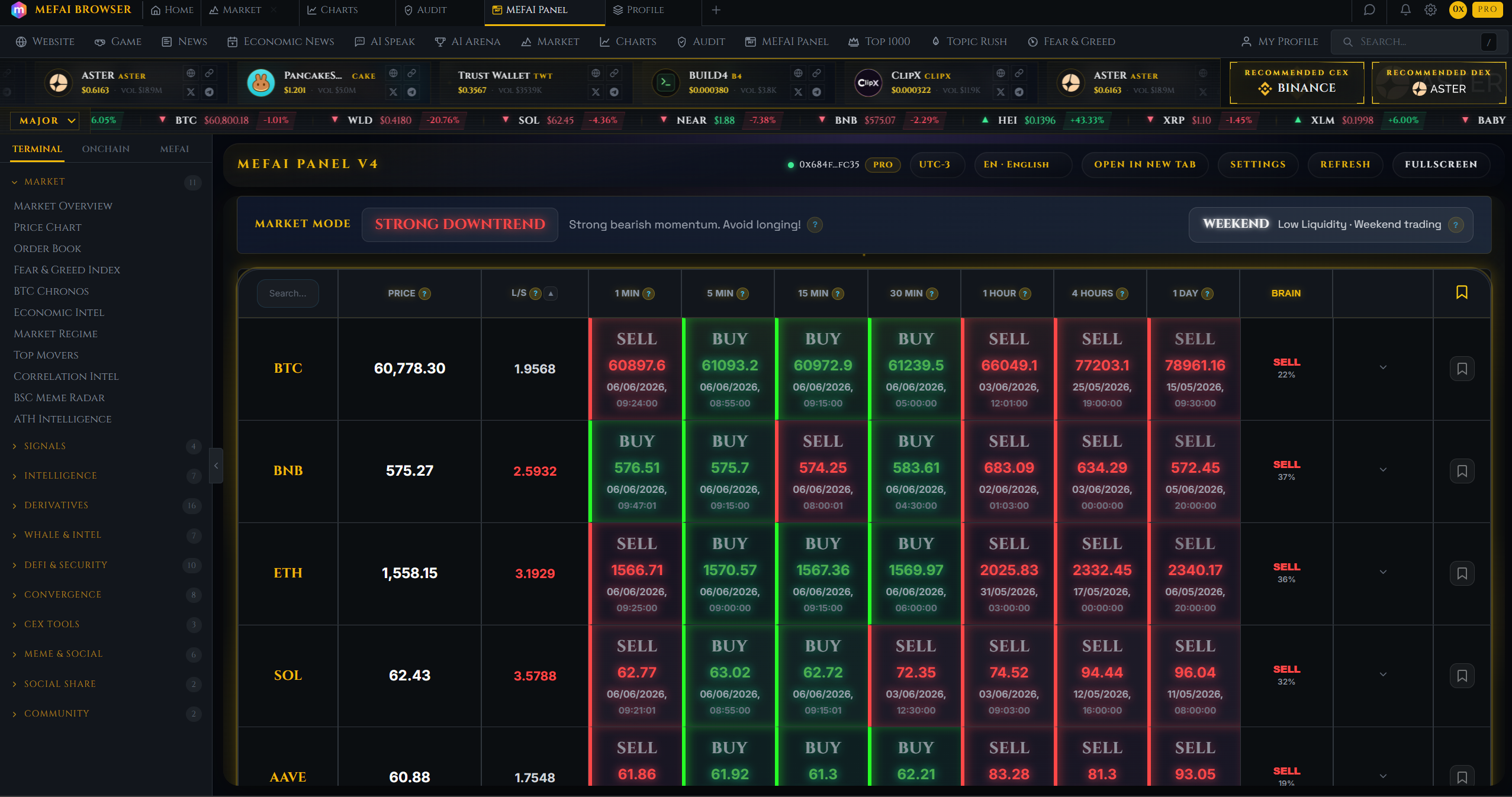
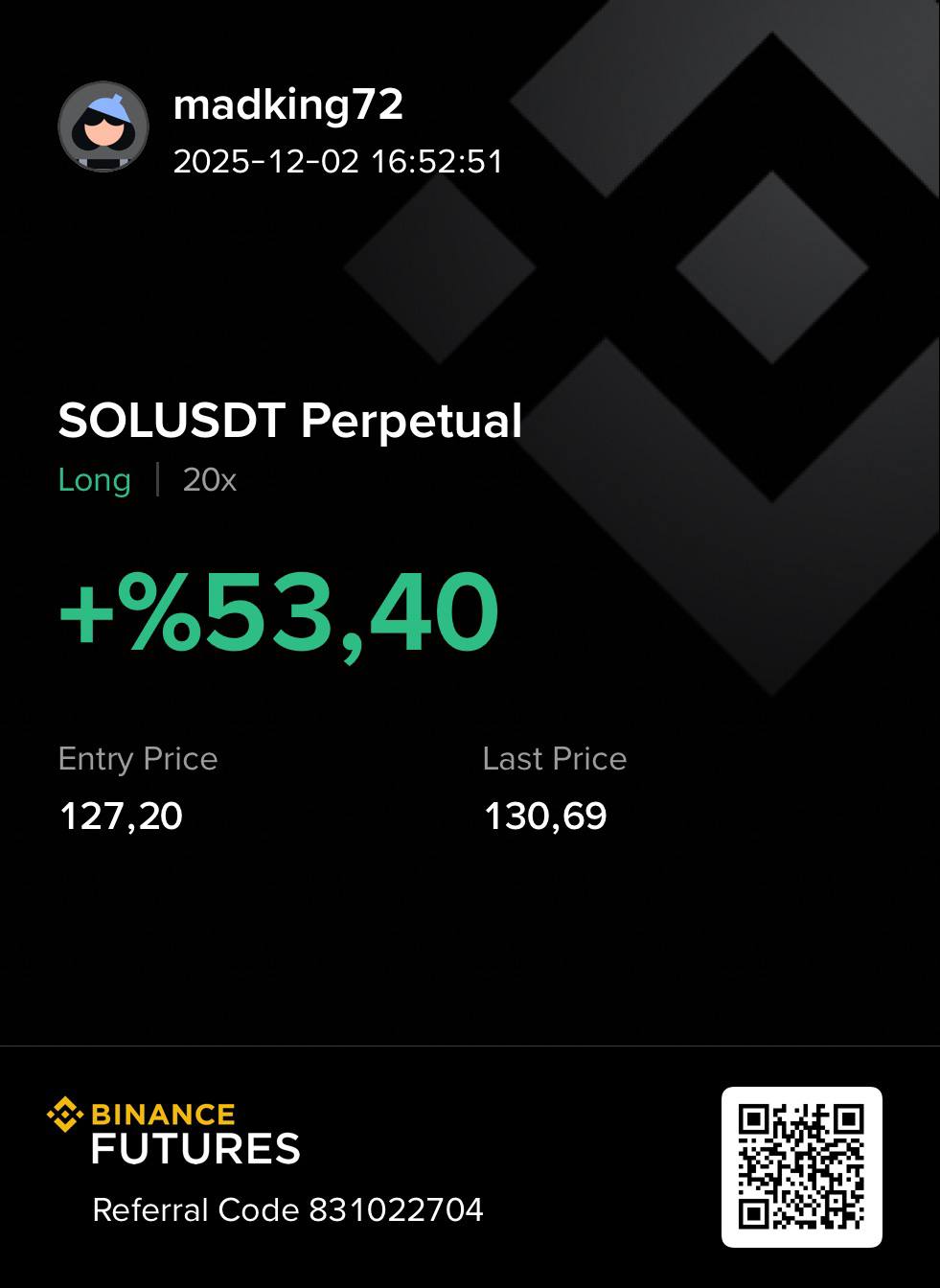
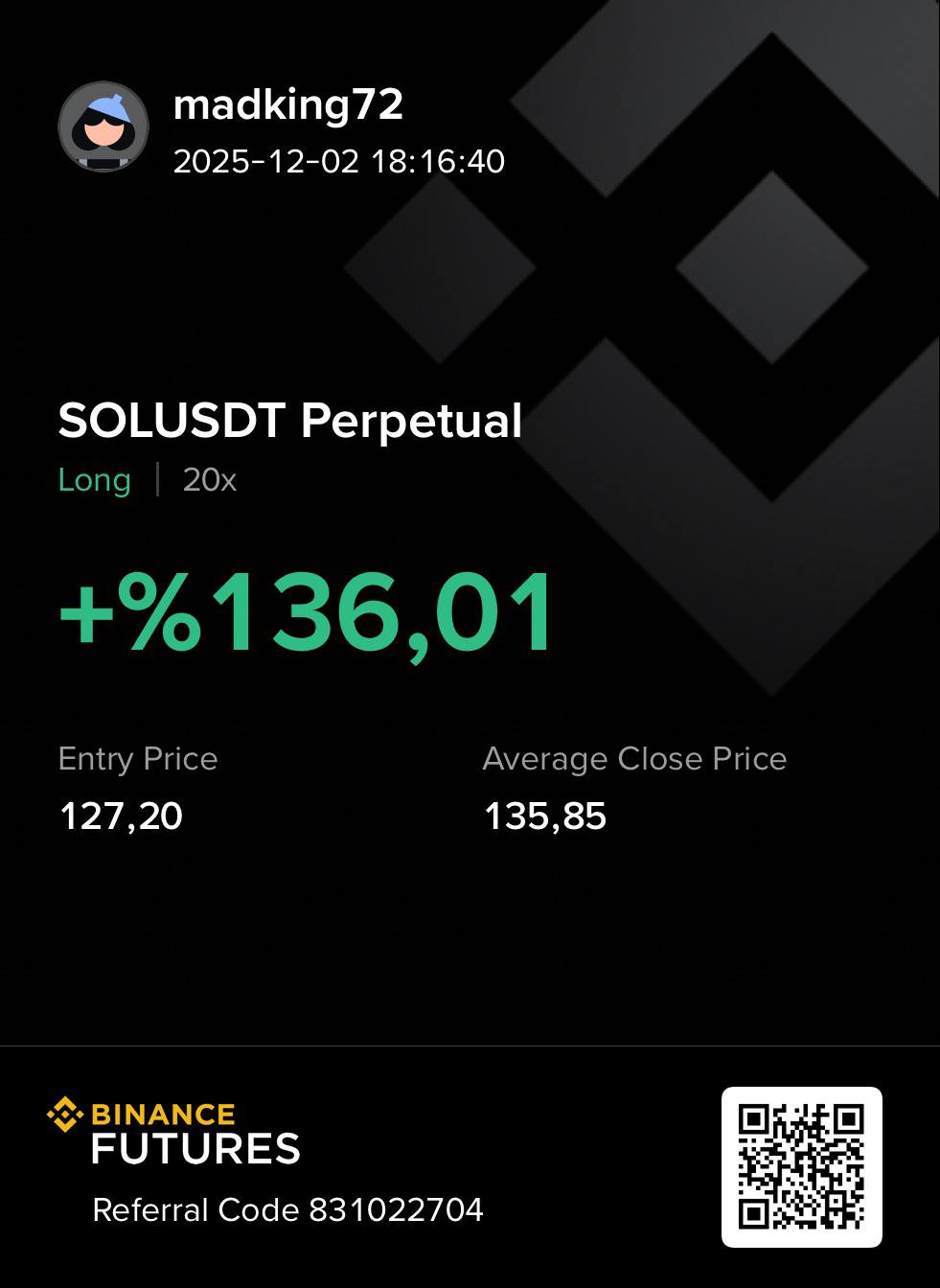
Real results from MEFAI's AI. Get $50 off the Pro plan.
Sponsored · Past performance is not indicative of future results. Not financial advice.


Investors in Ethereum, Solana, and other major networks should watch for similar UTXO-like signals adapted to their ecosystems—such as spent output ratios or realized loss metrics. These indicators can help identify when individual assets are approaching local bottoms, even if the macro trend remains uncertain. Additionally, cross-asset correlations often peak during capitulation events, meaning diversification may offer limited protection until market sentiment stabilizes.
For developers and project teams, periods of capitulation can be an opportunity to focus on building rather than marketing. A market that has cleared weak hands may be more receptive to high-quality infrastructure and applications once the recovery begins. This was evident in previous cycles, where projects that maintained development velocity during bear markets often gained significant traction in the subsequent bull phase.
What Comes Next: Watching for Confirmation Signals
The UTXO-based capitulation signal is a strong early warning, but it is not a guarantee of an immediate bottom. Analysts expect the process to continue, with prices potentially testing lower levels before stabilizing. Key confirmation signals to watch include:
- A reversal in the UTXO loss ratio, with profitable spends beginning to outpace loss-incurring ones.
- Stabilization or decline in exchange inflows, indicating reduced selling pressure.
- Positive momentum in long-term holder SOPR, suggesting accumulation by committed investors.
- Breakout in network fundamentals such as hash rate recovery or fee market stabilization.
Until these conditions emerge, the market may remain in a state of elevated volatility. For traders, this environment demands tighter risk controls and smaller position sizes. For long-term investors, it may present one of the most favorable entry points in years—but only if they can withstand the psychological and financial strain of a prolonged downturn.
Practical Steps for Investors in a Capitulation Phase
For those considering entering or adding to Bitcoin positions during this phase, several practical steps can help manage risk and improve decision-making:
-
Use DCA Strategically: Instead of making a single large purchase, consider spreading buys over several weeks or months. This reduces exposure to short-term volatility and allows for averaging into positions at different price levels.
-
Monitor Exchange Flows: Watch for sustained declines in Bitcoin exchange inflows, which can signal reduced selling pressure. Conversely, spikes in outflows may indicate accumulation by larger entities.
-
Track Long-Term Holder Behavior: Keep an eye on metrics like dormancy flow or long-term holder SOPR. When these turn positive, it often signals the beginning of a new accumulation phase.
-
Set Price Alerts: Place alerts near key support levels identified by on-chain analysis. This helps avoid emotional decision-making during sharp price moves.
-
Review Portfolio Allocation: Ensure your portfolio aligns with your risk tolerance. Capitulation phases can test even the most resilient investors, so consider reducing leverage or increasing cash reserves if needed.
-
Stay Updated on Macroeconomic Factors: While on-chain signals are powerful, external factors such as regulatory news, macroeconomic trends, or geopolitical events can also influence market direction. Stay informed but avoid overreacting to short-term noise.
Conclusion
The Bitcoin UTXO capitulation signal is a historically reliable indicator that the market may be approaching a bottom. While the process is likely to be uncomfortable and drawn out, it has often created some of the best long-term accumulation opportunities in Bitcoin’s history. Investors who can remain disciplined, focus on on-chain data, and avoid emotional reactions may find themselves well-positioned as the cycle turns.
As always, caution is warranted. Capitulation does not guarantee an immediate recovery, and prices can continue to decline before a sustainable bottom forms. But for those with a multi-year horizon, the current environment may represent a rare entry point—one that has historically rewarded patience and conviction. The key is to act deliberately, not desperately.
More in Crypto & Trading

Bitcoin’s Security Doesn’t Rely on Block Rewards Alone, Fidelity Argues
Fidelity Digital Assets says Bitcoin's security is not at risk from halving rewards because transaction fees, price appreciation and market incentives keep miners economically motivated even as block

Bitcoin’s Short-Term Holders Face Capitulation as 50K BTC Moves at a Loss
Roughly 50,000 BTC moved to exchanges at a loss in 24 hours while short-term holder stress hit a two-year peak. The data signals rising near-term sell pressure but also shows long-term accumulators ar

Bitcoin’s Selloff Shows It Still Moves With Gold and Silver
Bitcoin is falling alongside gold and silver as investors exit the “debasement trade,” showing the cryptocurrency still tracks scarce assets even after years of trading as a digital alternative.