
Base Layer-2 Outages Traced to Sequencer Bug: What It Means for Users and Developers
By Mag-Info Tech editorial · 2026-06-28

Base, the layer-2 network built on Ethereum, experienced two consecutive outages last week that halted block production and left users unable to process transactions. According to a technical post-mortem, the root cause was a bug in the sequencer’s block-building logic that allowed stale internal state to persist after a transaction failed validation. The sequencer is the single component responsible for ordering transactions on Base, making it a critical point of failure. When an invalid transaction was processed and rejected, the system failed to clear the journal state containing the accounts and storage slots that had been accessed. This left the sequencer in an inconsistent state, preventing it from progressing past the invalid block even after the transaction was discarded.
The first outage lasted 116 minutes and the second 20 minutes, during which new layer-2 blocks stopped being produced entirely. Validator nodes and the sequencer could not advance until sequencing was restored. Engineers resolved the issue by patching the sequencer software to ensure the journal state is properly updated during execution. However, the mitigation took longer than expected due to unrelated infrastructure conditions, which contributed to the second outage. After the system was reset, a race condition prevented sequencers from catching up, further delaying recovery. The Base team emphasized that while the patch addressed the core bug, operational factors compounded the downtime, highlighting the complexity of restoring a live production system under pressure.
For users and developers, the immediate impact was a temporary loss of access to Base’s rollup functionality, including transaction confirmation and smart contract execution. Anyone attempting to send or receive assets on Base during the outages would have seen pending transactions or failed submissions. While no funds were at risk—transactions were not lost—delays created uncertainty and disrupted workflows that depend on fast finality. Applications relying on Base for high-throughput use cases, such as DeFi trading, NFT minting, or gaming, would have experienced degraded performance or timeouts. The outages also affected interoperability, as bridges and cross-chain services depend on timely block production to confirm deposits and withdrawals. Although Base resumed normal operation after the fixes, the incidents underscore the fragility of systems that rely on a single sequencer without built-in redundancy.
The sequencer’s centralized design is a known trade-off in many layer-2 networks. Unlike decentralized sequencers proposed in some rollups, Base currently uses a single operator to sequence transactions efficiently. This design choice reduces complexity and improves performance under normal conditions but introduces a single point of failure. As seen with Base, Arbitrum, OP Mainnet, and zkSync Era, a bug or misconfiguration in the sequencer can bring the entire network to a halt. While centralized sequencers are easier to debug and optimize, they also concentrate risk. Developers and users must accept that such outages are possible and plan accordingly, especially when integrating Base into production systems. For applications requiring high availability, contingency mechanisms—such as fallback to Ethereum mainnet or alternative layer-2s—may be necessary during sequencer disruptions.
In response to the outages, the Base engineering team outlined several technical improvements to prevent recurrence. First, they plan to enhance protocol fuzz testing, a method that systematically injects random, malformed, or unexpected inputs into the system to uncover edge cases before they reach production. Fuzz testing is particularly effective at exposing bugs in transaction validation and state management, areas directly implicated in the recent failures. Second, the team is building “graceful recovery” mechanisms so that validator nodes do not require manual restarts during incidents. This would allow the network to recover automatically after a sequencer reset, reducing downtime caused by operational delays. These changes reflect a broader industry trend toward resilience engineering in blockchain infrastructure, where post-mortems drive concrete improvements rather than just explanations.
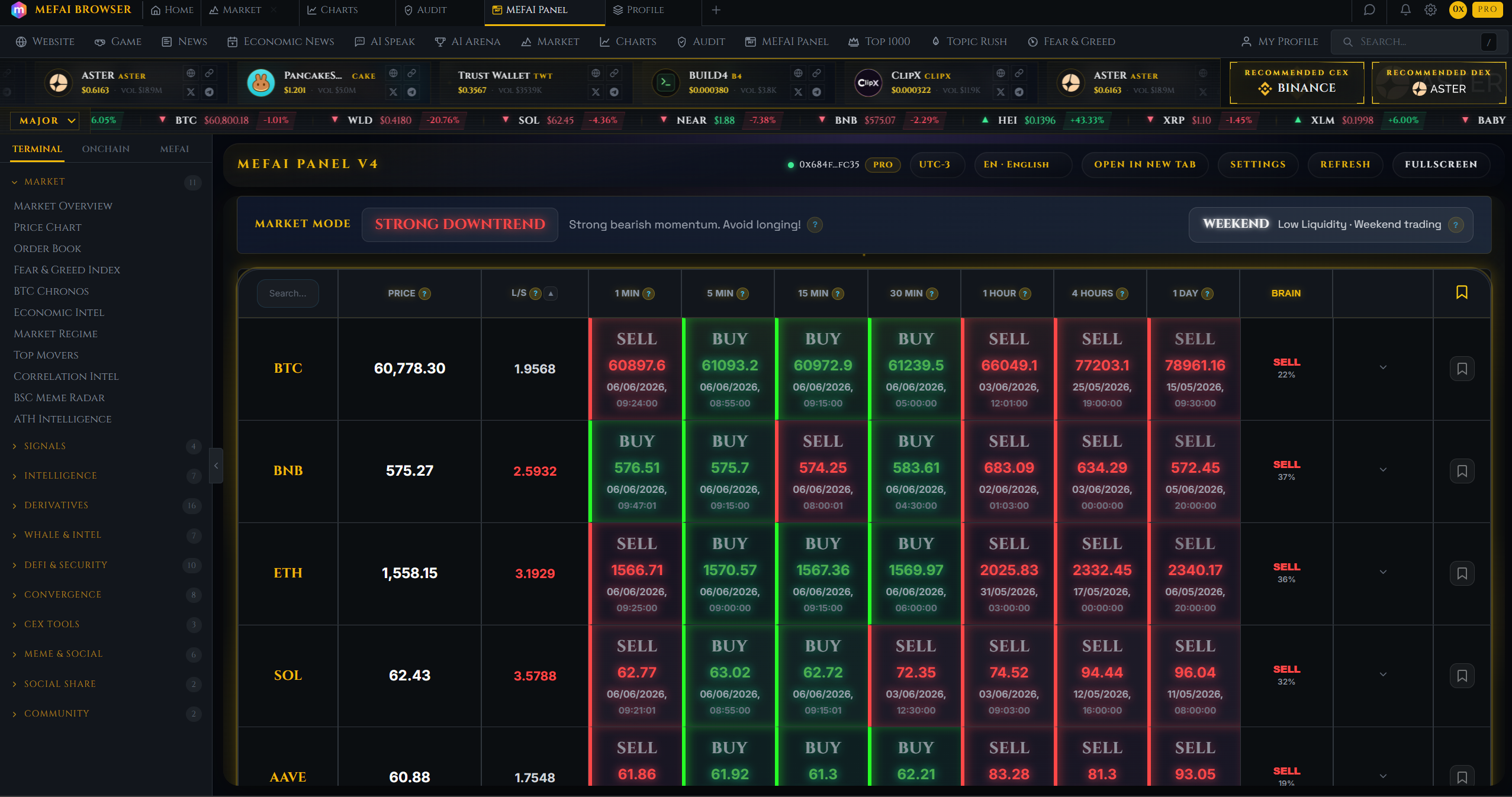
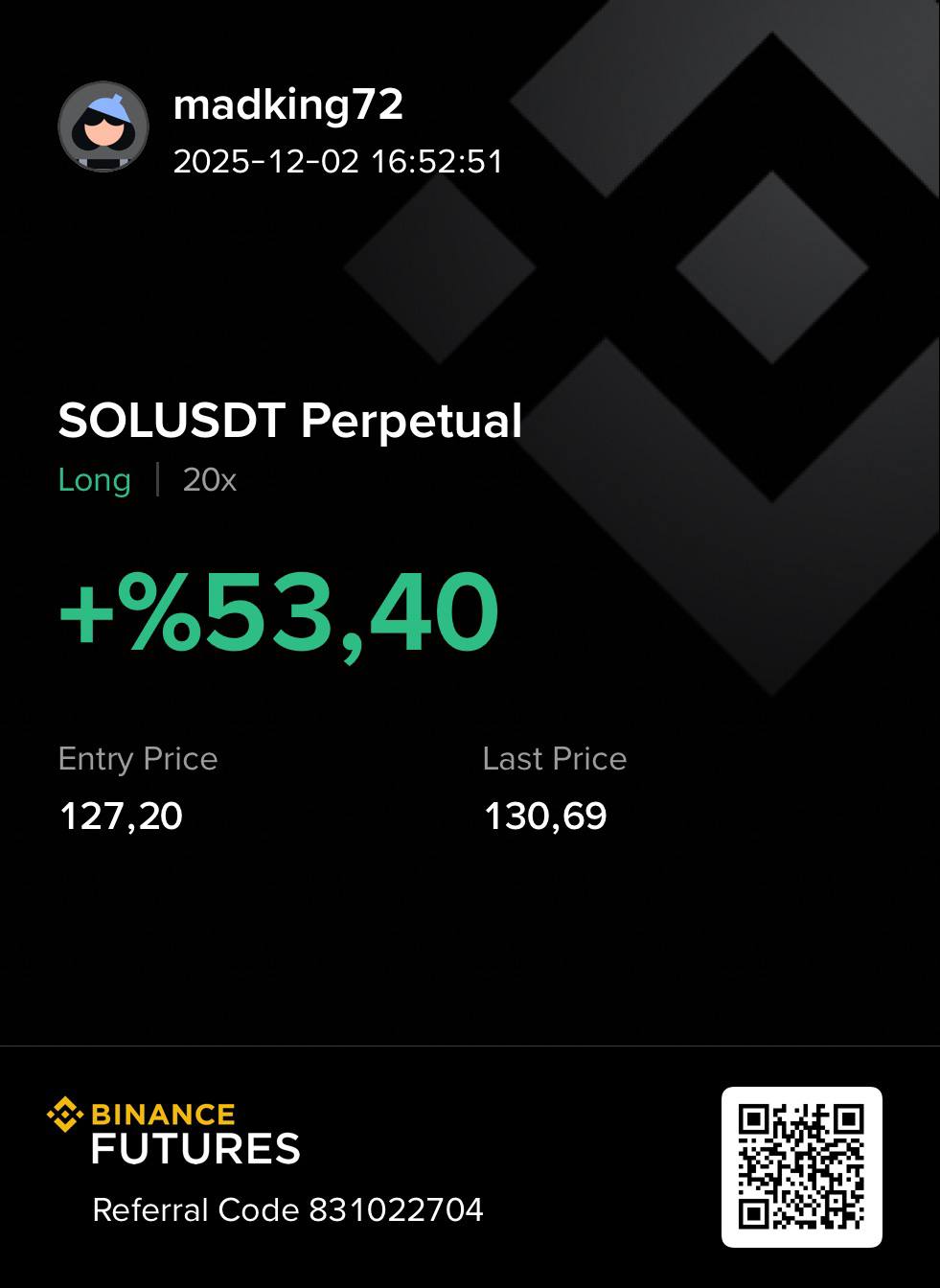
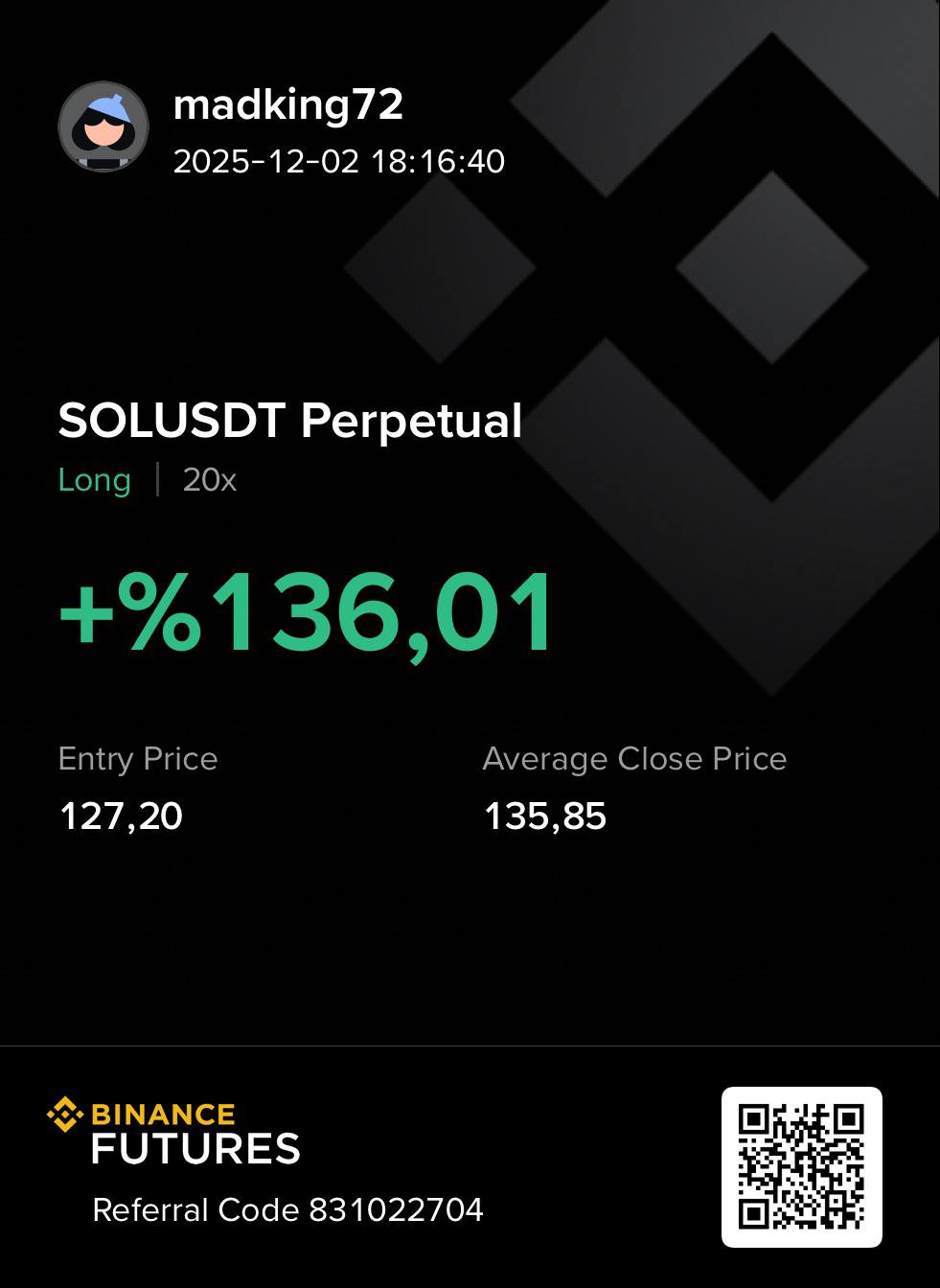
Real results from MEFAI's AI. Get $50 off the Pro plan.
Sponsored · Past performance is not indicative of future results. Not financial advice.

The outages also raise broader questions about the maturity of layer-2 networks and their operational practices. While Base has grown rapidly since its launch, handling billions in daily transaction volume, the incidents show that even well-funded teams can face unexpected bugs under load. The fact that the bug involved stale state persistence—a classic software reliability issue—suggests that complexity in the sequencer’s internal architecture may be outpacing testing coverage. For developers building on Base, the lesson is to treat sequencer stability as a first-class concern. This includes monitoring sequencer health in real time, implementing circuit breakers for critical operations, and designing applications to tolerate temporary sequencing delays. Users should also be aware that layer-2 networks, despite their efficiency, can experience downtime, and plan transaction timing accordingly.
Looking ahead, the Base team’s commitment to fuzz testing and graceful recovery is a positive sign. These are not superficial fixes but structural improvements that address the root causes of the outages. However, the effectiveness of these measures will only become clear during future incidents. The team also faces the challenge of balancing rapid iteration with stability, especially as Base continues to onboard new users and applications. One potential path forward is the eventual adoption of decentralized sequencers or shared sequencing models, which could reduce single points of failure. But such changes require significant architectural work and community consensus, making them longer-term goals rather than immediate solutions.

For now, users and developers should take practical steps to mitigate risk. Applications should implement retry logic with exponential backoff when transactions fail or time out. Wallets and dApps can add status pages or sequencer health indicators to help users make informed decisions. Developers integrating Base should consider using timeouts and fallback mechanisms to other networks if high availability is required. While the recent outages were disruptive, they also provided valuable data on how Base behaves under stress. The team’s transparency in publishing a detailed post-mortem sets a positive example for the industry, reinforcing the importance of accountability in blockchain infrastructure.
In the longer term, the Base incidents serve as a reminder that layer-2 networks, despite their promise of scalability, are still evolving systems. Bugs in critical components like sequencers can have outsized consequences, and recovery is not always immediate. Users and developers must remain vigilant, adopt resilient practices, and expect occasional disruptions as the technology matures. The Base team’s response—diagnosing the bug, applying a fix, and planning structural improvements—demonstrates a responsible approach to incident management. As layer-2 adoption accelerates, similar incidents are likely to occur elsewhere. The key difference will be how quickly teams can diagnose, fix, and communicate, turning outages into lessons rather than prolonged crises.
More in Crypto & Trading

Bitcoin’s Security Doesn’t Rely on Block Rewards Alone, Fidelity Argues
Fidelity Digital Assets says Bitcoin's security is not at risk from halving rewards because transaction fees, price appreciation and market incentives keep miners economically motivated even as block

Bitcoin’s Short-Term Holders Face Capitulation as 50K BTC Moves at a Loss
Roughly 50,000 BTC moved to exchanges at a loss in 24 hours while short-term holder stress hit a two-year peak. The data signals rising near-term sell pressure but also shows long-term accumulators ar

Bitcoin’s Selloff Shows It Still Moves With Gold and Silver
Bitcoin is falling alongside gold and silver as investors exit the “debasement trade,” showing the cryptocurrency still tracks scarce assets even after years of trading as a digital alternative.